


Probiotics are live beneficial bacteria that support gut health, digestion, and immunity. In Pakistan, where digestive issues like bloating, IBS, and post-antibiotic gut imbalance are common, probiotics are increasingly recommended by doctors and nutritionists. Traditional Pakistani foods like dahi and lassi are naturally rich in these beneficial microorganisms.
Probiotics are live microorganisms that support gut health by restoring the balance of beneficial bacteria in your digestive system. In Pakistan, where digestive issues like bloating, IBS, and post-antibiotic gut imbalance are common, probiotics are increasingly recommended by doctors and nutritionists. This guide covers benefits, Pakistani probiotic foods, supplement types, and how to choose the right option for you.
Probiotics have become increasingly popular in Pakistan as people become more aware of the crucial role gut health plays in overall wellness. From improving digestion to strengthening immunity, these tiny microorganisms offer powerful health benefits that modern science continues to validate.
According to research, approximately 70% of your immune system is located in your gut. When your gut bacteria are out of balance, it can lead to digestive problems, weakened immunity, skin issues, and even mental health concerns.
In this blog, we will explore everything you need to know about probiotics in Pakistan, including what they are, their health benefits, types available, probiotic-rich foods, and how to choose the right probiotic supplement for your needs.
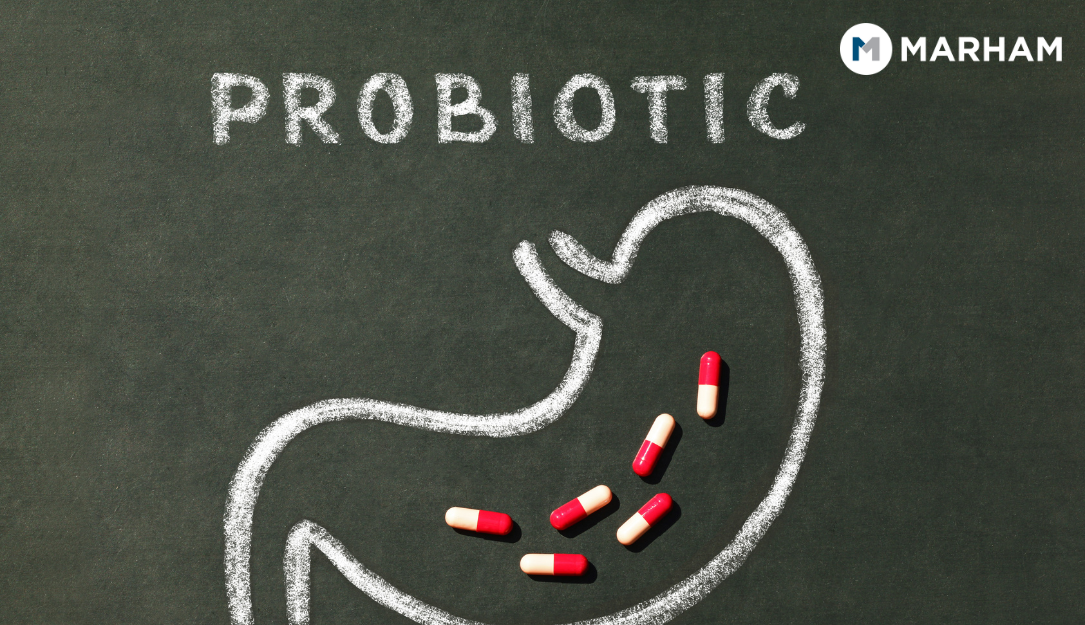
What Are Probiotics?
Probiotics are live microorganisms, primarily bacteria and yeast, that provide health benefits when consumed in adequate amounts. These are often called “good bacteria” or “friendly bacteria” because they help keep your gut healthy and functioning properly.
Your digestive system contains trillions of bacterias, both good and bad. When the balance tips in favor of bad bacteria due to poor diet, antibiotics, stress, or illness, it can lead to various health problems. Probiotics help restore this balance by increasing the population of beneficial bacteria.
Not sure if your gut symptoms need a specialist?
Connect with a PMC-verified gastroenterologist from home or at a clinic near you. Marham covers 155 cities across Pakistan, so expert gut care is always within reach.
Find a GastroenterologistBook online video consultation instead
Speak to a verified gut health specialist from home
Persistent bloating, IBS, or post-antibiotic gut issues deserve expert attention. Marham connects you with PMC-verified gastroenterologists across 155 cities in Pakistan for in-clinic and online appointments.
Find a GastroenterologistBook online video consultation instead
Probiotics Benefits
Probiotics offer a wide range of health benefits that go far beyond just digestive health. Here are the most important ones:
1. Improves Digestive Health
The most well-known benefit of probiotics is their positive effect on digestion. They help break down food, absorb nutrients, and prevent digestive issues like:
- Constipation
- Diarrhea (especially antibiotic-associated diarrhea)
- Bloating and gas
- Irritable Bowel Syndrome (IBS)
- Inflammatory Bowel Disease (IBD)
If you frequently experience digestive discomfort, probiotics can provide significant relief.
2. Strengthens Immune System
Since a large portion of your immune system resides in your gut, maintaining healthy gut bacteria is crucial for strong immunity. Probiotics help:
- Fight off harmful bacteria and pathogens
- Reduce the risk of infections
- Enhance the production of natural antibodies
- Lower the incidence of respiratory infections and colds
Regular probiotic consumption can help you stay healthier and recover faster from illnesses.
3. Restores Gut Flora After Antibiotics
Antibiotics are life-saving medications, but they kill both good and bad bacteria in your gut. This disruption can lead to antibiotic-associated diarrhea and other digestive issues. Taking probiotics during and after antibiotic treatment helps restore the balance of beneficial bacteria.
4. Supports Weight Management
Research suggests that probiotics may help with weight loss and reducing belly fat. They work by:
- Reducing the absorption of dietary fat
- Increasing the release of satiety hormones that make you feel full
- Reducing inflammation associated with obesity
While probiotics alone will not cause dramatic weight loss, they can support your weight management efforts when combined with a healthy diet and exercise.
5. Improves Mental Health
The gut-brain connection is real. Your gut produces neurotransmitters like serotonin, which affects mood and mental health. Studies show that probiotics may help:
- Reduce symptoms of depression and anxiety
- Improve mood and emotional well-being
- Lower stress levels
This emerging area of research shows that taking care of your gut can positively impact your mental health.
6. Reduces Inflammation
Chronic inflammation is linked to numerous health problems, including heart disease, diabetes, and autoimmune conditions. Probiotics have anti-inflammatory properties that help reduce inflammation throughout the body.
7. Improves Skin Health
Your skin health is closely connected to your gut health. Probiotics can help with:
- Acne
- Eczema
- Rosacea
- Overall skin appearance and glow
By reducing gut inflammation and balancing bacteria, probiotics can lead to clearer, healthier skin.
8. Supports Heart Health
Some probiotics can help lower cholesterol levels and blood pressure, reducing the risk of heart disease. They work by breaking down bile in the gut and preventing it from being reabsorbed as cholesterol.
9. Enhances Nutrient Absorption
Probiotics help your body absorb essential nutrients more efficiently, including vitamins, minerals, and proteins. This means you get more nutritional value from the food you eat.
10. Reduces Allergies and Eczema
Certain probiotic strains may reduce the severity of allergies and eczema, particularly in children. They help regulate the immune response and reduce inflammation.
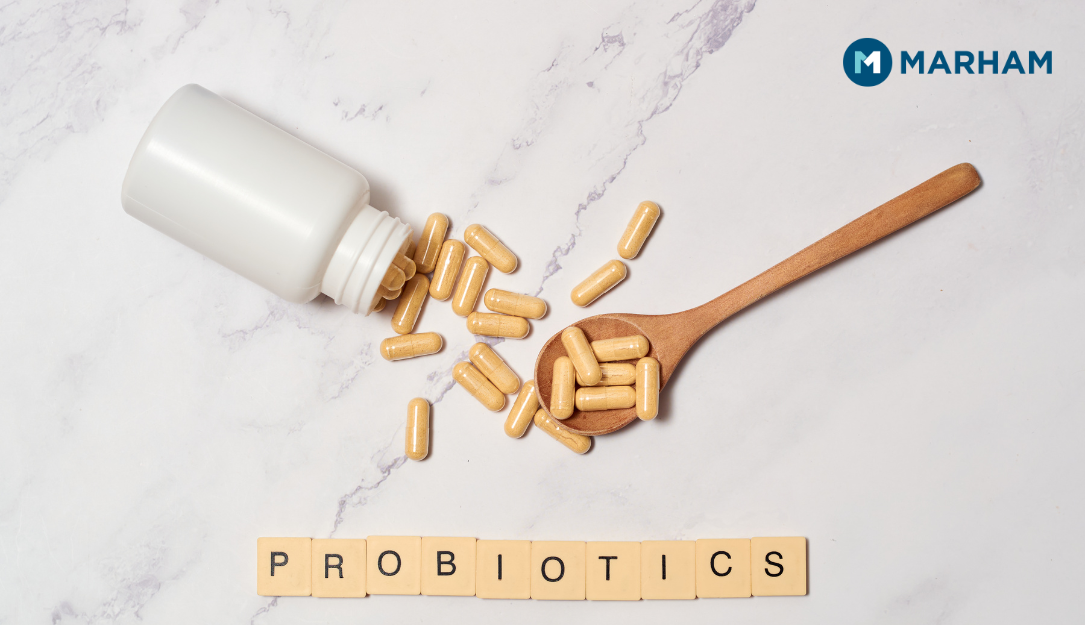
Types of Probiotics in Pakistan
Probiotics come in various forms to suit different needs and preferences. Here are the main types available in Pakistan:
Probiotic Supplements in Pakistan
Probiotic supplements contain concentrated doses of beneficial bacteria and are available in several forms:
Capsules: The most common form, easy to swallow and convenient
Tablets: Similar to capsules but in tablet form
Sachets (powder): Can be mixed with water or food, ideal for children or those who have difficulty swallowing pills
Liquid probiotics: Less common but available in some health stores
Probiotic supplements are measured in CFUs (Colony Forming Units), which indicate the number of live bacteria in each dose. Most effective probiotics contain between 1 billion to 100 billion CFUs.
Probiotic Sachet in Pakistan
Probiotic sachets are increasingly popular in Pakistan because they are:
- Easy to consume you can mix with water, juice, or yogurt
- Suitable for all ages, children, adults, and elderly can use them
Sachets are often prescribed by doctors for digestive issues, especially after antibiotic treatment.
Probiotic Tablets in Pakistan
Probiotic tablets are another convenient option. They are:
- Easy to carry and take on the go
- Many do not require refrigeration
- No guesswork on how much to take
Both sachets and tablets are effective; the choice depends on personal preference.
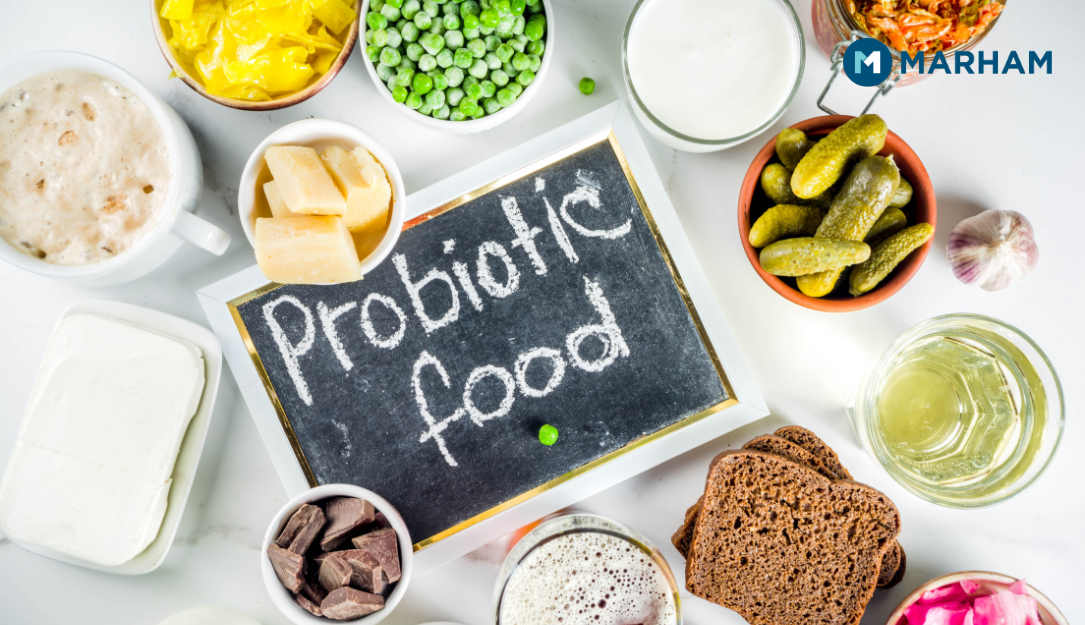
Probiotic Foods in Pakistan
You do not always need supplements to get probiotics. Many traditional Pakistani foods are naturally rich in beneficial bacteria:
1. Yogurt (Dahi)
Yogurt is one of the best natural sources of probiotics. Traditional homemade dahi contains live cultures that support gut health. Make sure to choose plain yogurt without added sugar for maximum benefits.
2. Lassi
Lassi, a popular yogurt-based drink in Pakistan, is not only refreshing but also probiotic-rich. Whether sweet or salty, lassi provides beneficial bacteria along with hydration.
3. Pickles (Achaar)
Traditional fermented pickles made through natural fermentation (not vinegar-based) contain probiotics. Mango pickle, lemon pickle, and mixed vegetable pickles are common in Pakistani households.
4. Buttermilk
Buttermilk is another fermented dairy product that contains probiotics and is commonly consumed in Pakistan, especially during summer.
Who Needs Probiotics?
While probiotics are generally beneficial for everyone, certain groups of people can benefit even more:
- People with digestive issues such as IBS, constipation, diarrhea, bloating
- To prevent antibiotic-associated side effects
- Individuals with weakened immunity
- People under high stress
- Those with skin problems such as acne, eczema, rosacea
- Individuals trying to lose weight
- Anyone with poor dietary habits
If you fall into any of these categories, adding probiotics to your routine could significantly improve your health.
How to Choose the Right Probiotics
With so many probiotic options available in Pakistan, how do you choose the right one? Here are key factors to consider:
1. Consult a Healthcare Professional
If you have specific health conditions or are taking medications, consult your doctor before starting probiotics to ensure they are safe and appropriate for you.
2. Check the CFU Count
Look for products with at least 1 billion CFUs. For more severe digestive issues, higher counts (10-50 billion CFUs) may be more effective.
3. Multiple Strains
Different probiotic strains offer different benefits. Look for products that contain multiple strains, such as:
Lactobacillus: Good for digestion, immunity, and overall gut health
Bifidobacterium: Supports colon health and reduces inflammation
Saccharomyces boulardii: Helps with diarrhea and digestive upset
4. Check Expiration Date
Probiotics contain live bacteria, which means they have a limited shelf life. Always check the expiration date and choose products with the longest shelf life remaining.
5. Storage Requirements
Some probiotics need refrigeration to keep the bacteria alive, while others are shelf-stable. Choose based on your convenience and storage availability.
Probiotic Supplements in Pakistan
Probiotic supplements are widely available in Pakistan through:
- Pharmacies
- Health food stores
- Online platforms
The price of probiotic supplements in Pakistan varies based on CFU count, number of strains, and quality:
Basic probiotics: PKR 1,000 to PKR 2,500
Premium probiotics: PKR 2,500 to PKR 5,000
Probiotic sachets: PKR 500 to PKR 2,000 per box
While imported probiotics may be more expensive, many local options offer good quality at affordable prices.
Probiotics Side Effects and Precautions
Probiotics are generally safe for most people, but there are some considerations:
Mild Side Effects
When you first start taking probiotics, you may experience:
- Mild bloating or gas
- Digestive discomfort
- Changes in bowel movements
These symptoms usually subside within a few days as your body adjusts.
Who Should Be Cautious
- People with weakened immune systems
- Those with serious illnesses
- Individuals with central venous catheters
- Pregnant and breastfeeding women
If you experience severe symptoms like high fever, severe abdominal pain, or bloody stools after taking probiotics, stop use immediately and seek medical attention.
Probiotics vs Prebiotics: What’s the Difference?
Many people confuse probiotics with prebiotics, but they are different:
Probiotics: Live beneficial bacteria that improve gut health
Prebiotics: Non-digestible fibers that feed the good bacteria in your gut
For optimal gut health, you need both. Prebiotics are found in foods like:
- Bananas
- Onions and garlic
- Whole grains
- Beans and lentils
Some supplements combine both probiotics and prebiotics, called synbiotics.
The Bottom Line
Probiotics in Pakistan are becoming increasingly popular as more people recognize the importance of gut health for overall wellness. Whether you choose probiotic-rich foods like yogurt and lassi or opt for supplements in the form of capsules, tablets, or sachets, adding probiotics to your daily routine can offer significant health benefits.
From improving digestion and strengthening immunity to supporting weight management and mental health, probiotics are a simple yet powerful way to enhance your quality of life. The key is consistency, regular consumption over weeks and months yields the best results.
If you are dealing with digestive issues, have recently taken antibiotics, or simply want to improve your overall health, probiotics can be a valuable addition to your wellness routine. Just remember to choose high-quality products, follow recommended dosages, and consult a healthcare professional if you have any concerns.
If you need personalized guidance on probiotics or digestive health, you can easily connect with the best gastroenterologist or nutritionist in Pakistan through Marham. Call 03111222398 for more information.
Best Probiotic Supplements Available in Pakistan (2026)
Probiotic supplements in Pakistan are available at pharmacies, health stores, and online platforms. When choosing one, look at the CFU count, number of strains, and whether the product requires refrigeration.
- Multi-strain capsules (10+ strains): Suitable for general gut support and post-antibiotic recovery. Look for products containing both Lactobacillus and Bifidobacterium species.
- Saccharomyces boulardii sachets: Widely prescribed by Pakistani gastroenterologists for antibiotic-associated diarrhea and traveler’s diarrhea.
- Paediatric probiotic drops or sachets: Formulated for infants and children; often prescribed after a course of antibiotics.
- Shelf-stable tablets: Convenient for travel and do not require refrigeration, making them practical in Pakistan’s warmer climate.
Prices range from PKR 1,000 to PKR 5,000 depending on CFU count and brand. Always check the expiry date and storage instructions before purchasing. If you are unsure which supplement suits your condition, a gastroenterologist can recommend the right strain and dose for you.
Probiotics and Common Pakistani Health Conditions
Gut health is closely linked to several conditions that are widespread in Pakistan. Here is how probiotics may help:
- IBS and chronic bloating: Irritable bowel syndrome is one of the most common reasons Pakistanis visit a gastroenterologist. Strains like Lactobacillus rhamnosus and Bifidobacterium infantis have been studied for reducing IBS symptoms including abdominal pain and irregular bowel habits.
- Post-antibiotic gut recovery: Broad-spectrum antibiotics, frequently prescribed in Pakistan, disrupt gut flora. Taking Saccharomyces boulardii during and after antibiotic treatment helps restore balance and reduces diarrhea risk.
- Diabetes and metabolic health: Research published in peer-reviewed journals suggests that a balanced gut microbiome may support blood sugar regulation. People managing diabetes should discuss probiotic use with their doctor before starting supplementation.
- Skin conditions: The gut-skin axis means that gut imbalances can worsen acne, eczema, and rosacea. Probiotic support may complement dermatological treatment for these conditions.
These connections do not mean probiotics replace prescribed medication. They work best as part of a broader, doctor-guided health plan.
When Should You See a Doctor About Gut Health?
Probiotics can help with mild, everyday digestive discomfort. However, some symptoms need professional evaluation rather than self-treatment.
See a gastroenterologist if you experience:
- Persistent diarrhea or constipation lasting more than two weeks
- Blood in your stool
- Unexplained weight loss
- Severe or recurring abdominal pain
- Symptoms that do not improve after two to four weeks of probiotic use
In Pakistan, conditions like chronic diarrhea, inflammatory bowel disease, and H. pylori infection require diagnosis and targeted treatment. A gastroenterologist can run the right tests, confirm whether a probiotic supplement is appropriate, and recommend the correct strain and dose for your specific condition.
You can book an appointment with a verified gastroenterologist through Marham, with in-clinic visits available across 155 cities in Pakistan.
How Long Do Probiotics Take to Work?
The time it takes for probiotics to produce noticeable effects depends on your condition, the probiotic strain, and your overall gut health.
- Antibiotic-associated diarrhea: Improvement is often seen within two to three days of starting a probiotic alongside antibiotics.
- General digestive comfort (bloating, gas): Most people notice a difference within one to four weeks of consistent daily use.
- IBS symptoms: Clinical studies suggest four to eight weeks of regular use before meaningful symptom reduction occurs.
- Immune and skin benefits: These take longer, typically eight to twelve weeks, because they depend on sustained changes in gut microbiome composition.
Consistency matters more than dose. Taking a probiotic daily at the same time, ideally with a meal, gives the bacteria the best chance of surviving stomach acid and colonising the gut. If you see no improvement after four weeks, consult a gastroenterologist to rule out an underlying condition.
Online gut health consultation from Rs 500
Marham gives you access to 16,000+ PMC-verified doctors. Speak to a gastroenterologist today about your digestive concerns, from bloating and IBS to post-antibiotic recovery.
Book a GastroenterologistBook online video consultation instead
Frequently Asked Questions
What are the best probiotic foods available in Pakistan?
The best probiotic foods in Pakistan are plain homemade yogurt (dahi), lassi, buttermilk (chaas), and naturally fermented pickles (achaar made without vinegar). These traditional foods contain live bacterial cultures that support gut health and are widely available and affordable across the country. For a stronger dose of beneficial bacteria, a probiotic supplement may be added alongside these foods.
Can I take probiotics every day in Pakistan’s climate?
Yes, daily probiotic use is safe for most healthy adults. In Pakistan’s warm climate, pay attention to storage: some probiotic capsules require refrigeration to keep the bacteria alive, while shelf-stable tablets are more practical for travel or areas with unreliable electricity. Always check the storage instructions on the packaging and keep supplements away from direct heat and sunlight.
Are probiotics safe to take with antibiotics?
Yes, probiotics are generally safe to take alongside antibiotics and are often recommended for this purpose. To avoid the antibiotic killing the probiotic bacteria, take them at least two hours apart. Strains like Saccharomyces boulardii and Lactobacillus rhamnosus are particularly well-studied for reducing antibiotic-associated diarrhea. Always confirm with your prescribing doctor before starting any supplement during a course of antibiotics.
Who should not take probiotics without a doctor’s advice?
People with weakened immune systems, serious underlying illnesses, or central venous catheters should not take probiotics without medical supervision. Pregnant and breastfeeding women should also consult their doctor first. For everyone else, probiotics are considered safe, but a gastroenterologist’s guidance is recommended if you have a diagnosed gut condition such as IBD or Crohn’s disease.
How do I choose the right probiotic supplement in Pakistan?
Choose a probiotic supplement that lists the specific bacterial strains on the label, has a CFU count of at least one billion, and shows a valid expiry date. Multi-strain products containing both Lactobacillus and Bifidobacterium species offer broader gut support. If you have a specific condition such as IBS, post-antibiotic recovery, or chronic diarrhea, a gastroenterologist can recommend the most appropriate strain and dose for your needs.
Medically reviewed by Marham Medical Team. Updated July 2026.
When Should You See a Doctor About Gut Health?
Probiotics and dietary changes help many people, but some digestive symptoms need professional evaluation. See a gastroenterologist if you experience any of the following:
- Persistent bloating, diarrhea, or constipation lasting more than two to three weeks
- Blood in stool or unexplained weight loss
- Severe abdominal pain that does not improve
- Recurring gut problems after antibiotic courses
- Symptoms of IBS or IBD that interfere with daily life
In Pakistan, conditions like H. pylori infection, typhoid-related gut damage, and antibiotic overuse can disrupt gut flora significantly. A specialist can run targeted tests and recommend the right probiotic strain and dosage for your specific condition, rather than a trial-and-error approach with over-the-counter supplements.
Through Marham, you can book an appointment with a PMC-verified gastroenterologist in Karachi, Lahore, Islamabad, or 155 cities across Pakistan, online or in-clinic.
Probiotics and Common Pakistani Health Conditions
Research suggests probiotics may play a supportive role alongside standard treatment for several conditions that are widespread in Pakistan:
- Diabetes: Gut microbiome imbalance is linked to insulin resistance. Some studies indicate certain probiotic strains may help improve glycemic markers, though they are not a replacement for prescribed diabetes management.
- Hypertension: Certain Lactobacillus strains have been studied for modest blood-pressure-lowering effects by influencing gut-derived metabolites.
- Antibiotic overuse: Pakistan has one of the highest rates of antibiotic use in the region. Probiotics, particularly Saccharomyces boulardii and Lactobacillus rhamnosus GG, are evidence-backed for preventing antibiotic-associated diarrhea.
- Mental health: The gut-brain axis means gut dysbiosis can worsen anxiety and low mood. Probiotic support is an emerging area of interest alongside psychiatric care.
Always discuss probiotic use with your doctor if you have a chronic condition or are on long-term medication.
How Long Do Probiotics Take to Work in Pakistan’s Climate?
Most people notice initial changes in digestion within one to two weeks of consistent probiotic use. Full benefits for conditions like IBS or post-antibiotic recovery typically take four to eight weeks of daily use.
Pakistan’s hot climate creates a specific challenge: many probiotic supplements require refrigeration to keep bacteria alive. In cities like Karachi or Multan, where summer temperatures regularly exceed 40°C, shelf-stable or refrigerated probiotics must be stored correctly or the live bacteria count drops significantly before you even open the pack.
- Check the label for storage instructions before buying.
- Choose products that specify CFU count at expiry, not just at manufacture.
- Sachets and capsules with moisture-resistant packaging tend to survive Pakistan’s humidity better than loose tablets.
- Probiotic-rich foods like fresh homemade dahi are a reliable daily source that requires no special storage.
If you are unsure which supplement suits your needs, a nutritionist or gastroenterologist can guide you based on your specific symptoms and lifestyle.
Online gastroenterologist consultation from Rs 500
Get personalised advice on probiotics, gut health, and digestive issues from 16,000+ PMC-verified doctors on Marham. No travel needed. Same-day slots available.
Book a GastroenterologistBook online video consultation instead
Frequently Asked Questions
What are the best probiotic foods available in Pakistan?
The best probiotic foods in Pakistan are plain homemade dahi (yogurt), lassi, chaas (buttermilk), and naturally fermented achaar (pickles made without vinegar). These are widely available, affordable, and contain live bacterial cultures that support gut health. Eating one or two servings daily is a practical way to maintain a healthy gut microbiome without supplements.
Can I take probiotics while on antibiotics in Pakistan?
Yes, you can take probiotics while on antibiotics, and it is generally recommended. Antibiotics kill both harmful and beneficial bacteria, often causing diarrhea and gut discomfort. Taking a probiotic, particularly Saccharomyces boulardii or Lactobacillus rhamnosus, two to three hours apart from your antibiotic dose helps restore gut balance. Always confirm the timing with your prescribing doctor.
Are probiotic supplements in Pakistan safe for children?
Probiotic supplements are generally safe for children and are commonly prescribed by Pakistani pediatricians for antibiotic-associated diarrhea and digestive issues. Sachets are the preferred form for children as they can be mixed into water, juice, or food. However, always consult a PMC-verified pediatrician or gastroenterologist before starting any supplement for a child, especially infants under one year.
What is the difference between probiotics and prebiotics?
Probiotics are live beneficial bacteria that directly populate your gut, while prebiotics are non-digestible dietary fibers that feed those bacteria. Both work together for optimal gut health. Prebiotic-rich foods common in Pakistan include onions, garlic, bananas, and daal (lentils). Some supplements combine both in one product, called synbiotics, which may offer added convenience.
How much do probiotic supplements cost in Pakistan?
Probiotic supplement prices in Pakistan range from approximately PKR 1,000 to PKR 2,500 for standard options and PKR 2,500 to PKR 5,000 for premium or high-CFU products. Probiotic sachets typically cost PKR 500 to PKR 2,000 per box. If you are unsure which product offers value for your specific condition, a gastroenterologist consultation on Marham starts from Rs 500 online.
Medically reviewed by Marham Medical Team. Updated July 2026.