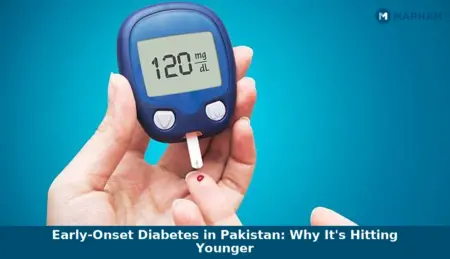


Most people in Pakistan visit a doctor only when something already hurts. A fever, a persistent cough, a sharp pain — that is usually the trigger. But many of the conditions that cause the most harm, including diabetes, hepatitis C, high blood pressure, and early-stage kidney disease, build quietly for months or years before producing any symptom at all.
Routine lab tests change that equation. A simple blood draw or urine sample can reveal what a physical examination cannot see. In Pakistan, where diseases like thalassemia, typhoid, dengue, and type 2 diabetes overlap in ways that confuse even experienced clinicians, a well-chosen panel of tests is often the difference between catching a problem early and managing a crisis later.
This guide covers why lab tests matter, which ones Pakistani adults should prioritise, what the results actually tell you, and when it is time to speak to a specialist.
Why Are Lab Tests Important for Your Health?
Lab tests are important because they detect disease before symptoms appear, confirm a diagnosis when symptoms are present, and track whether an existing condition is under control. A single blood panel can reveal anaemia, liver stress, kidney strain, blood sugar problems, and thyroid dysfunction simultaneously, giving a doctor a complete picture that no physical exam alone can provide.
Early Detection: The Biggest Reason Lab Tests Matter
Early detection is the single most powerful argument for routine testing. Many serious conditions are far easier to manage when caught at stage one rather than stage three.
Consider type 2 diabetes. According to the International Diabetes Federation (2023), Pakistan has over 33 million adults living with diabetes, making it one of the highest-burden countries in the world. A large proportion of those people do not know they have it. A fasting blood sugar test or an HbA1c test, which shows average blood sugar over the past three months, can identify pre-diabetes years before full-blown diabetes develops. At that stage, dietary changes and modest weight loss can genuinely reverse the trajectory. Once complications like neuropathy or kidney damage appear, the window for reversal has closed.
The same logic applies to hepatitis C. Pakistan carries one of the highest hepatitis C burdens globally, with roughly 7.4% of the general population affected, according to a 2025 retrospective study published in a Pakistani tertiary care hospital. Most people with hepatitis C feel completely well for a decade or more. A single anti-HCV antibody test, which costs around Rs 800 to 1,200 at most labs in Lahore and Karachi, can identify the infection while the liver is still largely intact and treatment is most effective.
For Pakistani families, thalassemia screening carries particular weight. According to the National Institute of Blood Diseases, approximately 5 to 7% of Pakistanis carry the thalassemia gene. A CBC (complete blood count) and haemoglobin electrophoresis can identify carriers before marriage, which is the point at which the risk of passing thalassemia major to a child becomes relevant. This is one test where acting early has generational consequences.
What Common Lab Tests Actually Measure
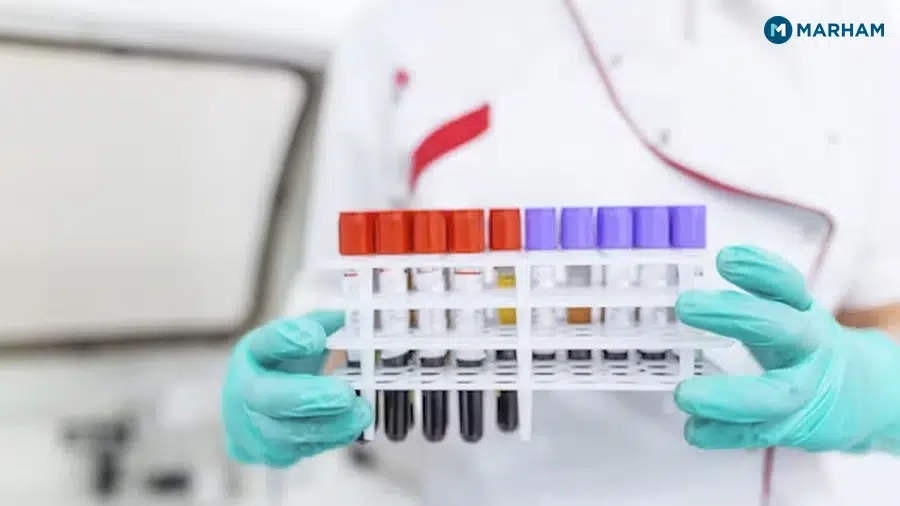
Understanding what each test looks for helps you take the results seriously rather than filing the report in a drawer.
| Test | What It Measures | Why It Matters in Pakistan |
|---|---|---|
| CBC (Complete Blood Count) | Red cells, white cells, platelets, haemoglobin | Detects anaemia, dengue, typhoid, infections |
| HbA1c | Average blood sugar over 3 months | Gold standard for diabetes screening and monitoring |
| LFT (Liver Function Tests) | ALT, AST, ALP, bilirubin | Flags hepatitis B, hepatitis C, fatty liver |
| TSH (Thyroid Stimulating Hormone) | Thyroid gland activity | Identifies hypothyroidism and hyperthyroidism |
| Lipid Profile | Cholesterol, LDL, HDL, triglycerides | Assesses heart disease risk |
| Urine Complete Examination | Protein, glucose, cells in urine | Screens for kidney disease, UTIs, diabetes |
| Creatinine / eGFR | Kidney filtration rate | Detects chronic kidney disease early |
The CBC deserves special mention in the Pakistani context. Numerous infectious diseases, including enteric fever, malaria, dengue fever, and COVID-19, are prevalent in Pakistan. All these diseases have overlapping clinical symptoms and can present a diagnostic challenge for the general practitioner. Since definitive testing for these disorders is time-consuming and expensive, basic clinical testing such as a complete blood count should be used to supplement clinical diagnosis when possible. A CBC in Lahore or Karachi during monsoon season is not just a routine check — it is a triage tool.
You can find a detailed breakdown of what each test costs at labs across Pakistan in the Lab Test Prices in Pakistan: CBC, LFT, Thyroid and HbA1c Rate List (2026).
Monitoring Chronic Conditions: Why One Test Is Never Enough
For anyone already managing a chronic illness, lab tests are not optional extras. They are the steering wheel.
A person with type 2 diabetes who skips their quarterly HbA1c check is essentially driving blind. The number tells the doctor whether the current dose of medication is working, whether the diet plan is having an effect, and whether kidney or eye complications are beginning to develop. Without it, adjustments happen too late.
The same applies to thyroid disease, which is common among Pakistani women. A TSH level that was normal two years ago can shift significantly after pregnancy, significant weight change, or a change in iodine intake from diet. Checking it annually catches those shifts before symptoms like fatigue, hair loss, or mood changes become severe.
Hypertension is another condition where labs matter beyond the blood pressure cuff. A lipid profile and creatinine test alongside a blood pressure reading tells the doctor whether the heart and kidneys are already under strain, which changes the treatment approach entirely.

How Lab Tests Support Accurate Diagnosis
Symptoms alone are often misleading. Fatigue can point to anaemia, hypothyroidism, depression, diabetes, or hepatitis. A doctor examining a tired patient without lab data is making an educated guess. With a CBC, TSH, fasting glucose, and LFT in hand, the guess becomes a diagnosis.
According to the American Association for Clinical Chemistry, laboratory test results influence approximately 70% of medical decisions, despite accounting for only a small fraction of healthcare costs. That figure reflects a clinical reality: the physical exam opens the conversation, but the lab report usually closes it.
This is especially relevant in Pakistan, where patients often present late and with multiple overlapping conditions. A 45-year-old man in Rawalpindi presenting with fatigue and mild jaundice could have hepatitis, haemolytic anaemia, gallstones, or early liver cirrhosis. The clinical picture alone cannot separate these. A targeted panel of tests can, usually within 24 hours.
If you want to understand how to read your own lab report without waiting for an appointment, the How AI Is Changing the Way Pakistanis Read Their Lab Reports explains how AI-assisted tools are making that easier.
How Often Should You Get Lab Tests in Pakistan?
Frequency depends on age, family history, and existing conditions. The general guidance from most clinical bodies is:
- Adults under 30 with no risk factors: A basic panel (CBC, fasting glucose, lipid profile, urine exam) every two years is reasonable.
- Adults aged 30 to 40: Annual CBC, fasting glucose or HbA1c, LFT, and TSH (especially for women). Check the Health Checkup in Your 30s: 9 Tests Every Pakistani Needs for a full age-specific list.
- Adults aged 40 and above: Annual testing becomes more important. Add a lipid profile, creatinine, and blood pressure monitoring. The Health Checkup in Your 40s: Tests Every Pakistani Needs covers what changes after 40.
- Anyone with diabetes, hypertension, or thyroid disease: Follow your doctor’s schedule, which is typically every 3 to 6 months for the relevant markers.
- Pregnant women: Iron studies, blood group, hepatitis B surface antigen, and urine culture are standard at the first antenatal visit.
- Before marriage: Thalassemia screening (CBC plus haemoglobin electrophoresis) and hepatitis B and C screening are strongly recommended by Pakistani medical bodies.
- After a fever or illness: A CBC and relevant infection markers (dengue NS1 antigen, Widal test for typhoid) help confirm recovery and rule out complications.
These are general guidelines. A doctor who knows your personal history will give you a more tailored schedule.
What to Do When Results Come Back Abnormal
An abnormal result is not a diagnosis on its own. Regardless of why you’re having a blood test, it’s important to remember that blood tests help healthcare providers diagnose health issues. But blood test results aren’t diagnoses. An abnormal blood test result may not mean you have a serious medical condition.
A slightly elevated ALT, for example, can reflect a fatty meal the night before, a strenuous workout, or early liver inflammation. Context matters. The right response to an abnormal result is to share it with a doctor promptly, not to search for the worst-case interpretation online.
Keep a physical or digital copy of every lab report you receive. Over time, a series of results tells a story that a single snapshot cannot. A creatinine level that is technically within the normal range but has been creeping upward over three years is a warning sign that a doctor comparing reports will catch, while a doctor seeing you for the first time will not.
When to See a Specialist About Your Lab Results
Some results warrant a specialist rather than a general physician. If your HbA1c comes back above 6.5%, a consultation with an endocrinologist in Pakistan is the appropriate next step. If your LFT shows persistently elevated enzymes alongside a positive hepatitis C antibody, a gastroenterologist should review the findings. Thyroid results outside the normal range, particularly in women who are pregnant or planning pregnancy, need specialist input.
A nutritionist in Pakistan can also be valuable when results show borderline blood sugar, elevated cholesterol, or low iron, since dietary changes are often the first and most effective intervention at that stage.
Do not wait for symptoms to worsen before seeking that second opinion. The whole point of catching something early is acting on it early.
Key Takeaways
- Lab tests detect diseases like diabetes, hepatitis C, and kidney disease before symptoms appear, when treatment is most effective.
- According to the International Diabetes Federation (2023), over 33 million Pakistani adults have diabetes, and many are undiagnosed — a routine HbA1c test can identify pre-diabetes years before complications develop.
- The CBC is a frontline diagnostic tool in Pakistan for separating dengue, typhoid, malaria, and anaemia, which all present with overlapping symptoms.
- Approximately 5 to 7% of Pakistanis carry the thalassemia gene, according to the National Institute of Blood Diseases — pre-marital screening can prevent thalassemia major in children.
- Lab test results influence roughly 70% of medical decisions globally, according to the American Association for Clinical Chemistry, yet they account for a small fraction of total healthcare costs.
- Keeping a personal record of all lab reports over time allows doctors to spot trends that a single result cannot reveal.
Get Expert Help from Marham
Getting a lab test done is only half the work. Understanding what the numbers mean for your specific situation, and deciding what to do next, is where a qualified doctor makes the difference. Many Pakistani patients receive abnormal results and either panic or ignore them, simply because they have no easy way to discuss the findings with a specialist.
Marham connects you with over 16,000 PMC-verified doctors across 155 cities in Pakistan, including endocrinologists in Pakistan and nutritionists in Pakistan who consult online. An online consultation starts from Rs 500 and typically takes 15 to 20 minutes. You can share your lab report directly during the call and get a clear explanation of what the results mean, whether further testing is needed, and what lifestyle or medical steps to take next.
Frequently Asked Questions
Why are lab tests important even when I feel healthy?
Many serious conditions, including diabetes, hepatitis C, high blood pressure, and early kidney disease, cause no symptoms in their early stages. Routine lab tests catch these conditions while they are still manageable, which is why doctors recommend testing even for people who feel completely well.
What blood tests should I get every year in Pakistan?
For most adults, an annual panel should include a CBC, fasting blood glucose or HbA1c, LFT, TSH, lipid profile, and urine complete examination. Your doctor may add or remove tests based on your age, family history, and any existing conditions.
Can lab tests detect cancer early?
Some cancers can be flagged through routine tests. A CBC may show abnormalities that prompt further investigation for blood cancers. Tumour markers like PSA for prostate cancer or CA-125 for ovarian cancer are specific tests ordered when there is clinical suspicion. No single routine test reliably screens for all cancers, so discuss your risk factors with your doctor.
What happens if I skip routine lab tests for years?
Conditions like pre-diabetes, fatty liver, and early kidney disease can progress silently over years without testing. By the time symptoms appear, the condition is often at a stage where treatment is more complex and outcomes are less favourable. Regular testing is the most practical way to avoid that scenario.
Is a CBC test enough for a general health checkup?
A CBC is a useful starting point, but it does not cover blood sugar, liver function, thyroid, or cholesterol. For a meaningful general health picture, a CBC should be paired with at least a fasting glucose or HbA1c, an LFT, and a TSH, especially for women over 30.
How accurate are lab tests in Pakistan?
Accuracy varies by laboratory. Established labs with quality assurance programmes and trained pathologists produce reliable results. Factors like sample handling, fasting compliance, and the timing of the test also affect accuracy. Using a reputable lab and following the preparation instructions your doctor gives you reduces the chance of a misleading result.
When should I see a doctor about my lab results?
See a doctor promptly if any result falls outside the reference range, if a result has been trending in the wrong direction over multiple tests, or if you have symptoms alongside an abnormal finding. Do not attempt to interpret results in isolation — a doctor who knows your history can put the numbers in proper context.
Lab Tests Importance in Urdu
لیبارٹری ٹیسٹ صحت کی حفاظت کا ایک اہم ذریعہ ہیں، خاص طور پر پاکستان میں جہاں ذیابیطس، ہیپاٹائٹس سی، اور تھیلیسیمیا جیسی بیماریاں بغیر کسی علامت کے سالوں تک پوشیدہ رہ سکتی ہیں۔ خون کا ٹیسٹ، پیشاب کا معائنہ، اور دیگر تشخیصی ٹیسٹ ڈاکٹر کو وہ معلومات فراہم کرتے ہیں جو صرف جسمانی معائنے سے حاصل نہیں ہو سکتیں۔ سال میں ایک بار بنیادی ٹیسٹ کروانا، جیسے کہ سی بی سی، ایچ بی اے ون سی، اور تھائرائیڈ ٹیسٹ، بیماری کو ابتدائی مرحلے میں پکڑنے کا سب سے مؤثر طریقہ ہے۔ اگر آپ کے ٹیسٹ کے نتائج غیر معمولی ہوں تو فوری طور پر کسی ماہر ڈاکٹر سے مشورہ کریں۔
Conclusion
Lab tests are not a response to illness. They are a tool for staying ahead of it. In Pakistan, where chronic diseases are rising, infectious diseases overlap in confusing ways, and many families carry genetic risks they are unaware of, a basic annual panel is one of the most practical health decisions an adult can make. The cost of a CBC, HbA1c, and LFT combined is a fraction of what a single hospitalisation costs. The information they provide is irreplaceable.