

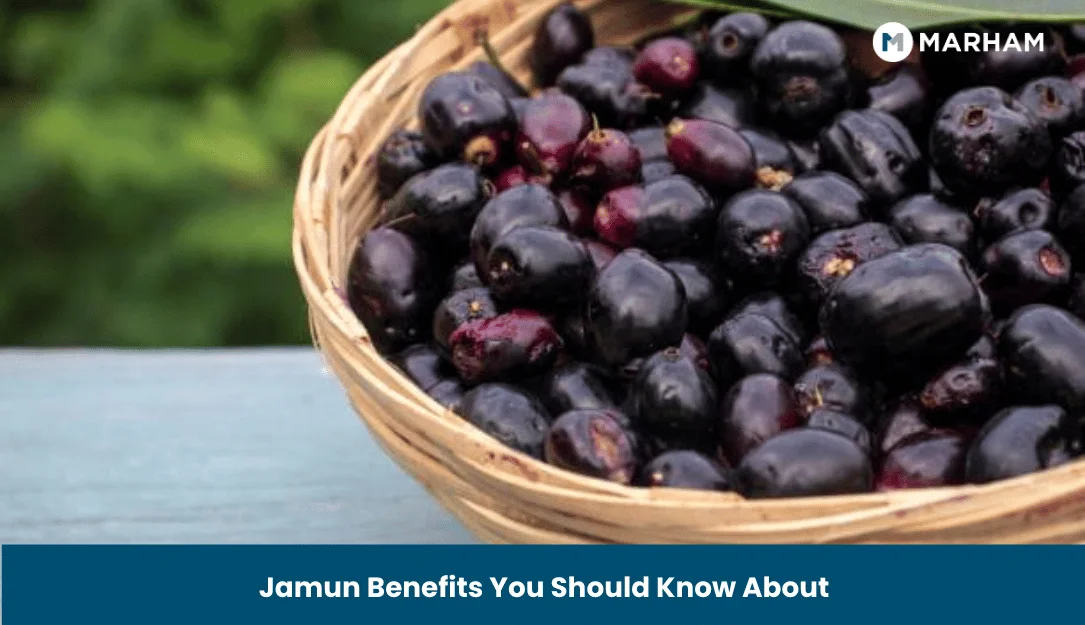
Jamun (Syzygium cumini) is a summer fruit with well-researched benefits for blood sugar control, digestion, immunity, and skin health. Available across Pakistan from May to July, it is one of the most accessible natural foods for people managing diabetes, weight, or general wellness. This guide covers jamun fruit benefits, jamun seed powder uses, and practical tips for eating it safely.
Jamun Nutrition Facts
What makes jamun so beneficial? Here is the nutritional breakdown per 100 grams of fresh jamun fruit:
| Nutrient | Amount |
| Calories | 60 |
| Water | 83% |
| Carbohydrates | 14g |
| Protein | 0.7g |
| Fat | 0.2g |
| Fiber | 0.6g |
| Vitamin C | 11.8mg |
| Iron | 0.2mg |
| Potassium | 79mg |
| Calcium | 19mg |
Jamun is also rich in anthocyanins, flavonoids, and polyphenols. These are powerful antioxidants that give the fruit its signature dark purple color and most of its health benefits.
Get personalised nutrition advice from a verified expert
Whether you are managing diabetes, weight, or general wellness, a Marham nutritionist can build a seasonal diet plan tailored to your needs, from the comfort of your home.
Find a Nutritionist Near YouBook online video consultation instead
10 Powerful Jamun Benefits
1. Controls Blood Sugar Levels
This is the most well-known benefit of jamun fruit. Jamun has a low glycemic index, meaning it releases sugar slowly into the bloodstream without causing sudden spikes. The fruit contains a compound called jamboline that slows the conversion of starch into sugar. For the millions of Pakistanis managing diabetes, adding jamun to your diet during summer can support better blood sugar control alongside your prescribed medication.
2. Improves Digestion
Jamun is a natural remedy for common digestive complaints. The fiber content helps promote regular bowel movements and prevents constipation. Its astringent properties also help with diarrhea and dysentery, which are common during Pakistan’s monsoon season. Eating a handful of jamun after lunch can keep your digestive system running smoothly.
3. Boosts Immunity
The vitamin C and antioxidants in jamun strengthen your immune system by fighting free radicals and supporting white blood cell production. Regular consumption during the summer months helps your body resist seasonal infections, fevers, and stomach bugs that are common in Pakistan’s hot weather.
4. Supports Heart Health
Jamun contains potassium and fiber that work together to support cardiovascular health. Potassium helps regulate blood pressure, while the antioxidants help reduce bad cholesterol (LDL) buildup in your arteries. For a country where heart disease is a leading health concern, this simple fruit offers meaningful protection.
5. Helps With Weight Management
At just 60 calories per 100 grams, jamun is an ideal snack for anyone watching their weight. The fiber keeps you feeling full longer and reduces unnecessary snacking. Instead of reaching for processed snacks during summer, a bowl of fresh jamun satisfies your sweet craving while keeping calories low.
6. Improves Skin Health
The antioxidants in jamun, especially anthocyanins and vitamin C, help fight signs of aging and promote clearer skin. They reduce oxidative stress that causes wrinkles and dark spots. Many people notice improved skin clarity after eating jamun regularly throughout the season. You can also apply jamun pulp mixed with honey as a face mask for added benefits.
7. Strengthens Bones and Teeth
Jamun provides calcium, potassium, and iron, all of which support bone density and overall skeletal health. Chewing jamun leaves has traditionally been used to strengthen gums and fight oral bacteria. For Pakistani women who are at higher risk of bone related issues, adding jamun to your summer diet is a smart move.
8. Fights Anemia
The iron content in jamun, combined with its vitamin C that boosts iron absorption, makes it beneficial for people with anemia. It supports healthy hemoglobin production and improves oxygen carrying capacity of the blood. This is especially important for women and children in Pakistan who are more prone to iron deficiency.
9. Protects Liver Health
Research shows that jamun fruit and seed extracts have antioxidant properties that may protect liver cells from damage. The fruit helps reduce oxidative stress in the liver and supports the body’s natural detoxification process. For anyone concerned about liver health, jamun is a natural and accessible option.
10. Reduces Inflammation
Jamun has anti inflammatory properties that can help reduce swelling and pain in joints and muscles. This makes it particularly helpful for people dealing with arthritis or general inflammatory conditions. Eating jamun regularly during the season may provide natural relief from chronic inflammation.
جامن کے فوائد | Jamun Benefits in Urdu
جامن ایک طاقتور پھل ہے جو گرمیوں میں پاکستان بھر میں دستیاب ہوتا ہے۔ یہ خون میں شکر کی سطح کو کنٹرول کرتا ہے اور ذیابیطس کے مریضوں کے لیے انتہائی مفید ہے۔ جامن ہاضمے کو بہتر بناتا ہے اور قبض اور دست دونوں میں فائدہ مند ہے۔ اس میں موجود وٹامن سی قوت مدافعت کو مضبوط کرتا ہے۔ جامن دل کی صحت، جلد کی خوبصورتی، اور ہڈیوں کی مضبوطی میں بھی مدد کرتا ہے۔ خون کی کمی میں جامن کا استعمال خاص طور پر فائدہ مند ہے کیونکہ اس میں آئرن اور وٹامن سی دونوں موجود ہیں۔ جامن کی گٹھلیوں کا پاؤڈر بھی ذیابیطس میں بہت مفید سمجھا جاتا ہے۔ روزانہ 100-150 گرام جامن کھانا صحت کے لیے بہترین ہے۔
Jamun Seed Powder Benefits | جامن گٹھلی پاؤڈر کے فوائد
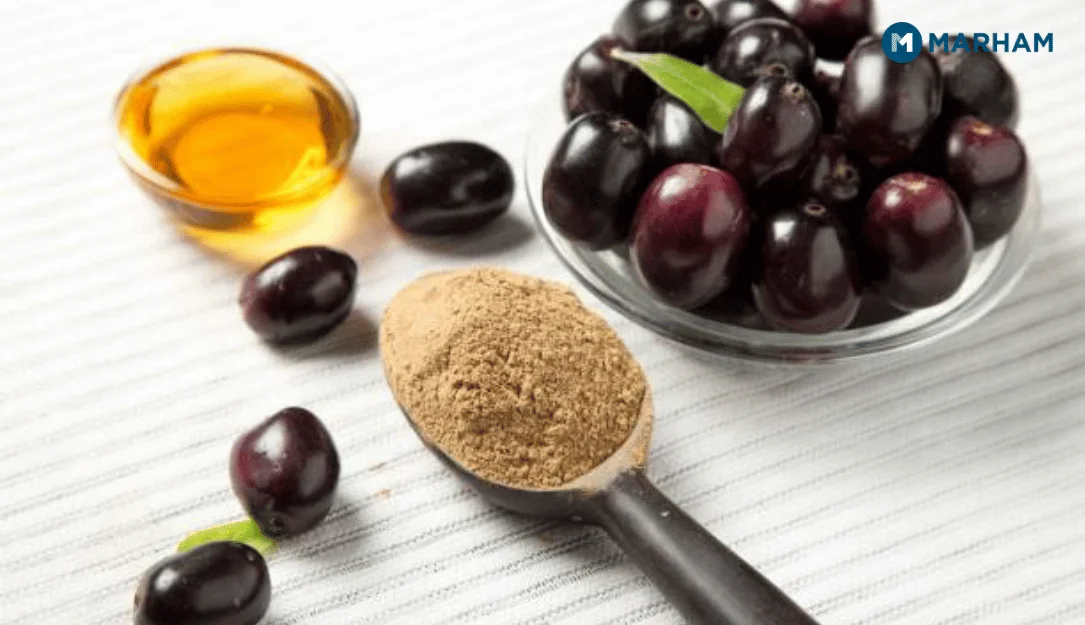
Don’t throw away the seeds. They are packed with health benefits. Jamun seed powder (jamun guthli powder) has been used in traditional medicine for generations, and modern research supports many of these uses.
Jamun seeds contain jamboline and jambosine, two compounds that help regulate blood sugar by slowing starch to sugar conversion. The seed powder also supports digestive health and may help with bloating, gas, and acidity.
How to make and use jamun seed powder: Collect jamun seeds, wash and dry them in sunlight for 3 to 4 days. Once completely dry, grind them into a fine powder. Store in an airtight container. Take half a teaspoon mixed with warm water on an empty stomach in the morning. You can gradually increase to one teaspoon daily.
Always consult your doctor before using jamun seed powder, especially if you are on diabetes medication, as it can further lower blood sugar levels.
How to Eat Jamun
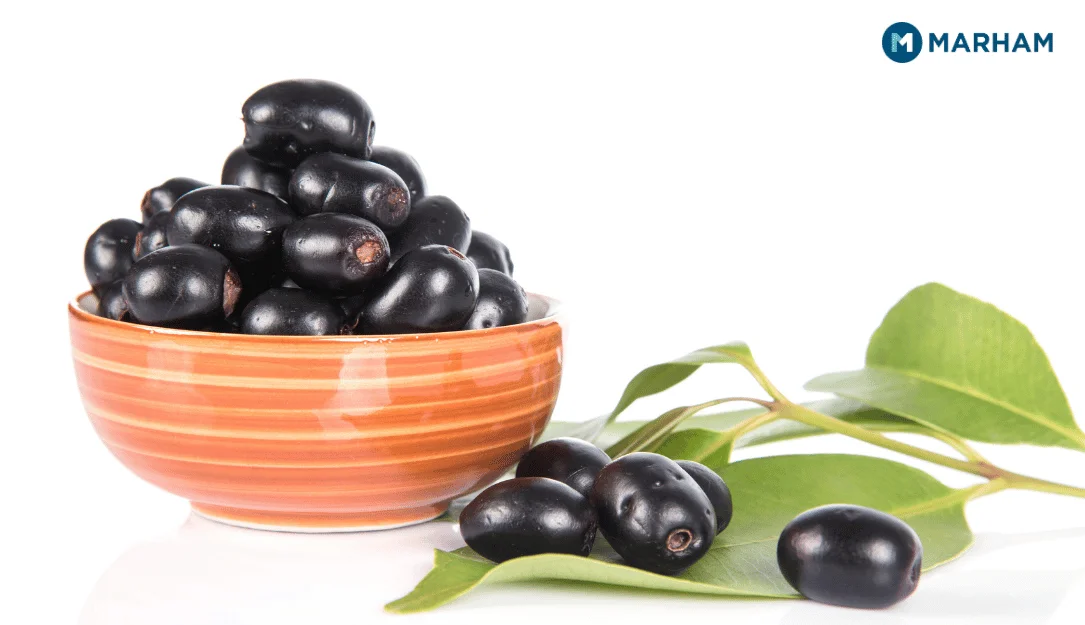
Jamun is versatile and easy to add to your daily routine during summer. Eat fresh jamun as a snack, sprinkled with a pinch of black salt for better taste and digestion. Blend it into smoothies or lassi for a refreshing summer drink. Make jamun chutney to pair with meals. Add it to fruit salads with other seasonal fruits. Drink fresh jamun juice in the morning for maximum nutrient absorption.
The best time to eat jamun is in the morning or as a midday snack. Avoid eating it on a completely empty stomach if you have acidity issues, and do not drink milk immediately after eating jamun.
Jamun Side Effects and Precautions
While jamun benefits are impressive, keep these precautions in mind. Eating too many jamun can cause acidity, constipation, or stomach discomfort. People on diabetes medication should monitor blood sugar closely, as jamun can lower levels further. Avoid eating jamun during or immediately before surgery due to its blood sugar lowering effects. Pregnant women should eat jamun in moderation and consult their doctor. The juice stains clothes and skin, so eat carefully.
Consult a Nutritionist
Want personalized advice on how to include jamun and other seasonal fruits in your diet for the best health results? A qualified nutritionist can create a plan based on your specific health needs, whether it’s diabetes management, weight loss, or general wellness.
Book an appointment with a nutritionist through Marham to get expert guidance on using natural foods safely and effectively.
Call: 0311-1222398 | Visit: marham.pk
Conclusion
Jamun is one of Pakistan’s most underrated superfruits. From controlling blood sugar and improving digestion to boosting immunity and supporting heart health, this small purple fruit delivers big results. Whether you eat it fresh, drink its juice, or use jamun seed powder, there are plenty of easy ways to enjoy jamun benefits this summer.
Make the most of jamun season, eat it regularly, and let this natural powerhouse support your health from the inside out.
Jamun Benefits for Diabetes Patients in Pakistan
Jamun is one of the most studied fruits for blood sugar management. The fruit and its seeds contain compounds called jamboline and jambosine that slow the conversion of starch into glucose, reducing post-meal sugar spikes. Research published in peer-reviewed journals confirms that jamun seed and fruit extracts can help regulate blood glucose and insulin levels.
For people in Pakistan managing Type 2 diabetes, jamun is a practical seasonal addition to a balanced diet. Its low glycemic index means it releases sugar slowly, making it safer than many other sweet fruits. The antioxidants, particularly anthocyanins, may also reduce oxidative stress linked to diabetic complications such as neuropathy and retinopathy.
- Eat fresh jamun as a midday snack instead of processed sweets.
- Use jamun seed powder (half a teaspoon in warm water on an empty stomach) as a traditional adjunct, not a replacement for prescribed medication.
- Monitor blood sugar closely if you are on diabetes medication, as jamun can lower levels further.
- Consult your doctor before making any dietary changes to your diabetes management plan.
If you have questions about incorporating jamun into your diabetes diet, a qualified nutritionist can build a personalised plan around your medication and lifestyle.
Jamun Benefits for Skin and Hair
Jamun is rich in vitamin C and anthocyanins, two antioxidants that protect skin cells from oxidative damage, reduce dark spots, and support collagen production. Regular consumption during the summer season may lead to clearer, more even-toned skin over time.
The fruit’s anti-inflammatory properties can also help calm acne-prone skin from within. Externally, a simple jamun pulp and honey face mask applied for 15 minutes can help brighten dull skin, though results vary by skin type.
- For oily or acne-prone skin: Apply mashed jamun pulp mixed with a few drops of rose water as a spot treatment.
- For dull skin: Mix jamun pulp with raw honey and apply as a face mask twice a week.
- For hair: The iron and vitamin C in jamun support healthy haemoglobin levels, which in turn supports scalp circulation and reduces hair fall linked to anaemia.
If you have persistent skin concerns such as acne, hyperpigmentation, or hair loss, a dermatologist can identify the root cause and recommend targeted treatment alongside dietary changes.
Who Should Avoid Jamun or Eat It With Caution
Jamun is safe for most healthy adults in moderate amounts (100 to 150 grams per day), but certain groups need to be careful.
- People on diabetes medication: Jamun actively lowers blood sugar. Combining it with medication without monitoring can cause hypoglycaemia. Always check with your doctor first.
- Pregnant women: Eat jamun in small amounts only. Large quantities are not recommended, and you should consult your gynaecologist before adding it regularly to your diet.
- People with acidity or GERD: Jamun’s astringent nature can worsen acid reflux in some people. Avoid eating it on a completely empty stomach.
- Pre-surgery patients: Avoid jamun for at least two weeks before any planned surgery, as it can affect blood sugar levels during anaesthesia.
- Children under 5: The seeds are a choking hazard. Always remove seeds before giving jamun to young children.
If you are unsure whether jamun is appropriate for your specific health condition, a general physician or nutritionist can give you personalised guidance based on your medical history.
Jamun vs Other Summer Fruits: How Does It Compare?
Pakistan’s summer brings a wide variety of fruits, but not all are equal for people managing blood sugar, weight, or digestive health. Here is how jamun stacks up against common alternatives.
- Jamun vs Mango: Mango is delicious but has a higher glycemic index and more calories (around 60 calories per 100g for jamun vs 60-65 for mango, but mango portions are typically much larger). For diabetes patients, jamun is the safer choice in comparable serving sizes.
- Jamun vs Watermelon: Watermelon is hydrating but has a high glycemic index. Jamun’s jamboline content gives it a clear edge for blood sugar control.
- Jamun vs Falsa: Both are low-calorie summer fruits with antioxidant properties. Falsa is higher in vitamin C, while jamun has stronger evidence for blood sugar regulation.
- Jamun vs Lychee: Lychee is higher in sugar and calories. Jamun is the better option for weight management and diabetes.
For a personalised summer diet plan that balances seasonal fruits with your health goals, a nutritionist can map out the right portions and combinations for you.
Online nutrition consultation from Rs 500
Marham connects you with 16,000+ PMC-verified doctors across 155 cities in Pakistan. Get expert dietary guidance for diabetes, weight management, or seasonal health, online or in-clinic. Pay online for in-clinic visits and save 10%.
Frequently Asked Questions
What are the main health benefits of eating jamun?
Jamun’s main benefits include blood sugar regulation, improved digestion, stronger immunity, better skin health, and support for heart health. The fruit contains jamboline and jambosine, which slow starch-to-sugar conversion, along with vitamin C, iron, potassium, and powerful antioxidants called anthocyanins. It is especially valued in Pakistan for its role in supporting diabetes management during the summer season.
Is jamun good for diabetes patients?
Yes, jamun is widely regarded as beneficial for people with Type 2 diabetes. Its low glycemic index and the compounds jamboline and jambosine help slow glucose absorption and reduce post-meal blood sugar spikes. However, it should be used alongside, not instead of, prescribed medication. Always consult your doctor before making dietary changes if you are on diabetes treatment.
What are the benefits of jamun seed powder (jamun guthli powder)?
Jamun seed powder helps regulate blood sugar by slowing starch-to-sugar conversion, supports digestive health, and may reduce bloating and acidity. To use it, dry the seeds in sunlight for 3 to 4 days, grind into a fine powder, and take half a teaspoon mixed with warm water on an empty stomach each morning. People on diabetes medication should consult their doctor before starting, as it can lower blood sugar further.
How much jamun should you eat per day?
A moderate daily amount of 100 to 150 grams of fresh jamun is generally considered safe for healthy adults. Eating more than this can cause acidity, stomach discomfort, or constipation. People with diabetes or other chronic conditions should confirm the right portion size with a nutritionist or general physician based on their individual health profile.
Who should not eat jamun?
People who should avoid or limit jamun include those on diabetes medication (due to additive blood sugar lowering effects), pregnant women (in large amounts), people with GERD or severe acidity, and patients scheduled for surgery within two weeks. Children under five should not eat whole jamun due to the choking risk from seeds. If you have a chronic condition, check with your doctor before adding jamun regularly to your diet.
Medically reviewed by Marham Medical Team. Updated July 2026.