


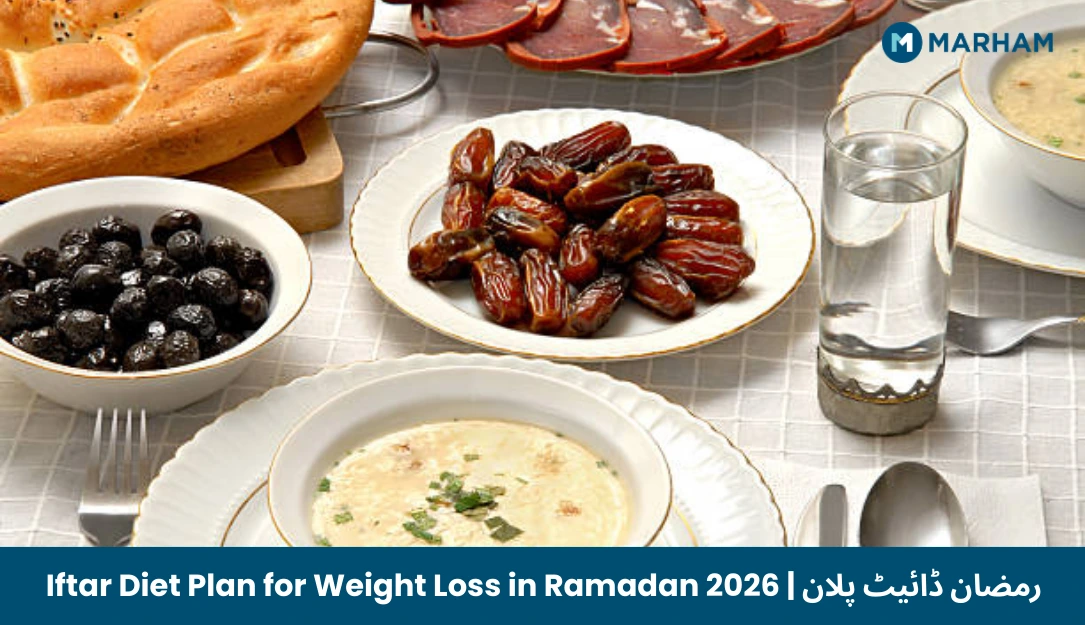
Every Ramadan, millions of Pakistanis have the same goal: lose some weight during the 30 days of fasting. And every Ramadan, most of us end up gaining weight instead. Why? Because the moment the azaan goes off at Maghrib, our iftar tables are loaded with samosas, pakoras, chana chaat dripping in oil, rolls, jalebis, and a tall glass of Rooh Afza. Sound familiar?
Here is the truth. Fasting for 14 to 16 hours is already doing half the work for you. Your body is burning stored fat during those long hours without food. But if your iftar diet plan is packed with fried and sugary foods every single evening, you are undoing all that progress before Isha even starts. The good news? You do not have to starve yourself or eat boring food. You just need a smarter iftar diet plan for weight loss that works with Pakistani foods, Pakistani taste buds, and the Ramadan routine your family already follows.
This guide gives you a complete Ramadan 2026 diet plan (رمضان ڈائیٹ پلان) for both sehri and iftar that is realistic, filling, and actually helps you drop weight without feeling weak during the fast.
Why Do Most Pakistanis Gain Weight in Ramadan?
Before jumping into the diet plan, let’s understand why weight gain happens during Ramadan even though you are literally not eating for most of the day.
The biggest reason is overeating at iftar. After a full day of fasting, your body craves quick energy, and fried foods deliver that instant satisfaction. But deep fried items like pakoras and samosas are extremely calorie dense. Just 5 or 6 pakoras can have over 400 calories, which is almost a full meal’s worth of energy packed into a snack you eat in 10 minutes.
The second problem is sugary drinks. That glass of sweetened Rooh Afza or commercial fruit juice can contain 200 or more calories of pure sugar. Your body processes this sugar rapidly, spikes your insulin, and then stores the excess as fat. Multiply that by 30 days and you can see why the scale goes up instead of down.
Third, most people skip sehri or eat very little. This slows down your metabolism during the day and makes you even hungrier at iftar, which leads to binge eating when you break your fast. A proper sehri is just as important as a healthy iftar if your goal is weight loss in Ramadan.
The Perfect Iftar Diet Plan for Weight Loss
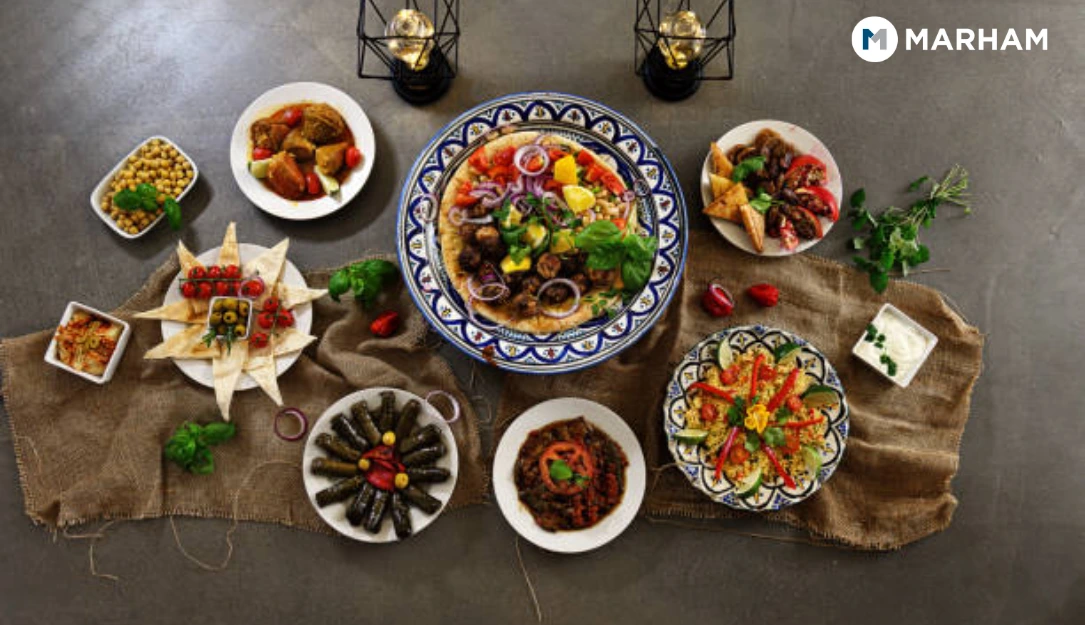
This iftar diet plan for weight loss is designed specifically for Pakistani families. Every food mentioned here is easily available, affordable, and fits naturally into a desi Ramadan routine. No fancy superfoods or imported ingredients needed.
Step 1: Break Your Fast the Sunnah Way (Maghrib Azaan)
Start with 1 to 2 dates and a glass of plain water. Dates give your body natural sugar for quick energy while the fiber keeps you from feeling that desperate urge to eat everything in sight. Sip the water slowly instead of gulping it down. This small habit alone prevents overeating because it gives your stomach time to signal your brain that food is coming.
After dates and water, go pray Maghrib. This 5 to 10 minute gap between breaking your fast and sitting down for a full meal is one of the most powerful weight loss tricks in Ramadan. When you come back to the table, you will notice that your extreme hunger has already calmed down significantly.
Step 2: Start with Soup or Salad
Before touching the main meal, have a bowl of warm soup or a fresh salad. Chicken corn soup, lentil soup (daal ka shorba), or a simple vegetable soup works perfectly. Soup is mostly water, so it fills your stomach without adding too many calories. It also helps with hydration after a long fast.
If you prefer salad, make a kachumber style mix with cucumber, tomato, onion, lemon juice, and a pinch of chaat masala. Add some boiled chickpeas (chana) for protein. This combination is filling, refreshing, and barely 100 to 150 calories for a full bowl.
Step 3: The Main Iftar Meal
This is where most people go wrong. Instead of treating iftar as a feast, think of it as a normal dinner. Your plate should follow a simple formula:
Half your plate should be vegetables or salad. One quarter should be lean protein like grilled chicken, baked fish, lentils (daal), or boiled eggs. The remaining quarter should be complex carbohydrates like one roti, a small portion of brown rice, or a boiled potato.
Here are some Pakistani iftar meal ideas that support weight loss:
Option 1: Grilled chicken tikka (boneless, no skin) with kachumber salad and one whole wheat roti. Add a bowl of plain dahi on the side. This entire meal is around 450 to 500 calories and is loaded with protein to keep you full until sehri.
Option 2: Daal (masoor or moong) cooked with minimal oil, paired with one roti and a side of mixed vegetable sabzi. Daal is rich in protein and fiber, making it one of the best weight loss foods available in any Pakistani kitchen.
Option 3: Chicken vegetable soup (homemade, not packet) with two small chapatis. Add boiled egg slices on top for extra protein. This light meal keeps your calorie count low while still feeling like a proper Ramadan dinner.
Option 4: Baked or grilled fish with steamed vegetables and a small serving of rice. Fish is low in calories and high in omega 3 fatty acids, which also support heart health. Squeeze some lemon on top and add green chutney for that desi kick.
Option 5: Chana chaat made with boiled chickpeas, diced onions, tomatoes, cucumber, lemon juice, and chaat masala. Skip the fried papri and sev. This version is filling, high in fiber, and tastes just as good without the extra oil and calories.
Step 4: Smart Snacking After Iftar
If you feel hungry between iftar and Taraweeh, or after Taraweeh prayers, choose smart snacks instead of reaching for leftover fried items. A handful of mixed nuts (10 to 12 almonds or walnuts), a small bowl of fruit chaat without cream, a glass of plain lassi, or a cup of green tea are all excellent choices.
Avoid going to the Ramadan bazaar hungry. If you must buy something, go for items like corn on the cob, roasted chana, or fresh fruit juice (without added sugar) instead of gol gappay, fried rolls, and sugary drinks.
Sehri Diet Plan for Weight Loss in Ramadan
Your sehri meal is the fuel that carries you through the entire fast. Skipping sehri or eating the wrong foods at sehri is one of the biggest mistakes people make when trying to lose weight in Ramadan.
A good sehri for weight loss should include three things: protein, fiber, and healthy fats. This combination digests slowly and keeps you feeling full for longer hours.
Sehri Option 1: Two eggs (boiled or scrambled in minimal oil) with one whole wheat paratha and a glass of plain lassi. Eggs are one of the best sehri foods because the protein keeps hunger away for hours. Skip the extra oil in the paratha by making it with a light brush of oil instead of deep frying.
Sehri Option 2: A bowl of oatmeal (daliya) cooked with milk, topped with a few almonds, a sliced banana, and a teaspoon of honey. Oats are a slow release carbohydrate, which means your body gets steady energy throughout the fasting hours instead of a quick spike and crash.
Sehri Option 3: One whole wheat roti with daal and a small bowl of plain yogurt (dahi). This is a classic Pakistani sehri that actually works perfectly for weight loss. The daal provides protein, the roti gives you carbs for energy, and the dahi keeps your gut healthy during the fast.
Sehri Option 4: A smoothie made with one banana, a handful of oats, a tablespoon of peanut butter, and milk. This is a quick option for those who struggle to eat solid food early in the morning. It is calorie controlled and packed with nutrients that sustain you through the day.
Always end sehri with a full glass of water. Hydration is critical for both weight loss and overall health during fasting. Avoid salty foods at sehri like pickles (achaar), processed foods, or very spicy items as they increase thirst throughout the day.
10 Foods to Include in Your Ramadan Weight Loss Plan
1. Dates (Khajoor)
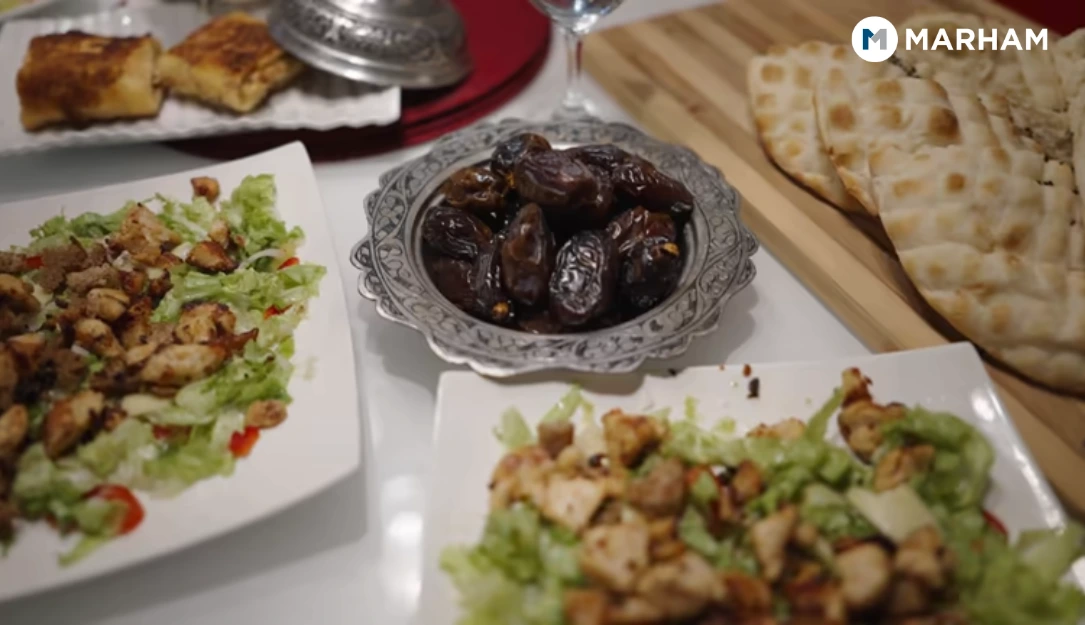
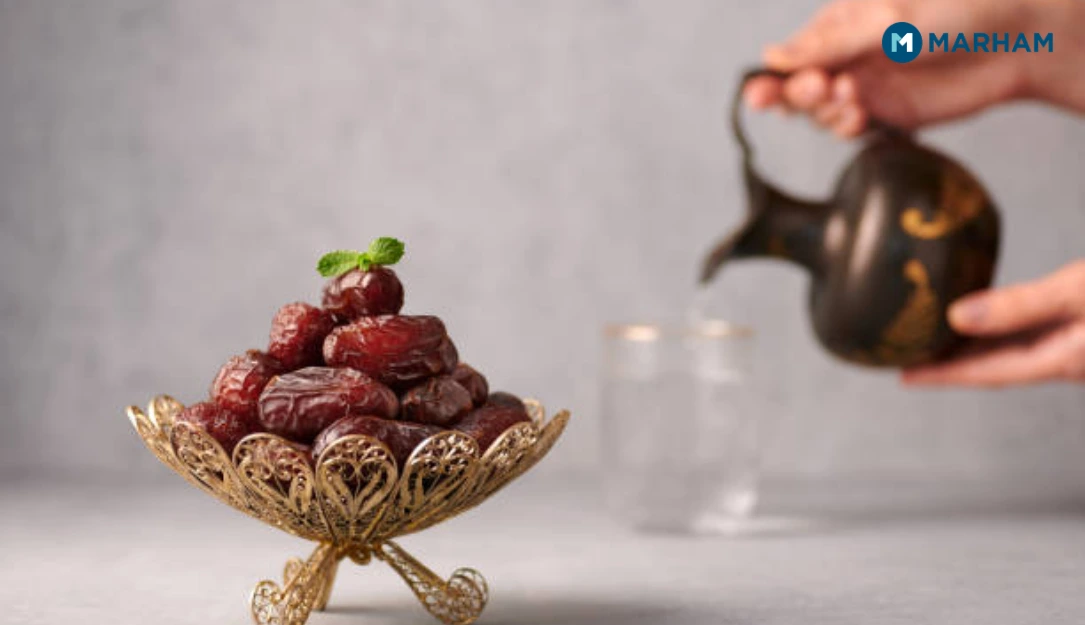
Dates are the Sunnah way to break your fast and they are genuinely one of the healthiest options available. They provide natural sugars, potassium, magnesium, and fiber. Two to three dates at iftar give your body immediate energy without the crash that comes from processed sugar. Just do not overdo it because dates are calorie dense, so limit yourself to 2 or 3 at iftar.
2. Eggs (Anday)
Eggs are a weight loss powerhouse. One large egg has about 70 calories with 6 grams of protein. They keep you full for hours, making them perfect for both sehri and iftar. Boil them, scramble them, or add them to a salad. They are cheap, available everywhere, and incredibly versatile.
3. Yogurt (Dahi)
Plain yogurt is a Ramadan essential. It is packed with probiotics that keep your digestion running smoothly, which is especially important when your eating schedule changes during fasting. A bowl of dahi at sehri or iftar helps with bloating, provides calcium and protein, and can be turned into raita or lassi for added variety.
4. Lentils (Daal)
Daal is arguably the most underrated weight loss food in Pakistani cuisine. It is loaded with protein and fiber, both of which keep you feeling satisfied for hours. Masoor daal, moong daal, and chana daal are all excellent options. Cook them with minimal oil, add turmeric, garlic, and tomatoes, and you have a meal that is both nutritious and delicious.
5. Chicken Breast
Chicken breast is one of the leanest protein sources available. 100 grams of grilled chicken breast contains roughly 165 calories and 31 grams of protein. Use it in tikka, in salads, in soups, or simply grilled with spices. During Ramadan, protein is your best friend because it prevents muscle loss while your body burns fat during fasting hours.
6. Oats (Daliya)
Oats are a slow digesting carbohydrate that provides sustained energy throughout the fast. They are perfect for sehri because they absorb water and expand in your stomach, keeping you full longer. Mix them with milk, fruits, and nuts for a complete breakfast that fuels your entire fasting day.
7. Fruits (Phal)
Fresh fruits like watermelon, apples, bananas, and oranges should be a part of your daily Ramadan diet. They provide natural sugars, vitamins, fiber, and water content that helps with hydration. Make a fruit chaat at iftar with chaat masala and lemon instead of cream and sugar for a refreshing, low calorie treat.
8. Vegetables (Sabziyan)
Fill your plate with vegetables at iftar. Whether it is a mixed sabzi, a salad, or a soup, vegetables are low in calories and high in fiber, vitamins, and minerals. Tinda, tori, bhindi, palak, and gobhi are all affordable vegetables available in every Pakistani market that can be cooked with minimal oil for a healthy Ramadan meal.
9. Nuts and Seeds (Dry Fruits)
A small handful of almonds, walnuts, or pumpkin seeds makes a perfect Ramadan snack. They are rich in healthy fats, protein, and fiber. Just be careful with portion sizes because nuts are calorie dense. Stick to about 10 to 12 almonds or a small handful of mixed nuts per day.
10. Green Tea (Sabz Chai)
Swap your regular doodh patti chai for green tea after iftar. Green tea boosts metabolism and aids in fat burning. It also helps with digestion after a meal. Have a cup after iftar or before bed. If you find the taste too plain, add a squeeze of lemon or a small amount of honey.
رمضان میں وزن کم کرنے کا ڈائیٹ پلان | Iftar Diet Plan in Urdu
رمضان میں وزن کم کرنا مشکل نہیں ہے اگر آپ اپنی سحری اور افطاری میں صحیح غذائیں شامل کریں۔ افطاری کی شروعات کھجور اور پانی سے کریں اور مغرب کی نماز کے بعد اصل کھانا کھائیں۔ تلی ہوئی چیزوں کی بجائے گرلڈ چکن، دال، سلاد، اور سبزیاں کھائیں۔ سحری میں انڈے، دہی، دلیہ، یا روٹی دال کھائیں تاکہ دن بھر توانائی رہے اور بھوک کم لگے۔ شوربے اور سلاد سے افطاری شروع کرنے سے پیٹ بھر جاتا ہے اور آپ کم کھاتے ہیں۔ میٹھے مشروبات اور پیکٹ والے جوس سے پرہیز کریں کیونکہ ان میں بہت زیادہ شوگر ہوتی ہے۔ روزانہ 8 سے 10 گلاس پانی افطاری سے سحری تک ضرور پئیں۔ ہلکی پھلکی ورزش جیسے تراویح کے بعد واک کرنا بھی وزن کم کرنے میں مدد دیتا ہے۔ اگر آپ 30 دن تک اس پلان پر عمل کریں تو رمضان کے بعد آپ کو واضح فرق نظر آئے گا۔
Sample 7 Day Iftar Diet Plan for Weight Loss
Here is a practical weekly iftar diet plan for weight loss that uses everyday Pakistani foods. Each meal is designed to keep you under 600 calories at iftar while ensuring you get enough protein, fiber, and nutrients.
| Day | Iftar Meal | Approximate Calories |
| Monday | Chicken corn soup + 1 roti + kachumber salad | 450 |
| Tuesday | Grilled chicken tikka + mixed salad + dahi | 500 |
| Wednesday | Moong daal + 1 roti + sauteed tori | 420 |
| Thursday | Baked fish + steamed vegetables + small rice portion | 480 |
| Friday | Chana chaat (no fried papri) + fruit salad + lassi | 400 |
| Saturday | Chicken karahi (low oil) + 1 roti + raita | 550 |
| Sunday | Egg fried rice (minimal oil) + vegetable soup | 470 |
Start every single day with 2 dates, water, and then Maghrib prayer before sitting down for the main meal. This routine alone can cut your daily calorie intake by 200 to 300 calories compared to eating everything at once the moment the azaan sounds.
Iftar Foods to Avoid for Weight Loss
If you are serious about following an iftar diet plan for weight loss, there are certain foods you need to limit or avoid entirely during Ramadan 2026.
Deep fried items like pakoras, samosas, and spring rolls are the biggest culprits. Yes, they are delicious. Yes, they are a Ramadan tradition. But even 4 to 5 pieces can add 300 to 500 extra calories to your iftar. If you absolutely cannot resist, limit fried items to once or twice a week, not every single day.
Sugary drinks including sweetened juices, carbonated drinks, and sweetened milk shakes are essentially liquid calories that do nothing for your hunger but spike your blood sugar instantly. Replace them with plain water, fresh lemon water, or unsweetened lassi.
White rice in large portions is another common mistake. A mountain of white rice with korma might feel satisfying, but it is a calorie bomb that converts to sugar quickly in your body. If you want rice, have a small portion of brown rice or switch to one roti instead.
Desserts every night will derail your weight loss plan fast. Gulab jamun, jalebi, kheer, and ras malai are all extremely high in sugar and calories. Save sweets for weekends or special dawats instead of making them a daily habit.
Processed and packaged foods like chips, biscuits, instant noodles, and ready made rolls are convenient but terrible for weight loss. They are loaded with sodium, unhealthy fats, and empty calories that leave you hungry again within an hour.
Exercise Tips During Ramadan for Weight Loss
You do not need to do intense gym workouts during Ramadan to lose weight. In fact, pushing yourself too hard while fasting can backfire and cause dehydration and fatigue. The key is gentle, consistent movement.
The best time to exercise during Ramadan is about 1 to 2 hours after iftar, when your body has been refueled and hydrated. A 20 to 30 minute brisk walk after iftar is enough to boost your metabolism and burn extra calories. If you already go for Taraweeh prayers, that standing and movement during the prayer itself counts as light physical activity.
Some people prefer exercising just before iftar so their body burns maximum fat in a fasted state. If you choose this route, keep it very light, like a 15 minute walk, and break your fast immediately after with dates and water.
Avoid heavy weightlifting, running, or high intensity workouts during fasting hours. Your body is already under stress from not eating and drinking, and pushing it further can cause muscle breakdown, dizziness, and dehydration.
How Much Weight Can You Lose in Ramadan?
With a consistent iftar diet plan for weight loss and light daily exercise, most people can realistically expect to lose 3 to 5 kilograms (approximately 7 to 11 pounds) over 30 days of Ramadan. Some people lose more, especially if they have significant weight to lose and follow the plan strictly.
The key is consistency. One healthy iftar followed by three days of fried food feasts will not give you results. You need to commit to the plan for the full month. Think of Ramadan as a 30 day reset for your eating habits. Many people find that the discipline they build during Ramadan carries over into their eating habits after Eid as well.
Remember that weight loss is not just about the number on the scale. You may also notice reduced bloating, better energy levels, improved digestion, clearer skin, and better sleep quality when you follow a balanced Ramadan diet plan.
Common Mistakes That Prevent Weight Loss in Ramadan
Skipping sehri. When you skip sehri, your metabolism slows down and your body goes into conservation mode. This means it stores more fat instead of burning it. Always eat sehri, even if it is just a banana, some yogurt, and water.
Eating too fast at iftar. After a long fast, it is natural to want to eat quickly. But eating too fast means your brain does not have time to register fullness, so you end up eating way more than your body needs. Eat slowly, chew your food properly, and take breaks between bites.
Drinking too little water. Dehydration slows down your metabolism and makes your body hold onto water weight. Aim for 8 to 10 glasses of water between iftar and sehri. Keep a water bottle next to you during Taraweeh to sip between sets of rakaat.
Sleeping right after eating. Going to bed immediately after a heavy meal means your body stores those calories instead of burning them. Try to keep a gap of at least 2 hours between your last meal and bedtime.
Relying on willpower alone. The best strategy is meal planning. Decide what you will cook for iftar and sehri before Ramadan starts. When healthy food is already prepared and on the table, you are far less likely to reach for fried items or order food from outside.
Book a Nutritionist on Marham
Every body is different, and what works for one person may not work for another. If you have diabetes, thyroid issues, high blood pressure, or any other health condition, following a generic diet plan without professional guidance can do more harm than good.
Book a consultation with a qualified nutritionist through Marham and get a personalized Ramadan diet plan that is tailored to your body, your health conditions, and your weight loss goals. A nutritionist can help you figure out exactly how many calories you should eat at sehri and iftar, which foods to focus on, and how to manage your energy levels throughout the fast.
Call 0311 1222398 or visit Marham.pk to book your appointment before Ramadan 2026 begins.
Conclusion
Ramadan 2026 can be the turning point for your health and weight if you approach it with a plan. The fasting is already doing the hard work by giving your body extended hours to burn stored fat. All you need to do is support that process with a smart iftar diet plan for weight loss that includes lean proteins, fiber rich foods, plenty of water, and limited fried and sugary items.
You do not have to give up taste or Pakistani food. Grilled chicken, daal, yogurt, fruits, and homemade soups are all part of our cuisine and they are all weight loss friendly. Start with small changes this Ramadan. Replace one fried item with a grilled option. Swap sugary drinks for water and lemon. Add a salad before your main meal. These small steps add up over 30 days.
And if you need personalized guidance, consult a nutritionist through Marham to make sure your Ramadan diet plan is safe and effective for your specific health needs. Ramadan Mubarak, and here is to a healthier you by Eid!
