

Getting a blood test back with an unfamiliar number next to “Hb” or “Hemoglobin” is one of the most common reasons Pakistani patients search for answers online. Whether your CBC report shows 10.2 g/dL or 16.8 g/dL, the first question is always the same: is this normal for me?
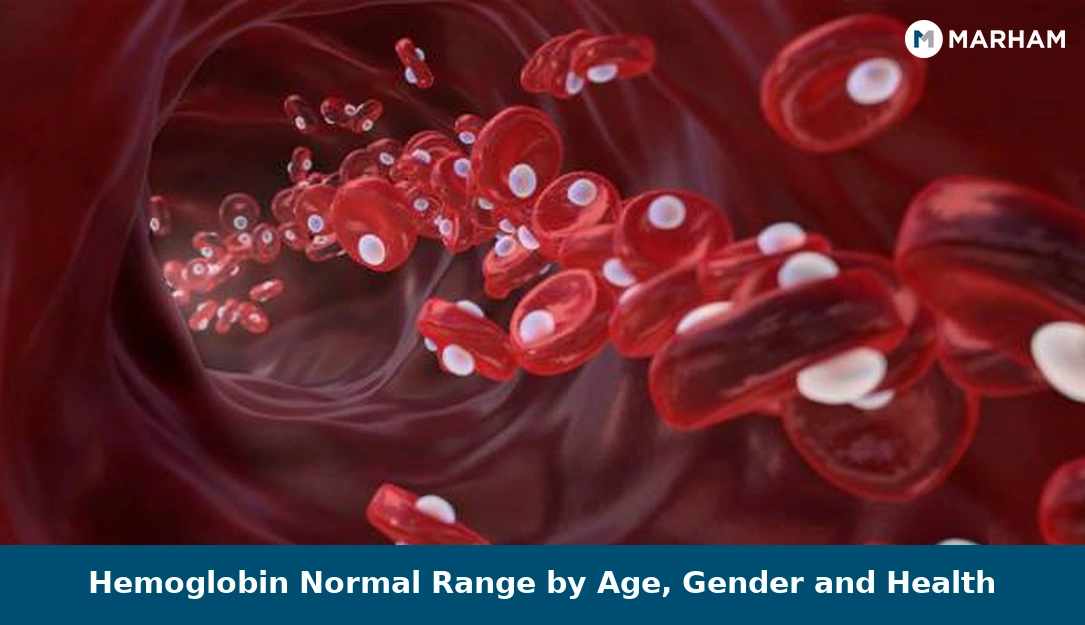
Hemoglobin is the iron-containing protein inside red blood cells that carries oxygen from your lungs to every tissue in your body. Your level depends on your age, sex, and whether you are pregnant, so a single universal number doesn’t apply to everyone. Understanding where you fall matters because low hemoglobin, a condition called anemia, is remarkably common in Pakistan. According to the WHO Global Health Observatory, roughly 41% of non-pregnant Pakistani women of reproductive age have hemoglobin levels below the normal threshold.
ہیموگلوبن: اہم نکات
ہیموگلوبن خون کے سرخ خلیوں میں پایا جانے والا ایک پروٹین ہے جو پورے جسم میں آکسیجن پہنچاتا ہے۔ مردوں کے لیے نارمل سطح 13.5 سے 17.5 گرام فی ڈیسی لیٹر اور خواتین کے لیے 12.0 سے 15.5 گرام فی ڈیسی لیٹر ہوتی ہے۔ پاکستان میں خون کی کمی یعنی انیمیا بہت عام ہے، خاص طور پر خواتین اور بچوں میں۔ اگر آپ کی رپورٹ میں ہیموگلوبن کی سطح کم یا زیادہ ہو تو فوری طور پر ڈاکٹر سے رجوع کریں۔
Hemoglobin Normal Range by Age and Gender
Normal hemoglobin levels are not one-size-fits-all. They shift across different life stages and differ between males and females. The values below are based on reference ranges published by MedlinePlus (U.S. National Library of Medicine) and the NCBI Clinical Methods guide.
| Group | Normal Hemoglobin Range (g/dL) |
|---|---|
| Adult men | 13.5 to 17.5 |
| Adult women | 12.0 to 15.5 |
| Pregnant women | 11.0 to 14.0 |
| Children (6 to 12 years) | 11.5 to 13.5 |
| Infants (6 months to 2 years) | 10.5 to 13.5 |
| Newborns | 14.0 to 24.0 |
Men generally run higher because testosterone stimulates red blood cell production. Women have lower ranges partly due to monthly menstrual blood loss, which reduces iron stores over time. Newborns start very high because fetal hemoglobin is designed to pull oxygen from the mother’s blood, but levels drop naturally within the first few months of life.
One important note: reference ranges can vary slightly between laboratories. Always read your result against the reference interval printed on your own CBC report. If your lab lists a different range, use theirs. You can learn more about what a CBC blood test covers and its normal ranges in a separate guide.
What Low Hemoglobin Means (Anemia)
Low hemoglobin, called anemia, is defined by the WHO as a level below 13 g/dL in adult men and below 12 g/dL in non-pregnant adult women. It is the most common blood abnormality seen in Pakistani clinical practice.
The most frequent causes in Pakistan include:
- Iron deficiency, often from a diet heavy in roti and dal with little red meat or leafy greens
- Frequent tea consumption with meals, which reduces iron absorption
- Heavy or prolonged menstrual periods in women
- Repeated pregnancies with short intervals between them
- Thalassemia trait, a hereditary condition more prevalent in South Asian populations
- Vitamin B12 or folate deficiency
- Chronic diseases such as kidney disease or inflammatory conditions
Symptoms of low hemoglobin can include persistent fatigue, paleness of the inner eyelids or fingernail beds, shortness of breath on mild exertion, dizziness, and difficulty concentrating. Some people, especially those with mild anemia, may notice no symptoms at all.
According to Pakistan’s National Nutrition Survey 2018, iron deficiency anemia affects around 29% of children under five and 18% of women of reproductive age in the country.
What High Hemoglobin Means
A hemoglobin level above 17.5 g/dL in men or above 15.5 g/dL in women is considered elevated. This is less common than anemia but still warrants investigation.
Possible causes include:
- Dehydration, which concentrates the blood and artificially raises the reading
- Living at high altitude, such as parts of Gilgit-Baltistan, where lower oxygen levels push the body to produce more red blood cells
- Smoking, which reduces oxygen delivery and triggers compensatory red cell production
- Chronic lung disease or severe sleep apnea
- A rare bone marrow condition called polycythemia vera
Mild elevation due to dehydration often corrects itself with adequate fluid intake. Persistent high levels need a doctor’s evaluation.
Hemoglobin in Pregnancy: A Special Case
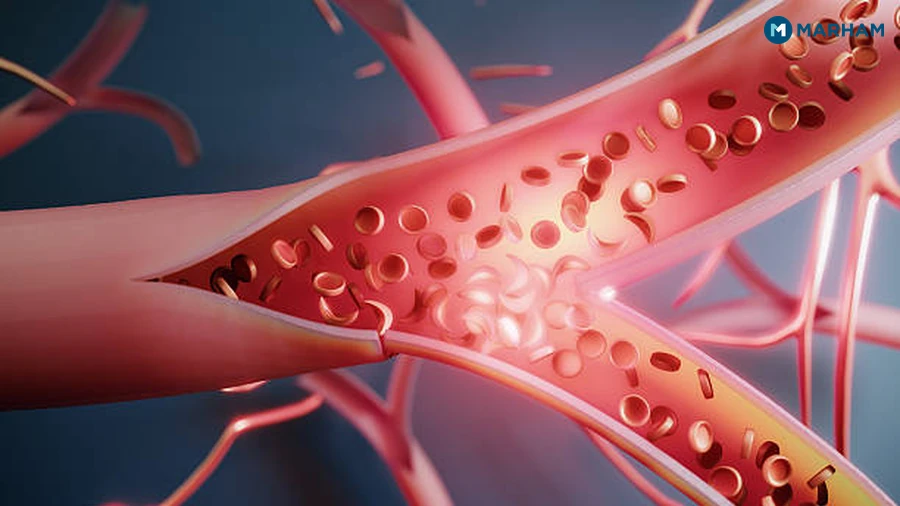
Pregnancy lowers hemoglobin naturally because blood volume expands faster than red cell production can keep up. The WHO defines anemia in pregnancy as a hemoglobin level below 11.0 g/dL. Levels between 11.0 and 14.0 g/dL are generally considered acceptable during pregnancy, though your obstetrician will monitor trends across trimesters.
Anemia during pregnancy in Pakistan is a real concern. A study published in the journal Food and Nutrition Bulletin (2008) found that over 90% of pregnant women attending an urban clinic in Hyderabad had hemoglobin levels below 11 g/dL, with the majority having mild anemia. Iron and folate supplementation, prescribed by a doctor, is the standard approach.
How to Increase Hemoglobin: Diet and Practical Steps
For mild iron deficiency anemia, dietary changes can support recovery alongside any treatment your doctor recommends. These steps are grounded in what actually works in a Pakistani household:
- Add iron-rich foods daily. Red meat (beef, mutton), chicken liver, and dark leafy greens like spinach (palak) are among the best sources available in Pakistani markets.
- Pair iron with vitamin C. Eating a small portion of tomato or a few drops of lemon juice with an iron-rich meal increases absorption. A glass of fresh lemon water with lunch is an easy habit.
- Separate tea from meals. Chai consumed within an hour of eating significantly reduces iron absorption. Shift your tea to at least one hour after a meal.
- Include lentils and legumes. Dal (lentils) and chana (chickpeas) contain non-heme iron. They are not as absorbable as meat iron, but they contribute meaningfully when eaten consistently.
- Ask your doctor about iron supplements. Over-the-counter iron tablets are widely available in Pakistan at PKR 200 to 500 per pack, but taking them without knowing the cause of your anemia can mask other conditions. Get a CBC and iron studies first.
- Check for thalassemia trait if anemia keeps recurring. This is especially relevant in Sindh and Punjab, where carrier rates are higher. A hemoglobin electrophoresis test, available at most labs in Karachi and Lahore for around PKR 1,500 to 2,500, can confirm it.
Hemoglobin A1c: A Different Test
You may see “HbA1c” on a report alongside hemoglobin. These are two completely different tests. HbA1c, also called glycated hemoglobin, measures average blood sugar control over the past two to three months and is used to monitor or diagnose diabetes. It is not a measure of how much hemoglobin you have. A normal HbA1c is generally below 5.7%. You can read more about normal blood sugar levels before and after eating if that result is also on your report.
When to See a Doctor About Your Haemoglobin
A single mildly low reading does not always require urgent action, but some situations do need prompt professional evaluation. See a doctor if your haemoglobin is below 10 g/dL, if you feel breathless or faint, if your level keeps falling despite dietary changes, or if you are pregnant with a reading below 11 g/dL. Haematologists and general physicians in Pakistan routinely manage anaemia, and a nutritionist in Pakistan can help build a practical iron-rich diet plan tailored to your household meals.
Get Expert Help from Marham
Reading a blood test result on your own can only tell you so much. If your hemoglobin is outside the normal range, the next step is understanding why, and that requires a proper history, examination, and sometimes additional tests like serum ferritin, B12, or a peripheral blood smear.
Marham connects you with verified nutritionists in Pakistan who can review your CBC results and advise on dietary corrections through online consultations, from anywhere in Pakistan. A short consultation typically takes 15 to 20 minutes and can clarify whether your level needs medication, a diet change, or further investigation.
Frequently Asked Questions
What is the normal hemoglobin level for women in Pakistan?
For adult women, a normal hemoglobin level is 12.0 to 15.5 g/dL, according to standard clinical references including MedlinePlus. During pregnancy, the acceptable range is slightly lower, starting from 11.0 g/dL.
What is the normal hemoglobin level for men?
For adult men, the normal range is 13.5 to 17.5 g/dL. Men run higher than women largely because testosterone stimulates red blood cell production.
Is 11 g/dL hemoglobin normal?
For a non-pregnant adult woman, 11 g/dL is below the normal threshold and may indicate mild anemia. For a pregnant woman, it sits at the lower acceptable limit. A doctor should evaluate the cause rather than relying on diet changes alone.
What causes low hemoglobin in Pakistan?
The most common causes are iron deficiency from a low-meat diet, heavy menstrual periods, frequent pregnancies, and thalassemia trait. Habitual tea consumption with meals also reduces iron absorption and is a contributing factor seen frequently in Pakistani patients.
How can I increase my hemoglobin quickly?
There is no instant fix, but combining iron-rich foods (red meat, chicken liver, spinach) with vitamin C, separating tea from meals, and taking doctor-prescribed iron supplements typically raises levels within four to eight weeks. Self-medicating without knowing the cause is not advisable.
What is the hemoglobin normal range for children?
For children aged 6 to 12 years, the normal range is roughly 11.5 to 13.5 g/dL. Levels below 11.5 g/dL in this age group may indicate anemia and should be assessed by a paediatrician.
What is the difference between hemoglobin and HbA1c?
Hemoglobin measures the oxygen-carrying protein in your red blood cells. HbA1c measures how much glucose has attached to hemoglobin over the past two to three months and is used to assess blood sugar control in diabetes. They are reported on the same CBC form but test entirely different things.
Conclusion
Knowing your hemoglobin normal range is a practical first step toward understanding a CBC result, but the number alone does not tell the full story. Context matters: your age, sex, pregnancy status, diet, and any underlying conditions all shape what a result means for you. If your level falls outside the ranges in this guide, or if symptoms like fatigue and breathlessness are affecting your daily life, a proper clinical evaluation is the right next move.