

Karachi in June is a different world from the rest of the year. Temperatures cross 38°C, humidity sits above 70%, and most people spend their days in sweat-soaked clothes. That combination is exactly what skin fungi are waiting for. From the groin to the feet to the back, fungal infections spike every summer across Pakistan, yet many people spend weeks treating them with the wrong cream.
A study reviewing 863 patients at Aga Khan University Hospital Karachi found tinea cruris (jock itch) was the single most common superficial fungal infection, making up over 27% of all cases. A separate Lahore study reported a prevalence of roughly 35% for fungal skin infections in urban populations. Dermatology clinics in Karachi and Lahore report a 40 to 60% rise in patient visits during summer, per the Journal of Pakistan Medical Association, 2022.
This guide explains the types Pakistani patients encounter most, how to tell them apart, what actually works for treatment, and the one mistake that keeps infections coming back for months.
Quick Answer
Fungal infection on skin in summer happens when heat and sweat create the warm, moist conditions that fungi need to grow. The most common types in Pakistan are tinea (ringworm, jock itch, athlete’s foot) and tinea versicolor (safaid daagh). Most mild infections respond to over-the-counter antifungal creams within 2 to 4 weeks, but a doctor’s prescription is needed for widespread or recurring cases. Never apply a steroid cream — it makes fungal infections significantly worse.
گرمیوں میں جلد کی فنگل انفیکشن | Garmiyon Mein Jild Ki Fungal Infection
گرمیوں میں پاکستان کی گرم اور مرطوب آب و ہوا جلد پر فنگس کو تیزی سے بڑھاتی ہے، خاص طور پر جسم کی تہوں میں جیسے کہ کمر، پیٹ کے نیچے اور پیروں میں۔ دادر (رنگ ورم)، جاک اِچ (کمر کی خارش) اور سفید داغ (ٹینیا ورسیکلر) سب سے عام اقسام ہیں۔ ہلکی انفیکشن کے لیے کلوٹریمازول یا ٹربینافائن کریم دو سے چار ہفتے تک استعمال کی جاتی ہے۔ سٹیرائیڈ کریم کبھی استعمال نہ کریں کیونکہ یہ انفیکشن کو مزید پھیلا دیتی ہے۔ اگر انفیکشن وسیع ہو یا بار بار ہو تو ڈرماٹولوجسٹ سے مشورہ ضروری ہے۔
Why Summer Makes Fungal Skin Infections Worse in Pakistan
Fungi responsible for skin infections, mainly dermatophytes and Candida yeast, thrive at temperatures between 25°C and 30°C with high moisture. Pakistani summers deliver both in abundance. Sweat trapped under tight shalwar kameez, synthetic fabrics, or a dupatta sitting on damp skin creates a microclimate fungi love.
Three conditions come together during the hot months in Lahore, Islamabad, and coastal Karachi: prolonged heat, sweat that can’t evaporate, and skin-on-skin contact in body folds. People who commute long distances, work outdoors, or wear closed shoes all day are at higher risk. Those managing diabetes are especially vulnerable because high blood sugar impairs the skin’s natural defenses and makes fungal overgrowth more likely.
Common Types of Fungal Skin Infections in Pakistan
Not every itchy rash is the same infection. Knowing the type helps you pick the right treatment and avoid wasting weeks on the wrong one.
| Type | Local Name | Where It Appears | Key Feature |
|---|---|---|---|
| Tinea corporis (Ringworm) | Daad | Arms, chest, back | Ring-shaped red patch with raised, scaly edge |
| Tinea cruris (Jock itch) | Surkhabi / Kharish | Groin, inner thighs | Red, intensely itchy rash; worse with sweating |
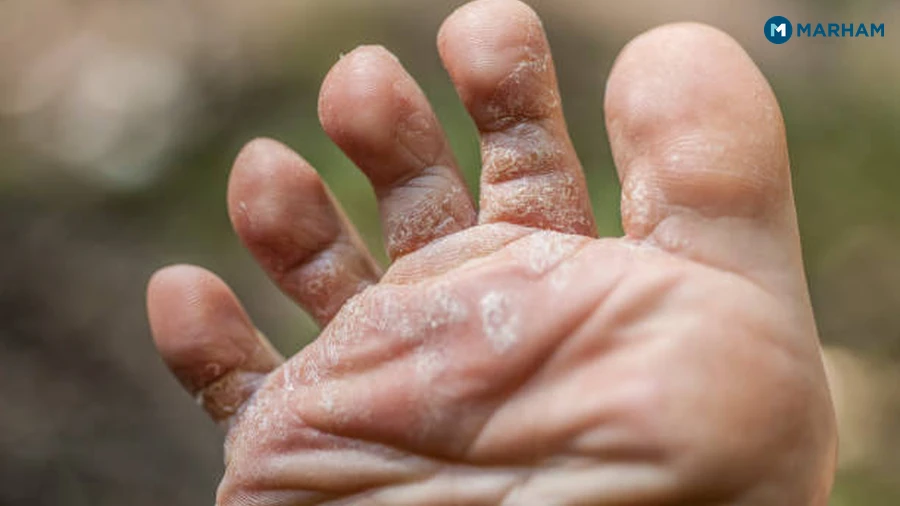
| Tinea pedis (Athlete’s foot) | Paon ki kharish | Between toes, soles | Peeling, burning, cracking skin |
| Tinea versicolor | Safaid daagh | Chest, back, shoulders | Light or dark discoloured patches; not ringworm |
| Cutaneous candidiasis | Candida | Skin folds, underarms, under breasts | Moist red rash, sometimes with white patches |
| Tinea capitis | Sar ki kharish | Scalp | Scaly patches, hair breakage; common in children |
Tinea versicolor deserves a special mention because it’s widely misunderstood in Pakistan. Many people assume the light patches on their chest or back are a pigmentation problem or vitiligo. They’re not. Tinea versicolor is caused by an overgrowth of Malassezia yeast that naturally lives on skin; hot, oily skin in summer triggers the overgrowth. The patches don’t itch much, which is why people delay treatment for months.
Symptoms of Fungal Infection on Skin: What to Look For
Symptoms vary by type, but several signs point clearly to a fungal cause rather than eczema or a heat rash.
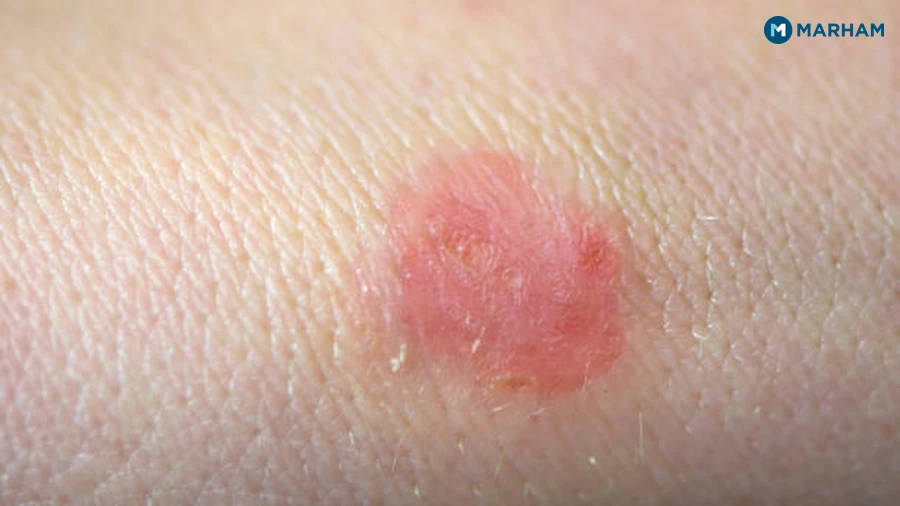
- Ring-shaped or circular red patch with a raised, scaly border (ringworm)
- Intense itching that gets worse after sweating or bathing
- Skin that is red, cracked, or peeling, especially between the toes
- Light or dark patches on the chest or back that don’t tan evenly (tinea versicolor)
- A moist, red rash in body folds with a clear edge and possible small satellite spots
- Scaly patches on the scalp with hair thinning or breakage in children
One practical test: if a rash gets visibly worse after you apply a steroid-containing cream (like those sold as fairness or itch-relief creams at local medical stores), it’s very likely fungal. Steroids suppress the immune response that keeps the fungus in check, causing the infection to spread rapidly.
The Steroid Cream Mistake: Pakistan’s Most Common Treatment Error
This section is worth reading carefully because it’s the reason so many people in Pakistan carry a fungal infection for months without improvement.
Many over-the-counter creams sold at medical stores across Lahore, Karachi, and smaller cities contain potent steroids like clobetasol or betamethasone, sometimes combined with a weak antifungal. The steroid provides quick itch relief, which feels like progress. But underneath, the fungus spreads. Dermatologists in Pakistan consistently flag this as the leading cause of recurrent and treatment-resistant fungal infections during summer. The American Academy of Dermatology warns strongly against applying steroid creams to undiagnosed skin rashes for exactly this reason.
If you’re unsure what a cream contains, ask the pharmacist to show you the ingredient list. Any cream with clobetasol, betamethasone, or mometasone should not be applied to an itchy, ring-shaped, or scaly rash without a confirmed diagnosis from a doctor.
How to Treat Fungal Infection on Skin at Home
Mild to moderate fungal infections on the body, groin, or feet can often be managed at home with the right approach. These steps work for tinea (ringworm, jock itch, athlete’s foot) and cutaneous candidiasis. Tinea versicolor and scalp infections often need a doctor’s input from the start.
- Use a topical antifungal cream twice daily. Clotrimazole 1% or terbinafine 1% cream is available at most pharmacies in Pakistan for roughly Rs. 150 to Rs. 400 per tube. Apply a thin layer to the rash and about 2 cm beyond its edge. Continue for the full 2 to 4 weeks even after the rash fades.
- Keep the area completely dry. After bathing, pat (don’t rub) the affected skin dry with a separate towel. In Karachi’s humid months, a light dusting of antifungal powder (available at local pharmacies) over the groin or feet helps absorb moisture through the day.
- Switch to loose, cotton clothing. Synthetic fabrics trap sweat. Cotton shalwar or cotton boxer shorts allow air circulation and reduce the moisture fungi need. Avoid tight jeans or synthetic tights during active treatment.
- Wash clothes and towels in hot water. Fungal spores survive on fabric. Wash worn clothes, towels, and bedsheets in water above 60°C. Don’t share towels with family members during treatment.
- Shower promptly after sweating. If you commute in Lahore’s summer heat or work outdoors in Islamabad, try to shower or at least rinse the affected area within an hour of heavy sweating. Leaving sweat on skin for hours is the main driver of recurrence.
- Avoid scratching. Scratching creates micro-tears in the skin, which let the infection go deeper and can introduce a secondary bacterial infection on top of the fungal one.
- Eat dahi (yogurt) daily. Probiotic-rich dahi, a staple in Pakistani households, supports a balanced gut microbiome. Some evidence suggests this may help the body resist Candida overgrowth, though it is not a substitute for antifungal treatment.
When Does a Fungal Infection Need a Doctor?
Most skin fungal infections respond to topical treatment within 2 to 4 weeks. Some do not, and waiting too long can allow the infection to spread or become resistant to standard creams.
See a dermatologist in Pakistan if any of the following apply: the rash covers a large area or is spreading despite 2 weeks of antifungal cream; the infection is on the scalp; you have diabetes or a weakened immune system; you’ve used steroid creams on the rash for more than a week; the skin is broken, oozing, or showing signs of a secondary bacterial infection; or the infection keeps returning after treatment ends. Oral antifungal tablets (prescription-only) are needed in these cases and should never be self-prescribed.
If your fungal rash is spreading, recurring, or you’re not sure what you’re dealing with, a short online consultation with a verified dermatologist can give you a clear diagnosis and the right treatment plan without a clinic visit.
Preventing Fungal Skin Infections During Pakistan’s Summer
Prevention is straightforward once you understand what fungi need to grow: warmth, moisture, and time. Remove any one of those three and the risk drops significantly.
- Bathe at least once daily; twice is better during peak summer months (May to August)
- Dry skin folds thoroughly, especially groin, underarms, and between toes
- Wear cotton or moisture-wicking fabrics; avoid synthetic blends in hot weather
- Don’t share towels, nail clippers, or footwear with others
- Wear chappals or sandals in public bathrooms, mosques, and shared changing areas
- Change socks daily; choose cotton over nylon
- Manage blood sugar if you have diabetes, as high glucose increases fungal risk significantly
- Apply antifungal powder to feet and groin prophylactically if you’re prone to recurrence
People with diabetes in Pakistan face a higher baseline risk for fungal infections because elevated blood sugar creates a skin environment where fungi grow more easily. Keeping blood sugar controlled is one of the most effective long-term prevention strategies for this group.
Frequently Asked Questions
Why do fungal infections get worse in summer?
Heat and sweat create the warm, moist conditions that skin fungi need to multiply. In Pakistan, temperatures above 35°C combined with high humidity mean sweat stays on the skin longer, especially in body folds, giving fungi the environment they thrive in. Tight or synthetic clothing makes this worse by trapping moisture against the skin.
What are the early signs of a fungal skin infection?
The earliest signs are usually a ring-shaped or circular red patch with a raised, scaly edge, or intense itching in a skin fold that gets worse after sweating. Tinea versicolor shows up as light or dark patches on the chest or back that don’t tan evenly. If the rash spreads or worsens after applying a steroid cream, a fungal cause is very likely.
Can a fungal infection spread to other parts of the body?
Yes, it can. Scratching and then touching another area, using the same towel on different body parts, or wearing unwashed clothes can transfer fungal spores and start a new infection site. Treating the infection promptly and keeping the area dry reduces the chance of spread.
Is it safe to use a steroid cream on a fungal infection?
No. Steroid creams suppress the immune response that controls fungal growth, causing the infection to spread and become harder to treat. Many combination creams sold without prescription in Pakistan contain steroids alongside a weak antifungal; these should only be used under a doctor’s guidance, not as a first-line self-treatment.
How long does a fungal skin infection take to heal?
With the correct antifungal cream applied twice daily, most mild tinea infections clear in 2 to 4 weeks. Itching usually improves within the first week, but treatment must continue for the full course to prevent recurrence. Tinea versicolor patches may take several weeks longer to regain normal skin colour even after the fungus is gone.
What foods should I avoid with a fungal infection?
There’s no strong clinical evidence that specific foods cure or cause common skin fungal infections. However, people with recurrent Candida infections are sometimes advised to limit refined sugars and ultra-processed foods, as these may promote yeast overgrowth. Managing blood sugar through diet is particularly important for Pakistani patients with diabetes who are prone to fungal infections.
When should I see a doctor for a skin fungal infection?
See a dermatologist if the rash covers a large area, is on the scalp, hasn’t improved after 2 weeks of antifungal cream, or keeps returning. Patients with diabetes or a weakened immune system should consult a doctor early rather than waiting. Oral antifungal medication, which requires a prescription, is often needed in these situations.
Conclusion
Fungal infection on skin in summer is one of the most common skin complaints Pakistani dermatologists see between May and September, and it’s almost entirely preventable with the right habits. The combination of staying dry, wearing breathable cotton, and completing a full course of the correct antifungal cream resolves most cases. The one thing that consistently makes infections worse is reaching for a steroid-containing cream for quick relief. If a rash isn’t responding after two weeks of proper treatment, or if it keeps coming back, that’s the signal to get a professional assessment rather than try another over-the-counter option.
This article is for general health information only and does not constitute medical advice. Consult a qualified doctor for diagnosis and treatment of any skin condition.