


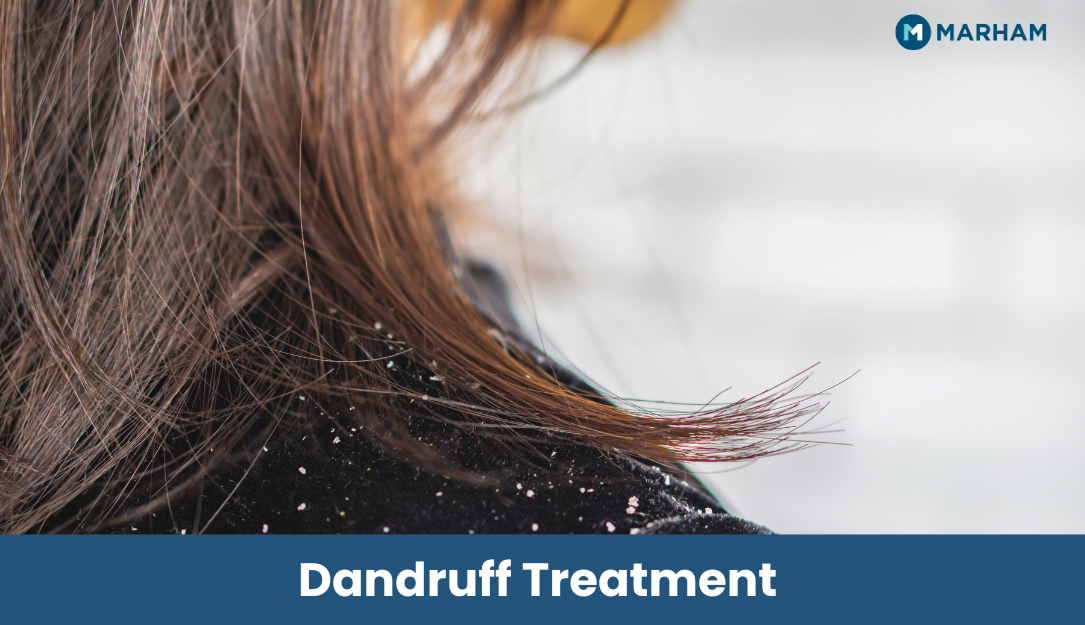
White flakes on your shoulders, constant itching that disrupts your day, or that uncomfortable feeling when someone notices you scratching your scalp. If this sounds familiar, you’re not alone. Dandruff affects nearly 50% of people worldwide at some point in their lives.
In Pakistan, about 1 in 5 adults (approximately 20%) experiences dandruff regularly, according to recent studies. Yet most don’t seek treatment because they assume it’s just a cosmetic issue.
The reality is dandruff isn’t only about appearance. It can signal underlying skin conditions like seborrheic dermatitis or psoriasis. However, with the right dandruff treatment, it is completely manageable.
This guide covers causes of dandruff, symptoms, types, effective dandruff treatment options including home remedies for dandruff, and when to consult a dermatologist. We’ll also show you how to easily book consultations with Pakistan’s best dermatologists through Marham.
Dandruff Meaning in Urdu
Dandruff meaning in Urdu is خشکی.
اس میں سر کی جلد سے سفید یا زرد رنگ کے چھوٹے ٹکڑے جھڑتے ہیں جو بالوں اور کندھوں پر نظر آتے ہیں۔ یہ مسئلہ اکثر خارش، خشکی یا جلد کی چکناہٹ کے ساتھ ہوتا ہے۔ خوش قسمتی سے، یہ مکمل طور پر قابلِ علاج ہے۔
Dandruff Symptoms
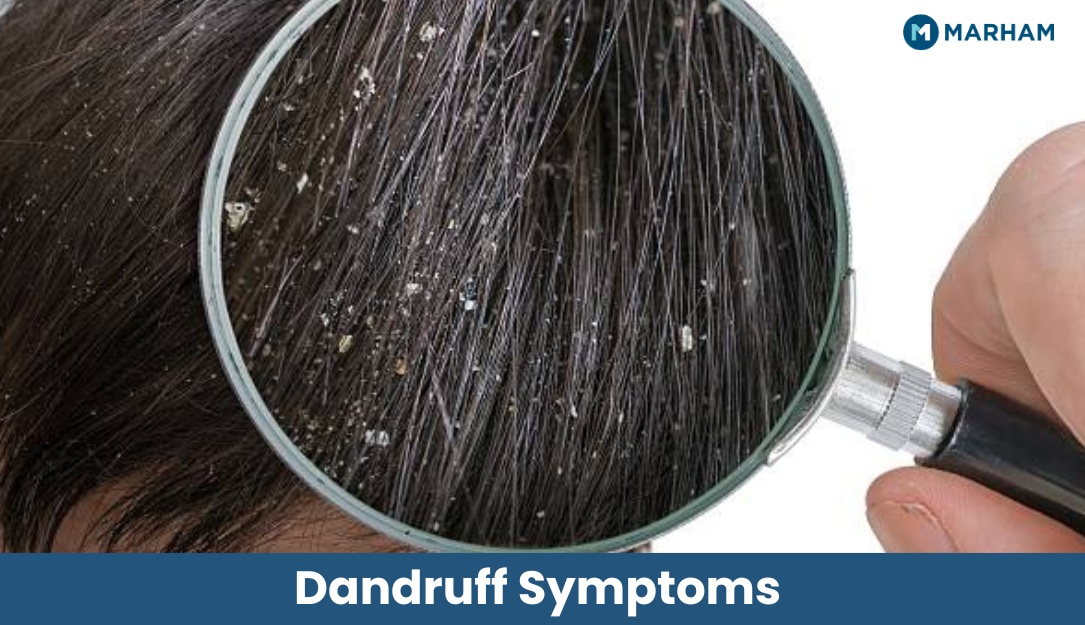
How to Identify the Problem? Recognizing dandruff symptoms early helps in faster treatment. The most common signs include:
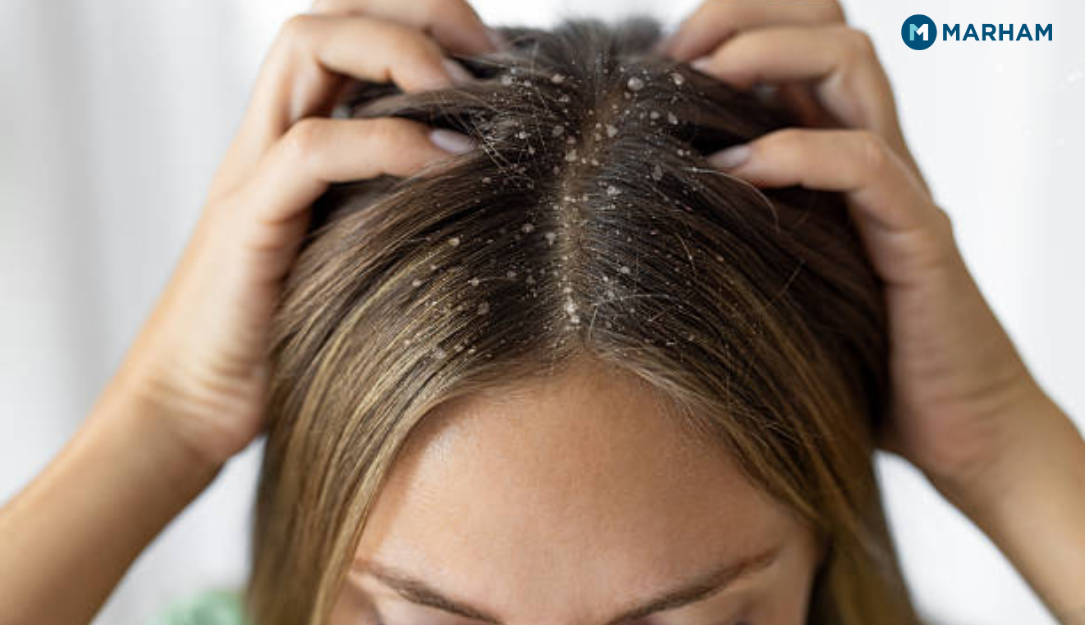
- White or yellow flakes on scalp, hair, and shoulders
- Itchy scalp, especially worse in winter
- Red or inflamed patches on the scalp
- Dry scalp or excessively oily, greasy hair
- Burning sensation in severe cases
If symptoms persist despite using anti-dandruff shampoo, book an online consultation with the best dermatologists in Lahore, Karachi, or Islamabad through Marham for proper diagnosis and treatment.
Dandruff Causes
Understanding what causes dandruff is important for effective treatment. Common causes of dandruff in hair include:
1. Malassezia Fungus
The most common reason for dandruff is a yeast-like fungus that lives on the scalp. When it grows excessively, it irritates the skin and causes flaking.
2. Dry Skin
Cold weather and indoor heating can dry out your scalp. This leads to small, white flakes. It is different from typical dandruff, which produces larger, oilier flakes.
3. Seborrheic Dermatitis
This inflammatory condition causes red, greasy skin covered with white or yellow scales. It’s a major cause of persistent dandruff.
4. Not Washing Hair Enough
When you don’t wash hair regularly, oils and dead skin cells build up which creates perfect conditions for dandruff.
5. Oily Scalp
Excess oil production also creates an ideal environment for the Malassezia fungus to thrive that worsens dandruff.
6. Hair Product Reactions
Certain shampoos, hair dyes, and styling products can irritate the scalp or cause allergic reactions.
7. Other Factors
Stress, poor diet (lacking zinc and B vitamins), hormonal changes, and skin conditions like eczema or psoriasis can also trigger dandruff.
Concerned about your specific triggers? Connect with experienced dermatologists through Marham’s video consultation service and get personalized advice from home.
Types of Dandruff: Which One Do You Have?
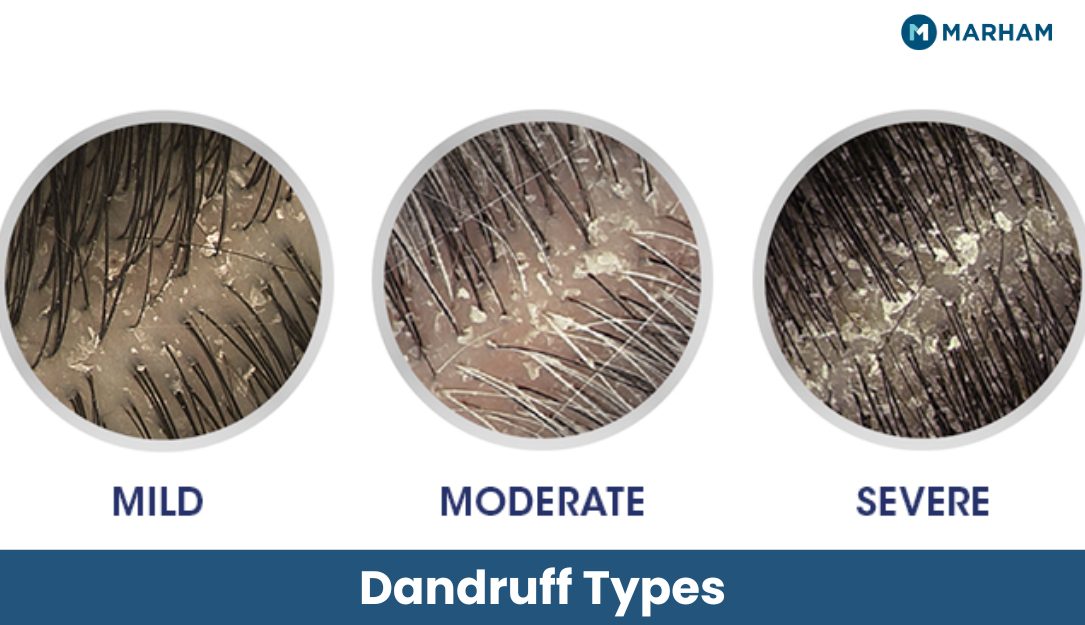
Dandruff varies based on the underlying cause. Understanding types of dandruff help you choose the right treatment:
1. Dry Skin Dandruff
- Small, white, loose flakes
- More common in winter
- Caused by lack of moisture
2. Oily Dandruff (Seborrheic Dermatitis)
- Large, yellowish, sticky flakes
- Caused by excess oil and fungus
- Most common type
3. Fungal Dandruff
- Intense itching with white-yellow flakes
- Caused by Malassezia yeast overgrowth
- Requires antifungal treatment
4. Disease-Related Dandruff
- Thick, scaly patches
- Linked to psoriasis, eczema, or severe seborrheic dermatitis
- Needs medical treatment
Not sure which type you have? Book an appointment with Pakistan’s best dermatologists through Marham for accurate diagnosis and customized treatment plans.
Dandruff Treatment
The right dandruff treatment depends on severity and type. Here are proven medical solutions:
1. Medicated Anti-Dandruff Shampoos
The first-line dandruff treatment involves shampoos with active ingredients:
- Ketoconazole (Nizoral, Conaz): Strong antifungal for severe cases
- Zinc Pyrithione (Head & Shoulders, Clear): Reduces fungus and bacteria
- Selenium Sulfide (Selsun Blue): Controls oil and fungus
- Salicylic Acid: Removes scales and flaking
Best anti-dandruff shampoo in Pakistan options include Nizoral anti-dandruff shampoo, Selsun Blue, Head & Shoulders, Clear anti-dandruff shampoo, and Dove anti-dandruff shampoo.
Disclaimer: These shampoo options are shared for general awareness. They are not fixed or final choices. More products may be suitable based on individual needs. Always consult a dermatologist before use.
2. How to Use Anti-Dandruff Shampoo
- Apply to wet hair and massage into scalp
- Leave on for 5-10 minutes before rinsing
- Use 2-3 times weekly initially
- Continue maintenance treatment even after improvement
3. Prescription Treatments
For severe cases, dermatologists may prescribe antifungal lotions, steroid creams, or oral medications.
4. Lifestyle Changes
- Manage stress through exercise
- Eat foods rich in zinc, B vitamins, and omega-3
- Stay hydrated
- Avoid harsh hair products
According to dermatology research, over 90% of patients improve within 4 weeks of consistent treatment with medicated shampoos.
Ready to start treatment? Find and book the best dermatologists in Pakistan through Marham. Read verified patient reviews and choose between video consultation or in-clinic visits.
Dandruff Treatment at Home
For mild dandruff, these home remedies for dandruff can complement medical treatment:
1. Coconut Oil for Dandruff
Massage warm coconut oil for dandruff into your scalp, leave for 30 minutes, then wash. It hydrates dry scalp and has antifungal properties.
2. Tea Tree Oil for Dandruff
Add 10-15 drops of tea tree oil for dandruff to your regular shampoo. It’s a natural antifungal agent.
3. Aloe Vera for Dandruff
Apply fresh aloe vera for dandruff gel directly to your scalp for 30 minutes. It reduces inflammation and soothes itching.
4. Apple Cider Vinegar for Dandruff
Mix equal parts apple cider vinegar for dandruff and water. Use as a final rinse after shampooing to balance scalp pH.
5. Neem Leaves for Dandruff Treatment
Boil neem leaves, let them cool, and use as a final hair rinse. Neem has natural antifungal properties.
Important: Home remedies work best for mild cases. For persistent dandruff, it’s best to consult a dermatologist for proper dandruff treatment. Always patch-test before applying remedies to avoid irritation.
How to Get Rid of Dandruff: Quick Tips
Wondering how to remove dandruff effectively? Follow these steps:
- Wash hair regularly (2-3 times weekly)
- Use the right medicated anti-dandruff shampoo for your type
- Leave shampoo on scalp for at least 5 minutes
- Apply hair oil for dandruff to moisturize between washes
- Avoid scratching your scalp
- Manage stress and eat a balanced diet
- Be consistent as results take 2-4 weeks
Looking for how to cure dandruff permanently? While there’s no overnight cure, consistent treatment and good hair hygiene can keep dandruff under control long-term.
Can Dandruff Cause Hair Loss?
A common question: Can dandruff cause hair loss or does dandruff cause hair loss?
The answer: Dandruff itself doesn’t directly cause permanent hair loss. However, constant scratching can:
- Damage hair follicles
- Create scalp wounds
- Lead to temporary hair fall
- Cause social embarrassment and low confidence
- Weaken hair roots
- Aggravate skin conditions like seborrheic dermatitis
If you notice excessive hair loss with dandruff, consult a dermatologist immediately.
Prevention Tips: How to Avoid Dandruff
To prevent dandruff and reduce recurrence:
- Wash hair regularly with gentle shampoo
- Keep scalp clean and oil-free
- Use the right best oil for dandruff (coconut or tea tree oil)
- Avoid harsh chemicals and excessive styling products
- Manage stress through meditation or exercise
- Eat foods rich in zinc, B vitamins, and omega-3
- Stay hydrated, drink 8-10 glasses of water daily
- Get adequate sleep and regular sunlight
When to See a Doctor
Consult a dermatologist if dandruff:
- Persists for more than 2-3 weeks despite treatment
- Causes severe redness, swelling, or pain
- Leads to pus-filled bumps or oozing
- Results in excessive hair loss
- Spreads to face, eyebrows, or other areas
- Severely affects your confidence and daily life
Through Marham, you can:
- Find and book the best dermatologists in Lahore, Karachi, Islamabad, and 200+ cities across Pakistan
- Read verified patient reviews before booking
- Choose convenient video consultation or in-clinic appointments
- Get same-day slots and affordable treatment plans
- Access 1000+ dermatologists with 50,000+ patient reviews
Conclusion
Dandruff is common but shouldn’t control your life. With the right dandruff treatment, you can achieve a healthy, flake-free scalp and regain your confidence.
Don’t let dandruff hold you back. Book your consultation with Pakistan’s best dermatologists through Marham today. Get expert advice on the best dandruff treatment for your specific condition from the comfort of your home!
Frequently Asked Questions
What is the best shampoo for dandruff treatment in Pakistan?
The best anti-dandruff shampoo in Pakistan depends on your type. Nizoral works best for fungal dandruff, while Head & Shoulders is good for daily use. Consult a dermatologist for personalized recommendations.
What is the best shampoo for hairfall and dandruff?
The best shampoo for hair fall and dandruff includes medicated options like Conaz, Nizoral or Selsun Blue that treat both conditions.
Which oil is best for dandruff?
Coconut oil for dandruff is most popular, followed by tea tree oil for dandruff for its antifungal properties.
How long does dandruff treatment take?
Most people see improvement within 2-4 weeks of consistent treatment with medicated anti-dandruff shampoo.
Is dandruff contagious?
No, dandruff is not contagious and cannot spread from person to person.
