


The COVID-19 pandemic changed the world in ways we never imagined. Even though the situation has improved significantly since 2020, the virus has not disappeared. New variants continue to emerge, and cases still occur worldwide. So, how can you protect yourself and your family from COVID-19?
Prevention is always better than a cure, especially with a disease that can cause serious complications and long-term health effects. In this blog, we will walk you through everything you need to know about COVID-19 prevention, from vaccination and hygiene practices to immunity-boosting strategies and when to seek medical help.
What is COVID-19?
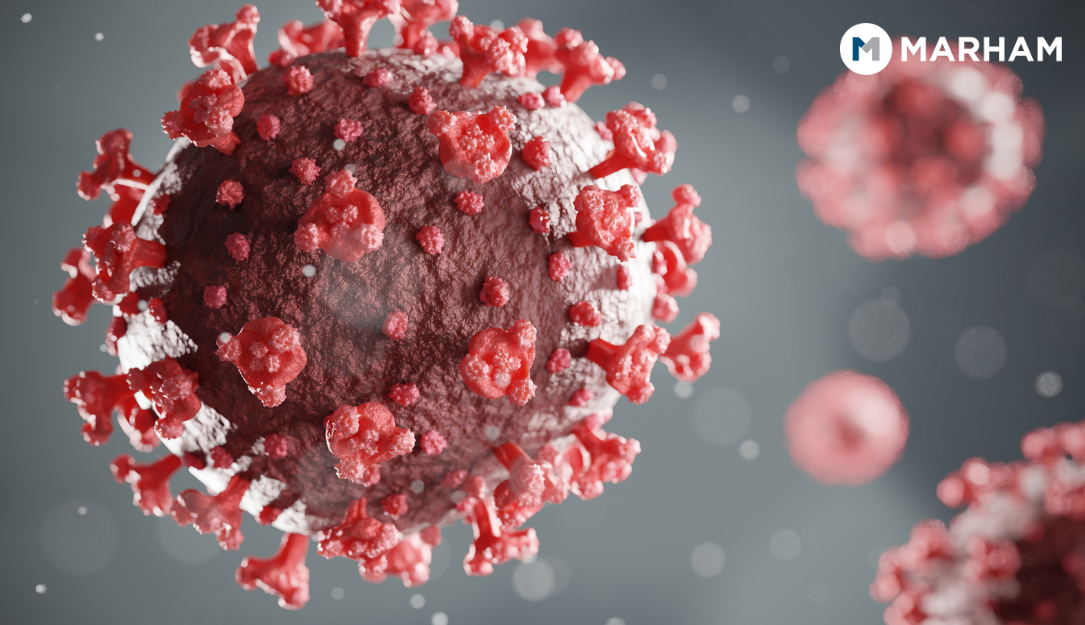
Coronaviruses are a family of viruses that can cause illnesses ranging from the common cold to more severe diseases like MERS and SARS. It spreads primarily through respiratory droplets when an infected person coughs, sneezes, talks, or breathes. The virus can also spread by touching contaminated surfaces and then touching your face, though this is less common.
According to the World Health Organization, COVID-19 has affected over 770 million people globally and caused more than 6.9 million deaths since the pandemic began. Vaccines and treatments have made the disease more manageable.
How Does COVID-19 Spread?
To prevent the COVID-19 virus, it is necessary to understand how it spreads.
Respiratory Droplets:
When an infected person coughs, sneezes, or talks. They release droplets containing the virus. If you are within 6 feet of that person, you can inhale these droplets.
Airborne Transmission:
In poorly ventilated indoor spaces, tiny virus particles can remain suspended in the air for hours and infect people who breathe them in.
Surface Contamination:
The virus can survive on surfaces like doorknobs, phones, and tables for hours to days. Touching these surfaces and then touching your face can lead to infection.
Close Contact:
Spending prolonged time with an infected person, especially in enclosed spaces, significantly increases your risk of infection.
COVID-19 Prevention Methods
The following are the methods that help in the COVID-19 prevention.
Get Vaccinated
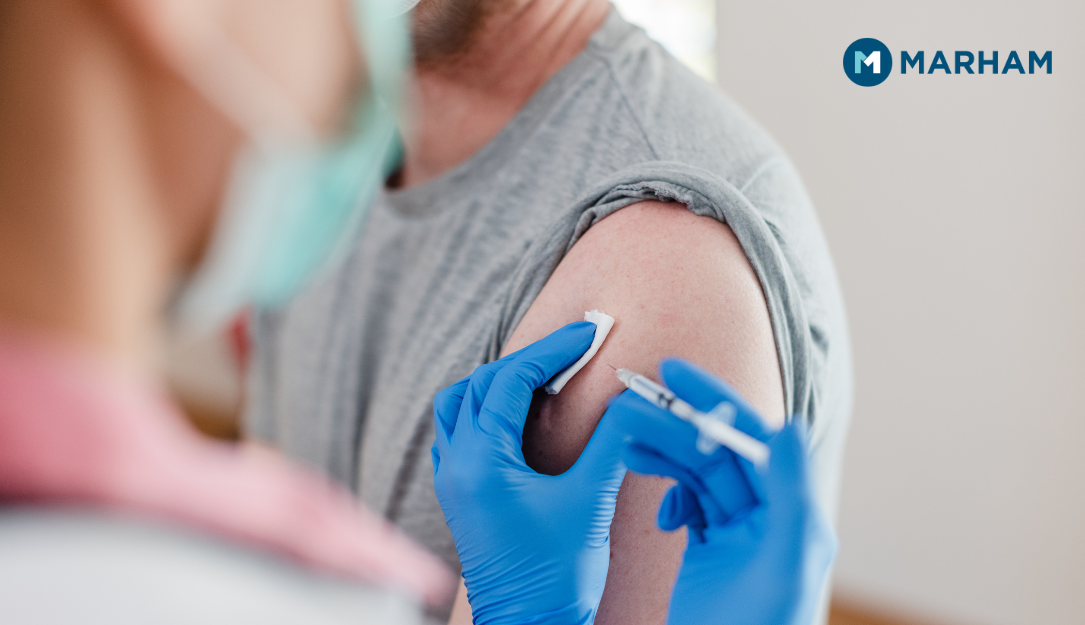
Vaccination is the single most effective way to prevent severe COVID-19 illness, hospitalization, and death. COVID-19 vaccines have been proven safe and effective through extensive clinical trials and real-world use.
The vaccines work by teaching your immune system to recognize and fight the virus. While vaccines may not prevent all infections, they significantly reduce the risk of severe disease and complications.
In Pakistan, several COVID-19 vaccines are available, including Pfizer, Moderna, Sinopharm, and CanSino. If you have not been vaccinated yet, consult your doctor about which vaccine is right for you.
Booster doses are also recommended, especially for elderly individuals, people with weakened immune systems, and those at high risk of exposure. Boosters help maintain strong immunity against new variants.
Practice Good Hand Hygiene
Your hands touch countless surfaces throughout the day, many of which may be contaminated with viruses and bacteria. Proper hand hygiene is one of the simplest yet most effective prevention methods.
- Wash your hands frequently with soap and water for at least 20 seconds, especially:
- Before eating or preparing food
- After using the bathroom
- After coughing, sneezing, or blowing your nose
- After touching surfaces in public places
- After caring for someone who is sick
Use hand sanitizer with at least 60% alcohol content when soap and water are not available. Apply enough sanitizer to cover all surfaces of your hands and rub until dry.
Wear a Mask in Crowded or High-Risk Settings
Mask mandates have been lifted in many places, but wearing a mask is still an effective way to reduce transmission, especially in crowded indoor spaces, public transport, or healthcare settings.
- N95 or KN95 masks provide the highest level of protection by filtering out at least 95% of airborne particles.
- Surgical masks offer good protection and are more comfortable for extended wear.
- Cloth masks provide basic protection but are less effective than medical-grade masks.
Make sure your mask fits snugly over your nose and mouth without gaps. Replace masks that become damp, dirty, or damaged.
Maintain Physical Distance
Try to maintain at least 6 feet (2 meters) of distance from people who are sick or showing symptoms of respiratory illness. In crowded indoor spaces where physical distancing is difficult, wearing a mask becomes even more important.
Avoid large gatherings, especially in poorly ventilated indoor areas. If you must attend such events, take extra precautions like wearing a mask and avoiding close contact with others.
Avoid Touching Your Face
Your face, especially your eyes, nose, and mouth, provides entry points for the virus. Many people unconsciously touch their faces dozens of times per hour.
Be mindful of this habit and try to avoid touching your face, especially when you are in public or have not washed your hands recently. If you need to adjust your mask or glasses, do so with clean hands or a tissue.
Clean and Disinfect Surfaces Regularly
While surface transmission is less common than airborne transmission, it is still a risk, especially in high-touch areas. Regularly clean and disinfect frequently touched surfaces such as:
- Doorknobs and handles
- Light switches
- Phone screens and keyboards
- Countertops and tables
- Remote controls
Use EPA-approved disinfectants or a solution of bleach and water. Follow the product instructions for proper use and contact time.
Stay Home When Sick
If you feel unwell or have symptoms like fever, cough, sore throat, or body aches, stay home and avoid contact with others. This is one of the most important prevention measures because it stops you from potentially spreading the virus to others.
Get tested for COVID-19 if you have symptoms or have been exposed to someone with the virus. Most areas offer free or low-cost testing at healthcare facilities and pharmacies.
Boost Your Immune System
A strong immune system helps your body fight off infections, including COVID-19. While no food or supplement can prevent COVID-19 on its own, maintaining good overall health improves your body’s defense mechanisms.
Eat a Balanced Diet
Include plenty of fruits, vegetables, whole grains, lean proteins, and healthy fats in your diet. Foods rich in vitamins C, D, and zinc are particularly beneficial for immune function.
Vitamin C sources: Citrus fruits, strawberries, bell peppers, broccoli.
Vitamin D sources: Fatty fish, egg yolks, fortified milk, and sunlight exposure.
Zinc sources: Meat, shellfish, legumes, seeds, nuts.
Stay Hydrated
Drink plenty of water throughout the day. Proper hydration supports all bodily functions, including immune system performance.
Get Adequate Sleep
Lack of sleep weakens your immune system and makes you more susceptible to infections. Aim for 7 to 9 hours of quality sleep each night.
Exercise Regularly
Moderate physical activity boosts immune function and overall health. Aim for at least 30 minutes of exercise most days of the week.
Manage Stress
Chronic stress weakens immunity and makes you more vulnerable to illness. Practice stress-reduction techniques like meditation, deep breathing, yoga, or spending time in nature.
Avoid Smoking and Excessive Alcohol
Smoking damages your lungs and weakens your immune system, making you more susceptible to severe COVID-19. Excessive alcohol consumption also impairs immune function.
COVID-19 Symptoms
Early recognition of COVID-19 symptoms allows for prompt testing, treatment, and isolation to prevent spread. Common symptoms include:
- Fever or chills
- Cough
- Shortness of breath or difficulty breathing
- Fatigue
- Muscle or body aches
- Headache
- New loss of taste or smell
- Sore throat
- Congestion or a runny nose
- Nausea or vomiting
- Diarrhea
Symptoms can appear 2 to 14 days after exposure to the virus. Some people experience only mild symptoms, while others develop severe illness requiring hospitalization.
Special Considerations for High-Risk Groups
Certain people are at higher risk of severe COVID-19 and should take extra precautions:
- Elderly individuals (65 years and older)
- People with chronic conditions such as diabetes, heart disease, lung disease, and kidney disease
- Immunocompromised individuals, such as cancer patients, organ transplant recipients, and people on immunosuppressive medications.
- Pregnant women
- People with obesity
If you fall into any of these categories, talk to your doctor about additional prevention strategies and whether you need priority vaccination or boosters.
COVID-19 Prevention in Pakistan
In Pakistan, COVID-19 prevention remains important despite declining case numbers. The National Institute of Health (NIH) continues to monitor the situation and provides regular updates on new variants and vaccination guidelines.
Vaccination centers are available throughout the country, and most vaccines are free of charge. You can register for vaccination through the official NIMS (National Immunization Management System) portal or by visiting your nearest vaccination center.
During peak seasons like winter and after major holidays, when respiratory infections increase, take extra precautions like wearing masks in crowded places and avoiding unnecessary gatherings.
The Bottom Line
COVID-19 prevention is not just about protecting yourself. It is about protecting your entire community, especially vulnerable individuals who are at higher risk of severe illness. By following these prevention measures, you can significantly reduce your risk of infection and help stop the spread of the virus.
Remember, the most effective prevention strategy combines multiple approaches. These include vaccination, good hygiene, masks when appropriate, physical distancing, improved ventilation, and a healthy lifestyle. No single measure is perfect, but together they provide strong protection against COVID-19.
If you need medical consultation or guidance regarding COVID-19, you can easily connect with the best general physician or infectious disease specialist in Pakistan through Marham. Call 03111222398 for more information.
