


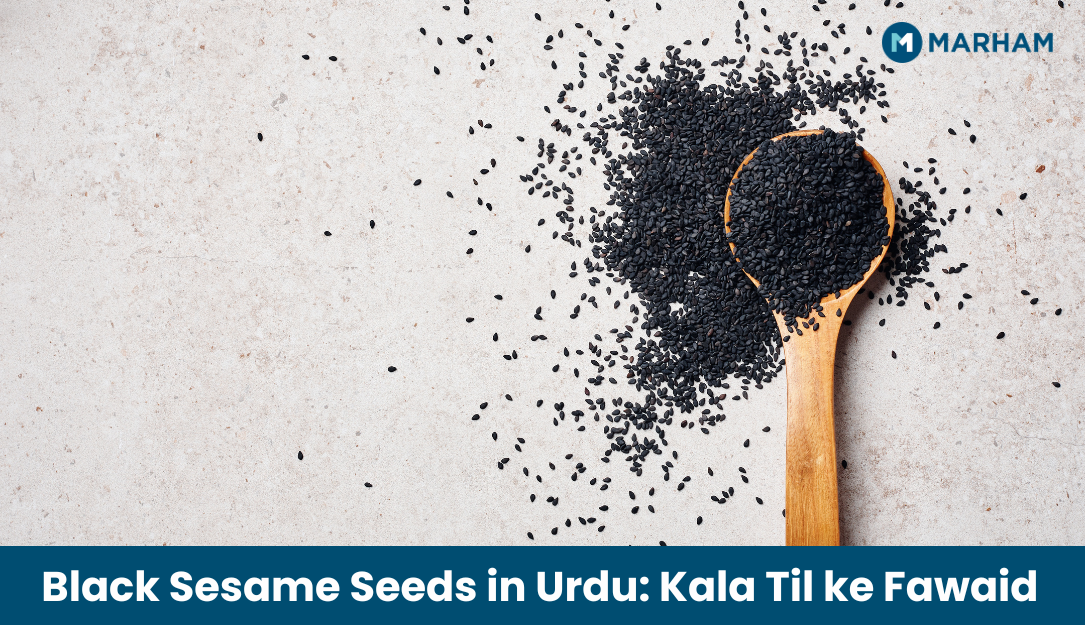
Black sesame seeds in Urdu, known as “Kala Til”, have been a part of Pakistani households for generations. From sprinkling on naans and mixing in laddoos to using in winter delicacies, these tiny seeds pack a powerful nutritional punch.
According to USDA National Nutrient Database, 100 grams of black sesame seeds provide an impressive 975mg of calcium, 14.6mg of iron, and 351mg of magnesium. Research published in the Journal of Food Biochemistry confirms that black sesame seeds contain higher antioxidant levels compared to white sesame seeds due to their intact outer hull.
In this blog, you will discover what makes kala til a true superfood. You will also learn practical ways to add it to your daily meals. Let’s dive into everything you need to know about this ancient yet powerful seed.
Black Sesame Seeds in Urdu: What is Kala Til?
Kala Til (کالا تل) belongs to the Sesamum indicum species in the Pedaliaceae family and ranks among the world’s oldest cultivated oilseed crops. Pakistan is a significant sesame producer. It contributes around 400,000-600,000 metric tons annually alongside top nations like India (1.2 million tons), Sudan (1 million tons), China, and Myanmar. These together account for over 70% of global output.
Unlike white sesame seeds, black sesame seeds retain their outer hull. This makes them richer in specific nutrients like calcium, antioxidants, and lignans. These seeds provide around 573 calories in every 100 grams and contain about 18 grams of protein, which covers nearly one-third of your daily protein needs.
Black Sesame Seeds in Urdu (سیاہ تل)
سیاہ تل چھوٹے سیاہ رنگ کے بیج ہوتے ہیں جو غذائیت سے بھرپور ہوتے ہیں۔ یہ عام طور پر کھانوں میں ذائقہ بڑھانے کے لیے استعمال کیے جاتے ہیں اور ان میں پروٹین، صحت مند چکنائیاں، فائبر، اور اہم معدنیات پائے جاتے ہیں۔ سیاہ تل صحت کے لیے مفید سمجھے جاتے ہیں، خاص طور پر ہڈیوں، جلد، اور بالوں کی صحت کے لیے۔
6 Health Benefits of Black Sesame Seeds
1. Strengthens Bones and Teeth
Black sesame seeds have about 975 mg of calcium in every 100 grams, almost meeting an adult’s daily needs. This makes them particularly beneficial for women, elderly individuals, and those at risk of osteoporosis. The magnesium content further supports bone mineralization and overall skeletal health.
2. Supports Heart Health
A 2017 review of studies found that eating sesame seeds may slightly lower blood pressure (about 3–8 mmHg), though results differed between studies, and more research is needed. A small 2011 study showed that taking 2.5 grams of black sesame seed powder daily for a month reduced systolic blood pressure by around 6% in people with slightly high blood pressure.
According to several reviews, the healthy fats and lignans (like sesamin) in black sesame seeds may also improve cholesterol levels by reducing “bad” LDL cholesterol while keeping “good” HDL cholesterol steady.
3. Rich in Antioxidants
Black sesame seeds contain powerful antioxidants including sesamin, sesamol, and sesamolin. Studies, such as one published in BioMed Research International (2016), confirm that black sesame seeds exhibit higher antioxidant activity than white varieties due to their intact outer hull and elevated phenolic content. These compounds help neutralize harmful free radicals. They also protect cells from oxidative damage and potentially reduce chronic disease risk.
4. Promotes Healthy Hair and Skin
Traditional Ayurvedic and Unani medicine, common in Urdu/Pakistani culture, recommends black sesame seeds (kala til) for healthy hair. They may also help slow premature greying because they contain copper and zinc, which support melanin production and collagen formation.
Laboratory studies indicate sesame oil offers natural UV protection (up to 30% UVB blocking in some formulations)/ This helps prevent sun-induced skin damage like wrinkles. These minerals aid pigmentation and skin elasticity, aligning with centuries-old herbal practices.
5. Regulates Blood Sugar
Studies in animals show that sesame compounds like sesamin may help lower blood sugar and improve insulin sensitivity. Research suggests that black sesame seeds might help control blood sugar in people with diabetes or prediabetes, but human studies are still limited.
6. Boosts Digestive Health
Black sesame seeds have about 11.8 grams of fiber per 100 grams (USDA data). This fiber helps keep digestion healthy and supports regular bowel movements. It also makes you feel full, which can help with weight management when eaten as part of a balanced diet.
Nutritional Profile of Kala Til
According to USDA (United States Department of Agriculture) data, one tablespoon (9 grams) of unhulled black sesame seeds provides:
- Calcium: 88 mg
- Iron: 1.3 mg (23% DV)
- Magnesium: 32 mg (8% DV)
- Copper: 0.4 mg (44% DV)
- Protein: 1.6 g
- Fiber: 1.1 g
These seeds also contain significant amounts of thiamin (66% DV per 100 g), pyridoxine (61% DV), and selenium. This makes them a true nutritional powerhouse.
How to Use Black Sesame Seeds

Now that you understand the benefits of black sesame seeds in Urdu (Kala Til), here are some traditional and modern ways to incorporate kala til into your diet:
Traditional Recipes:
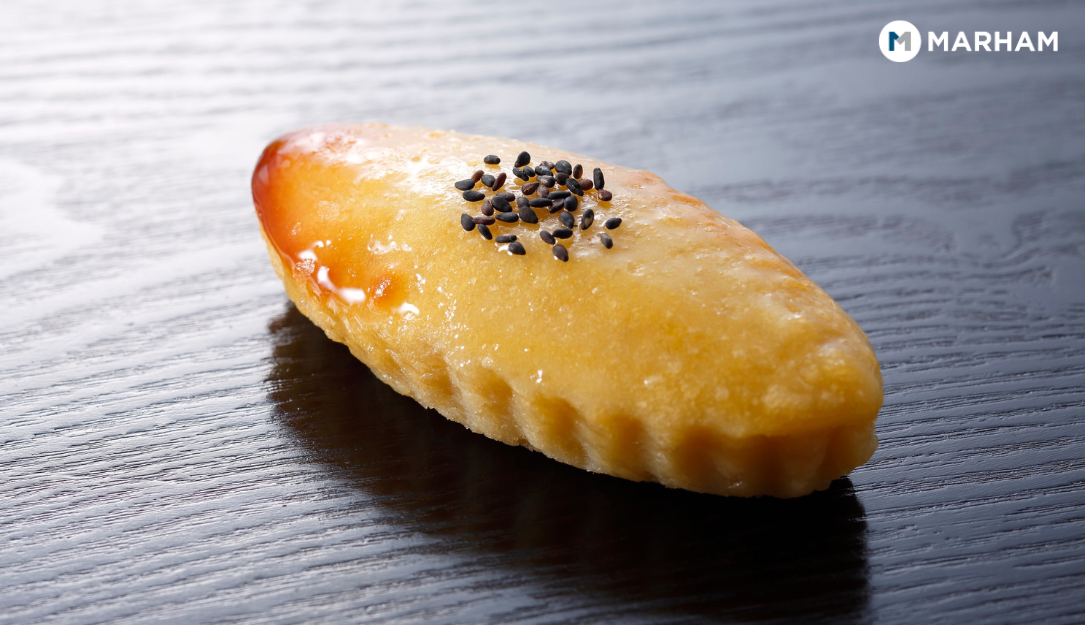
You can make til ke laddoo by mixing roasted black sesame seeds with gur (jaggery) for a winter energy boost. You can also prepare rewari or gajak during festive celebrations.
Daily Use:
Try sprinkling roasted black sesame seeds over salads, rice, or yogurt. You can also mix them into smoothies or oatmeal for a nutrition boost. Use black sesame paste (tahini) as a spread or dip to add flavor and health benefits.
Recommended Serving:
Experts recommend consuming 1-2 tablespoons (10-20 grams) daily to enjoy the health benefits without excessive calorie intake.
Side Effects and Precautions
Even though black sesame seeds in Urdu have many benefits, it’s important to take a few precautions.
- Sesame allergy affects approximately 0.1-0.2% of the population and can cause mild to severe reactions.
- High calorie and fat content may lead to weight gain if consumed excessively.
- May interact with blood pressure or blood-thinning medications.
- Excessive consumption can cause gastrointestinal discomfort.
Always consult a healthcare provider before adding sesame seeds as a supplement to your diet, especially if you have existing medical conditions.
Get Expert Dietary Advice from Marham
Everyone’s nutritional needs are different. What works for one person may not suit another, especially if you have diabetes, heart conditions, digestive issues, or food allergies. Instead of guessing, why not get professional guidance aligned with your health goals?
Marham makes it easy to connect with Pakistan’s top nutritionists and dietitians from the comfort of your home. If you want a personalized meal plan, need advice on managing a health condition through diet, or simply want to make healthier food choices, our verified experts are here to help.
Conclusion
Black sesame seeds in Urdu called Kala Til, truly deserve their superfood status. Backed by scientific research and centuries of traditional use, these tiny seeds offer amazing benefits for bones, heart, skin, and overall health. With 975 mg of calcium and 14.6 mg of iron per 100 grams, just one tablespoon daily can make a noticeable difference in your wellbeing.
You can enjoy black sesame seeds in traditional laddoos or modern smoothie bowls. Either way, they are a healthy addition to any balanced diet. Start adding kala til to your meals today and experience the benefits for yourself!
