

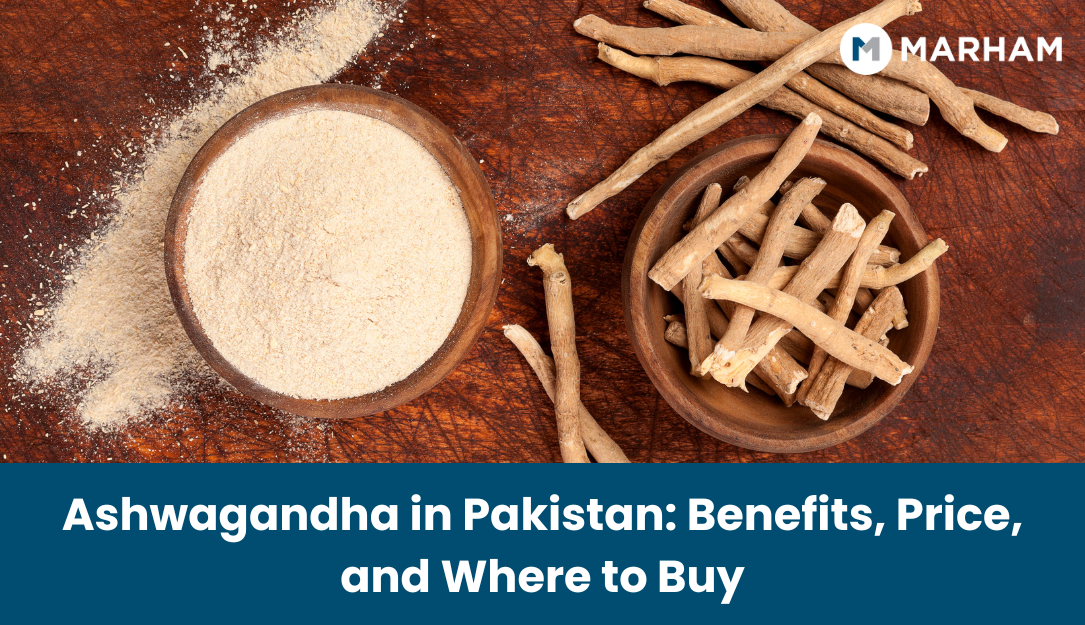
Ashwagandha, known as Asgandh in Urdu, is a clinically studied adaptogen herb used for stress relief, hormonal balance, and energy. It is widely available in Pakistan as powder, capsules, and extract, ranging from PKR 500 to PKR 6,000 depending on form and brand. Here is everything you need to know before buying or using it.
What is Ashwagandha?
Ashwagandha (Withania somnifera) is a small shrub with yellow flowers native to India and North Africa. The root and berry of the plant are used to make medicine. In Pakistan, it is commonly known as Asgandh or Indian Ginseng.
The name “ashwagandha” comes from Sanskrit and means “smell of the horse,” referring to both the herb’s unique smell and its traditional use to promote strength and vitality like that of a horse.
Ashwagandha is classified as an adaptogen, which means it helps your body manage stress and maintain balance. Adaptogens work by regulating hormones and supporting the body’s stress response system.
💡 Do you know that ashwagandha is one of the most researched herbs in modern science? Hundreds of studies have confirmed its benefits for stress reduction, hormonal balance, immunity, and overall health.

Not sure which supplement is right for you?
A verified nutritionist can review your health goals and recommend the right ashwagandha form, dose, and duration, from the comfort of your home.
Ashwagandha Benefits
Ashwagandha offers a wide range of health benefits backed by both traditional use and modern research. Here are the most important benefits:
Reduces Stress and Anxiety
The most well-known benefit of ashwagandha is its ability to reduce stress and anxiety. According to a study published in 2019, people who took ashwagandha extract experienced significant reductions in stress and anxiety levels compared to those who took a placebo.
Ashwagandha works by lowering cortisol, the stress hormone, in your body. High cortisol levels can lead to weight gain, sleep problems, mood swings, and weakened immunity. By reducing cortisol, ashwagandha helps you feel calmer and more balanced.
Improves Sleep Quality
If you struggle with insomnia or poor sleep, ashwagandha can help. It has natural calming properties that promote relaxation and improve sleep quality. Many people report falling asleep faster and sleeping more deeply after taking ashwagandha regularly.
Boosts Energy and Reduces Fatigue
Despite its calming effects, ashwagandha also boosts energy levels and reduces fatigue. It improves stamina and endurance, making it popular among athletes and fitness enthusiasts. Studies show that ashwagandha can increase muscle strength and improve physical performance.

Supports Hormonal Balance
Ashwagandha is particularly beneficial for hormonal health in both men and women. In women, it helps regulate menstrual cycles, reduces symptoms of PCOS (Polycystic Ovary Syndrome), and supports fertility. In men, ashwagandha increases testosterone levels and improves sperm quality and count.
Enhances Brain Function and Memory
Ashwagandha has neuroprotective properties that support brain health. It improves memory, focus, and cognitive function. Research suggests it may also help protect against neurodegenerative diseases like Alzheimer’s.
Strengthens the Immune System
A strong immune system is essential for fighting off infections and diseases. Ashwagandha boosts immunity by increasing white blood cell production and enhancing the body’s natural defense mechanisms.
Reduces Inflammation
Chronic inflammation is linked to many health problems, including heart disease, diabetes, and arthritis. Ashwagandha has powerful anti-inflammatory properties that help reduce inflammation throughout the body.
Supports Heart Health
Ashwagandha may improve heart health by reducing cholesterol and triglyceride levels. It also helps lower blood pressure and reduces the risk of heart disease.
Helps with Weight Management
By reducing stress and balancing hormones, ashwagandha can help with weight management. High cortisol levels are associated with belly fat and cravings for unhealthy foods. Ashwagandha helps regulate these hormones and supports healthy weight loss.
Improves Male Fertility
Ashwagandha is well-known for its benefits in male fertility. Studies show that it increases testosterone levels, improves sperm quality, and enhances sexual function in men.
Ashwagandha Price in Pakistan
One of the most common questions people ask is: How much does ashwagandha cost in Pakistan? The price of ashwagandha in Pakistan varies depending on the form (powder, capsules, tablets) and the brand. Here is a general price range:
Ashwagandha Powder (Raw Ashwagandha): PKR 500 to PKR 1,500 per 100g
Ashwagandha Capsules/Tablets: PKR 1,500 to PKR 4,000 per bottle (60-90 capsules)
Ashwagandha Extract (High-Quality Supplements): PKR 3,000 to PKR 6,000 per bottle
High-quality brands with standardized extracts (like KSM-66 or Sensoril) tend to be more expensive but are also more effective and reliable.
Where to Buy Ashwagandha in Pakistan
Ashwagandha is widely available in Pakistan through various channels:
Local Pharmacies
You can find ashwagandha in most major pharmacies across Pakistan. Ask the pharmacist for Asgandh or ashwagandha supplements. They usually stock both local and imported brands.
Health Food Stores
Health food stores and herbal shops often carry ashwagandha powder and capsules. These stores specialize in natural and organic products.
Online Stores
Several online platforms in Pakistan sell ashwagandha supplements:
Herbal Markets (Pansaar Shops)
Traditional herbal markets and pansaar shops sell raw ashwagandha root powder at affordable prices. This is a good option if you prefer natural, unprocessed herbs.
Marham connects with nutritionists who can recommend the right ashwagandha product for you.
How to Use Ashwagandha
Ashwagandha is available in several forms, and the method of use depends on your preference:
Ashwagandha Powder
Mix 1 to 2 teaspoons of ashwagandha powder with warm milk, water, or honey. You can also add it to smoothies or yogurt. Take it once or twice daily, preferably after meals.
Ashwagandha Capsules/Tablets
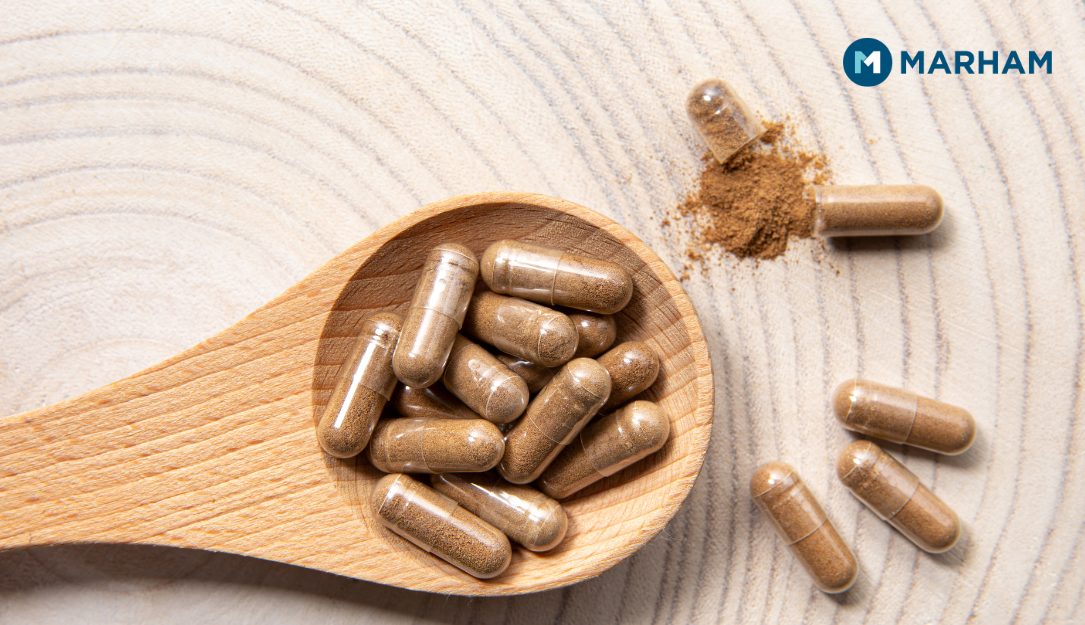
Take 1 to 2 capsules daily with water, usually after meals. Follow the dosage instructions on the product label or consult a healthcare professional.
Ashwagandha Tea
You can make ashwagandha tea by boiling the root powder in water for 10-15 minutes. Strain and drink it warm. Add honey or lemon for taste.
Best Time to Take Ashwagandha
For stress and anxiety: Take in the morning or afternoon
For better sleep: Take 1-2 hours before bedtime
For energy and performance: Take in the morning
Consistency is key. Ashwagandha works best when taken regularly for at least 4 to 8 weeks.
Ashwagandha Dosage
The typical recommended dosage of ashwagandha is:
Powder: 3 to 6 grams per day
Capsules/Tablets: 300 to 600 mg of extract per day (divided into two doses)
Start with a lower dose and gradually increase it as your body adjusts. Always consult a healthcare professional before starting any new supplement, especially if you are pregnant, breastfeeding, or taking medications.
Ashwagandha Side Effects and Precautions
Ashwagandha is generally safe for most people when taken in recommended doses. However, some people may experience mild side effects such as:
- Upset stomach or nausea
- Diarrhea
- Drowsiness
Who Should Avoid Ashwagandha?
- Pregnant and breastfeeding women
- People with autoimmune diseases
- People with thyroid disorders
- People taking sedatives or anxiety medications
Always consult your doctor before taking ashwagandha, especially if you have an existing health condition or are on medication.
Ashwagandha for Women in Pakistan
Women in Pakistan are increasingly using ashwagandha to manage stress, hormonal imbalances, and reproductive health issues. It is particularly helpful for:
- PCOS (Polycystic Ovary Syndrome) as it regulates hormones and improves fertility
- Irregular periods
- Menopause symptoms, such as reduce hot flashes and mood swings
- Improves egg quality and reproductive health
If you are dealing with any of these issues, ashwagandha can be a natural and effective addition to your treatment plan.
Ashwagandha for Men in Pakistan
Men use ashwagandha primarily for:
- Increases testosterone levels naturally
- Improves sperm count, motility, and morphology
- Muscle building, strength, and physical performance
- Improves libido and sexual function
Ashwagandha is a safe and natural alternative to synthetic testosterone boosters and performance enhancers.
The Bottom Line
Ashwagandha in Pakistan is becoming increasingly popular as people discover its powerful health benefits. It is a natural solution for stress, hormonal imbalances, sleep problems, or low energy.
The herb is widely available in Pakistan through pharmacies, health stores, and online platforms at affordable prices ranging from PKR 500 to PKR 6,000, depending on the form and brand. Choose high-quality products with standardized extracts for the best results.
Remember, ashwagandha is not a quick fix. It works best when taken consistently over several weeks. Be patient, follow the recommended dosage, and consult a healthcare professional if you have any concerns.
If you need personalized guidance on ashwagandha or other natural supplements, you can easily connect with the best nutritionist or general physician in Pakistan through Marham. Call 03111222398 for more information.
Is Ashwagandha Halal and Safe to Use in Pakistan?
Ashwagandha is a plant-derived herb with no animal-derived or prohibited ingredients, making it generally considered halal by Islamic scholars. Several brands sold in Pakistan carry halal certification on their packaging. Always check the label of the specific product you purchase.
From a regulatory standpoint, Pakistan’s Drug Regulatory Authority of Pakistan (DRAP) classifies herbal supplements separately from prescription medicines. This means ashwagandha products are sold over the counter, but quality and potency can vary significantly between brands. Look for products that state the withanolide percentage on the label, as this indicates a standardised extract.
- Choose products manufactured in a DRAP-registered or GMP-certified facility.
- Avoid products with undisclosed fillers or proprietary blends that hide the actual ashwagandha dose.
- If you are on any prescription medication, speak with a doctor or pharmacist before starting ashwagandha.
If you are unsure which product suits your health goals, a nutritionist or general physician can guide you based on your individual health profile.
What Does the Research Actually Say About Ashwagandha?
Ashwagandha is one of the most studied herbal supplements available today. By March 2025, over 1,900 studies had been published on the herb in scientific databases, with the annual number of PubMed studies more than doubling between 2019 and 2024.
Key findings from peer-reviewed research include:
- Stress and anxiety: A 2021 systematic review of seven studies involving 491 adults found that 6 to 8 weeks of ashwagandha supplementation produced significant reductions in stress and anxiety compared to placebo.
- Sleep quality: A systematic review of five randomised controlled trials found ashwagandha extract significantly improved sleep quality in adults, including those with insomnia, and enhanced mental alertness upon waking.
- Male fertility: Clinical trials confirmed improvements in sperm concentration and motility in infertile men, and one study reported a 14.7% increase in testosterone in overweight, aging males.
- Cognitive function: A 2024 randomised placebo-controlled trial found 600 mg per day for 8 weeks improved cognition, energy, and mood in adults with self-reported cognitive problems.
While results are promising, most trials are short-term and use small sample sizes. Ashwagandha is a complement to, not a replacement for, medical treatment.
Ashwagandha and Thyroid Health: What Pakistanis Should Know
Ashwagandha has a complex relationship with thyroid function that every Pakistani user should understand before starting supplementation.
Research suggests ashwagandha may raise levels of thyroid hormones T3 and T4. This could be helpful for people with subclinical hypothyroidism (a mildly underactive thyroid), but it can worsen symptoms in people with hyperthyroidism (an overactive thyroid). In rare cases, prolonged use has been linked to thyrotoxicosis, a condition caused by excess thyroid hormone in the blood.
- If you have hypothyroidism and take levothyroxine, ashwagandha may amplify the drug’s effect and require a dose adjustment. Do not self-medicate.
- If you have hyperthyroidism, avoid ashwagandha unless a doctor specifically approves it.
- If you have no diagnosed thyroid condition, ashwagandha is generally considered safe at recommended doses, but periodic monitoring is sensible for long-term use.
Thyroid disease is widespread in Pakistan. If you have any thyroid symptoms such as unexplained weight changes, fatigue, or palpitations, consult a doctor before adding any supplement to your routine. You can learn more about thyroid conditions and find a specialist through Marham.
How to Choose the Right Ashwagandha Product in Pakistan
Not all ashwagandha products sold in Pakistan are equal. The active compounds responsible for ashwagandha’s benefits are called withanolides. A quality product will state the withanolide percentage on the label, typically 2.5% to 5% for root extracts.
Here is a quick guide to the main product types available in Pakistan:
- Raw powder (Asgandh/pansaar shops): Affordable at PKR 500 to PKR 1,500 per 100g. Potency varies and is not standardised. Suitable for traditional use mixed with warm milk.
- Capsules and tablets: PKR 1,500 to PKR 4,000 per bottle of 60 to 90 capsules. Easier to dose consistently. Check for withanolide content on the label.
- Standardised extracts (KSM-66, Sensoril): PKR 3,000 to PKR 6,000 per bottle. These are clinically studied branded extracts with verified withanolide levels and are the forms used in most research trials.
If you have a specific health goal such as managing PCOS, improving fertility, or reducing chronic stress, a nutritionist can recommend the right form, dose, and duration for your situation rather than relying on general label guidance.
Get personalised nutrition advice from Rs 500
Marham connects you with 16,000+ PMC-verified doctors across 155 cities. An online consultation with a nutritionist starts from just Rs 500.
Frequently Asked Questions
What is the price of ashwagandha in Pakistan?
Ashwagandha in Pakistan costs between PKR 500 and PKR 1,500 per 100g for raw powder, PKR 1,500 to PKR 4,000 for a bottle of capsules or tablets, and PKR 3,000 to PKR 6,000 for high-quality standardised extracts such as KSM-66 or Sensoril. Prices vary by brand, form, and retailer.
What is ashwagandha called in Urdu or Punjabi?
Ashwagandha is called Asgandh or Asgand Nagori in Urdu and Punjabi. It is also referred to as Indian Ginseng. You can ask for it by these names at pansaar shops, herbal markets, or pharmacies across Pakistan.
Can women with PCOS take ashwagandha?
Ashwagandha may help women with PCOS by supporting hormonal balance and reducing cortisol, which can contribute to irregular cycles and weight gain. However, it is not a standalone treatment for PCOS. Always consult a gynecologist or endocrinologist before adding ashwagandha to your PCOS management plan, as individual hormone profiles differ.
Is ashwagandha safe to take every day?
Ashwagandha is generally safe for daily use at recommended doses of 300 to 600 mg of extract per day for most healthy adults. Most clinical trials run for 6 to 8 weeks. Long-term safety beyond 3 months is less studied. People who are pregnant, breastfeeding, or taking thyroid or sedative medications should consult a doctor before daily use.
Where can I buy ashwagandha in Pakistan?
Ashwagandha is available at local pharmacies, herbal pansaar shops, health food stores, and online platforms across Pakistan. For raw powder, pansaar markets in cities like Lahore, Karachi, and Peshawar are affordable options. For standardised capsules, reputable online health stores and pharmacies in major cities stock imported brands.
Medically reviewed by Marham Medical Team. Updated July 2026.