



You break your fast with dates and water, sit down for iftar, eat a plate of samosas and pakoras, drink a cold glass of sweetened juice, and within 30 minutes your chest is burning, your throat feels sour, and that familiar heaviness in your stomach is back. If this sounds like your Ramadan every year, you are not alone.
Acidity during Ramadan (رمضان میں تیزابیت / Tezaabiyat) is one of the most common health complaints Pakistani families deal with during the fasting month. Studies show that stomach acid production actually increases during fasting hours because your stomach keeps producing acid even when it is empty. Add in the fried iftar spread, spicy sehri foods, late night eating, and irregular sleep, and you have a perfect recipe for heartburn, acid reflux, and that constant burning sensation that makes fasting miserable.
The good news is that acidity during Ramadan is completely preventable and treatable. This guide covers everything you need to know, from why it happens to exactly what to eat, what to avoid, and which home remedies actually work for Pakistani households in Ramadan 2026.
Why Does Acidity Get Worse During Ramadan?
Most people assume that not eating all day should reduce stomach problems. But the opposite often happens during Ramadan, and there are clear scientific reasons for it.
Your Stomach Produces Acid Even When Empty
Your stomach does not stop producing hydrochloric acid just because you are fasting. It continues to secrete acid based on your regular eating schedule. When there is no food in the stomach to absorb this acid, it irritates the stomach lining and causes that burning sensation. The longer you fast, the more acid builds up, which is why many people feel the worst acidity in the last few hours before iftar.
Overeating at Iftar Triggers Acid Reflux
After 14 to 16 hours of not eating, the temptation to eat everything on the table is overwhelming. But when you suddenly fill your empty stomach with large amounts of food, especially fried and spicy items, your stomach struggles to process it all. The excess food pushes stomach acid upward into your esophagus (food pipe), causing heartburn, chest burning, and that sour taste in your mouth. This is called acid reflux and it is extremely common during Ramadan.
Fried and Spicy Iftar Foods Are Major Triggers
Let’s be honest about what Pakistani iftar tables look like. Pakoras, samosas, spring rolls, chana chaat loaded with spices, spicy dahi baray, and fried cutlets. Every single one of these foods is a trigger for acidity. Deep fried foods take longer to digest and increase the pressure inside your stomach. Spicy foods irritate the stomach lining directly. Together, they create the perfect storm for acid reflux after iftar.
Sleeping Right After Sehri
Many people eat sehri and immediately go back to sleep. This is one of the biggest causes of acidity during Ramadan that most people overlook. When you lie down with a full stomach, gravity can no longer keep the acid down. It flows back into your esophagus and causes heartburn, sour taste, and even nausea. Your sehri should be finished at least 20 to 30 minutes before you lie down.
Tea and Coffee at Sehri
That cup of doodh patti chai at sehri might feel essential, but caffeine stimulates acid production in the stomach. Drinking tea or coffee right before a 15 hour fast means your stomach starts the day with extra acid and nothing to absorb it. This is why many fasting people feel burning and discomfort by mid morning.
Dehydration
Not drinking enough water between iftar and sehri affects your digestive system. Water helps dilute stomach acid and supports the mucus lining that protects your stomach wall. When you are dehydrated, this protective lining weakens and acid causes more irritation.
Symptoms of Acidity During Ramadan
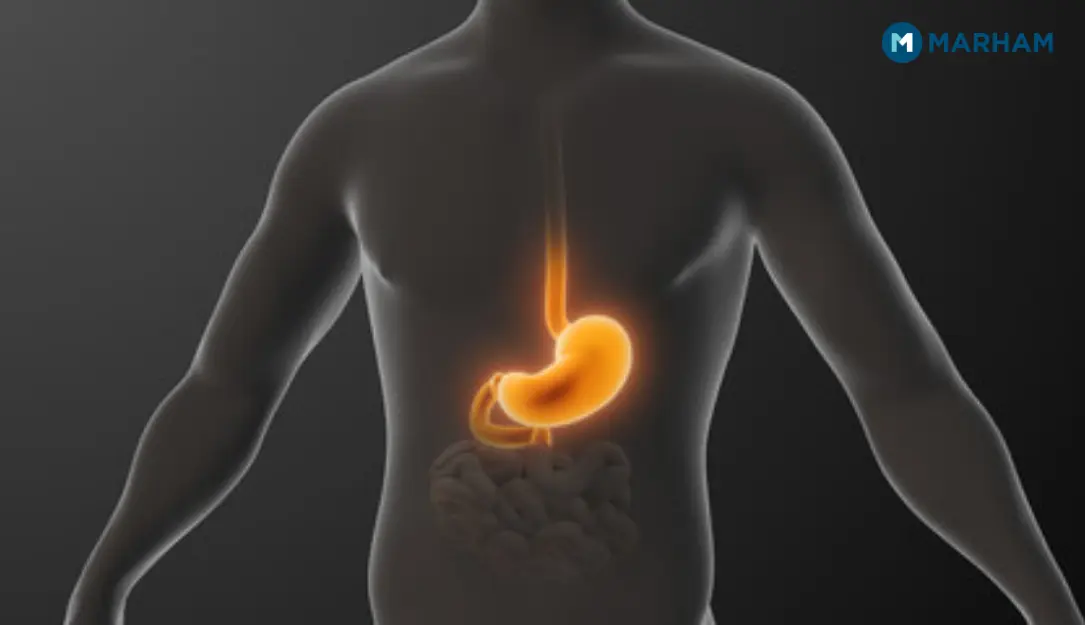
Acidity can show up in different ways. Some people only get mild heartburn while others experience severe symptoms that make fasting extremely difficult. Here are the most common signs:
Heartburn (Seenay Ki Jalan / سینے کی جلن): A burning feeling in your chest, usually after eating or when lying down. This is the most common symptom of acid reflux during Ramadan.
Sour or Bitter Taste in Mouth: When stomach acid travels up to your throat, you may taste something sour or bitter. This often happens after sehri when you go back to sleep.
Bloating and Gas (Pait Ka Phoola / پیٹ کا پھولا): Feeling uncomfortably full and bloated after iftar, often accompanied by excessive burping or gas. This happens when your stomach struggles to digest heavy or fried foods.
Nausea (Matli / متلی): Feeling like you might vomit, especially in the last hours of fasting or right after breaking your fast. Excess stomach acid on an empty stomach is the usual cause.
Stomach Pain (Pait Mein Dard / پیٹ میں درد): A burning or aching pain in the upper abdomen, sometimes spreading to the back. This can range from mild discomfort to sharp pain.
Difficulty Swallowing: In more severe cases of acid reflux, the acid can irritate your throat and make swallowing uncomfortable or painful.
Bad Breath: Stomach acid and undigested food sitting in your stomach for long hours can cause noticeable bad breath during fasting.
If any of these symptoms are severe, happen every single day, or are getting worse as Ramadan progresses, do not just tolerate them. Consult a doctor because chronic acidity can lead to more serious conditions like gastritis, stomach ulcers, or GERD (gastroesophageal reflux disease).
How to Treat Acidity During Ramadan
Treating acidity during Ramadan requires a combination of dietary changes, eating habits, timing adjustments, and in some cases, medication. Here is a complete approach that works for Pakistani households.
1. Break Your Fast Gently
The single most important thing you can do for acidity is how you break your fast. Do not sit down at a fully loaded table and start eating everything at once. Instead, follow this simple routine:
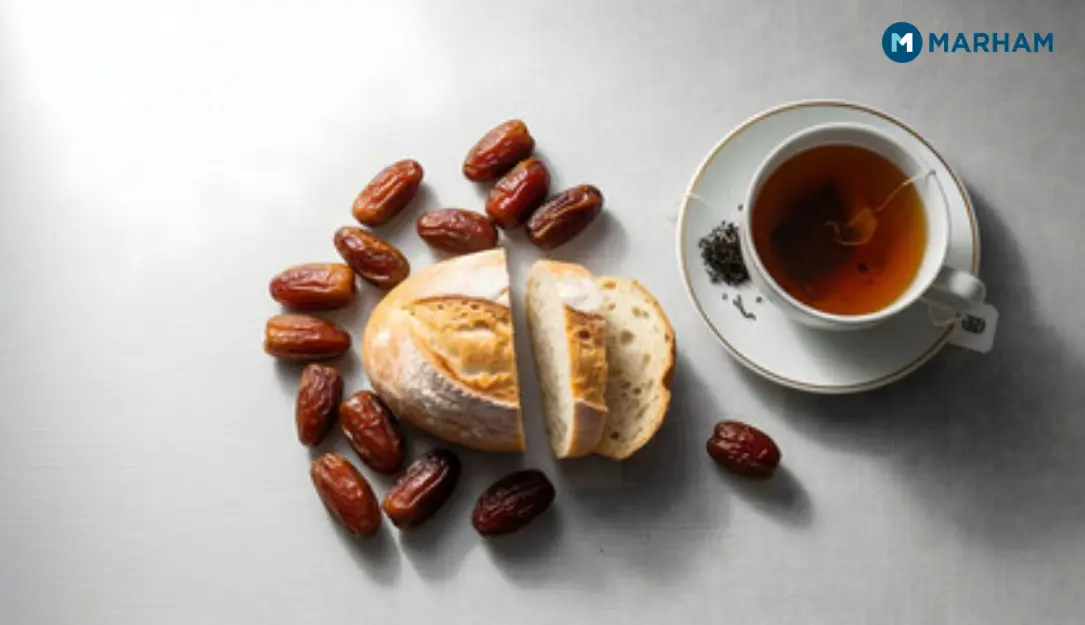
Start with 1 to 2 dates and a glass of room temperature water. Dates provide natural sugar and fiber while water rehydrates your stomach gently. Go pray Maghrib. This 5 to 10 minute gap gives your stomach time to wake up and prepare for digestion. Come back and start with something light like a bowl of soup or a small salad before moving to the main meal. This gradual approach prevents the acid surge that happens when you dump a lot of food into an empty stomach at once.
2. Eat Smaller Portions at Iftar
Your stomach has been empty for over 14 hours. It has physically contracted during the fast and cannot handle the same volume of food it normally would. Eating a huge plate of biryani, 6 samosas, chaat, and then dessert overwhelms your digestive system. Eat a moderate plate of food and stop before you feel completely full. It takes about 20 minutes for your brain to register that your stomach is satisfied, so eat slowly and give your body time to catch up.
3. Avoid These Foods at Iftar
Certain foods are known acidity triggers and should be limited or avoided during Ramadan, especially if you already suffer from heartburn or acid reflux:
Deep fried foods (pakoras, samosas, spring rolls, fried cutlets) should be limited to once or twice a week, not daily. Extremely spicy curries and chutneys irritate the stomach lining and increase acid production. Carbonated drinks and fizzy sodas increase gas and pressure in the stomach. Citrus fruits like oranges and grapefruit can worsen acid reflux in sensitive individuals. Tomato based sauces and heavily processed foods are also common triggers. Chocolate and very sweet desserts slow down digestion and relax the valve between your stomach and esophagus, allowing acid to escape upward.
4. Choose Stomach Friendly Iftar Foods
Replace acidity triggering foods with options that are gentle on your digestive system:
Soups (chicken corn soup, lentil soup, vegetable soup) are warm, hydrating, and easy to digest. Plain yogurt (dahi) or raita contains probiotics that balance your gut bacteria and reduce acid irritation. Grilled or baked chicken instead of fried chicken gives you protein without the excess oil. Boiled rice or one roti with a mild curry is easier on the stomach than heavy biryani or nihari. Bananas are a natural antacid that help coat the stomach lining and reduce irritation. Oatmeal or daliya at sehri absorbs stomach acid and provides slow release energy.
5. Fix Your Sehri for Less Acidity
What you eat at sehri directly affects how much acidity you experience during the fasting hours. A good acidity preventing sehri includes:
One to two eggs (boiled or scrambled) with whole wheat roti. A bowl of oatmeal or daliya with milk and a banana. Plain yogurt or a glass of lassi to coat your stomach before the fast. Avoid parathas fried in excessive oil, spicy nihari, and heavy meat dishes at sehri. And most importantly, skip the doodh patti chai. If you absolutely need something warm, switch to a mild herbal tea or simply have warm milk.
6. Do Not Sleep Immediately After Sehri
This is critical. After eating sehri, stay upright for at least 20 to 30 minutes before lying down. Use this time for Fajr prayer, light reading, or simply sitting up. If you must go back to sleep, elevate your head and upper body with an extra pillow. Keeping your head higher than your stomach helps gravity prevent acid from flowing back into your esophagus.
7. Stay Hydrated Between Iftar and Sehri
Drink 8 to 10 glasses of water between iftar and sehri. Do not try to drink it all at once because that can actually worsen bloating and reflux. Sip water consistently throughout the evening. Keep a water bottle with you during Taraweeh prayers and sip between sets of rakaat. Proper hydration strengthens the protective mucus lining in your stomach and helps dilute acid.
8. Take Prescribed Medication at the Right Time
If your doctor has prescribed medication for acidity, GERD, or gastritis, do not stop taking it during Ramadan. Most acid reducing medications can be taken at sehri time or before bed. Proton pump inhibitors (PPIs) and H2 blockers are commonly prescribed for chronic acidity and are usually taken once daily, making them easy to fit into the Ramadan schedule. Never self medicate and always consult your doctor about adjusting your medication timing for Ramadan.
Home Remedies for Acidity During Ramadan
Pakistani households have been using natural remedies for acidity long before modern medicine. Many of these actually have scientific backing. Here are some effective home remedies you can try during Ramadan 2026.
Cold Milk (Thanda Doodh)
A glass of cold milk after iftar can provide quick relief from heartburn. Milk is alkaline in nature and helps neutralize stomach acid temporarily. The cold temperature also soothes the burning sensation in the chest and throat. Choose plain, cold milk without adding sugar or flavoring.
Banana (Kela)
Bananas are one of the best natural antacids. They contain natural compounds that stimulate the stomach lining to produce a thicker protective mucus barrier against acid. Eating one banana at iftar or sehri can significantly reduce acidity symptoms. They are also gentle on the stomach, easy to digest, and provide potassium that helps with hydration.
Fennel Seeds (Saunf)
Chewing a teaspoon of saunf after iftar is a classic Pakistani remedy for digestion. Fennel seeds contain compounds that relax the smooth muscles of the digestive tract, reduce gas, and ease bloating. You can chew them directly, steep them in warm water for a soothing tea, or simply keep a small bowl on the iftar table for everyone to use after eating.
Ginger (Adrak)
Ginger has been used in traditional Pakistani medicine for centuries to treat stomach issues. It helps speed up digestion and reduces the time food sits in your stomach producing acid. Add fresh ginger slices to warm water and sip after iftar. You can also add grated ginger to soups and curries during Ramadan.
Ajwain Water (Ajwain Ka Pani)
Ajwain (carom seeds) is a go to remedy in Pakistani homes for gas, bloating, and indigestion. Boil a teaspoon of ajwain in a glass of water, let it cool slightly, and drink it after iftar. It provides quick relief from bloating and helps your stomach process food more efficiently.
Yogurt and Dahi
Plain yogurt is naturally soothing for an irritated stomach. The probiotics in fresh dahi help maintain healthy gut bacteria, which improves digestion overall. Have a bowl of plain dahi or a glass of unsweetened lassi at iftar. Adding a pinch of cumin powder (zeera) to your lassi makes it even more effective for digestion.
Aloe Vera Juice
Aloe vera has anti inflammatory properties that can soothe an irritated stomach lining. Drinking a small amount (about 2 tablespoons) of natural aloe vera juice before iftar may help reduce acid irritation. Make sure to use food grade aloe vera juice and start with a small amount to see how your body responds.
رمضان میں تیزابیت کا علاج | Acidity During Ramadan in Urdu
رمضان میں تیزابیت کی سب سے بڑی وجہ خالی پیٹ میں تیزاب کا بننا، افطاری میں تلی ہوئی اور مسالے دار چیزیں کھانا، اور سحری کے فوراً بعد سو جانا ہے۔ تیزابیت سے بچنے کے لیے افطاری کھجور اور پانی سے شروع کریں اور مغرب کی نماز کے بعد ہلکا کھانا کھائیں۔ تلی ہوئی چیزیں روزانہ کھانے کی بجائے ہفتے میں ایک دو بار رکھیں۔ سحری میں چائے کی بجائے دودھ یا لسی پئیں اور دلیہ، انڈے، اور دہی جیسی ہلکی غذائیں کھائیں۔ سحری کے بعد کم از کم 20 سے 30 منٹ بیٹھے رہیں اور فوراً نہ لیٹیں۔ افطاری سے سحری تک 8 سے 10 گلاس پانی ضرور پئیں۔ سونف، ادرک کا پانی، ٹھنڈا دودھ، اور کیلا قدرتی طور پر تیزابیت میں آرام دیتے ہیں۔ اگر تیزابیت شدید ہو یا روزانہ ہو تو ڈاکٹر سے ضرور مشورہ کریں اور مرہم پر ماہر ڈاکٹر سے اپائنٹمنٹ بک کریں۔
Best Foods for Acidity Relief During Ramadan
| Food | How It Helps | When to Eat |
| Banana (Kela) | Natural antacid, coats stomach lining | Iftar and sehri |
| Plain Yogurt (Dahi) | Probiotics, soothes irritation | Iftar with meals |
| Oatmeal (Daliya) | Absorbs acid, slow digestion | Sehri |
| Cucumber (Kheera) | Cooling, alkaline, hydrating | Iftar salad |
| Watermelon (Tarbooz) | High water content, alkaline | After iftar |
| Boiled Rice (Chawal) | Easy to digest, gentle on stomach | Iftar main meal |
| Ginger (Adrak) | Speeds digestion, reduces gas | Ginger tea after iftar |
| Fennel Seeds (Saunf) | Reduces bloating and gas | After iftar |
| Cold Milk (Thanda Doodh) | Neutralizes acid temporarily | After iftar or before bed |
| Whole Wheat Roti | Absorbs acid, provides fiber | Sehri and iftar |
Foods That Make Acidity Worse During Ramadan
| Food | Why It Triggers Acidity |
| Pakoras and Samosas | Deep fried, slow to digest, increase stomach pressure |
| Spicy Curries (Nihari, Haleem) | Irritate stomach lining, increase acid production |
| Doodh Patti Chai | Caffeine stimulates acid, causes dehydration |
| Carbonated Drinks | Gas increases stomach pressure, triggers reflux |
| Chocolate and Sweets | Relax esophageal valve, allow acid to escape |
| Citrus Fruits | Increase stomach acid in sensitive individuals |
| Fried Parathas | Heavy, oily, take long to digest |
| Processed Snacks | High sodium, artificial ingredients irritate gut |
Can You Fast With Acidity or GERD?
Many people with chronic acidity or GERD worry about whether they can fast safely during Ramadan. The answer depends on the severity of your condition.
Mild to Moderate Acidity: Most people with occasional acidity can fast safely by following the dietary guidelines in this article, taking prescribed medications at sehri or after iftar, and avoiding trigger foods. Fasting may actually help some people by reducing the frequency of meals and giving the stomach time to rest.
Severe GERD or Active Ulcers: If you have been diagnosed with severe GERD, active stomach ulcers, or chronic gastritis, consult your gastroenterologist before Ramadan. Your doctor may adjust your medication timing, recommend specific dietary modifications, or in some cases advise against fasting if it could worsen your condition. Islam provides exemptions for those whose health would be seriously affected by fasting, so do not risk your health without medical guidance.
The key is preparation. See your doctor before Ramadan starts, get your medication schedule sorted, and have a clear eating plan that avoids your personal trigger foods.
Acidity Prevention Checklist for Ramadan 2026
Here is a quick daily checklist you can follow throughout Ramadan to keep acidity under control:
At Sehri: Eat a balanced meal with eggs, oatmeal, yogurt, or roti with daal. Skip the chai and have milk or water instead. Finish eating 20 to 30 minutes before sleeping. Take prescribed acidity medication if recommended by your doctor.
During the Fast: If you feel acid building up, do not panic. Stay upright and avoid lying down. Light movement like walking can help. Avoid stress as much as possible because stress increases acid production.
At Iftar: Break fast with dates and water. Pray Maghrib before the main meal. Start with soup or salad. Eat slowly and chew properly. Avoid fried items daily. Skip carbonated drinks entirely.
After Iftar: Chew saunf or drink ginger tea for digestion. Walk for 10 to 15 minutes instead of lying down. Sip water consistently until sehri. Do not eat heavy snacks late at night. Wait at least 2 hours after your last meal before sleeping.
Book a Gastroenterologist on Marham
If acidity is making your Ramadan miserable every year, it is time to get professional help. A gastroenterologist can identify whether you have simple acidity, GERD, gastritis, or an ulcer, and give you a treatment plan that is specifically designed to work during Ramadan fasting.
Book a consultation with a top gastroenterologist through Marham before Ramadan 2026 begins so you can fast comfortably and focus on ibaadat instead of worrying about heartburn. Call 0311 1222398 or visit Marham.pk to book your appointment today.
Conclusion
Acidity during Ramadan is incredibly common in Pakistan but it does not have to ruin your fasting experience. The biggest causes are overeating at iftar, consuming too many fried and spicy foods, drinking tea at sehri, sleeping right after eating, and not staying hydrated enough between meals.
The treatment is simpler than most people think. Break your fast gently with dates and water. Eat smaller portions. Replace fried foods with grilled or baked alternatives. Add stomach friendly foods like yogurt, bananas, oatmeal, and soups to your daily routine. Use desi remedies like saunf, ginger, and cold milk for quick relief. Stay hydrated and do not lie down right after eating.
If your acidity is severe or persistent, do not just power through it. Consult a gastroenterologist through Marham and get a proper diagnosis and treatment plan before Ramadan 2026 so you can focus on fasting, prayer, and making the most of this blessed month. Ramadan Mubarak!
