

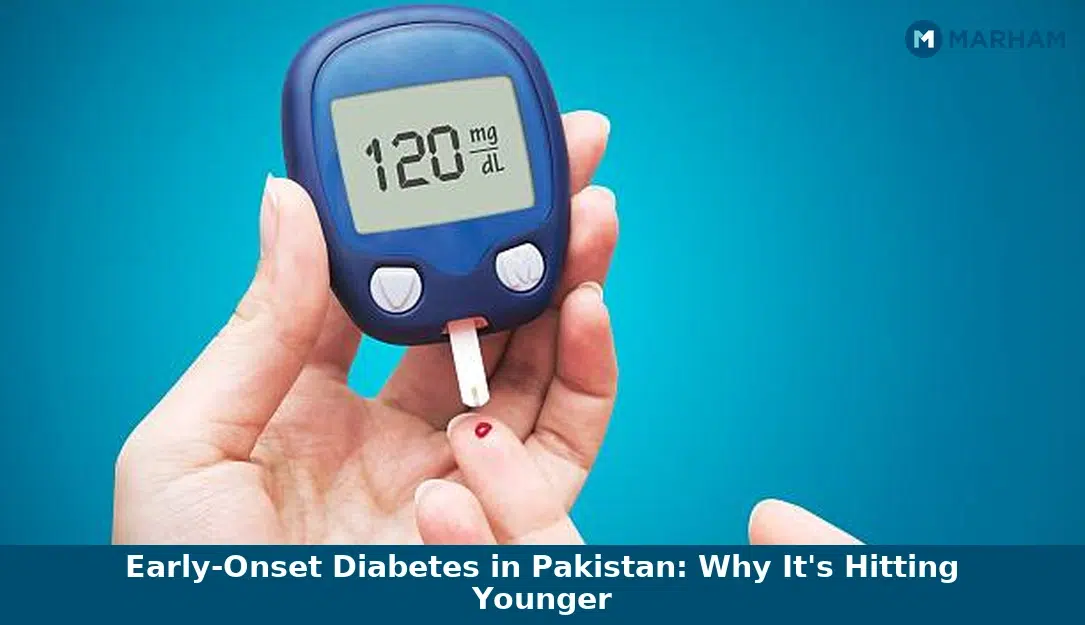

Your father probably got his diabetes diagnosis in his mid-fifties. Your uncle, maybe late forties. But today, endocrinologists in Karachi and Lahore are routinely seeing patients in their late twenties and early thirties walking in with type 2 diabetes — not prediabetes, actual diabetes. Something has changed, and it has changed fast.
Pakistan already carries one of the heaviest diabetes burdens in the world. According to the International Diabetes Federation (2023), roughly 33 million Pakistani adults are living with diabetes, with a national prevalence of 26.7% among adults aged 20 to 79. What the headline number hides is the generational shift underneath it: early-onset diabetes, diagnosed at age 35 or younger, is now a recognised public health crisis in the country.
The reasons are not mysterious. They are specific, they are Pakistani, and most of them are things you can actually do something about. This piece walks through what is driving the shift and what practical steps reduce your risk — whether you are 28 or 48.
Quick Answer
Early-onset diabetes in Pakistan refers to type 2 diabetes diagnosed at age 35 or younger, a pattern now rising sharply due to a combination of South Asian genetic susceptibility, rapid dietary shifts toward ultra-processed foods and sugary drinks, physical inactivity, poor sleep, and urban lifestyles. Pakistani clinical guidelines now recommend diabetes screening from age 30, not 45, because of this trend.
How Much Earlier Are Pakistanis Getting Diabetes?
The generational gap is measurable. A 2024 study published in Nature Medicine found that South Asians with high genetic risk for insulin deficiency and unfavorable fat distribution are diagnosed with type 2 diabetes roughly 8 years earlier in life than their European counterparts, and at a significantly lower body weight. That is not a small difference — that is a whole decade of disease burden arriving ahead of schedule.
Within Pakistan specifically, a 2025 multicenter study conducted at the Baqai Institute of Diabetology and Endocrinology in Karachi found that early-onset diabetes (diagnosed at age 35 or younger) is a growing crisis, with physical inactivity reported in 66.4% of young patients and frequent sugary beverage consumption emerging as one of the strongest modifiable risk factors. The same research identified a two-generation family history of diabetes as a significant independent predictor of early onset, separate from body weight.

Pakistani clinical guidelines have already responded. A 2023 adaptation of diabetes management guidelines for Pakistan, published in PubMed, lowered the recommended age to begin routine diabetes screening from 45 years to 30 years — specifically because of the higher prevalence of type 2 diabetes in younger Pakistanis. Most people in Pakistan do not know this. They are still waiting until their fifties to get their first blood sugar check.
Why Is Early-Onset Diabetes Rising in Pakistan? The 6 Real Drivers
The shift is not one thing. It is six things stacking on top of each other, and the combination is what makes the Pakistani situation distinct from global trends.
1. The South Asian Metabolic Difference
South Asians, including Pakistanis, carry a higher genetic susceptibility to insulin resistance and beta-cell dysfunction — the two core mechanisms behind type 2 diabetes. Critically, this risk activates at a lower body weight than in European populations. A Pakistani man with a BMI of 24 (technically “normal” by global standards) can already have significant visceral fat around the organs and early insulin resistance. The old rule of “you need to be obese to get diabetes” simply does not apply here.
2. The Dietary Shift Between Generations
Your parents’ generation ate differently. A typical meal in a Lahori or Karachite household thirty years ago was roti with daal, sabzi, and a small portion of meat — high in fibre, moderate in refined carbs, low in added sugar. Today, the same household is more likely to include packaged biscuits, white bread, bottled juices, and a cold drink with dinner. Ultra-processed snacks — nimko, chips, cream rolls — have replaced seasonal fruit as the between-meal default.
The glycaemic load of the average Pakistani diet has risen sharply. Refined flour (maida), white rice, and sweetened beverages cause rapid blood sugar spikes that, repeated daily over years, progressively exhaust the pancreas’s insulin-producing cells. This is the dietary mechanism behind the generational gap.
3. Sugary Drinks Are a Specific, Underestimated Risk
The Baqai/Sindh study (2025) found that frequent sugary beverage intake had one of the strongest associations with early-onset diabetes among young Pakistanis aged 15 to 35. This includes cold drinks, packaged juices, energy drinks, and heavily sweetened chai. A single 500ml bottle of a standard cola contains roughly 53 grams of sugar — more than the WHO’s recommended daily limit for added sugar for an adult. Many young Pakistanis consume two or three of these daily, often without thinking of them as food.

4. Physical Inactivity in Urban Pakistan
Urban Pakistani life has become structurally sedentary. Long commutes by rickshaw or car, desk-based work, limited safe walking infrastructure in cities like Karachi, and the cultural norm of rest after meals all reduce daily movement. The 2025 Sindh study found physical inactivity in 66.4% of young patients with early-onset diabetes. Muscle tissue is the body’s primary site for glucose uptake — less muscle activity means more glucose stays in the bloodstream after meals.
5. Sleep Disruption
This is the driver most Pakistani health content ignores. The same 2025 Baqai study found that both short sleep (under 6 hours) and long sleep (over 8 hours) were independently associated with early-onset diabetes. Late-night screen time, irregular sleep schedules, and the cultural habit of staying up past midnight are now common across Pakistani cities. Poor sleep raises cortisol and disrupts insulin sensitivity — two mechanisms that directly worsen blood sugar regulation.
6. Stress and Mental Load
Chronic psychological stress raises cortisol, which in turn raises blood glucose. Economic pressure, job insecurity, and the pace of urban life in Pakistani cities contribute to a sustained stress load that many young adults carry without recognising its metabolic consequences. This does not mean stress alone causes diabetes, but in someone already carrying genetic risk and a poor diet, it accelerates the timeline.
The “Thin but Diabetic” Problem in Pakistani Patients
One of the most dangerous misconceptions among young Pakistanis is that diabetes is a disease of overweight people. It is not — not in South Asian populations. Because Pakistanis develop insulin resistance at a lower BMI, a person who looks slim can have significant visceral fat (fat stored around the liver and pancreas) and already be in prediabetes.
Clinicians at Aga Khan University Hospital in Karachi have noted this pattern repeatedly: young patients presenting with fatigue, frequent urination, or blurred vision who are surprised by a diabetes diagnosis because they are not overweight. Waist circumference is a more reliable warning sign than body weight for South Asians. A waist above 90 cm in men or 80 cm in women signals elevated metabolic risk, per WHO Asia-Pacific criteria.
What the Numbers Look Like: A Risk Comparison
| Risk Factor | Your Parents’ Generation (1980s-90s) | Current Generation (2000s-2020s) |
|---|---|---|
| Daily diet base | Roti, daal, sabzi, seasonal fruit | Maida bread, packaged snacks, cold drinks |
| Physical activity | Walking to school/market common | Car/rickshaw commutes, desk jobs |
| Sugary beverage intake | Occasional (chai, seasonal sharbat) | Daily cold drinks, packaged juices |
| Average sleep | Earlier bedtimes, less screen exposure | Late nights, irregular schedules |
| Recommended screening age (Pakistan) | 45 years | 30 years (updated 2023 guidelines) |
| Typical diagnosis age (high-risk South Asians) | Mid-50s | Up to 8 years earlier (Nature Medicine, 2024) |
How to Reduce Your Risk: 6 Steps That Actually Fit Pakistani Life
Prevention is not about perfection. It is about shifting the daily average in the right direction. These steps are grounded in what Pakistani endocrinologists actually advise, not generic global wellness advice.
- Replace cold drinks with nimbu pani or sattu sharbat. Cutting out one 500ml cold drink per day removes over 50 grams of added sugar from your diet. Nimbu pani with a pinch of black salt (kala namak) is a practical, cheap, and genuinely Pakistani substitute that most households already know how to make. Sattu (roasted gram flour) mixed with water and a little salt is another traditional option with a low glycaemic load.
- Switch from maida to atta for your daily roti. Whole-wheat atta roti raises blood sugar more slowly than naan or paratha made from refined flour. This is not about eating less roti — it is about which roti. Most local chakki shops in Lahore, Karachi, and smaller cities sell freshly ground whole-wheat atta for roughly Rs 80 to 120 per kg.
- Walk for 30 minutes after your largest meal. Post-meal walking is one of the most evidence-supported ways to blunt blood sugar spikes. You do not need a gym. A 30-minute walk after dinner — even around your street or rooftop — meaningfully improves insulin sensitivity over time, according to the American Diabetes Association (2024).
- Protect your sleep window. Aim for 7 to 8 hours of sleep at consistent times. The 2025 Baqai study found both short and long sleep independently associated with early-onset diabetes in young Pakistanis. Putting your phone away by 11 pm is not a wellness cliché — it is a metabolic intervention.
- Add a protein or fibre source to every meal. Daal, chana, rajma, and eggs are affordable, widely available in Pakistan, and slow the absorption of carbohydrates from the same meal. A bowl of masoor daal alongside roti produces a much lower blood sugar response than roti alone. This is the kind of dietary shift that fits a Pakistani kitchen without requiring imported superfoods.
- Get your fasting blood sugar and HbA1c checked from age 30. An HbA1c test costs between Rs 1,500 and Rs 3,500 at most labs in Pakistan. A fasting blood sugar test is cheaper, usually Rs 300 to 600. If you have a parent or sibling with diabetes, do not wait — get tested now, regardless of your age or weight. Prediabetes is reversible; diabetes caught early is manageable. Diabetes caught late is not.
If your fasting blood sugar or HbA1c comes back above normal, or if you have two or more risk factors listed above, speaking to an endocrinologist is the right next step.
When Should Pakistanis Get Tested for Diabetes?
Pakistani clinical guidelines now recommend starting diabetes screening at age 30 for the general population — 15 years earlier than the old global standard of 45. If you have a family history of diabetes, are overweight, have high blood pressure, or have had gestational diabetes, screening should begin even earlier, regardless of age.
Two tests matter most. A fasting blood sugar reading consistently above 126 mg/dL on two separate occasions may indicate diabetes, but diagnosis always requires clinical evaluation by a doctor — a single reading is not enough. An HbA1c of 6.5% or above on two tests is also diagnostic. Between 5.7% and 6.4% is prediabetes, a window where intervention can still prevent progression. You can read more about understanding your results with tools like AI-assisted lab report analysis, though any abnormal result should always be reviewed by a qualified clinician.
Consulting a qualified endocrinologist in Pakistan is the most reliable way to interpret results and build a personalised prevention or management plan. Marham connects patients with PMC-verified endocrinologists across 155 cities, with online consultations available from Rs 500.
Key Takeaways
- Early-onset diabetes (diagnosed at age 35 or younger) is a growing public health crisis in Pakistan, with nearly 18% of all diagnosed cases now occurring in people under 40, according to the International Diabetes Federation (2023).
- South Asians, including Pakistanis, develop type 2 diabetes up to 8 years earlier than European populations and at a lower body weight, according to a 2024 study in Nature Medicine.
- Pakistani clinical guidelines now recommend diabetes screening from age 30, not 45, due to the higher prevalence of type 2 diabetes in younger Pakistanis (PubMed, 2023).
- Physical inactivity (66.4% prevalence) and frequent sugary beverage consumption are the two strongest modifiable risk factors for early-onset diabetes in young Pakistanis, per the Baqai Institute study (2025).
- A waist circumference above 90 cm in Pakistani men or 80 cm in Pakistani women signals elevated metabolic risk, even at a normal body weight, per WHO Asia-Pacific criteria.
- Replacing cold drinks with nimbu pani, switching to whole-wheat atta, walking 30 minutes after meals, and protecting sleep are practical, Pakistan-specific steps that reduce diabetes risk.
Frequently Asked Questions
Can young Pakistanis really get type 2 diabetes?
Yes. Type 2 diabetes is increasingly being diagnosed in Pakistanis in their twenties and thirties. Pakistani clinical guidelines now recommend screening from age 30 because of this trend, and a 2025 Karachi-based study found early-onset diabetes (diagnosed at 35 or younger) is a growing crisis in the country.
Is diabetes genetic in Pakistani families?
Genetic predisposition plays a significant role. Having a parent or sibling with type 2 diabetes raises your personal risk substantially, and a 2025 study from the Baqai Institute found a two-generation family history to be a strong independent predictor of early-onset diabetes in young Pakistanis. Genetics is not destiny, but it does mean you should screen earlier and be more careful with lifestyle habits.
What foods are most likely to cause diabetes in Pakistan?
Frequent consumption of sugary cold drinks, packaged juices, refined-flour foods (maida bread, naan, biscuits), and heavily sweetened chai are the main dietary drivers. These cause repeated blood sugar spikes that, over years, can lead to insulin resistance and eventually type 2 diabetes.
Can prediabetes be reversed in Pakistan?
Yes, prediabetes is often reversible with sustained lifestyle changes — particularly weight loss, reduced refined carbohydrate intake, and regular physical activity. The earlier it is caught, the better the chance of preventing progression to full diabetes. This is why getting tested from age 30 matters.
What is the difference between prediabetes and diabetes?
Prediabetes means blood sugar is higher than normal but not yet at diabetic levels — an HbA1c of 5.7% to 6.4%, or a fasting blood sugar of 100 to 125 mg/dL. Diabetes is diagnosed when HbA1c reaches 6.5% or above, or fasting blood sugar is consistently above 126 mg/dL on two separate tests, confirmed by a doctor.
How much does a diabetes test cost in Pakistan?
A fasting blood sugar test typically costs Rs 300 to 600 at most labs in Pakistan. An HbA1c test, which gives a 3-month average of blood sugar levels, usually costs Rs 1,500 to 3,500 depending on the city and lab. Both tests are widely available in Karachi, Lahore, Islamabad, and smaller cities.
When should I see a doctor about diabetes risk?
See a doctor if you are 30 or older and have not been tested, if you have a family history of diabetes, if your waist is above 90 cm (men) or 80 cm (women), or if you experience frequent thirst, fatigue, or blurred vision. An endocrinologist in Pakistan can assess your full risk and guide next steps.
Early-Onset Diabetes in Urdu
پاکستان میں نوجوان نسل میں ذیابیطس تیزی سے بڑھ رہی ہے۔ اب 30 سال کی عمر سے ہی بلڈ شوگر کا ٹیسٹ کروانا ضروری ہے، کیونکہ پاکستانی رہنما اصولوں نے اسکریننگ کی عمر 45 سے کم کر کے 30 سال کر دی ہے۔ میٹھے مشروبات، میدے کی روٹی اور جسمانی سستی اس بیماری کے سب سے بڑے اسباب ہیں۔ نیم پانی پئیں، آٹے کی روٹی کھائیں، کھانے کے بعد 30 منٹ چلیں اور نیند کا خیال رکھیں۔ اگر خاندان میں ذیابیطس کی تاریخ ہے تو فوری طور پر ڈاکٹر سے رجوع کریں۔
Conclusion
The generational shift in diabetes onset is real, it is documented, and it is happening in Pakistani households right now. The good news is that the drivers are mostly lifestyle-based, which means they are mostly changeable. Knowing your numbers from age 30, cutting sugary drinks, eating more whole foods from your own kitchen, and moving your body daily are not dramatic interventions — they are small, consistent habits that add up to a meaningfully lower risk. The earlier you start, the more room you have to act before the disease does.
This article is for informational purposes only and does not constitute medical advice. Please consult a qualified doctor for diagnosis, treatment, or any health concerns.