


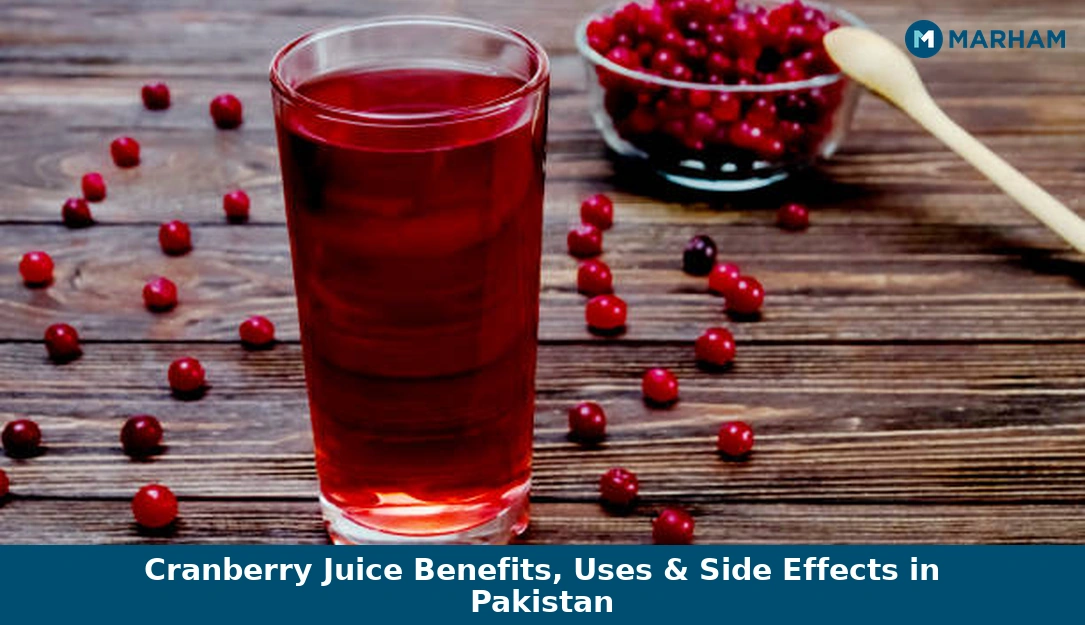

Cranberry juice has quietly become one of the more popular imported health drinks in Pakistan, sitting on shelves at supermarkets in Karachi, Lahore, and Islamabad alongside familiar local options. Its deep ruby colour and sharp, tart flavour set it apart from the sweeter juices most Pakistani households reach for.
The drink draws most of its attention from women who have heard it helps with urinary tract infections (UTIs), a condition that is genuinely common in Pakistan’s hot, humid climate, particularly during summer months when dehydration is a daily reality. But the benefits go further than that, and so do the cautions.
This guide covers what cranberry juice actually does for your body, who should be careful with it, and how to pick the right product when shopping in Pakistan.
کرین بیری جوس: اہم معلومات
کرین بیری جوس ایک تیز ذائقے والا مشروب ہے جو پاکستان میں صحت کے شوقین افراد میں تیزی سے مقبول ہو رہا ہے۔ یہ جوس پیشاب کی نالی کے انفیکشن (UTI) سے بچاؤ میں مددگار ہو سکتا ہے، خاص طور پر خواتین کے لیے۔ اس میں وٹامن سی، اینٹی آکسیڈنٹس اور پروانتھوسیانیڈنز جیسے مفید اجزاء پائے جاتے ہیں۔ تاہم، زیادہ مقدار میں پینے سے معدے کی تکلیف اور بلڈ شوگر میں اضافہ ہو سکتا ہے۔ خون پتلا کرنے والی ادویات استعمال کرنے والے افراد کو ڈاکٹر سے مشورہ کرنا چاہیے۔
What Is Cranberry Juice Good For? Key Benefits
Cranberry juice contains several active compounds that researchers have studied for their health effects. The most important are proanthocyanidins (PACs), a type of antioxidant, along with vitamin C, flavonoids, and anthocyanins. Here is what the evidence actually supports.
1. May Help Prevent Urinary Tract Infections
Urinary tract infections are one of the most common reasons Pakistani women visit a doctor, especially in summer. Research suggests that PACs can help by preventing certain bacteria, such as E. coli, from sticking to the mucosal walls of the bladder and urinary tract. This is the anti-adhesion mechanism that makes cranberry juice useful as a preventive habit.
One important distinction most Pakistani readers don’t hear: some research suggests cranberry juice may help prevent UTIs, but it doesn’t help with active infections, aside from providing hydration. If you already have a UTI with burning, frequency, or fever, you need antibiotics from a doctor, not just cranberry juice.
2. Supports Heart Health
Many studies have found that cranberry juice may lower cholesterol levels and blood pressure, reducing your chance of getting heart disease. Anthocyanins, which give cranberry juice its deep red colour, benefit heart health by stopping plaque from building up inside the arteries, which can lead to hardened arteries, heart attacks, or high blood pressure. For Pakistani adults, where cardiovascular disease is among the leading causes of mortality, this is a meaningful potential benefit.
3. Rich in Antioxidants
Cranberry juice provides vitamin C and other antioxidants that support immune health, reduce inflammation, and benefit your skin. Cranberry juice is an excellent source of vitamin C, providing 26% of your suggested daily allowance in an 8-ounce serving. Vitamin C also supports collagen production, which matters for skin health.
4. May Support Digestive Health
Antioxidants in cranberry juice, particularly A-type proanthocyanidins, help lower the amount of harmful bacteria living in your gut, protecting its lining from damage linked to an unhealthy diet. Some research suggests that inhibiting the production of Helicobacter pylori (H. pylori) bacteria in the stomach might promote digestive health, though researchers note that further study is needed before drawing firm conclusions.
5. May Benefit Postmenopausal Women
In postmenopausal people, bone loss is a common problem. On average, a person loses 10% of their bone mass within the first 5 years of menopause. Research suggests that antioxidants can slow down this process over time. Cranberry juice’s antioxidant content may contribute to this protective effect, though it should not replace calcium or medical management.
Cranberry Juice Nutrition Facts (per 240 ml serving)
The table below is based on 100% unsweetened cranberry juice, not a cocktail blend, according to USDA food composition data.
| Nutrient | Amount per 240 ml |
|---|---|
| Calories | 116 kcal |
| Total Sugar | 31 g |
| Vitamin C | 23.5 mg (26% DV) |
| Vitamin E | 3 mg |
| Vitamin K | 5.1 mcg |
| Potassium | 195 mg |
| Antioxidants (PACs) | Present (varies by brand) |
DV = Daily Value based on a 2,000-calorie diet.
Cranberry Juice vs Cranberry Cocktail: What Pakistani Shoppers Need to Know
This distinction matters more in Pakistan than most guides acknowledge. The most widely available product on Pakistani supermarket shelves is Ocean Spray Cranberry Cocktail, not 100% pure cranberry juice. To avoid added sugar, choose 100% pure, unsweetened cranberry juice, instead of juices labelled “cranberry cocktail.”
| Feature | 100% Pure Juice | Cranberry Cocktail |
|---|---|---|
| Sugar content | Lower (natural only) | High (added sugar) |
| PAC concentration | Higher | Lower |
| Suitable for diabetics | With caution | Not recommended |
| Typical price in Pakistan | PKR 1,200 to 1,700+ per litre | PKR 700 to 1,200 per litre |
| Best for UTI prevention | Yes | Less effective |
If you’re buying locally in Islamabad or Lahore, Esajee’s stocks Ocean Spray 100% pure cranberry juice. Hilton Pharma’s Cran-Max sachets (around PKR 650 for a 10-pack at Naheed.pk) are a more concentrated, lower-sugar alternative worth considering.
How to Add Cranberry Juice to Your Daily Routine
These steps are practical for a Pakistani household context.
- Start with a small amount. Begin with 120 ml per day, especially if you have a sensitive stomach or are prone to acidity. Cranberry juice is tart and acidic.
- Drink it in the morning or midday. Cranberry juice has a mild diuretic effect, so drinking it close to bedtime can cause frequent waking during the night. Morning or after lunch is better.
- Choose unsweetened. If you find pure cranberry juice too tart (most Pakistanis do), dilute it with water or add a small amount of honey rather than buying a sweetened cocktail blend.
- Pair it with a meal. Drinking it alongside roti, daal, or any regular meal slows sugar absorption and reduces the chance of a blood sugar spike.
- Do not replace water with it. Pakistani summers mean heavy sweating. Cranberry juice is not a substitute for plain water, especially during Ramadan fasting hours.
- Check the label for added sugar. Many imported brands sold in Pakistan add high-fructose corn syrup. Avoid cranberry juice cocktails with high-fructose corn syrup or added sugars, as they can cause rapid spikes in blood glucose levels.
- Keep the daily amount modest. Limit daily consumption to 120 ml to 240 ml. More than this provides no additional benefit and increases the risk of digestive discomfort.
Side Effects and Who Should Be Careful
Cranberry juice is safe for most healthy adults in moderate amounts, but there are real precautions worth knowing.
Stomach upset and acidity. Cranberry juice is acidic and can contribute to stomach upset or acid reflux in some individuals. People who already have gastritis or GERD should be especially cautious.
High sugar content. Because commercial cranberry juice usually has a lot of sugar, the side effects of cranberry juice could include glucose spikes when consumed in large quantities. Pakistani patients managing diabetes should stick to small amounts of unsweetened juice and discuss it with their doctor.
Kidney stone risk. Cranberries and cranberry extracts are high in oxalates, which are found in kidney stones. Individuals prone to kidney stones should approach cranberry juice with caution.
Blood thinner interaction. This is the most clinically significant caution for Pakistani patients. Cranberries contain coumarin compounds that can interact with blood-thinning medicines like warfarin. This can increase bleeding risks. Many Pakistani heart patients are on warfarin or similar anticoagulants. If you or a family member takes a blood thinner, consult a doctor before making cranberry juice a daily habit.
Diarrhoea. Consuming high amounts of cranberries or cranberry juice can cause side effects such as diarrhoea and stomach upset.
When to See a Doctor
If you are drinking cranberry juice to manage recurrent UTIs, persistent urinary discomfort, or kidney-related symptoms, that warrants a proper medical evaluation rather than a dietary fix alone. Consulting a nutritionist in Pakistan can help you figure out the right amount for your specific health profile. If your concern is urinary or kidney health, a specialist assessment is worth arranging.
Cranberry Juice in Urdu
کرین بیری جوس کو اردو میں کرین بیری کا رس کہا جاتا ہے۔ یہ ایک گہرے سرخ رنگ کا کھٹا مشروب ہے جو خاص طور پر پیشاب کی نالی کی صحت کے لیے مفید سمجھا جاتا ہے۔ پاکستان میں یہ اسلام آباد اور لاہور کے بڑے سپر اسٹورز پر دستیاب ہے۔ اسے روزانہ 120 سے 240 ملی لیٹر سے زیادہ نہیں پینا چاہیے اور بغیر چینی والا جوس زیادہ فائدہ مند ہوتا ہے۔
Speak to a Nutritionist on Marham
Many Pakistani readers come across cranberry juice while looking for natural ways to support urinary health, manage weight, or improve their diet after a health scare. The challenge is that the right amount and the right type of cranberry juice depend on your individual health conditions, particularly if you have diabetes, kidney issues, or are on medication.
Marham connects you with verified nutritionists in Pakistan through online consultations, so you can get a personalised dietary plan without travelling to a clinic. A short online session typically takes 15 to 20 minutes and can clarify whether cranberry juice fits your current diet, how much is appropriate, and what else might address your underlying concern more directly.
Frequently Asked Questions
Is cranberry juice good for UTIs?
Cranberry juice may help prevent UTIs by stopping bacteria from sticking to the urinary tract wall, but it does not treat an active infection. If you already have UTI symptoms like burning or fever, you need antibiotics prescribed by a doctor.
Can you drink cranberry juice every day in Pakistan?
Yes, in moderation. A daily serving of 120 ml to 240 ml of unsweetened cranberry juice is generally considered safe for healthy adults. Stick to pure juice rather than cocktail blends, which contain high added sugar.
What are the side effects of cranberry juice?
Common side effects include stomach upset, acidity, and diarrhoea when consumed in large amounts. People with kidney stone history, diabetes, or those on blood-thinning medicines should be especially cautious and consult a doctor first.
Is cranberry juice good for kidneys?
For healthy kidneys, moderate cranberry juice consumption may support urinary tract health. However, cranberries are high in oxalates, so people with a history of calcium oxalate kidney stones should avoid large amounts and speak with their doctor.
When is the best time to drink cranberry juice?
Morning or midday is best. Drinking it close to bedtime may cause frequent urination at night due to its mild diuretic effect. Pairing it with a meal also helps reduce the impact on blood sugar.
Is cranberry juice good for women specifically?
Women tend to benefit most from cranberry juice’s UTI-preventive properties, since UTIs are far more common in women than men. Some research also suggests potential benefits for postmenopausal bone health and vaginal bacterial balance, though evidence is still developing.
Can people with diabetes drink cranberry juice?
Only in small amounts and only if it is unsweetened 100% juice. Commercial cranberry cocktails contain significant added sugar and can cause blood glucose spikes. Pakistani patients managing diabetes should discuss any juice additions with their doctor before starting.
Conclusion
Cranberry juice earns its reputation as a functional drink, particularly for urinary tract health and antioxidant support. For Pakistani readers, the most practical takeaway is choosing 100% pure, unsweetened juice over the sweetened cocktail blends that dominate local shelves, keeping daily amounts to 120 to 240 ml, and being aware of the real cautions around blood thinners, kidney stones, and blood sugar. It’s a useful addition to a balanced diet, not a treatment for any condition.
