
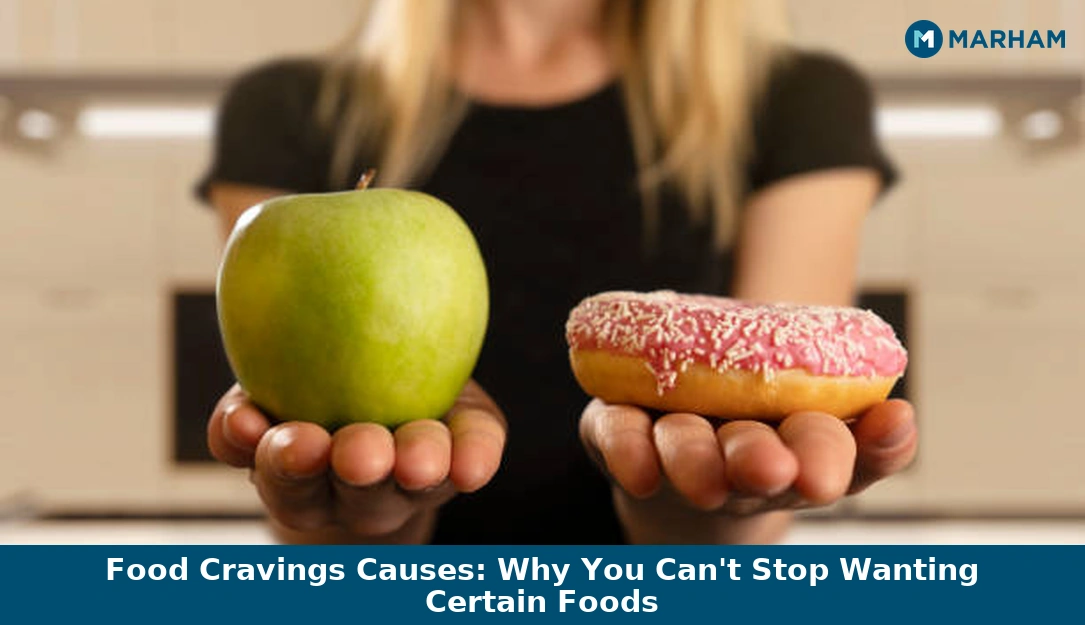

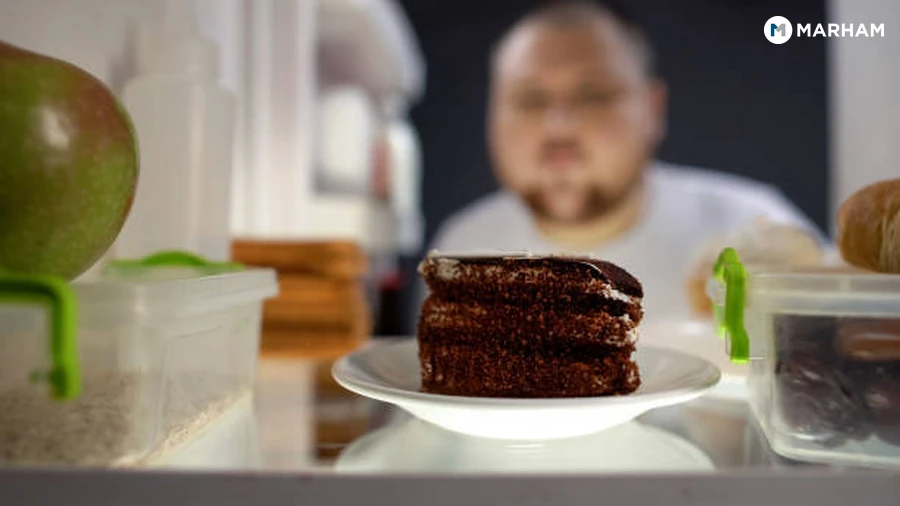
That sudden, overwhelming urge for something sweet after dinner, or the way the smell of fresh samosas from a Lahore street cart makes you feel like you absolutely need one right now — that is a food craving. It is not the same as ordinary hunger, and it does not mean you have weak willpower.
Food cravings are one of the most common eating challenges reported by Pakistani adults, particularly in cities where ultra-processed snacks, sugary drinks, and late-night delivery apps have become part of everyday life. A published study in a peer-reviewed journal found that Pakistani students tend to overeat specifically because of cravings rather than stress alone, which differs from patterns seen in Western populations. Understanding what is actually driving those urges is the first step toward managing them.
The causes of food cravings are both physical and psychological. Hormones, sleep, blood sugar, emotional state, and even habit all play a role. This piece breaks down each one clearly, with practical context for Pakistani eating patterns.
کھانے کی خواہش: اہم باتیں
کھانے کی خواہش یا فوڈ کریونگ ایک عام لیکن پیچیدہ مسئلہ ہے جو پاکستان میں بہت سے لوگوں کو متاثر کرتا ہے۔ اس کی بنیادی وجوہات میں تناؤ، نیند کی کمی، ہارمونز کا عدم توازن، خون میں شکر کی کمی اور جذباتی کھانا شامل ہیں۔ رمضان کے دوران روزے کے بعد میٹھے اور تلے ہوئے کھانوں کی خواہش بھی اسی سلسلے کی کڑی ہے۔ اگر کھانے کی خواہش بہت شدید یا بار بار ہو تو کسی ماہر غذائیت سے مشورہ کرنا فائدہ مند ہو سکتا ہے۔
What Are Food Cravings and Why Are They Different from Hunger?
A food craving is an intense desire for a specific food, not just any food. Ordinary hunger fades if you eat something nutritious. A craving usually demands that one particular thing, whether it is something sweet, salty, or fried, and it can persist even after a full meal.
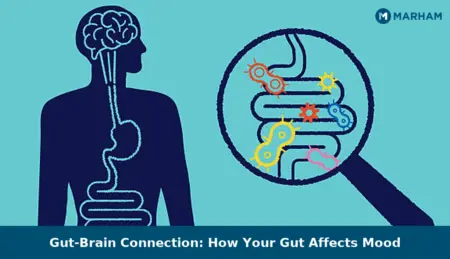
The brain is largely responsible for this. Research published by Harvard’s School of Public Health confirms that cravings result from a complex interplay of brain reward signals, formed habits, and food accessibility. When you eat a highly palatable food, your brain releases dopamine, a chemical that signals pleasure and reward. Over time, the brain learns to anticipate that reward, and the craving is essentially the brain asking for the same dopamine hit again.
This is why cravings tend to target specific foods rather than general nutrition. The brain is not asking for calories. It is asking for the experience it remembers.
7 Main Food Cravings Causes
1. Stress and Elevated Cortisol
Stress is one of the most consistent triggers for food cravings, particularly for sweet and fatty foods. When you are stressed, your body releases cortisol, a hormone that raises blood sugar and increases appetite. High cortisol levels are associated with a stronger drive toward calorie-dense comfort foods.
For Pakistani readers, this pattern shows up clearly during exam seasons in Karachi and Lahore universities, or during high-pressure work periods. The craving for chai with biscuits, mithai, or a plate of biryani is not random. It is the brain seeking serotonin, a calming neurotransmitter that carbohydrates and sugar can temporarily boost.
2. Poor Sleep
Sleep deprivation has a direct effect on hunger hormones. When you sleep fewer than 6 hours a night, levels of ghrelin (the hormone that signals hunger) rise, while leptin (the hormone that signals fullness) drops. The result is stronger cravings, especially for high-calorie, sugary foods.
This is particularly relevant in Pakistan, where late-night habits, including watching dramas until 2am or staying up during Ramadan, regularly cut into sleep hours. A tired brain looks for a quick energy source, and sugar is the fastest one available.
3. Low Blood Sugar from Skipped Meals
Skipping breakfast or going long stretches without eating causes blood sugar to drop. When blood sugar falls, the brain triggers an urgent signal to eat something that will restore it fast. That usually means something sweet or starchy, not a bowl of daal.
This is a very common pattern in Pakistan. Many people skip sehri during Ramadan or rush out without breakfast, then find themselves overwhelmed by cravings for fried snacks by mid-morning. Eating regular, balanced meals that include protein and fibre, like eggs with roti or daal with sabzi, helps keep blood sugar stable and reduces the intensity of cravings.
4. Hormonal Changes
Hormones are a significant driver of food cravings, particularly in women. Changes in estrogen and progesterone before menstruation can intensify cravings, especially for carbohydrate-rich or sweet foods. During pregnancy, hormonal shifts may alter taste and smell perception, making certain foods feel irresistible.
In Pakistan, these cravings during pregnancy are often culturally reinforced, with families encouraging women to eat whatever they desire. While occasional indulgence is not harmful, persistent or unusual cravings during pregnancy, such as craving non-food items like clay or ice, may indicate an iron or zinc deficiency and should be discussed with a doctor.
5. Emotional Eating and Habit
Many food cravings are not physical at all. They are emotional. Boredom, loneliness, sadness, and anxiety can all trigger the urge to eat, particularly comfort foods associated with positive memories. A craving for your mother’s halwa on a difficult day is the brain reaching for an emotional anchor, not nutrients.
Habit also plays a major role. If you eat something sweet every evening after dinner, your brain begins to expect it. The craving becomes a conditioned response to the context, not a sign of hunger. Recognising this pattern is the first step toward changing it.
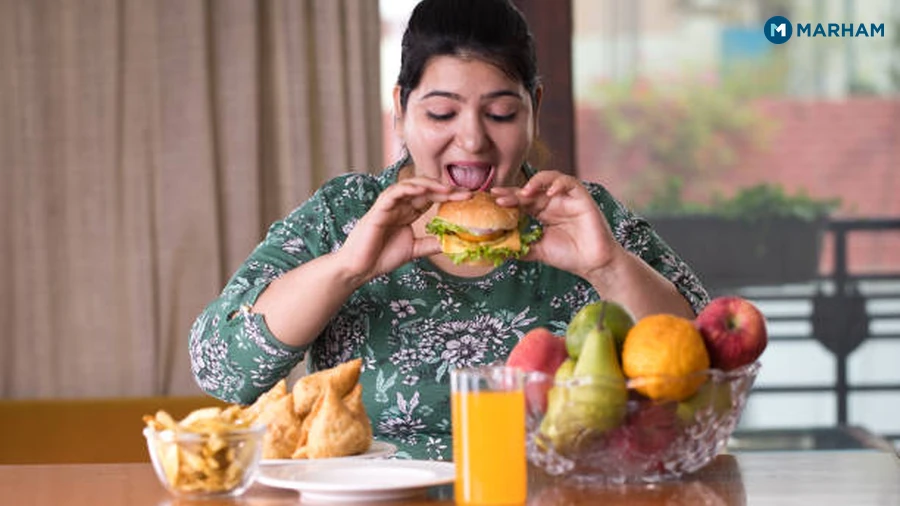
6. Highly Processed Foods and the Dopamine Loop
Ultra-processed foods, including packaged biscuits, chips, carbonated drinks, and fast food, are engineered to be hyper-palatable. They combine fat, sugar, and salt in ratios that maximise the brain’s dopamine response. A review of clinical trials published in peer-reviewed literature found that high sugar intake can produce changes in brain chemistry similar to addictive substances.
In Pakistan, carbonated beverages have become a growing part of household food consumption, according to a study published in BMC Public Health. The more frequently you eat these foods, the more the brain expects them, and the stronger the craving becomes when you do not have them.
7. Dehydration
This one surprises most people. The brain can confuse mild dehydration with hunger. When you are not drinking enough water, you may experience what feels like a food craving, often for something cold, salty, or sweet. Drinking a full glass of water and waiting 10 minutes resolves a surprising number of cravings that were never about food at all.
In Pakistani summers, particularly in Karachi and Multan where temperatures can exceed 42°C, dehydration is a genuine daily risk. If you feel a sudden craving during the afternoon heat, water or a glass of nimbu pani should be your first response.
What Your Specific Cravings Might Mean
| Craving | Possible Cause | What to Try Instead |
|---|---|---|
| Sweet foods | Low blood sugar, stress, low serotonin | A small portion of fruit, dates, or dark chocolate |
| Salty foods | Dehydration, stress, or (rarely) sodium loss after heavy sweating | Water with a pinch of salt, roasted nuts |
| Fatty or fried foods | Sleep deprivation, low energy, emotional eating | Avocado, a handful of mixed nuts, or peanut butter on roti |
| Carbs and bread | Low serotonin, fatigue, hormonal shifts | Whole wheat roti, oats, or brown rice |
| Chocolate | Magnesium may be low, or stress-related serotonin seeking | A small piece of dark chocolate, or sesame seeds (til) |
How to Manage Food Cravings: Practical Steps
- Eat a protein-rich breakfast. Eggs, dahi (yogurt), or daal at breakfast stabilise blood sugar for hours and significantly reduce mid-morning cravings. Do not skip sehri if you are fasting.
- Drink water first. Before acting on any craving, drink a full glass of water and wait 10 minutes. Many cravings, especially in summer, are dehydration in disguise.
- Keep healthier snacks within reach. Replace packaged biscuits and chips in your kitchen with roasted chana, makhana, fresh fruit, or a handful of mixed nuts. Availability shapes what you eat.
- Identify your emotional triggers. Notice whether cravings spike when you are bored, anxious, or tired. If so, try a 5-minute walk, a phone call to a friend, or a glass of chai without biscuits as a substitute response.
- Fix your sleep. Aim for 7 to 8 hours consistently. One or two nights of poor sleep measurably increases cravings the next day. This is not a matter of willpower; it is hormonal.
- Do not completely ban foods you enjoy. Labelling a food as totally forbidden often makes the craving stronger. A small portion of what you want, eaten mindfully, is usually more effective than complete restriction.
- Reduce exposure to food cues. Scrolling through food reels on Instagram or watching cooking shows late at night activates the brain’s reward pathways and can trigger cravings even when you are not hungry.
When Should You See a Doctor About Food Cravings?
Most food cravings are normal and manageable with lifestyle adjustments. However, some patterns deserve professional attention. Cravings that are extremely intense, occur daily, feel uncontrollable, or are accompanied by other symptoms like fatigue, mood changes, or unexplained weight gain may point to an underlying issue such as insulin resistance, thyroid dysfunction, or a mood disorder.
Cravings for non-food items, such as ice, clay, or chalk, a condition called pica, can indicate iron, zinc, or calcium deficiency and should always be evaluated by a doctor. If you are pregnant and experiencing unusual or very intense cravings, discuss them with your gynaecologist. Consulting a nutritionist in Pakistan can help identify whether your cravings are diet-related and build a practical eating plan that works with Pakistani food habits rather than against them.
Get Expert Dietary Advice on Marham
Persistent food cravings that are affecting your diet, your weight, or your daily routine are worth taking seriously. The causes are often straightforward once a trained professional reviews your eating patterns, sleep habits, and overall health. You do not need to figure it out by trial and error.
Marham connects you with verified nutritionists in Pakistan who consult online, so you can speak to one from anywhere in the country without a long wait or a trip across the city. If your cravings seem linked to stress, anxiety, or emotional eating, a psychiatrist in Pakistan on Marham can also help you understand the psychological patterns driving them. A short online consultation typically takes 15 to 20 minutes and can give you a clear, actionable plan.
Frequently Asked Questions
Why do I crave junk food all the time?
Frequent junk food cravings are usually driven by the brain’s dopamine reward loop. Ultra-processed foods activate pleasure centres in the brain, and the more often you eat them, the more the brain expects them. Reducing how often you eat these foods gradually lowers the intensity of the craving over time.
What does craving sweet foods mean?
Sweet cravings most commonly signal low blood sugar, stress-related cortisol spikes, or a drop in serotonin. They can also be habitual. Try eating a balanced meal with protein and fibre, drinking water, and waiting 10 minutes before reaching for something sweet.
Can food cravings be a sign of nutrient deficiency?
Rarely. The popular belief that cravings always signal a specific deficiency is not strongly supported by current research. Most cravings are driven by brain reward patterns, emotions, or habits rather than a genuine nutritional gap. Cravings for non-food items like ice or clay are a more reliable sign of deficiency and should be checked by a doctor.
Are food cravings worse during pregnancy?
Yes, they often are. Hormonal changes during pregnancy alter taste and smell sensitivity, which can intensify cravings. In Pakistan, cultural norms also encourage pregnant women to eat whatever they desire, which can amplify the pattern. Unusual or very intense cravings during pregnancy should be mentioned to a gynaecologist.
Is craving food at night normal?
Night-time cravings are common and are often linked to skipping meals during the day, poor sleep patterns, or habitual evening snacking. Research shows that the desire for high-calorie foods naturally increases toward the end of the day. Eating a satisfying dinner with adequate protein and fibre reduces the likelihood of late-night urges.
How do I stop food cravings quickly?
Drink a full glass of water first, then wait 10 minutes. Distract yourself with a brief walk or an activity that uses your hands. If the craving persists, eat a small portion of a healthier alternative rather than the craved food in a large quantity. Over time, consistent sleep, regular meals, and reduced exposure to food advertisements reduce overall craving frequency.
When should I see a doctor about food cravings?
See a doctor if cravings are intense and daily, feel completely uncontrollable, are accompanied by fatigue or mood changes, or involve non-food items like ice or clay. These patterns may indicate hormonal imbalance, iron deficiency, insulin resistance, or a psychological condition that responds well to treatment.
Conclusion
Food cravings causes are rarely simple, and they are almost never about a lack of willpower. Stress hormones, disrupted sleep, low blood sugar, emotional patterns, and the brain’s dopamine reward system all contribute, often at the same time. For Pakistani readers, the context matters too: the late-night eating habits, Ramadan fasting cycles, high-sugar diet patterns, and summer heat all shape when and why cravings strike. Knowing the cause makes the solution much clearer, and most cravings respond well to practical, consistent changes in eating and sleep habits.