



Every summer, millions of Pakistanis face the same dilemma: the doctor said to walk thirty minutes a day, but stepping outside at noon feels genuinely dangerous. Karachi’s humidity sits above 80% through July and August, Lahore bakes under dry heat that crosses 42°C by afternoon, and Multan regularly records temperatures above 47°C in June. The question isn’t whether to exercise — it’s when.
The answer is simpler than most people think, but the details matter. The difference between a safe morning walk and a midday one isn’t just comfort; it’s the difference between a productive workout and a medical emergency. According to the American College of Sports Medicine (ACSM, 2023), exercising in temperatures above 35°C without proper precautions significantly raises the risk of heat exhaustion and exertional heatstroke — a threshold Pakistani cities exceed from May through September.
This guide gives you the exact timing windows for different Pakistani cities, explains why those windows work, and covers what to do when neither morning nor evening is possible.
گرمی میں چلنے کا بہترین وقت
پاکستان میں گرمیوں کے دوران صبح پانچ سے سات بجے اور مغرب کے بعد شام سات سے نو بجے تک چلنا سب سے محفوظ ہے۔ دوپہر کے وقت، خاص طور پر گیارہ بجے سے شام پانچ بجے کے درمیان، باہر ورزش کرنا خطرناک ہو سکتا ہے کیونکہ اس وقت گرمی اور UV شعاعیں اپنے عروج پر ہوتی ہیں۔ کراچی میں نمی، لاہور میں خشک گرمی، اور ملتان میں لو کی وجہ سے ہر شہر کے لیے احتیاطی تدابیر مختلف ہو سکتی ہیں۔ پانی پینا، ہلکے رنگ کے ڈھیلے کپڑے پہننا، اور گرمی کی علامات پر نظر رکھنا ضروری ہے۔
Morning Walk vs Evening Walk in Summer: Which Is Better?
Both windows are safe. Each has a genuine trade-off, and the right choice depends on your city and your schedule.
| Factor | Morning Walk (5–7 am) | Evening Walk (After 7 pm) |
|---|---|---|
| Temperature | Coolest of the day, 25–30°C in most cities | Dropping but still 33–38°C in June–July |
| UV index | Low to zero | Zero after sunset |
| Humidity (Karachi) | Moderate, manageable | Higher after sea breeze drops |
| Pavement heat | Cool — absorbed overnight | Still radiating stored heat |
| Air quality | Freshest of the day | More traffic fumes in urban areas |
| Vitamin D | Yes (early rays, low UV) | No |
| Consistency | Harder to maintain for night owls | Easier for working adults |
| Load-shedding risk | Lower — cooler air means less need for AC recovery | Higher — power cuts peak in evenings |
For most Pakistani cities, early morning wins on pure safety. But an evening walk you actually do is better than a morning walk you skip. Pick the window you’ll stick to.
Safe Exercise Timing by Pakistani City
Not all Pakistani summers are the same, and generic advice misses this. Here’s how timing adjusts by city:
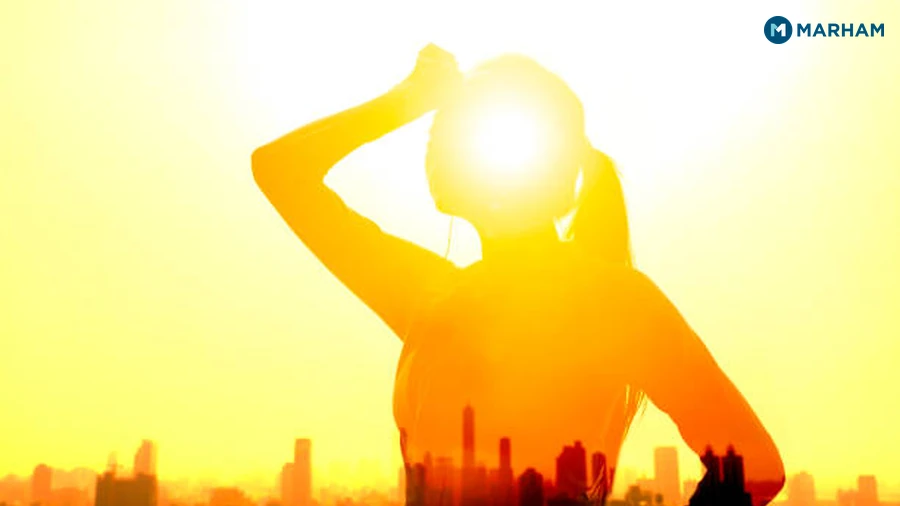
Lahore and Punjab plains: Dry heat. Morning walk from 5:00 to 7:00 am is genuinely comfortable. By 9:00 am the temperature climbs fast. The loo — a hot, dry wind — often picks up by late morning. Evening walks are safe after 7:30 pm when the loo dies down and pavement cools.
Karachi: Humidity is the real enemy here, not just temperature. Even at 6:00 am, humidity can sit above 70% in July and August, which slows your body’s ability to cool through sweat. Keep morning walks brisk but shorter: 20 to 25 minutes rather than 45. Evening walks after 8:00 pm tend to be more comfortable in Karachi once the sea breeze picks up again.
Multan, Sukkur, and interior Sindh: These cities see some of the highest temperatures in Asia. Multan regularly records 47°C+ in June. Here, even early morning walks need caution from mid-June onward. Limit outdoor activity to 15 to 20 minutes maximum, stay in shaded lanes, and consider moving exercise indoors during peak summer weeks.
Islamabad and Rawalpindi: Slightly cooler than the plains, with monsoon humidity from July. Morning walks up to 7:30 am are comfortable in May and June. July and August bring humidity — shorten duration and slow your pace.
The Danger Zone: When Not to Walk Outside
Avoid outdoor exercise between 10:00 am and 5:00 pm. This is non-negotiable in Pakistani summer conditions.
During these hours, the UV index peaks, pavement temperatures can exceed 60°C (hot enough to cause burns through thin soles), and the body’s cooling system — sweating — becomes less effective because the surrounding air is already saturated with heat. Johns Hopkins Medicine notes that heat exhaustion can progress to heatstroke if early warning signs are ignored, and heatstroke is a medical emergency.
Warning signs to stop immediately and move indoors:
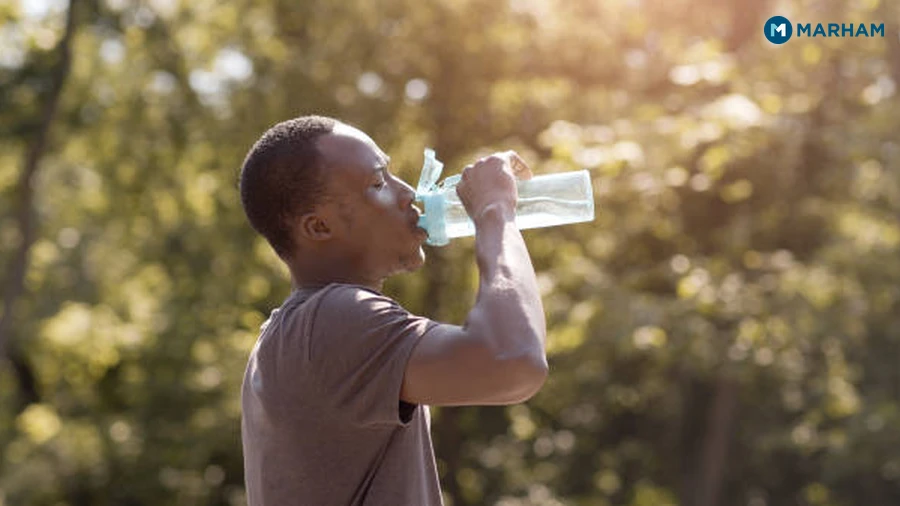
- Heavy sweating that suddenly stops
- Dizziness or lightheadedness
- Nausea or vomiting
- Rapid heartbeat
- Confusion or disorientation
- Muscle cramps in the legs or abdomen
If someone shows confusion, stops sweating despite the heat, or loses consciousness, that is heatstroke — call for emergency help and cool the person down with wet cloths on the neck and armpits while waiting.
How to Walk Safely in Pakistan’s Summer Heat: 6 Steps
- Time it right. Walk between 5:00 and 7:00 am, or after Maghrib (roughly 7:15 to 9:00 pm in June). These are the two safe windows in most Pakistani cities.
- Hydrate before you leave. Drink 400 to 500 ml of water 30 minutes before your walk. A glass of chilled rooh afza with a pinch of salt, or plain ORS (Oral Rehydration Salts, available at any Pakistani pharmacy for around Rs. 20 to 30 per sachet), works well to pre-load electrolytes lost through sweat.
- Wear the right fabric. Loose, light-coloured cotton shalwar kameez or a cotton lawn shirt works better than synthetic sportswear in Pakistani heat. Cotton absorbs sweat and allows airflow. Avoid black or dark colours — they absorb significantly more solar radiation.
- Choose shaded routes. In Lahore, parks like Jilani Park or Gulshan Iqbal have tree-lined paths that can feel 4 to 6°C cooler than open roads. In Karachi, the DHA creek-side paths have sea breeze. Avoid open roads with concrete dividers — reflected heat from pavement and walls is intense.
- Carry water. Bring at least 500 ml for a 30-minute walk. Drink every 10 to 15 minutes, even if you don’t feel thirsty. Thirst is a delayed signal — by the time you feel it, mild dehydration has already begun.
- Cool down deliberately. After your walk, don’t step straight into a freezing air-conditioned room. Sit in a shaded, ventilated spot for 5 minutes first. A sudden shift from 40°C outdoor heat to 18°C AC can cause headaches and raise blood pressure temporarily. Splash cool (not ice-cold) water on your wrists and neck to bring your core temperature down gradually.
What to Eat and Drink Around Your Summer Walk
Pre-walk (30 to 60 minutes before): something light and carbohydrate-based. A banana, two dates with water, or a small bowl of dahi (yogurt) with a little honey. Avoid heavy parathas or fried food before walking — they raise your core body temperature during digestion.
Post-walk: rehydrate first, then eat within 30 to 60 minutes. Coconut water, nimbu pani (lemon water with a pinch of salt and sugar), or a glass of lassi all replace electrolytes naturally. A research letter in the British Journal of Sports Medicine (2022) found that even 2% dehydration reduces exercise performance by 10 to 20% and raises perceived effort — meaning a dehydrated walk feels much harder than it should.
Avoid chai immediately after a walk. Caffeine is mildly diuretic and slows rehydration. Save your morning chai for 20 minutes after you’ve had water.
Indoor Alternatives When It’s Too Hot Outside
Some days — particularly during June heatwaves in Lahore or Karachi — outdoor walking simply isn’t safe at any hour. Load-shedding makes this worse: if your building has no power and no ventilation, even indoor exercise becomes risky.
Practical indoor options that need no gym:
- Stair climbing in your apartment building (early morning when the stairwell is coolest)
- Bodyweight circuits: squats, lunges, push-ups, and planks in a fan-ventilated room for 20 to 30 minutes
- Slow stretching or yoga in a shaded, cross-ventilated room
If you have access to a pool, swimming is the best summer exercise available. It keeps your core temperature down while delivering a full cardiovascular workout. Aim for 30 to 45 minutes, three times a week.
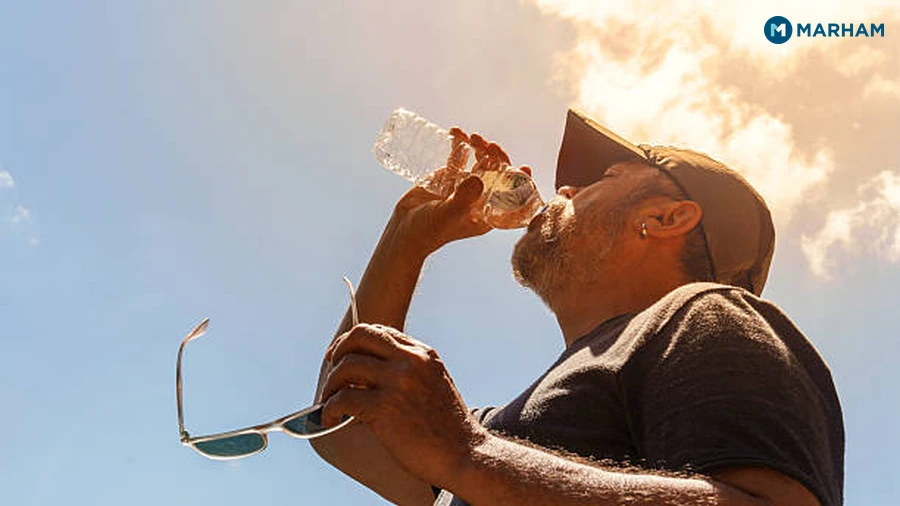
Who Should Be Extra Careful
Certain groups face higher risk from heat during exercise and should consult a doctor before walking outdoors in Pakistani summer:
- People with diabetes — heat affects blood sugar regulation and increases dehydration risk
- Those with hypertension or heart disease — the cardiovascular system works harder in heat
- Older adults above 60
- Children under 12
- Anyone on diuretic medications, beta-blockers, or blood pressure drugs — these can blunt the body’s heat response
The American Heart Association (AHA) specifically recommends that anyone with cardiovascular disease, diabetes, or other chronic conditions check with a healthcare provider before moving their exercise routine outdoors in hot weather.
Get Personalised Advice from Marham
If you have a chronic condition, haven’t exercised in a while, or experienced dizziness or chest discomfort during a recent walk, it’s worth speaking to a doctor before pushing through the summer heat on your own. General advice covers most people — but your situation may need a more tailored plan.
Marham connects you with verified nutritionists in Pakistan and general physicians who can advise on safe exercise intensity, hydration targets, and dietary adjustments for your specific health profile. A short online consultation typically takes 15 to 20 minutes and can answer questions that a blog simply can’t — like whether your blood pressure medication affects your heat tolerance, or how to adjust your walking routine during Ramadan.
For staying hydrated before and after walks, you might also find it useful to read about raisin water benefits and the best time to drink it, a simple, natural electrolyte drink many Pakistani households already have at home.
Frequently Asked Questions
Is morning or evening better for walking in Pakistan’s summer?
Morning is generally safer because temperatures are at their lowest and UV radiation is minimal. Evening after Maghrib is a good second option, though pavement heat and humidity (especially in Karachi) may still be higher than early morning.
What time should I walk in summer in Pakistan?
The safest windows are 5:00 to 7:00 am and 7:15 to 9:00 pm (after Maghrib). Avoid going out between 10:00 am and 5:00 pm — this is when heat and UV index are at their most dangerous in Pakistani conditions.
Is it safe to walk in 40°C heat?
It can be, if you walk in the early morning before temperatures rise, stay in shade, keep the session under 30 minutes, and hydrate well. Walking in 40°C midday heat is not safe and significantly raises the risk of heat exhaustion.
What are the signs of heat exhaustion I should watch for?
Heavy sweating, dizziness, nausea, rapid heartbeat, and muscle cramps are early signs of heat exhaustion. Stop exercising immediately, move to shade, and drink water. If symptoms worsen or confusion develops, seek medical help — that may indicate heatstroke.
How much water should I drink before a summer walk in Pakistan?
Drink around 400 to 500 ml of water 30 minutes before your walk. During the walk, sip 150 to 200 ml every 10 to 15 minutes. After finishing, continue drinking until your urine returns to a pale yellow colour.
Can I walk during Ramadan fasting in summer?
Light walking 30 to 60 minutes before iftar is generally manageable for healthy adults. Avoid brisk or long walks while fasting in peak summer, as dehydration risk is high. Hydrate well between iftar and sehri to prepare your body.
Should I see a doctor before starting a summer walking routine?
If you have diabetes, heart disease, hypertension, or are on regular medication, yes — consult a doctor first. Otherwise, healthy adults can start with short 15 to 20 minute morning walks and build up gradually as the body adjusts to the heat over 10 to 14 days.
Conclusion
The safest time to walk in Pakistan’s hot weather is early morning between 5:00 and 7:00 am, with evening after Maghrib as a reliable second choice. The midday window — 10:00 am to 5:00 pm — should be avoided entirely during the peak summer months. Adjust the duration and intensity based on your city: Multan and interior Sindh demand shorter, more cautious sessions than Islamabad. Hydrate before you go out, wear light cotton, choose shaded routes, and cool down gradually when you return. Staying active through summer is possible — it just needs a different approach than the cooler months.
