



Walk into any gym in Lahore or Karachi today and you will hear the same conversation: how many grams of protein did you hit today? Protein has become the defining obsession of Pakistani fitness culture, and that is not entirely a bad thing. Protein genuinely matters for muscle repair, satiety, and metabolic health.
The problem is that the obsession has outrun the science. Many young Pakistani men and women are consuming two to three times their actual protein requirement, stacking whey protein shakes on top of chicken-heavy meals, all in the belief that more is always better. Per Pakistan’s National Nutrition Survey 2018, average dietary protein intake among urban Pakistanis is already adequate for sedentary adults, yet supplement sales in cities like Karachi and Islamabad have grown sharply year on year.
Understanding daily protein intake — and what happens when you go well beyond it — is genuinely useful knowledge. This guide covers the real risks of excess protein, the signs to watch for, and how to calibrate your intake without giving up the gains.
پروٹین کی زیادتی: اہم باتیں
پروٹین جسم کے لیے ضروری غذائی عنصر ہے، لیکن ضرورت سے زیادہ مقدار نقصاندہ ہو سکتی ہے۔ پاکستان میں جم کلچر کے فروغ کے ساتھ نوجوان وے پروٹین اور سپلیمنٹس کا بے دریغ استعمال کر رہے ہیں۔ ایک صحت مند بالغ کے لیے روزانہ 0.8 گرام فی کلوگرام جسمانی وزن کافی ہے، جبکہ سرگرم افراد کے لیے یہ مقدار 1.2 سے 1.7 گرام تک ہو سکتی ہے۔ حد سے زیادہ پروٹین وزن میں اضافہ، ہاضمے کی تکالیف اور گردوں پر بوجھ کا باعث بن سکتی ہے۔ اگر آپ کو گردے یا جگر کی بیماری ہے تو پروٹین کی مقدار بڑھانے سے پہلے ڈاکٹر سے مشورہ لازمی کریں۔
How Much Protein Per Day Is Actually Too Much?
The WHO-recommended baseline for a sedentary healthy adult is 0.8 grams of protein per kilogram of body weight per day. For an active person, the American College of Sports Medicine and the Food and Nutrition Board of the Institute of Medicine recommend 1.2 to 1.7 grams per kilogram. Excessive intake is generally defined as more than 2 grams per kilogram of body weight daily, according to clinical guidelines reviewed by the Mayo Clinic.
To put that in Pakistani terms: a 70 kg man doing regular gym work needs roughly 85 to 120 grams of protein a day. That is two eggs at breakfast, a serving of daal at lunch, and 150 grams of chicken at dinner. He does not need four scoops of whey protein on top of that.
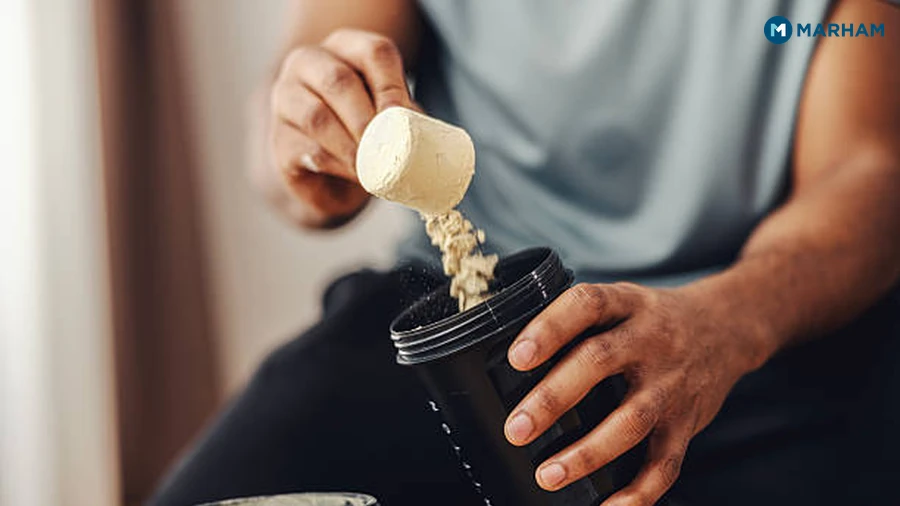
Research also shows that the body can only effectively use around 20 to 40 grams of protein in a single meal for muscle protein synthesis, according to a review in the Journal of the International Society of Sports Nutrition. Consuming 80 grams in one shake does not double the benefit. The excess has to go somewhere.
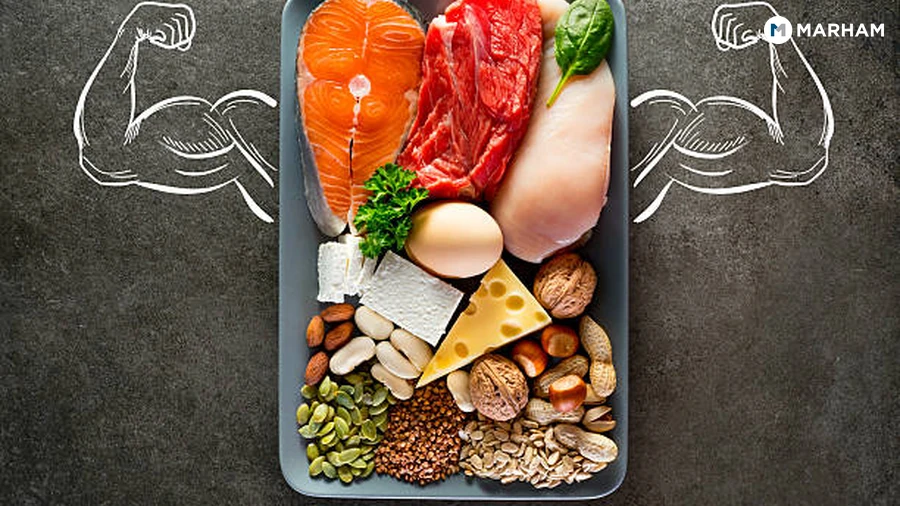
6 Too Much Protein Side Effects Worth Knowing
Here is what the science actually shows when protein intake goes beyond what the body can use.
1. Unexplained Weight Gain
Protein contains 4 calories per gram, the same as carbohydrates. When you consume more protein than your body needs for repair and function, the excess calories are stored as fat, not muscle. Extra strength training drives muscle growth, not extra protein intake, as the Mayo Clinic notes clearly. Many Pakistani gym-goers are surprised to find their weight creeping up despite switching to a “clean” high-protein diet, and this is often the reason.
2. Digestive Discomfort
A diet very high in animal protein and low in fibre tends to cause constipation, bloating and, in some people, nausea. The typical high-protein Pakistani eating pattern, heavy on chicken and whey shakes but light on sabzi and daal, is a common culprit. Protein supplements often contain sugar alcohols that can cause significant gastrointestinal disturbance, especially when taken in large amounts.
3. Increased Thirst and Dehydration
Metabolising protein produces nitrogen byproducts that the kidneys must filter and excrete through urine. This process requires more water. People on very high-protein diets often feel persistently thirsty and may become mildly dehydrated without realising it, particularly in Karachi’s summer heat when ambient temperatures cross 40°C. Staying well hydrated is non-negotiable when protein intake is high.
4. Bad Breath
Very low-carbohydrate, high-protein diets can push the body into a state of ketosis, where fat is used as the primary fuel. A byproduct of this process is acetone, which produces a distinct, fruity or chemical-smelling breath that no amount of brushing fully removes. This is a sign that your macronutrient balance may be off, not just a hygiene issue.
5. Elevated Blood Lipids (in Some Cases)
Many high-protein foods, particularly red meat and full-fat dairy, are also high in saturated fat. Regularly eating large amounts of red meat, such as beef karahi or mutton biryani daily, to hit aggressive protein targets can raise LDL cholesterol over time. This is a risk worth taking seriously in Pakistan, where cardiovascular disease is a leading cause of death. The issue is not the protein itself but the saturated fat that often comes packaged with it.
6. Kidney Strain in People with Pre-Existing Disease
This is the most misunderstood point in Pakistani fitness circles. For people with healthy kidneys, current evidence does not support the idea that a high-protein diet causes kidney damage. A review published in Nutrition & Metabolism (NCBI, 2005) found no significant evidence of harm from high protein intake in healthy individuals. However, for people who already have chronic kidney disease (CKD), diabetes with kidney involvement, or reduced kidney reserve, a high-protein diet can accelerate kidney damage, according to research published in Nephrology Dialysis Transplantation (Oxford Academic, 2020). Pakistan has one of the highest rates of diabetes in the world, and diabetic kidney disease is common. If you have diabetes, hypertension, or a family history of kidney problems, discuss your protein intake with a doctor before increasing it.
| Group | Recommended Protein (per kg body weight/day) |
|---|---|
| Sedentary healthy adult | 0.8 g |
| Moderately active adult | 1.1 to 1.5 g |
| Regular weight-trainer | 1.2 to 1.7 g |
| Older adult (65+) | 1.2 to 1.6 g |
| Person with CKD (non-dialysis) | 0.6 to 0.75 g (consult doctor) |
Signs You May Be Eating Too Much Protein
None of these signs alone confirms excess protein intake, but a cluster of them is worth paying attention to.
- Persistent thirst despite drinking water
- Unexplained weight gain on a high-protein diet
- Constipation or bloating most days
- Unusual bad breath that is not related to oral hygiene
- Fatigue or low energy (often from cutting carbs too aggressively to make room for protein)
- Frequent headaches
If you are experiencing several of these together, reviewing your total daily intake with a nutritionist makes sense.
The Desi Diet Angle: Are Pakistani Protein Sources a Problem?
Not inherently. chicken nutrition and protein content is well documented, and chicken is one of the most cost-effective lean protein sources available in Pakistan. A 150g serving of boneless chicken provides roughly 35 to 40 grams of protein with relatively modest saturated fat.
The issue in Pakistani households is usually one of two things. Either protein is genuinely low because the diet is dominated by roti, chawal, and oil-heavy curries with very little meat or daal. Or, in fitness-conscious urban households, protein has been pushed so high that fibre, carbohydrates, and healthy fats have been squeezed out entirely.
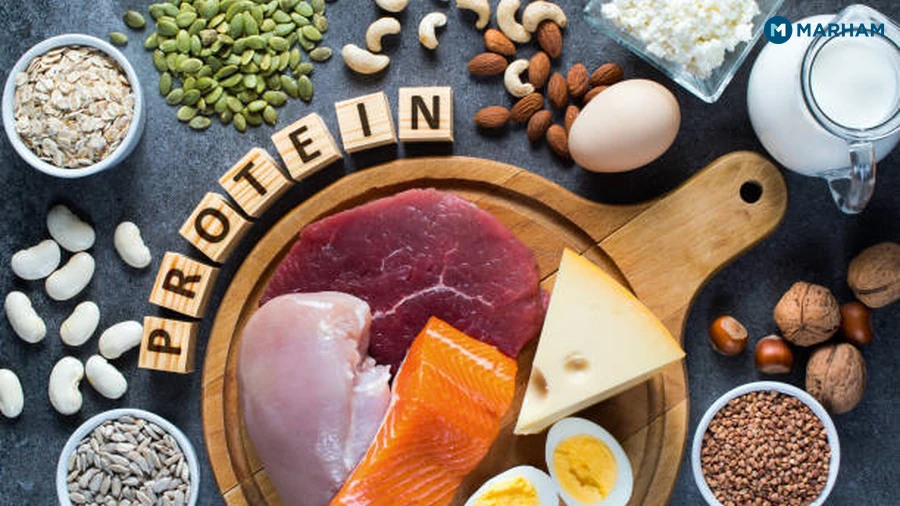
Daal is worth highlighting specifically. A bowl of masoor or moong daal provides 15 to 18 grams of plant protein along with fibre and micronutrients that whey powder simply does not contain. Combining daal with roti, a staple in almost every Pakistani home, creates a complementary amino acid profile that covers most essential amino acids. The traditional desi diet, when not drowned in ghee, is actually well-balanced.
Who Should Be Careful with High Protein Intake?
Some groups face genuine risk from high protein intake and should not increase their consumption without medical advice.
- People with diagnosed chronic kidney disease or a single kidney
- People with diabetes, particularly if kidney function tests (creatinine, eGFR) are abnormal
- People with gout, since high purine protein sources like red meat can trigger flares
- Pregnant women, who have specific protein needs that a doctor should calculate individually
- Older adults with reduced kidney reserve
For these groups, the question is not whether protein is good in general. It is whether their specific kidneys and metabolic state can handle an increased load. A nutritionist in Pakistan can calculate a safe and personalised target.
Get Expert Guidance on Marham
Figuring out the right protein target for your body, your goals, and your health history is harder than it looks. The numbers on fitness influencer pages are often generalised for a Western audience and rarely account for South Asian body composition, desi eating patterns, or common Pakistani health conditions like diabetes and hypertension.
Marham connects you with verified nutritionists in Pakistan who can review your current diet, your blood work, and your goals together. A short online consultation typically takes 15 to 20 minutes and gives you a clear, personalised protein target rather than a generic formula from a gym poster.
Frequently Asked Questions
Can too much protein damage your kidneys?
For people with healthy kidneys, current evidence does not show that high protein intake causes kidney damage. However, for those with existing chronic kidney disease, diabetes with kidney involvement, or reduced kidney function, excess protein can accelerate harm. Always check your kidney function before significantly increasing protein intake.
What are the signs of too much protein?
Common signs include persistent thirst, unexplained weight gain, constipation, bloating, and unusual bad breath. These symptoms often appear together when protein intake is well above the body’s needs and fibre intake is low.
How much protein per day is too much?
Intake above 2 grams per kilogram of body weight per day is generally considered excessive for healthy adults, according to clinical guidelines. For a 70 kg person, that is more than 140 grams daily. Most people doing regular exercise need 85 to 120 grams, not 150 to 200.
Is protein powder safe to take every day in Pakistan?
For healthy individuals, protein powder is generally safe as a supplement to fill gaps in dietary intake. It should not replace whole food meals. Be cautious about counterfeit or low-quality products sold in local markets, as these may contain unlisted additives.
Can eating too much protein make you gain weight?
Yes. Protein provides 4 calories per gram, and excess calories from any source, including protein, are stored as body fat. Eating more protein than your body can use does not build extra muscle; it adds calories.
What happens if you eat too much protein at night?
The body processes protein similarly regardless of the time of day. Eating a large protein-heavy meal at night is not specifically harmful, but consuming excess total calories at night, which is common in Pakistani households where dinner is the largest meal, can contribute to weight gain over time.
Is a high-protein diet safe for women in Pakistan?
Yes, for healthy women. Protein needs are calculated by body weight, not gender. A moderately active Pakistani woman weighing 60 kg needs roughly 70 to 100 grams of protein daily. During pregnancy or breastfeeding, needs increase and should be calculated with a doctor or nutritionist.
Conclusion
Protein is not the enemy, and the obsession with it is not entirely misplaced. What matters is calibrating intake to what your body actually needs, choosing sources that do not bring excessive saturated fat along with them, and paying attention to the warning signs when intake climbs too high. For most Pakistanis eating a balanced desi diet with adequate meat, daal, eggs, and dairy, a dramatic protein supplement habit is unnecessary. If you have any underlying health condition, particularly kidney or metabolic disease, get your intake assessed before increasing it.
