


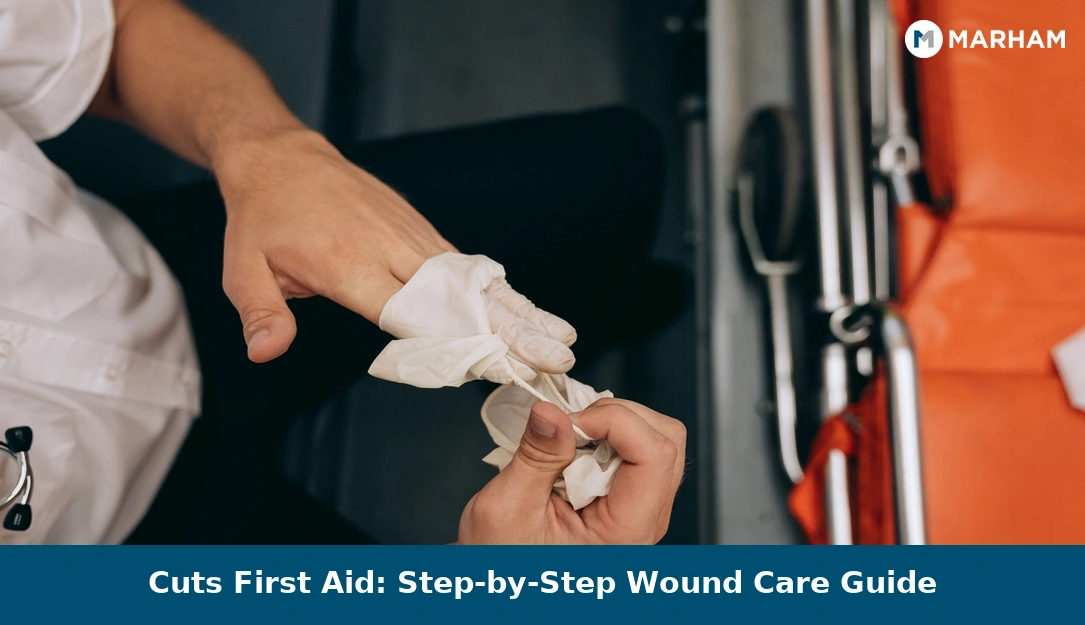
A kitchen knife slips while you’re chopping onions for dinner. Your child scrapes a knee on the street outside. A piece of broken glass catches your finger. These small injuries happen in every Pakistani household, several times a year, and most people reach for whatever is nearby — a cloth, some Dettol, a strip of tape — and hope for the best.
The problem is that “whatever is nearby” is often the wrong thing. Pakistan’s warm, humid climate, particularly during the monsoon months in Karachi and Lahore, means bacteria multiply faster on an unprotected wound than they would in cooler, drier conditions. A cut that might stay clean for two days in a temperate country can show early signs of infection within 24 hours here if it isn’t treated correctly from the start.
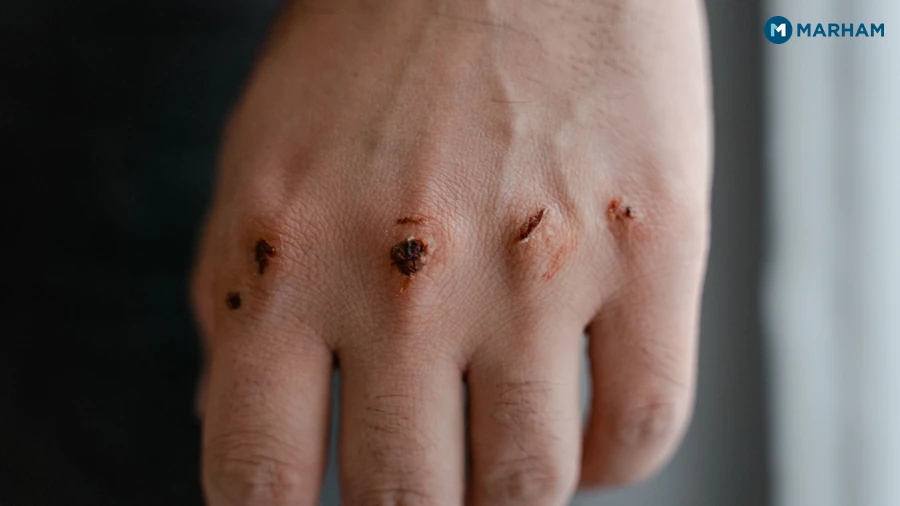
This guide walks through exactly what to do in the first few minutes after a cut, which common Pakistani habits actually slow healing, and when home care is simply not enough.
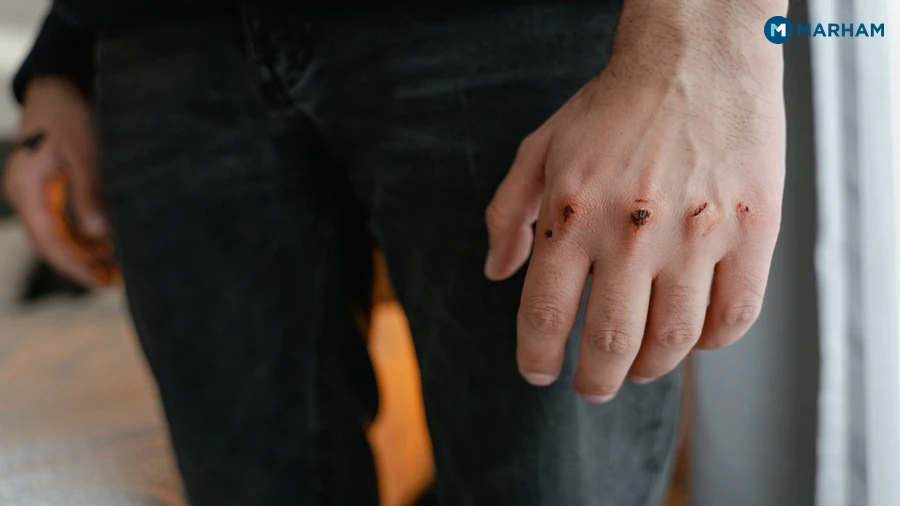
کٹ اور زخم کی ابتدائی طبی امداد
کٹ یا زخم لگنے پر سب سے پہلے صاف ہاتھوں سے خون بند کریں، پھر زخم کو بہتے پانی سے اچھی طرح دھوئیں۔ ہائیڈروجن پیرآکسائیڈ یا ڈیٹول براہ راست زخم پر نہ لگائیں کیونکہ یہ نئے خلیوں کو نقصان پہنچاتے ہیں۔ زخم پر پتلی تہ میں ویسلین لگائیں اور صاف پٹی سے ڈھانپ دیں۔ اگر خون 10 منٹ بعد بھی نہ رکے، زخم گہرا ہو، یا انفیکشن کی علامات ظاہر ہوں تو فوری ڈاکٹر سے رجوع کریں۔
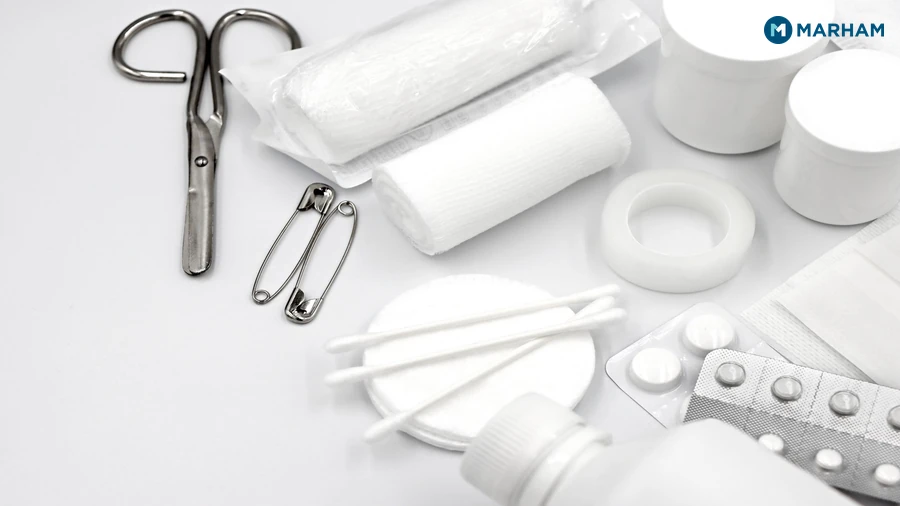
Key Takeaways
- Rinse the wound under clean running water for at least 1 to 2 minutes — this does more than any antiseptic alone.
- Do not apply hydrogen peroxide, iodine, or undiluted Dettol directly on the wound; they damage the healthy cells that form new skin.
- Apply a thin layer of plain Vaseline (petroleum jelly) to keep the wound moist — this reduces scarring and speeds healing.
- Change the dressing daily, or sooner if it gets wet or dirty.
- Bleeding that does not stop after 10 minutes of firm pressure, a wound deeper than about 6 mm, or any sign of infection means you need a doctor, not a bandage.
- People with diabetes in Pakistan need to treat any cut on the feet or lower legs as urgent — do not wait for visible infection before seeking help.
How to Treat a Cut at Home: 7 Steps in Order
Minor cuts and scrapes, meaning superficial breaks in the skin that are not deep and not actively gushing, can be safely managed at home. The order of these steps matters. Skipping or rearranging them is where most people go wrong.
- Wash your hands first. Before touching the wound, wash your hands with soap and water for at least 20 seconds. Dirty hands are a common route for bacteria to enter an open wound, according to the American Academy of Dermatology.
- Stop the bleeding. Press a clean cloth or sterile gauze pad firmly against the wound. Hold steady pressure for 5 to 10 minutes without lifting to check. Lifting the cloth repeatedly breaks the forming clot and restarts the bleeding. If blood soaks through, add more gauze on top — don’t remove the first layer. Raise the injured area above the level of the heart if possible; for a hand or arm, hold it above your head.
- Rinse the wound thoroughly. Hold the wound under clean running tap water for 1 to 2 minutes. This physically flushes out dirt, bacteria, and debris. Research cited by the NHS confirms that rinsing with clean running water is as effective as sterile saline for most minor wounds. Wash the skin around the wound with mild soap, but keep soap out of the wound itself.
- Skip the Dettol and hydrogen peroxide on the wound. This is the most common mistake in Pakistani households. Both Dettol (chloroxylenol) and hydrogen peroxide kill bacteria, but they also destroy the fibroblasts (the cells that build new skin tissue), delaying healing. Per the American Academy of Dermatology, plain water and soap is the right cleaner for a minor cut. If you want to use an antiseptic, apply it to the skin around the wound, not inside it.
- Apply petroleum jelly (Vaseline). A thin layer of plain Vaseline, available at any Pakistani pharmacy for roughly Rs. 150 to 250 for a small jar, keeps the wound surface moist. A moist wound heals faster and forms a thinner scar than a dry one that forms a thick scab. The American Academy of Dermatology recommends petroleum jelly over antibiotic ointment for routine minor cuts, partly because some people develop a mild allergic rash from antibiotic creams.
- Cover with a clean bandage. Use a sterile adhesive bandage (plaster) or a small gauze pad secured with medical tape. Covering the wound protects it from dirt and reduces the risk of reopening. Change the dressing at least once a day, or whenever it becomes wet or dirty. During Karachi’s monsoon season, when humidity is consistently high, dressings get damp faster — check twice daily.
- Watch for infection over the next 3 to 5 days. Most minor cuts heal within about a week, according to the American Academy of Dermatology. Pain that worsens after the first day (rather than improving) is often the earliest sign of infection. Other signs include increasing redness, swelling, warmth around the wound, yellow or green discharge, or red streaks spreading outward from the cut. If you develop a fever alongside any of these, seek medical attention the same day.
Signs a Cut Needs Stitches, Not Just a Bandage
Not every cut belongs at home. You should go to a clinic or emergency room if any of the following apply:
- The wound is deeper than about 6 mm, or you can see fat, muscle, or bone.
- The edges of the cut gape open and cannot be held together with gentle pressure.
- Bleeding does not stop after 10 minutes of firm, steady pressure.
- The cut is on the face, over a joint (like a knuckle), or on the hand, where poor healing can affect function.
- The wound was caused by a rusty object, an animal bite, or a human bite.
- The injured area feels numb or you cannot move it normally — this may indicate nerve or tendon involvement.
- An object is embedded in the wound. Do not try to remove it yourself.
If stitches are needed, getting them within 6 to 8 hours of the injury gives the best result, according to UpToDate clinical guidelines. Waiting longer increases infection risk and may mean the wound can no longer be closed surgically.
Wound Care for People with Diabetes in Pakistan
Diabetes changes the picture significantly. Pakistan has one of the highest rates of diabetes in the world, with over 33 million adults living with the condition according to the International Diabetes Federation (2023 estimates). High blood glucose impairs white blood cell function, which means the body’s ability to fight infection is reduced. Poor circulation in long-standing diabetes also means less oxygen reaches the wound site.
According to the Pakistan Endocrine Society, diabetic foot complications are among the leading causes of non-traumatic limb amputation in the country. A cut or blister on the foot that heals in a week for a healthy person can become a serious ulcer in a person with diabetes if not managed promptly. If you have diabetes, treat any cut on your feet or lower legs as urgent, inspect your feet daily, and consult a doctor within 24 to 48 hours if the wound is not clearly improving.
| Situation | What to Do |
|---|---|
| Minor cut, bleeding stops in under 5 minutes | Home care: clean, Vaseline, bandage |
| Bleeding stops but cut is deep or gaping | Go to clinic for assessment; may need stitches |
| Bleeding does not stop after 10 minutes | Emergency care same day |
| Signs of infection (pus, spreading redness, fever) | Doctor same day |
| Person has diabetes, cut on foot or lower leg | Doctor within 24 hours even if wound looks minor |
| Object embedded in wound | Emergency care; do not remove the object |
Tetanus: A Practical Note for Pakistani Families
Tetanus is caused by bacteria that enter through skin breaks, particularly wounds from rusty metal, soil-contaminated objects, or animal bites. Pakistan’s Expanded Programme on Immunisation (EPI) includes tetanus vaccination in childhood, but adults often lose track of their booster status. As a general rule, adults need a tetanus booster every 10 years. If a wound is deep or was caused by a dirty or rusty object and you have not had a booster in the past 5 years, see a doctor promptly for a tetanus toxoid injection. These are available at government health centres across Pakistan, typically at no cost under the EPI programme.
Get Expert Wound Advice from Marham
Sometimes a wound raises questions that a first-aid guide cannot fully answer. Whether it needs stitches, whether the redness spreading around it is normal, or whether an underlying condition like diabetes is slowing the healing process — these are questions worth asking a professional rather than waiting to find out the hard way.
Marham connects you with verified dermatologists in Pakistan and general physicians through online consultations available from anywhere in the country, including smaller cities where specialist access is limited. A short online consultation typically takes 15 to 20 minutes and can help you decide whether home care is enough or whether you need to come in person. For patients managing diabetes alongside a wound, speaking to an endocrinologist in Pakistan can also help with blood sugar management during the healing period.
For related reading on managing bleeding injuries at home, the nosebleeds in summer heat guide on Marham covers pressure, positioning, and when to seek help for another common Pakistani household emergency.
Frequently Asked Questions
Is hydrogen peroxide safe to put on a cut?
No. Hydrogen peroxide kills bacteria but also destroys the healthy cells your body uses to build new skin, which delays healing. Plain running water and mild soap is the recommended cleaner for minor cuts, per the American Academy of Dermatology.
How do you stop a cut from bleeding quickly?
Apply firm, steady pressure with a clean cloth or gauze for 5 to 10 minutes without lifting to check. Raising the injured area above your heart also helps. Do not remove the cloth if blood soaks through — add more on top.
How do you know if a cut needs stitches?
A cut likely needs stitches if it is deeper than 6 mm, the edges gape open, bleeding does not stop after 10 minutes of pressure, or you can see fat or muscle. Cuts on the face, hands, or over joints also warrant professional assessment even if they look manageable.
What are the signs of an infected wound?
Watch for pain that worsens after day one, increasing redness or swelling around the cut, warmth, yellow or green discharge, or red streaks spreading outward. Fever alongside any of these signs means you should see a doctor the same day.
Is it OK to leave a cut uncovered?
For a very small, superficial scrape in a clean, dry area, leaving it uncovered is fine. For most cuts, covering with a bandage keeps the wound moist, protects it from dirt, and reduces the risk of reopening — especially important in Pakistan’s dusty, humid conditions.
How long does a cut take to heal?
Most minor cuts heal within about one week with proper care, according to the American Academy of Dermatology. Deeper cuts, cuts on the hands or feet, and cuts in people with diabetes or weakened immunity may take longer.
When should a person with diabetes see a doctor for a cut?
A person with diabetes should see a doctor within 24 to 48 hours for any cut on the feet or lower legs, even if it looks minor. Diabetes impairs infection-fighting and circulation, meaning a small wound can worsen quickly without prompt medical attention.
Conclusion
Most cuts are manageable at home with five simple things: clean hands, running water, mild soap, Vaseline, and a fresh bandage changed daily. The habits to drop are the ones most Pakistani households still reach for — Dettol poured directly into a wound, hydrogen peroxide as a cleaner, and leaving a wet dressing in place for days. Get those steps right, watch the wound for the first five days, and most minor cuts will heal without complication. When something feels wrong — bleeding that won’t stop, a wound that looks deeper than it should, or redness that spreads — that’s the moment to call a doctor, not wait another day.
