
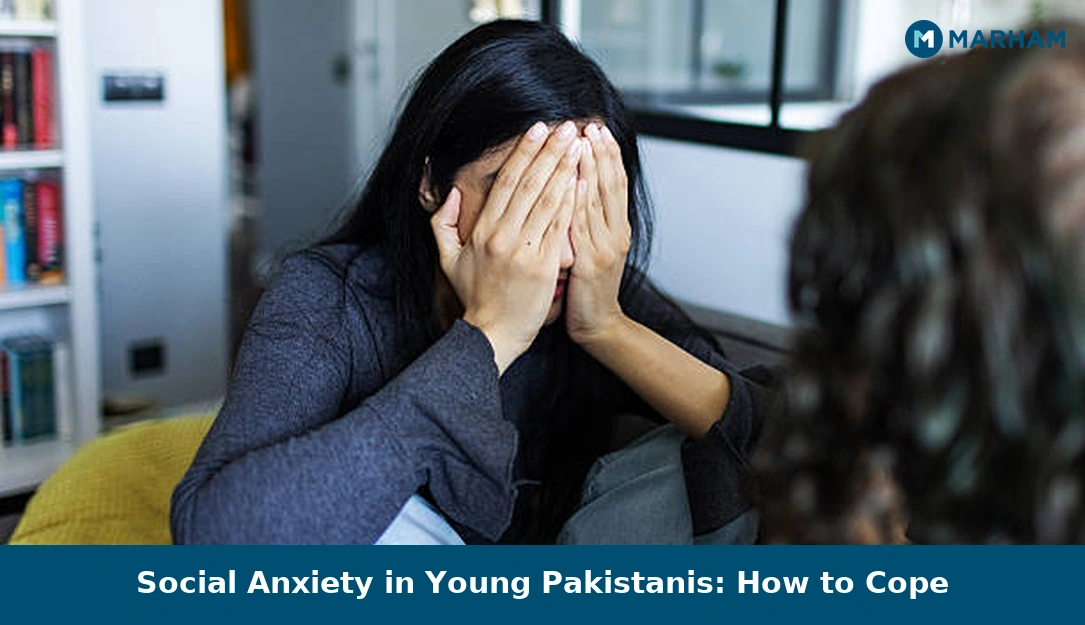
Growing up in Pakistan means growing up with an audience. Family gatherings, university presentations, rishta visits, neighbourhood chit-chat — social performance is woven into daily life from a young age. For most people, a little nervousness in those moments is normal. For a significant number of young Pakistanis, however, that nervousness is something far heavier.
Social anxiety disorder (SAD), also called social phobia, is an intense, persistent fear of being judged or embarrassed in social situations. It goes well beyond ordinary shyness. A student who skips an entire semester of seminars to avoid speaking in front of classmates, or a young woman who declines every wedding invitation because the thought of sitting among strangers feels physically unbearable — these are not personality quirks. They are signs of a real mental health condition.
According to the Pakistan Psychiatric Society, one in four young people in Pakistan is experiencing some form of psychological illness. Social anxiety disorder sits within that number, and it’s one of the conditions most likely to go unrecognised because it can look, from the outside, like someone who is simply quiet or overly polite.
سماجی اضطراب: نوجوان پاکستانیوں کے لیے اہم باتیں
سماجی اضطراب ایک ذہنی صحت کی کیفیت ہے جس میں انسان کو دوسروں کے سامنے جانے، بات کرنے یا کسی بھی سماجی صورتحال میں شامل ہونے سے شدید خوف محسوس ہوتا ہے۔ پاکستان میں یہ کیفیت نوجوانوں میں تیزی سے بڑھ رہی ہے، خاص طور پر یونیورسٹی کے طلبہ اور طالبات میں۔ ثقافتی دباؤ، خاندانی توقعات، سوشل میڈیا کا استعمال اور تعلیمی مسابقت اس مرض کو بڑھانے میں اہم کردار ادا کرتے ہیں۔ علامات میں دل کی تیز دھڑکن، پسینہ آنا، سماجی حالات سے گریز اور منفی خیالات شامل ہیں۔ اچھی خبر یہ ہے کہ مناسب علاج، جیسے کہ CBT تھراپی اور ماہر نفسیات سے مشاورت، سے اس کیفیت کو قابو میں لایا جا سکتا ہے۔
Shyness vs. Social Anxiety: What Is the Difference?
Shyness fades once you settle into a situation. Social anxiety doesn’t. A shy person might feel awkward at a new job for the first week, then warm up. Someone with social anxiety disorder may dread every team meeting for years, replaying imagined embarrassments for hours afterward.
The clinical difference is impairment. Social anxiety causes significant interference with daily life — skipping classes, avoiding job interviews, withdrawing from friends, or enduring social situations with such intense distress that the relief of leaving feels worth any cost. If the fear is controlling decisions rather than just colouring them, it’s worth taking seriously.
What Causes Social Anxiety in Pakistani Youth?
Social anxiety doesn’t have a single cause. It typically develops from a mix of biological vulnerability and environmental pressure — and Pakistan’s social environment adds several layers that clinicians elsewhere don’t always account for.
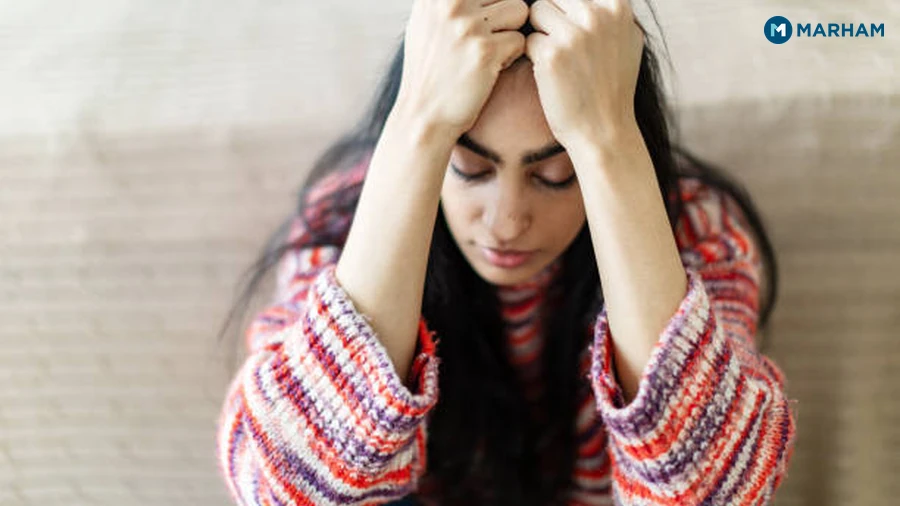
Izzat and the fear of public failure. Pakistani culture places enormous weight on family honour and reputation. Young people absorb the message early: a mistake made in public isn’t just personal, it reflects on the entire family. That pressure can turn ordinary social situations into high-stakes performances where the cost of getting it wrong feels catastrophic.
Academic competition. Entry tests for medical and engineering colleges, board exams, and the scramble for limited university seats create a culture of constant evaluation. A student who has been humiliated in a classroom — by a harsh teacher or laughing peers — may begin to associate any public setting with that same threat of exposure.
Social media comparison. Scrolling through curated Instagram and TikTok feeds, Pakistani teens measure their real, unfiltered lives against highlight reels. Research published in the Journal of Adolescence links heavy social media use with increased social comparison and anxiety symptoms in young adults.
Strict gender expectations. Girls in many Pakistani households are socialised to be quiet, deferential, and inconspicuous. When those same girls enter university or the workplace, the expectation to suddenly speak up and assert themselves can feel genuinely terrifying — not because they lack confidence, but because they’ve been trained that visibility is risky.
Family dynamics. Overly critical parenting, being compared to siblings or cousins, or growing up in a household where emotions were dismissed as weakness can all prime a young person toward social anxiety. A child who was regularly told “log kya kahenge” (what will people think) learns to see every social moment through others’ eyes.
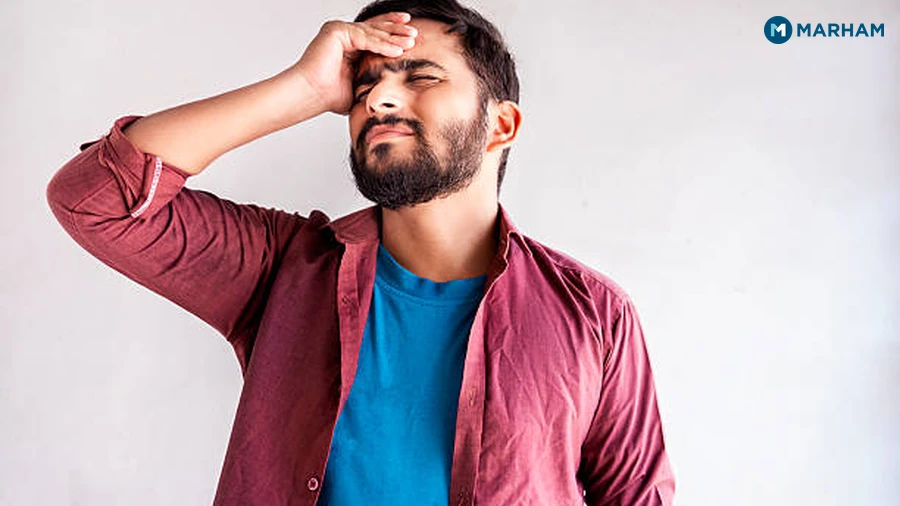
Symptoms of Social Anxiety Disorder to Recognise
Social anxiety isn’t just nervousness. It shows up physically, mentally, and behaviourally. Knowing the signs matters, because many young Pakistanis describe their symptoms to a family doctor as a “heart problem” or “stomach issue” — and the underlying anxiety never gets addressed.
Physical symptoms:
- Rapid heartbeat or pounding chest in social situations
- Sweating, trembling, or blushing
- Nausea or an upset stomach before or during social events
- Dry mouth, shaky voice when speaking
Mental symptoms:
- Intense worry about upcoming events, sometimes days in advance
- Replaying conversations afterward, searching for things said wrong
- Believing others noticed every flaw or mistake
- Difficulty concentrating because of self-monitoring
Behavioural symptoms:
- Avoiding classes, events, or social gatherings
- Staying silent in groups to avoid drawing attention
- Relying on a trusted person to “manage” social situations
- Quitting opportunities (jobs, internships, friendships) to avoid the anxiety
| Feature | Normal Nervousness | Social Anxiety Disorder |
|---|---|---|
| Trigger | Specific high-stakes events | Most or all social situations |
| Duration | Fades once settled | Persists or worsens over time |
| Avoidance | Rare | Frequent and deliberate |
| Interference with life | Minimal | Significant |
| Physical symptoms | Mild | Often intense |
How to Cope with Social Anxiety: Practical Steps for Pakistani Youth
Coping with social anxiety is a skill, not a personality change. The strategies below are grounded in evidence-based approaches used by clinical psychologists, adapted for the realities of daily life in Pakistan.
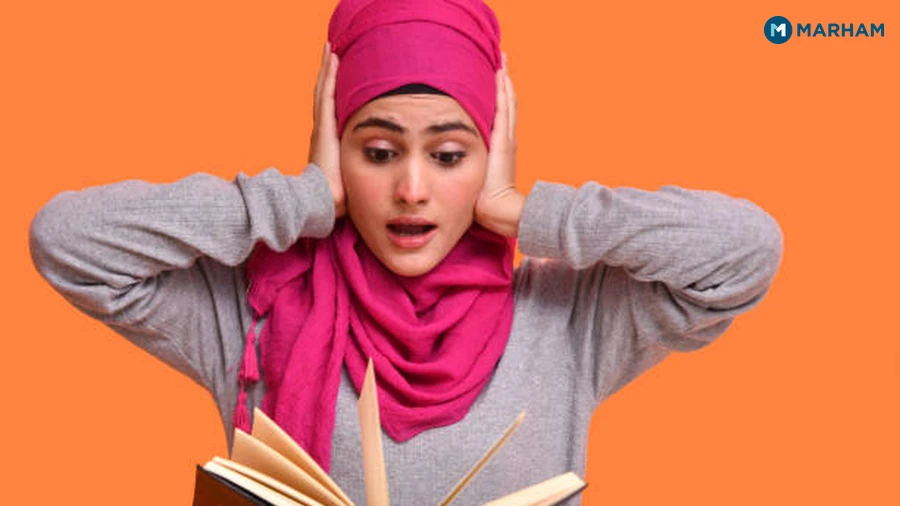
- Name it, don’t fight it. When anxiety spikes before a university viva or a family dinner, label it out loud to yourself: “This is anxiety. It will pass.” Trying to suppress the feeling tends to amplify it. Acknowledging it without judgment reduces its grip.
- Use a grounding technique before you enter the room. The 3-3-3 rule for anxiety is a quick, discreet reset: name 3 things you can see, 3 sounds you can hear, and move 3 parts of your body. You can do this sitting in a rickshaw outside a wedding hall in Lahore or waiting outside an interview room in Karachi — nobody notices, and it genuinely pulls the nervous system back from the edge.
- Practise slow, controlled breathing. Breathe in for 4 counts, hold for 2, out for 6. Do this 5 times. This activates the parasympathetic nervous system and physically slows the heart rate. Keep a tasbeeh in your pocket if it helps you count — many Pakistani young people find that familiar object calming in itself.
- Start small with exposure. Avoidance is the fuel that keeps social anxiety alive. The antidote is gradual, deliberate exposure. Start with low-stakes situations: say your order yourself at a dhaba instead of letting a friend do it, or answer one question in a tutorial class. Each small success recalibrates the brain’s threat response.
- Challenge the thought, not the feeling. When you think “everyone is judging me,” ask: what is the actual evidence? Is it likely that every person in that room is focused on you? Usually the honest answer is no. This is a simplified version of cognitive restructuring, the core skill in Cognitive Behavioural Therapy (CBT), which has strong evidence for treating social anxiety disorder.
- Limit social media scrolling, especially before social events. Comparing yourself to curated online profiles right before a gathering primes the brain for social threat. Set a rule: no social media for 30 minutes before any event that already makes you anxious.
- Build a small, honest support circle. One trusted friend or family member who understands what you’re dealing with is more valuable than a wide social network maintained through exhausting performance. In Pakistani families, this sometimes means having a frank conversation with a sibling or cousin who can be a calm presence at large gatherings.
When to See a Specialist for Social Anxiety
Self-help strategies work well for mild to moderate social anxiety. But if the fear is causing you to miss university, turn down career opportunities, or withdraw from relationships over months, professional support is the right next step.
A psychiatrist in Pakistan can assess whether what you’re experiencing meets the criteria for social anxiety disorder and recommend a treatment plan. CBT delivered by a trained therapist is the most evidence-backed treatment for SAD, with a published remission rate of around 59% in young people, according to a meta-analysis cited in a 2024 randomised trial conducted in Rawalpindi schools. In some cases, a psychiatrist may also discuss medication options — typically SSRIs (selective serotonin reuptake inhibitors) — as part of a broader plan. Medication decisions should always be made with a qualified doctor, never based on advice from family or online forums.
Pakistan has fewer than 500 trained psychiatrists for a population of over 240 million, per a 2024 PMC review. That shortage is real, and it’s one reason online consultations have become a practical option for young people in cities like Faisalabad or Quetta where specialist access is limited.
Get Expert Support from Marham
Finding a mental health specialist who understands the Pakistani context — the family pressure, the cultural stigma, the specific stressors of university life here — makes a real difference in treatment. Many young people delay getting help because they assume it means sitting in a waiting room and explaining everything from scratch to someone who won’t understand.
Marham connects you with verified psychiatrists in Pakistan who offer online consultations, so you can speak to a specialist from your own room without involving the whole household. A first consultation typically takes 20 to 30 minutes, covers your symptoms and history, and gives you a clear picture of whether therapy, self-help, or a combined approach is right for your situation. You don’t need a referral letter or a long wait.
Frequently Asked Questions
Is social anxiety disorder common in Pakistan?
Yes. According to the Pakistan Psychiatric Society, one in four young people in Pakistan experiences some form of psychological illness, and social anxiety disorder is among the most prevalent. Most cases go undiagnosed because symptoms are mistaken for shyness or introversion.
What is the difference between shyness and social anxiety?
Shyness is a personality trait that eases with familiarity. Social anxiety disorder is a clinical condition where fear of judgment persistently interferes with daily life, relationships, and opportunities — and doesn’t fade on its own without intervention.
Can social anxiety be treated without medication?
Often, yes. Cognitive Behavioural Therapy (CBT) is the first-line treatment for social anxiety disorder and has strong evidence behind it. Medication such as SSRIs may be added in moderate to severe cases, but that decision should be made with a qualified psychiatrist, not independently.
How do I stop social anxiety in the moment?
Use a grounding technique like the 3-3-3 rule, slow your breathing (inhale for 4 counts, exhale for 6), and remind yourself that the anxiety will pass. These don’t eliminate anxiety permanently, but they reduce its intensity enough to stay present in the situation.
What causes social anxiety in Pakistani teenagers specifically?
A combination of cultural pressure around family honour, harsh academic competition, fear of public failure, strict gender expectations, and heavy social media use all contribute. Pakistani youth face a specific mix of stressors that can make social situations feel unusually high-stakes.
When should I see a doctor for social anxiety?
Seek professional help if social anxiety has been affecting your studies, work, or relationships for more than a few months, or if avoidance is becoming your default response. A psychiatrist or clinical psychologist can assess the severity and recommend the right level of support.
Is it possible to overcome social anxiety completely?
Many people manage social anxiety to the point where it no longer controls their decisions. Full remission is possible with the right treatment, particularly CBT started early. “Overcoming” it doesn’t always mean never feeling nervous — it means the fear no longer runs your life.
Conclusion
Social anxiety in young Pakistanis is real, common, and treatable. The cultural pressures that shape life here — izzat, academic competition, family expectations — can make it harder to recognise and harder to admit. But the fact that it fits the Pakistani context doesn’t make it normal or inevitable. Grounding techniques, gradual exposure, and honest conversations with a trusted person are solid starting points. When those aren’t enough, a qualified psychiatrist or therapist can offer the structured support that makes the biggest difference. Getting help isn’t a sign of weakness — it’s the practical next step.