

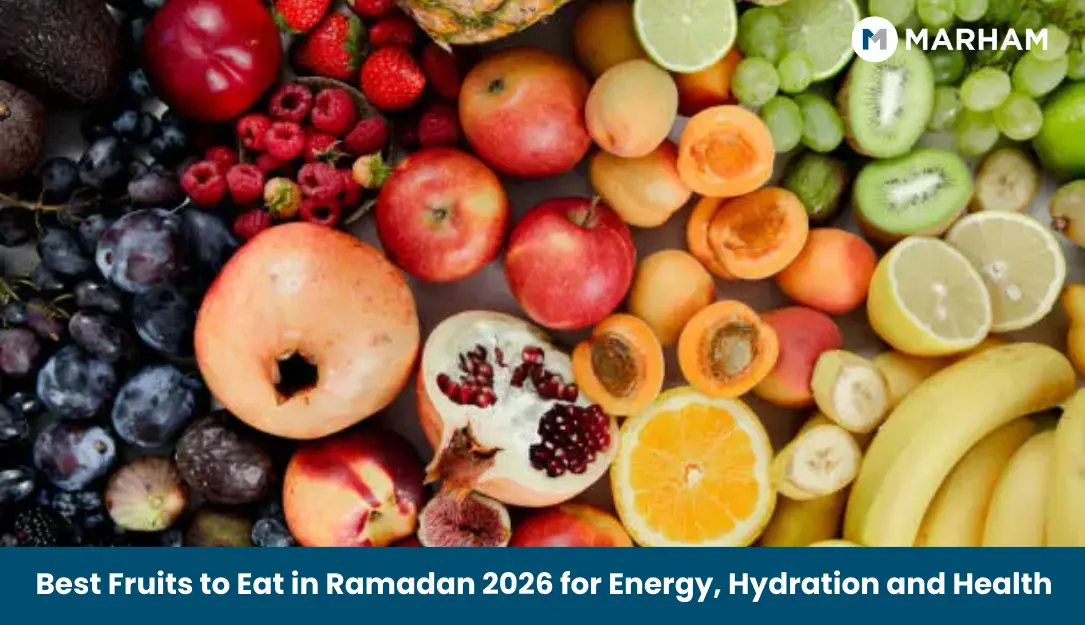
Every Ramadan, the same struggle repeats itself. By 2 PM, you feel drained. By Asr, your head is pounding. By the time the Maghrib azaan finally goes off, you are so exhausted that you reach straight for fried samosas and sugary drinks instead of anything that actually helps your body recover. And the cycle continues the next day.
The solution is sitting right in your kitchen, and most Pakistani families are not using it enough. Fruits (پھل / Phal) are one of the most powerful foods you can eat during Ramadan. They hydrate your body, provide natural sugars for quick energy, deliver essential vitamins your fasting body desperately needs, and they digest easily without weighing you down before Taraweeh.
But not all fruits are equal when it comes to fasting. Some fruits keep you hydrated for hours. Others give you an energy crash within 30 minutes. Some are perfect for sehri while others work best at iftar. This guide covers the best fruits to eat in Ramadan 2026 in Pakistan, when to eat them, how they help your body during fasting, and simple ways to include them in your daily sehri and iftar routine. Ramadan 2026 begins in mid February in Pakistan, which means the weather is still cool but gradually warming up. This is actually great timing because many of Pakistan’s best winter fruits like kinnu, guava, oranges, and pomegranates are still in season and available at affordable prices in every fruit market.
Why Fruits Are Essential During Ramadan
Before jumping into the list, it is important to understand why fruits deserve a bigger place on your Ramadan table than they usually get.
When you fast for 14 to 16 hours, your body loses water through sweat, breathing, and normal bodily functions. Most people try to compensate by drinking a lot of water at iftar and sehri, but water alone is not always enough. Your body also loses electrolytes like potassium, magnesium, and sodium that are essential for preventing muscle cramps, headaches, and fatigue. Fruits are loaded with these electrolytes plus water content, making them one of the most efficient ways to rehydrate.
Fruits also provide natural sugars (fructose and glucose) that give your brain and muscles immediate energy without the crash that comes from processed sugar, fizzy drinks, or sweets. When you break your fast with dates and then eat some fresh fruit before your main meal, your blood sugar rises gently and steadily instead of spiking and crashing like it does with a plate of jalebis.
On top of hydration and energy, fruits deliver fiber, vitamins (especially Vitamin C, A, and B complex), antioxidants, and minerals that your immune system needs to stay strong during the month. Many people get sick during Ramadan because their diet is heavy on fried foods and light on nutrition. Adding fruits daily is the simplest way to fix that.
10 Best Fruits to Eat in Ramadan 2026
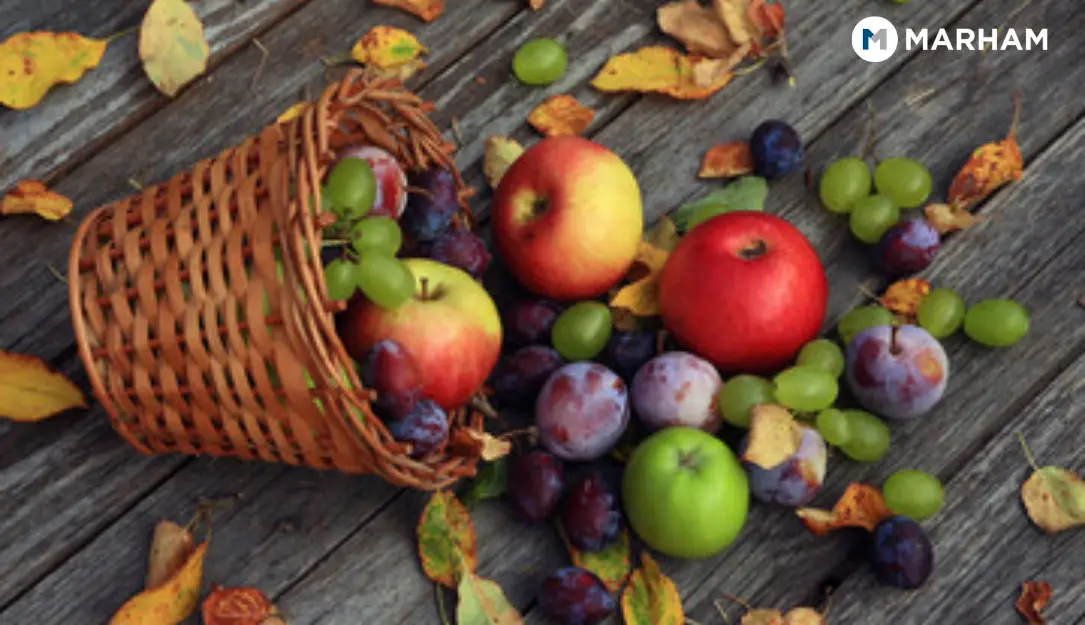
1. Dates (Khajoor / کھجور)
No Ramadan list can start without dates, and for good reason. Dates are the Sunnah way to break your fast and they are scientifically one of the best foods to eat after a long period of not eating. They contain natural glucose and fructose that give your brain and muscles instant energy within minutes of eating them. They are also rich in potassium, magnesium, fiber, and iron.
What makes dates special during fasting is how quickly they restore your blood sugar to a healthy level without the crash that comes from processed sweets. Two to three dates at iftar are enough to stabilize your energy before the main meal. They also contain fiber that helps prevent the constipation many people experience during Ramadan due to changes in eating patterns.
Dates are available everywhere in Pakistan during Ramadan, from street vendors to grocery stores. Ajwa dates are considered the most premium but regular Madina dates or Aseel dates from Sindh work just as well nutritionally. Stick to 2 to 3 dates at iftar and avoid eating an entire box because they are calorie dense.
Best time to eat: At iftar, immediately when breaking the fast.
2. Strawberry (Straaberry / سٹرابری)
If there is one fruit that perfectly aligns with Ramadan 2026 timing in Pakistan, it is the strawberry. February and March are peak strawberry season in Pakistan, with fresh, affordable strawberries flooding markets in Islamabad, Lahore, Swat, and other cities. This means you get them at their cheapest and most nutritious right when Ramadan begins.
Strawberries are about 91% water, making them incredibly hydrating after a long fast. They are loaded with Vitamin C (one cup provides over 100% of your daily needs), manganese, and powerful antioxidants called anthocyanins that fight inflammation. The natural sugars are gentle on blood sugar, and the fiber content helps with the constipation many people experience during Ramadan.
A bowl of fresh strawberries at iftar is refreshing, light on the stomach, and satisfies your sweet cravings without the calories of desserts. Blend them into a lassi, add them to fruit chaat, or eat them plain with a sprinkle of black salt. Since they are only in season for a short window, take full advantage during Ramadan 2026.
Best time to eat: Iftar (for hydration and Vitamin C). Also great as a post iftar snack.
3. Banana (Kela / کیلا)
Bananas are one of the most underrated Ramadan fruits in Pakistani households. They are cheap, available year round, filling, and packed with exactly what your fasting body needs. One medium banana contains about 422mg of potassium, which prevents muscle cramps and that tired, heavy feeling many people get during the last hours of fasting.
Bananas are also a great source of Vitamin B6, which supports energy metabolism, and natural sugars that give you sustained energy rather than a quick spike. The resistant starch in slightly unripe bananas acts as a prebiotic, feeding the good bacteria in your gut and improving digestion during Ramadan.
For sehri, a banana is one of the best fruits you can eat because it digests slowly and keeps you feeling full longer. Slice one into your oatmeal, blend it into a milk smoothie, or simply eat it on its own with a glass of water. For iftar, bananas work perfectly in fruit chaat or as a quick snack between the main meal and Taraweeh.
Best time to eat: Sehri (for sustained energy) and iftar (in fruit chaat or smoothies).
4. Apple (Seb / سیب)
There is a reason the old saying goes “an apple a day keeps the doctor away,” and during Ramadan this becomes even more relevant. Apples are rich in soluble fiber (pectin) that slows down digestion and helps regulate blood sugar levels throughout the fast. This means eating an apple at sehri can help you feel less hungry during the later hours of fasting.
Apples also contain quercetin, a natural anti inflammatory compound that helps with the headaches and body aches some people experience during fasting. They are gentle on the stomach, easy to carry if you are eating sehri on the go, and available in every fruit market in Pakistan.
One apple at sehri provides about 4.5 grams of fiber, which is significant for keeping your digestive system moving smoothly during Ramadan when constipation is a common complaint. Eat them with the skin on for maximum fiber benefit.
Best time to eat: Sehri (for sustained fullness and fiber).
5. Orange and Kinnu (Santra / Kinnu / سنترہ)
Ramadan 2026 could not have better timing for citrus lovers in Pakistan. February and March are the absolute peak of kinnu and malta season, meaning these fruits are available everywhere at their lowest prices. Kinnu is practically the national fruit of Pakistani winters, and during Ramadan it becomes even more valuable for its health benefits.
Oranges and kinnu are vitamin C powerhouses that support your immune system during Ramadan. Many people catch colds, sore throats, and infections during fasting because their immune defenses weaken from dietary changes and sleep disruption. A single kinnu provides over 100% of your daily Vitamin C requirement.
The high water content in oranges (about 86%) also makes them excellent for hydration at iftar. The natural citric acid stimulates digestion, which is helpful when your stomach has been empty for hours. Fresh squeezed kinnu juice (without added sugar) is a far healthier iftar drink than packaged juices or sugary sherbets. Since kinnu is so affordable during this season in Pakistan, there is no excuse not to stock up.
One word of caution though. If you suffer from acidity or acid reflux during Ramadan, oranges and kinnu might worsen those symptoms. In that case, stick to less acidic fruits like bananas, papaya, or strawberries instead.
Best time to eat: Iftar (for hydration and Vitamin C). Avoid at sehri if you have acidity issues.
6. Pomegranate (Anaar / انار)
Pomegranate is often called a superfruit and it absolutely earns that title during Ramadan. The ruby red seeds (arils) are packed with antioxidants, particularly punicalagins and anthocyanins, which fight inflammation and protect your cells from damage. Studies show that pomegranate has three times more antioxidant activity than green tea.
For fasting individuals, pomegranate is valuable because it supports healthy blood pressure, improves digestion, and has anti inflammatory properties that help with the joint stiffness and fatigue common during long fasts. The seeds also contain fiber that aids digestion and natural sugars that provide a moderate energy boost.
Sprinkle pomegranate seeds over your fruit chaat at iftar, add them to yogurt, or drink fresh pomegranate juice. In Pakistan, pomegranates are available in the winter months and can still be found in markets during February and early March, though the season is winding down. Stock up early in Ramadan 2026 for the best quality and prices.
Best time to eat: Iftar (as a topping or fresh juice).
7. Papaya (Papita / پپیتا)
Papaya is one of the best kept secrets for Ramadan digestion. It contains an enzyme called papain that helps break down proteins and makes digestion easier. During Ramadan, when your eating window is short and your stomach has to process a full day’s worth of food in just a few hours, papaya can prevent that heavy, bloated feeling after iftar.
Papaya is also rich in Vitamin C, Vitamin A (great for eye health), folate, and fiber. Its soft, easy to digest texture makes it gentle on an empty stomach at iftar. The high water content adds to hydration, and the fiber prevents constipation.
In Pakistan, ripe papaya is affordable and available year round. Eat it on its own, add it to fruit salad, or blend it into a sehri smoothie with yogurt and honey. If you frequently deal with bloating or indigestion during Ramadan, papaya should be on your daily menu.
Best time to eat: Iftar (for digestion support) or sehri (in smoothies).
8. Grapes (Angoor / انگور)
Grapes are small but mighty when it comes to Ramadan nutrition. They contain about 81% water, making them a good hydrating snack. They are also one of the most convenient fruits to eat because they require zero preparation. Just wash and eat. This makes them perfect for a quick snack between iftar and Taraweeh or as an addition to fruit chaat.
Grapes contain resveratrol, a compound that supports heart health and has anti inflammatory properties. They also provide natural glucose for quick energy, Vitamin K for bone health, and Vitamin C for immunity. Red and black grapes have higher antioxidant levels than green grapes, so prioritize those if available.
Freeze a bunch of grapes and eat them cold at iftar for a refreshing, hydrating treat that feels like a healthy dessert. Kids especially love frozen grapes as an iftar snack.
Best time to eat: Iftar (fresh or frozen as a snack). Between iftar and Taraweeh.
9. Pear (Nashpati / ناشپاتی)
Pears are an excellent choice for sehri because they are high in fiber (about 5.5 grams per medium pear, even more than apples) and contain slow digesting natural sugars that keep your energy steady during the fast. Pears are also gentle on the stomach and rarely cause acidity, making them suitable for people who struggle with heartburn during Ramadan.
The soluble fiber in pears acts as a prebiotic, feeding good gut bacteria and supporting healthy digestion. They also contain Vitamin C, Vitamin K, and copper. In Pakistan, locally grown pear season is autumn, but imported pears are available in markets year round including during February and March for Ramadan 2026.
Eat a pear at sehri alongside your main meal for extra fiber and hydration. You can also dice pears into oatmeal or yogurt for added sweetness without processed sugar.
Best time to eat: Sehri (for sustained energy and fiber).
10. Guava (Amrood / امرود)
Guava is a Pakistani favorite and it is nutritionally outstanding for Ramadan. A single guava contains about 4 times more Vitamin C than an orange, making it one of the strongest immunity boosting fruits available. It is also very high in fiber, Vitamin A, potassium, and antioxidants.
What makes guava special for fasting is its combination of low glycemic index (meaning it does not spike your blood sugar) and high fiber content (meaning it keeps you full longer). This makes it suitable for both sehri and iftar. Guava season in Pakistan runs through the winter months and is still available in February and early March, making it perfectly timed for Ramadan 2026. It is also one of the most affordable fruits you will find in Pakistani markets.
Eat guava with a pinch of salt and chaat masala for that classic Pakistani snack, add it to fruit chaat, or blend it into a juice. The seeds are safe to eat and actually add extra fiber.
Best time to eat: Sehri (for lasting fullness) and iftar (for Vitamin C and immunity).
رمضان میں کون سے پھل کھائیں | Best Fruits for Ramadan in Urdu
رمضان میں پھل کھانا بہت ضروری ہے کیونکہ یہ جسم کو پانی، قدرتی شکر، وٹامنز اور معدنیات فراہم کرتے ہیں۔ کھجور روزہ افطار کرنے کا سنت طریقہ ہے اور فوری توانائی دیتی ہے۔ سٹرابری فروری اور مارچ میں پاکستان میں عروج پر ہوتی ہے اور 91 فیصد پانی پر مشتمل ہونے کی وجہ سے جسم کو تیزی سے ہائیڈریٹ کرتی ہے۔ کیلا پوٹاشیم سے بھرپور ہوتا ہے جو تھکاوٹ اور پٹھوں کے درد سے بچاتا ہے اور سحری میں کھانے سے دیر تک بھوک نہیں لگتی۔ کنو اور سنترہ وٹامن سی فراہم کرتے ہیں جو قوت مدافعت بڑھاتے ہیں اور یہ بھی اسی موسم میں سستے ملتے ہیں۔ انار میں طاقتور اینٹی آکسیڈنٹس ہوتے ہیں جو سوزش کم کرتے ہیں۔ سیب میں فائبر ہوتا ہے جو سحری میں دیر تک پیٹ بھرا رکھتا ہے۔ پپیتا ہاضمے میں مدد کرتا ہے اور افطاری کے بعد پیٹ بھاری ہونے سے بچاتا ہے۔ امرود سستا، مزیدار اور وٹامن سی سے بھرپور ہے اور فروری مارچ میں ابھی بھی دستیاب ہے۔ روزانہ 2 سے 3 مختلف پھل اپنی سحری اور افطاری میں شامل کریں اور رمضان بھرپور توانائی کے ساتھ گزاریں۔
Best Fruits for Sehri vs Iftar: Quick Comparison
| Fruit | Best For | Why |
| Dates (Khajoor) | Iftar | Instant energy, Sunnah, restores blood sugar |
| Strawberry (Straaberry) | Iftar | 91% water, peak season in Pakistan, Vitamin C |
| Banana (Kela) | Sehri | Potassium, slow energy, keeps you full |
| Apple (Seb) | Sehri | High fiber, regulates blood sugar during fast |
| Orange/Kinnu | Iftar | Vitamin C, hydration, immune support |
| Pomegranate (Anaar) | Iftar | Antioxidants, anti inflammatory |
| Papaya (Papita) | Iftar | Aids digestion, prevents bloating |
| Grapes (Angoor) | Iftar | Quick energy, hydrating, zero prep needed |
| Pear (Nashpati) | Sehri | Highest fiber, sustained energy |
| Guava (Amrood) | Both | 4x Vitamin C of oranges, affordable, filling |
How to Include More Fruits in Your Ramadan Routine
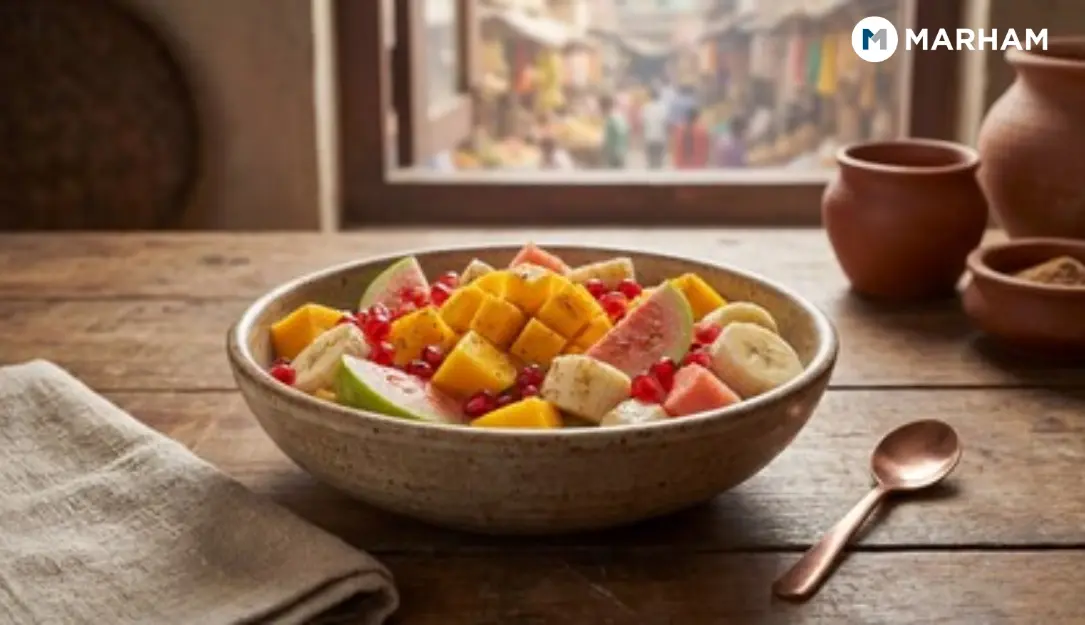
Most Pakistani families eat very little fruit during Ramadan because iftar tables are dominated by fried items, chaat, and heavy curries. Here are practical ways to add more fruit to your daily routine without changing your entire meal plan.
Make a Fruit Chaat at Iftar Every Day
This is the easiest and most Pakistani way to eat fruits during Ramadan. Dice up 3 to 4 different fruits (banana, apple, pomegranate seeds, grapes), add a squeeze of lemon, a pinch of black salt, and chaat masala. It takes less than 5 minutes to prepare and the whole family will enjoy it. Make it a rule that fruit chaat comes to the table before the samosas and pakoras, not after.
Add Fruit to Sehri
Slice a banana into your oatmeal or daliya. Have an apple alongside your paratha and egg. Blend a banana, some yogurt, and a handful of dates into a quick sehri smoothie. These small additions make a massive difference in how you feel during the fast because they provide slow release energy and fiber.
Replace Sugary Drinks with Fresh Fruit Juice
Instead of packaged juices or sweetened sherbets at iftar, make fresh juice at home. Kinnu juice, orange juice, pomegranate juice, or a strawberry smoothie take minutes to prepare and are infinitely healthier than anything from a bottle. Do not add extra sugar because the natural fruit sugars are enough.
Keep Fruits Visible and Ready to Eat
The reason fried items get eaten first at iftar is because they are sitting right there on the table, hot and ready. Do the same with fruits. Wash grapes and strawberries and keep them in a bowl on the table. Pre cut fruits and store them in the fridge. When healthy food is visible and accessible, your family will eat it.
Frozen Fruit as a Healthy Dessert
Freeze grapes, banana slices, or strawberries and serve them after iftar instead of heavy desserts. They taste like a cold treat but are full of nutrients and contain zero added sugar. This is especially great for kids who want something sweet after the meal.
Fruits to Be Careful With During Ramadan
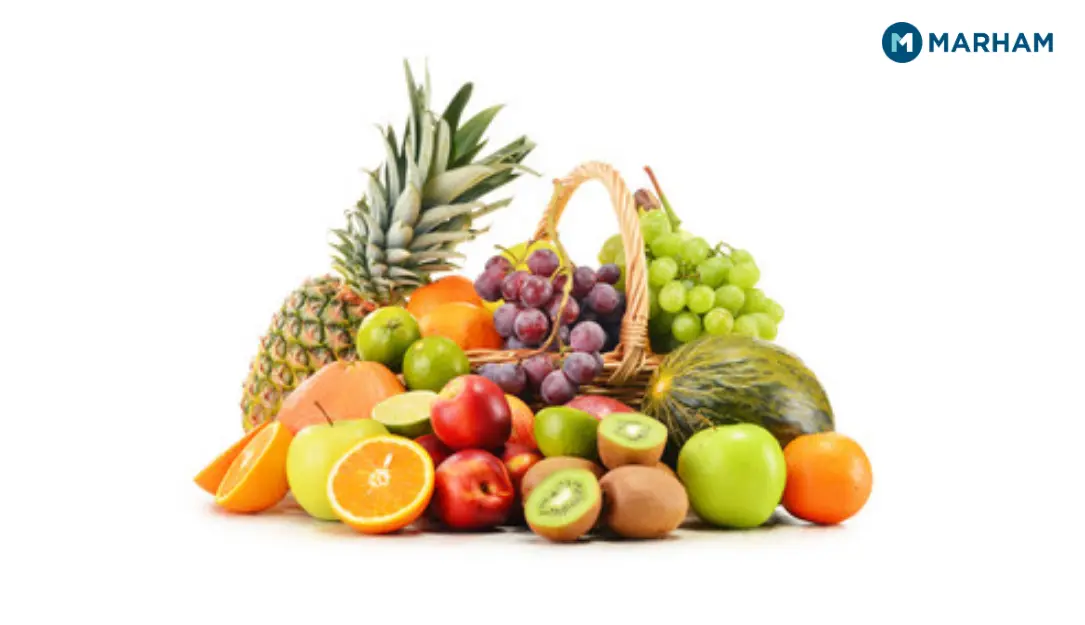
Not every fruit is ideal for fasting, and some need to be eaten at the right time to avoid problems.
Citrus fruits (oranges, kinnu, grapefruit) are wonderful for Vitamin C and hydration but can trigger acidity or acid reflux in some people, especially if eaten on a mostly empty stomach. If you have a sensitive stomach, eat citrus at iftar after you have already had dates, water, and some food rather than as the first thing you eat.
Mangoes are not in season during Ramadan 2026 at all since mango season in Pakistan does not begin until May or June. If you find imported mangoes, they are expensive and often lack the flavor and nutrition of local seasonal fruit. Save your mango cravings for after Eid and focus on seasonal fruits like kinnu, strawberries, and guava instead.
Jackfruit (Kathal) is heavy, difficult to digest, and can cause gas and bloating. It is best avoided during Ramadan, especially at iftar when your stomach is sensitive.
Dried fruits like raisins, dried apricots, and figs are nutritious but very calorie dense. A small handful is fine but eating large amounts will add excess sugar and calories. Treat them as a supplement, not a replacement for fresh fruits.
How Many Fruits Should You Eat Daily in Ramadan?
For a healthy adult fasting during Ramadan, aim for 2 to 3 servings of fruit daily split between sehri and iftar. One serving is roughly one medium sized fruit (like a banana or apple), one cup of diced fruit (like strawberries or papaya), or about half a cup of smaller fruits (like grapes or pomegranate seeds).
At sehri, have one serving of a fiber rich fruit like banana, apple, pear, or guava. At iftar, have one to two servings of hydrating fruits like strawberries, oranges, or a mixed fruit chaat. This simple pattern ensures you get hydration, fiber, vitamins, and natural energy throughout the fasting day.
If you are trying to lose weight during Ramadan, fruits are your best friend because they satisfy sweet cravings without the empty calories of processed desserts. Replace your nightly jalebi or gulab jamun with a bowl of fruit chaat and you will see a noticeable difference on the scale by Eid.
Book a Nutritionist on Marham
If you want a personalized Ramadan diet plan that includes the right fruits, portions, and meal timing for your specific health needs, consult a nutritionist through Marham. Whether you are managing diabetes, weight loss, acidity, or just want to feel more energized during fasting, a professional can create a plan that works for your body and your family’s budget.
Call 0311 1222398 or visit Marham.pk to book your appointment before Ramadan 2026.
Conclusion
Fruits are the most overlooked health hack in Pakistani Ramadan routines. While our iftar tables are heavy on samosas, pakoras, and sugary drinks, adding just 2 to 3 servings of fresh fruit daily can transform how you feel during the entire month. Strawberries and oranges hydrate you and boost immunity when your body is most vulnerable. Bananas and apples keep you full and energized during long fasts. Dates restore your blood sugar the moment you break your fast. Kinnu, pomegranate, and guava are all in season and affordable in Pakistani markets right when Ramadan 2026 begins in mid February.
Start Ramadan 2026 with a simple commitment: make fruit chaat a daily iftar tradition, add a banana or apple to every sehri, and replace at least one sugary drink with fresh kinnu or pomegranate juice. These small changes require almost no extra effort or money but they make a real difference in your energy, hydration, digestion, and overall health throughout the blessed month.
If you have specific dietary needs or health conditions, consult a nutritionist through Marham for a Ramadan plan tailored to you. Ramadan Mubarak and here is to a healthier, more energized fast this year!