

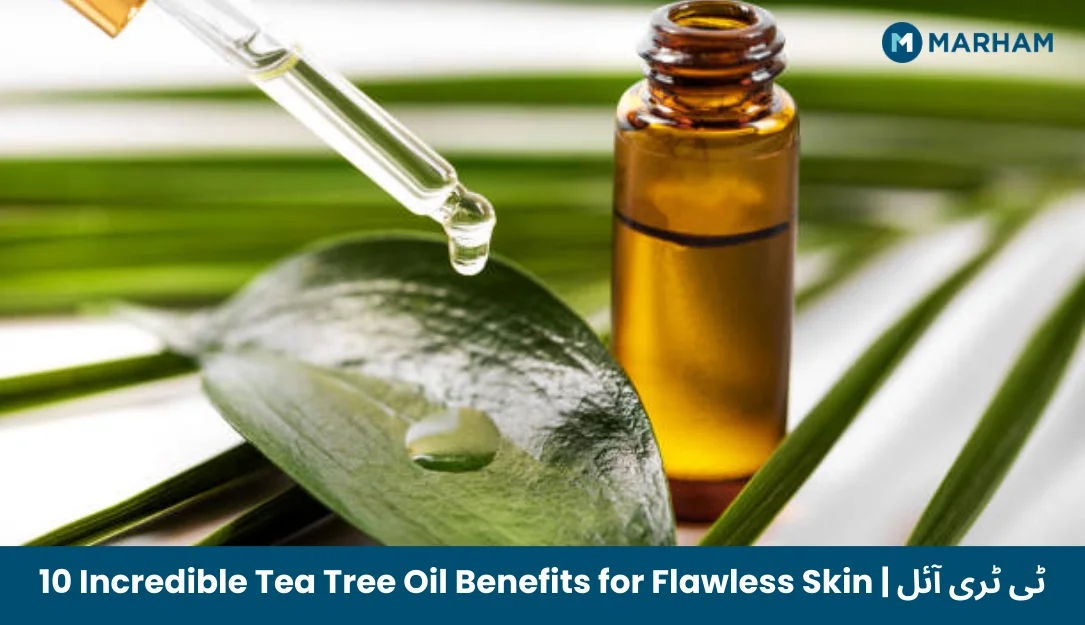
Every Pakistani skincare shelf seems to have a tiny bottle of tea tree oil sitting on it these days but do you actually know how to use it properly? Tea tree oil, also searched as ٹی ٹری آئل (Tea Tree Oil in Urdu), is a powerful essential oil extracted from the Australian Melaleuca alternifolia plant. It has been used for centuries as a natural antiseptic, and modern science now backs what traditional medicine always knew. Whether you’re battling stubborn acne, dealing with dandruff, or looking for a chemical-free skincare solution, tea tree oil benefits make it one of the most versatile natural remedies available in Pakistan today.
What Is Tea Tree Oil? | ٹی ٹری آئل کیا ہے؟
Tea tree oil is a concentrated essential oil steam-distilled from the leaves of the tea tree plant native to Australia. Despite the name, it has no connection to the chai we drink — it’s purely a topical oil. Its key active compound, terpinen-4-ol, gives it powerful antibacterial, antifungal, and anti-inflammatory properties. In Pakistan, tea tree oil is widely available at pharmacies, beauty stores, and online shops. It should never be applied undiluted — always mix it with a carrier oil like coconut, olive, or jojoba oil before applying to skin.
10 Powerful Tea Tree Oil Benefits
1. Fights Acne and Pimples Naturally
The most popular reason Pakistanis search for tea tree oil for acne is its proven ability to kill acne-causing bacteria. Studies published in the Medical Journal of Australia found that 5% tea tree oil gel was as effective as benzoyl peroxide for reducing pimples — with fewer side effects like dryness and peeling. Is tea tree oil good for acne? Research says yes, especially for mild to moderate breakouts that plague many young Pakistanis.
2. Reduces Skin Inflammation and Redness
Tea tree oil benefits for skin go beyond acne. Its anti-inflammatory compounds soothe redness, swelling, and irritated skin. If you deal with post-pimple marks or inflamed patches — common in Pakistan’s humid summers — diluted tea tree oil can calm the skin and speed up healing. Studies show terpinen-4-ol actively suppresses inflammatory responses in skin cells.
3. Natural Antibacterial and Antiseptic
Long before modern antiseptics, tea tree oil was used to clean wounds. Its broad-spectrum antibacterial properties make it effective against bacteria, fungi, and even some viruses. In Pakistani households, a diluted solution can be used to clean minor cuts, insect bites, and scratches — a natural alternative to chemical-laden products.
4. Controls Dandruff and Scalp Issues
Dandruff is one of the most common hair complaints in Pakistan, especially during winter. Research shows that shampoos containing 5% tea tree oil significantly reduce dandruff severity and scalp itchiness. Simply add 3-4 drops to your regular shampoo, massage into the scalp, leave for 2-3 minutes, and rinse. Consistent use over 4 weeks shows the best results.
5. Treats Fungal Infections
Tea tree oil’s antifungal properties make it effective against common fungal issues like athlete’s foot and nail fungus — conditions that worsen in Pakistan’s hot, humid climate. Clinical studies show that tea tree oil applied twice daily can improve fungal nail infections over 6 months. Mix with coconut oil and apply directly to the affected area.
6. Helps with Oily Skin Control
For the many Pakistanis struggling with excessively oily skin, tea tree oil benefits include natural sebum regulation. Unlike harsh chemical toners that strip your skin and trigger even more oil production, diluted tea tree oil gently balances oil levels. Adding 2-3 drops to your moisturizer or using a tea tree serum can help keep that midday shine under control.
7. Soothes Insect Bites and Stings
Pakistan’s mosquito season is practically year-round in cities like Karachi and Lahore. Tea tree oil acts as both a natural insect repellent and a soothing treatment for existing bites. Its anti-inflammatory properties reduce swelling and itching quickly. Dab a small amount of diluted oil onto bites for fast relief.
8. Supports Wound Healing
Research indicates that tea tree oil speeds up wound healing by reducing inflammation and triggering white blood cell activity. For minor household cuts and scrapes, cleaning the wound and applying diluted tea tree oil can prevent infection and promote faster recovery. It’s a useful addition to any Pakistani family’s first-aid kit.
9. Natural Deodorant Alternative
The antibacterial properties of tea tree oil make it an effective natural deodorant — it kills the bacteria that cause body odor rather than just masking the smell. In Pakistan’s intense summer heat, mixing a few drops with coconut oil and applying to underarms offers chemical-free freshness throughout the day.
10. Freshens Breath and Improves Oral Hygiene
Tea tree oil’s antimicrobial action extends to oral health. Studies show it can reduce the bacteria responsible for bad breath, plaque, and gum inflammation. Add one drop to your toothpaste or mix with warm water as a mouthwash — but never swallow it. It’s a natural complement to your regular dental care routine.
Tea Tree Oil Benefits in Urdu | ٹی ٹری آئل کے فائدے
ٹی ٹری آئل ایک قدرتی اینٹی سیپٹک تیل ہے جو آسٹریلیا کے ٹی ٹری پودے سے حاصل ہوتا ہے۔ یہ کیل مہاسوں کے بیکٹیریا کو ختم کرتا ہے اور جلد کی سوزش اور سرخی کم کرتا ہے۔ تیلی جلد کنٹرول کرنے، خشکی دور کرنے اور فنگل انفیکشن میں بھی مؤثر ہے۔ اسے ہمیشہ ناریل یا زیتون کے تیل میں ملا کر لگائیں — کبھی سیدھا استعمال نہ کریں۔ پاکستان میں یہ آسانی سے دستیاب ہے اور قیمت 500 سے 2000 روپے کے درمیان ہے۔
How to Use Tea Tree Oil on Face | چہرے پر استعمال کا طریقہ
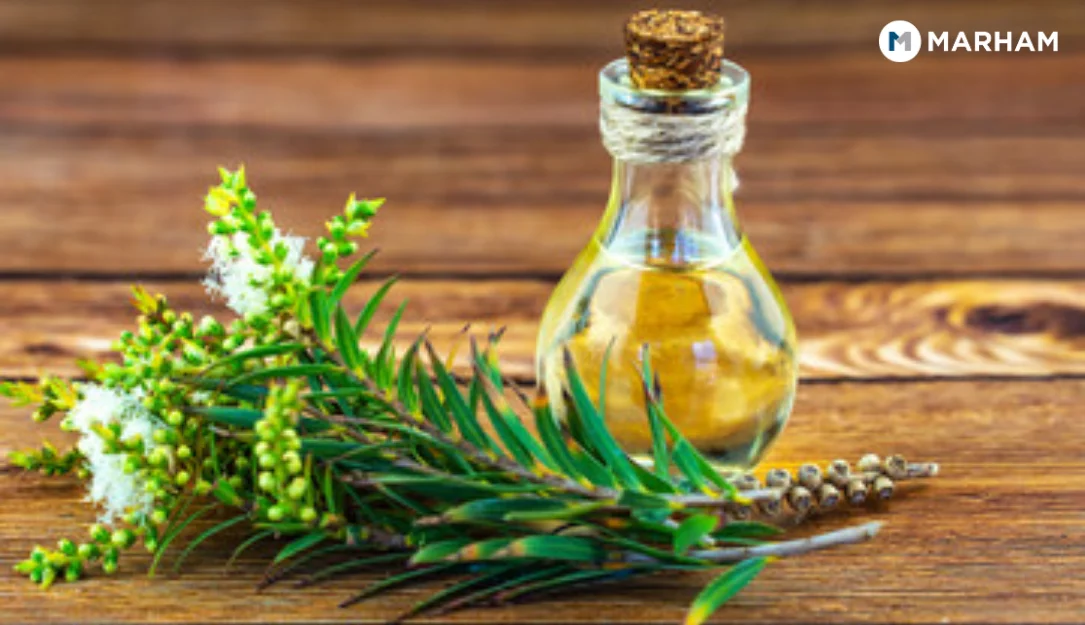
Understanding how to use tea tree oil on face correctly is essential using it wrong can damage your skin. For acne spot treatment, mix 1-2 drops of tea tree oil with 12 drops of a carrier oil (coconut, jojoba, or olive oil) and apply directly to pimples with a cotton swab. Leave overnight and rinse in the morning.
For a full-face treatment, add 2-3 drops to your regular moisturizer and apply evenly. If you’re learning how to use tea tree oil for pimples for the first time, always do a patch test on your wrist first wait 24 hours to check for any reaction. Start using it every other night, then increase to nightly once your skin adjusts.
Tea Tree Oil Price in Pakistan
Tea tree oil price in Pakistan varies depending on the brand and purity. Local brands typically range from Rs. 300-800 for 15-30ml, while imported brands like The Body Shop or Thursday Plantation can cost Rs. 1,500-3,000. Always check that the label says “100% pure tea tree essential oil” — avoid products labeled as “fragrance oil” or “tea tree flavored” as these lack the active compounds. Pharmacies, Daraz, and beauty stores across Lahore, Karachi, and Islamabad stock multiple options.
Tea Tree Oil vs Neem Oil: Which Is Better?
| Factor | Tea Tree Oil | Neem Oil |
| Best For | Acne, pimples, spot treatment | Full-body skin issues, hair care |
| Antibacterial | Very strong | Strong |
| Smell | Medicinal, camphor-like | Strong, bitter |
| Availability in Pakistan | Pharmacy, online | Easily available everywhere |
| Price Range | Rs. 300-3,000 | Rs. 200-800 |
| Cultural Familiarity | Newer in Pakistan | Desi classic (neem ke fayde) |
Verdict: Tea tree oil is better for targeted acne and pimple treatment, while neem oil is a more affordable, traditional all-rounder that Pakistani families have trusted for generations. Using both in your routine — tea tree for face, neem for body and hair — gives you the best of both worlds.
Tea Tree Oil Side Effects and Cautions
Tea tree side effects are usually mild but important to know. Never apply undiluted tea tree oil directly to skin — it can cause burning, redness, and irritation. Always dilute with a carrier oil at a ratio of 1:12 (1 drop tea tree to 12 drops carrier oil).
Allergies: Some people develop contact dermatitis. Always patch test before first use. If redness or itching occurs, stop immediately and wash the area.
Ingestion: Tea tree oil is toxic if swallowed. Keep away from children and never add to food or drinks. Symptoms of ingestion include confusion, drowsiness, and vomiting — seek medical help immediately.
Pregnancy: Consult your doctor before using tea tree oil during pregnancy or breastfeeding, as safety data is limited.
Children: Avoid using on children under 6 years. For older children, use an even more diluted ratio and consult a dermatologist first.
Consult a Dermatologist Through Marham
Not sure if tea tree oil is right for your skin type? A qualified dermatologist can assess your skin concerns and recommend the best treatment plan. Book a consultation through Marham by calling 0311-1222398 or visiting Marham.pk to find a specialist near you.
Conclusion
From fighting acne and controlling dandruff to healing wounds and soothing insect bites, tea tree oil benefits make this essential oil a must-have in every Pakistani household. The key is using it correctly — always diluted, always patch tested, and always consistently. With tea tree oil price in Pakistan being affordable across most brands, there’s no reason not to add it to your skincare routine. Start with a spot treatment tonight, be patient for results, and consult a dermatologist through Marham if you have persistent skin concerns.