



Paragis grass (Eleusine indica), also known as goose grass or wire grass, is a wild tropical plant that has been used in traditional medicine across Asia and Africa for centuries. A comprehensive literature review published in the Journal of Pharmacognosy and Phytochemistry (2021) confirmed that Eleusine indica contains antioxidant, anti-inflammatory, antibacterial, antidiabetic, hepatoprotective, and diuretic properties, making it one of the most pharmacologically diverse wild grasses studied in herbal medicine.
Despite being considered a common weed, paragis grass has gained significant attention on social media and in herbal wellness communities for its wide range of potential health benefits. It contains bioactive compounds including flavonoids, alkaloids, tannins, saponins, and two key phytochemicals: vitexin and isovitexin, which researchers have isolated and linked to its anti-inflammatory and kidney protective effects.
This guide covers all the research backed paragis benefits, how to use it safely, and what the science actually says versus what social media claims.
What Is Paragis Grass
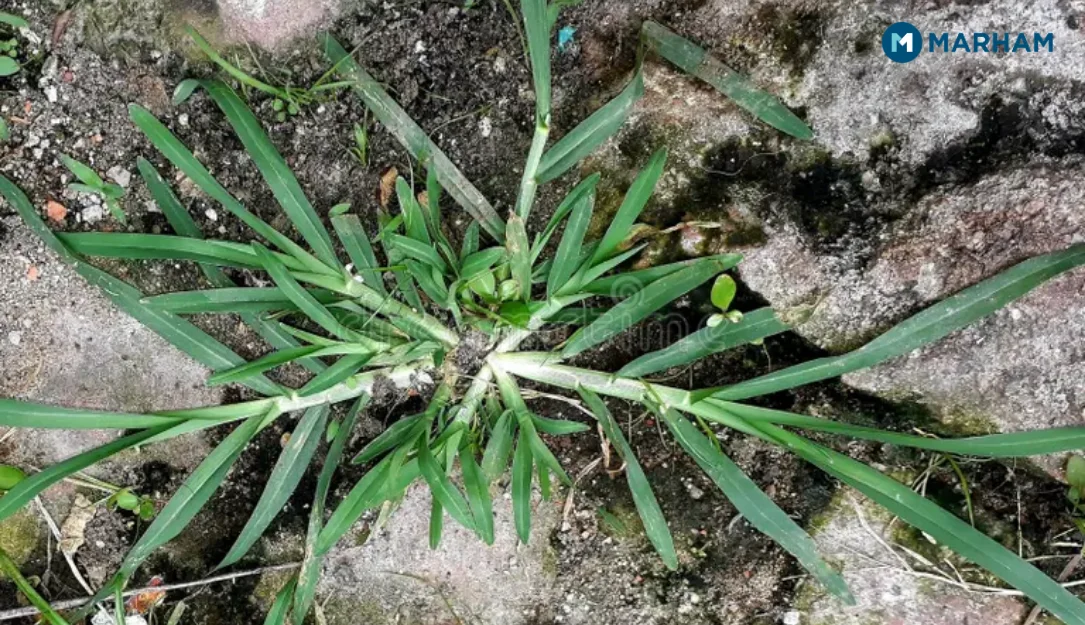
Paragis grass is a wild perennial herb belonging to the Poaceae (grass) family. It grows in tropical and subtropical regions across Asia, Africa, and parts of South America. It thrives along roadsides, garden edges, and cracks in pavements, which is why most people dismiss it as a weed.
| Detail | Information |
| Scientific Name | Eleusine indica (L.) Gaertn |
| Common Names | Paragis, goose grass, wire grass, crow foot grass |
| Family | Poaceae |
| Native Region | South and Southeast Asia, Africa |
| Key Compounds | Flavonoids, vitexin, isovitexin, alkaloids, tannins, saponins |
| Traditional Uses | Fever, kidney problems, inflammation, digestive issues |
| Parts Used | Leaves, roots, whole plant |
8 Research Backed Paragis Benefits

1. Supports Kidney Health and Prevents Kidney Stones
One of the most well studied paragis benefits is its effect on kidney health. A phytochemical study published in the World Journal of Pharmaceutical Research (2024) found that the ethanolic extract of Eleusine indica showed significant diuretic and anti-urolithiatic (kidney stone dissolving) properties in animal models. The extract helped reduce calcium oxalate crystal formation and improved markers of kidney function including serum creatinine and blood urea nitrogen levels.
The natural diuretic properties of paragis grass promote urine production, helping flush toxins from the kidneys and urinary tract. This makes it a potential herbal support for people dealing with urinary tract infections or early stage kidney stone formation.
2. Reduces Inflammation and Pain
A 2025 study published in the Journal of Applied Pharmaceutical Research tested Eleusine indica methanolic extract on animal models and found that it demonstrated significant analgesic activity, reducing pain response by 55.57% at a dose of 500 mg/kg. This approached the standard drug’s 73% inhibition rate, suggesting meaningful pain relief potential.
Earlier research in the Journal of Ethnopharmacology (2015) showed that paragis extract reduced paw edema in rats by over 40%, comparable to standard anti-inflammatory drugs. The anti-inflammatory properties come from its flavonoid content, particularly vitexin and isovitexin, which inhibit COX-2 enzymes involved in inflammation.
3. Contains Powerful Antioxidants
A study published in Evidence-Based Complementary and Alternative Medicine confirmed that Eleusine indica possesses strong antioxidant properties, with its methanolic extract showing the highest free radical scavenging activity. The researchers found a strong correlation between the plant’s total phenolic content and its antioxidant capacity.
These antioxidants help protect cells from oxidative damage caused by free radicals, which is linked to aging, chronic inflammation, and various diseases. Regular consumption of paragis tea may contribute to overall cellular health and disease prevention.
4. May Help Regulate Blood Sugar
Pre-clinical research has shown that paragis grass has antidiabetic properties. The bioactive compounds in the plant may help reduce glucose absorption and improve insulin function. A review in the Journal of Pharmacognosy and Phytochemistry (2021) listed antidiabetic activity as one of the confirmed pharmacological properties of Eleusine indica based on multiple animal studies.
While this is promising, it is important to note that no large scale human clinical trials have been conducted yet. Paragis should not replace prescribed diabetes medication.
5. Protects Liver Health
Eleusine indica has demonstrated hepatoprotective effects in animal studies. Research showed that the plant’s extracts helped protect liver tissue from damage caused by carbon tetrachloride (a common liver toxin used in studies) and reduced oxidative stress in hepatic cells. The flavonoids in paragis grass appear to be responsible for this protective effect by reducing lipid peroxidation in liver tissues.
6. Supports Digestive Health
Traditional healers across Asia have used paragis grass for digestive problems including constipation, bloating, and stomach infections. The plant’s natural fiber content supports gut health and promotes regular bowel movements. Its antimicrobial properties may also help fight harmful bacteria in the digestive system, though clinical evidence in humans remains limited.
7. May Help Lower Blood Pressure
Research has shown that ethanolic and chloroform extracts of Eleusine indica possess anti-hypertensive properties. In experimental studies, the extracts significantly inhibited hypertension in animal models. The plant’s natural diuretic effect also contributes to blood pressure reduction by helping the body eliminate excess sodium and water.
8. Has Antibacterial Properties
A study from Universiti Putra Malaysia found that the hexane extract of Eleusine indica showed strong antibacterial activity against several dangerous bacteria, including MRSA (methicillin-resistant Staphylococcus aureus), B. subtilis, P. aeruginosa, and S. choleraesuis. This makes paragis grass a potential natural antibacterial agent, though more research is needed to determine effective human dosages.
پیراگس گھاس کے فوائد | Paragis Benefits in Urdu
پیراگس گھاس (Eleusine indica) ایک جنگلی جڑی بوٹی ہے جو ایشیا اور افریقہ میں روایتی طب میں صدیوں سے استعمال ہوتی ہے۔ تحقیق کے مطابق اس میں سوزش کم کرنے، گردوں کی صحت بہتر بنانے، بلڈ شوگر کنٹرول کرنے، اور بلڈ پریشر کم کرنے کی خصوصیات ہیں۔ اس میں موجود اینٹی آکسیڈنٹس جسم کو فری ریڈیکلز سے بچاتے ہیں۔ پیراگس چائے بنا کر پینا سب سے عام طریقہ ہے۔ تاہم یہ دوائیوں کا متبادل نہیں ہے اور استعمال سے پہلے ڈاکٹر سے مشورہ ضروری ہے۔
How to Drink Paragis Grass Tea
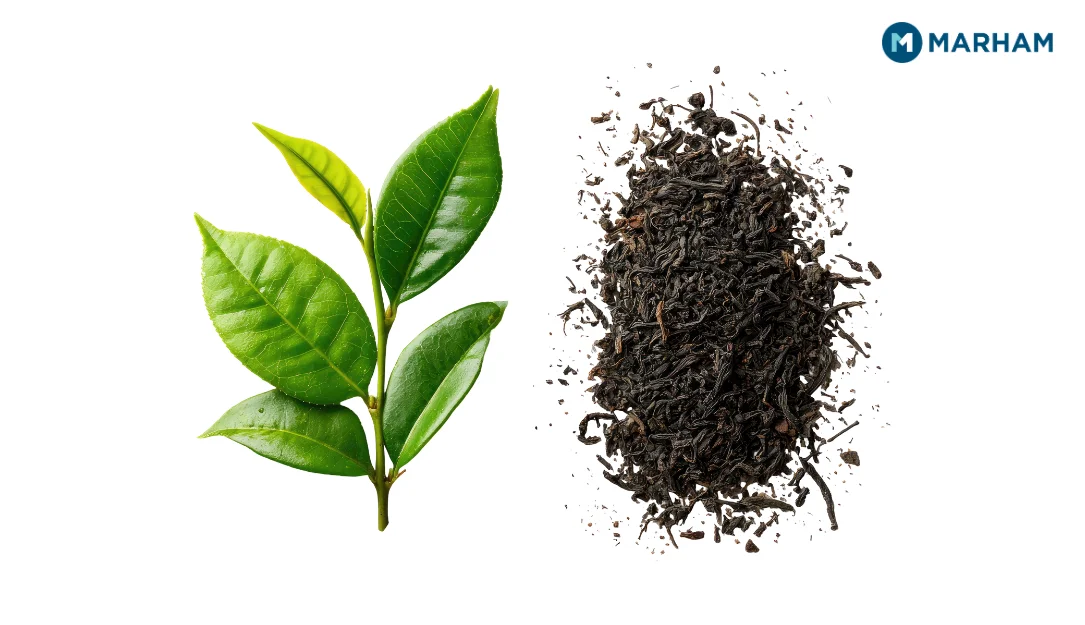
Paragis tea is the most common way to consume this herb. Here is how to prepare it safely.
Paragis Tea Recipe: Take a handful of fresh paragis grass leaves and wash them thoroughly under clean running water. Boil 2 cups of water in a pot. Add the washed leaves to the boiling water. Let it simmer on low heat for 10 to 15 minutes. Strain the leaves and let the tea cool slightly. Drink warm, 1 to 2 cups per day.
You can add honey or lemon to improve the taste if you find it too earthy or bitter.
Paragis Decoction (Stronger): For a more concentrated preparation, boil the leaves for 20 to 30 minutes until the water reduces to half. This method is traditionally used for kidney and urinary problems. Drink only half a cup at a time.
Important: Always use paragis grass sourced from clean, pesticide free areas. Roadside grass may be contaminated with vehicle exhaust and chemicals.
Paragis Grass vs Other Herbal Teas
| Factor | Paragis Grass | Green Tea | Turmeric Tea |
| Primary Benefit | Kidney health, anti-inflammatory | Antioxidant, metabolism | Anti-inflammatory, immunity |
| Key Compound | Vitexin, isovitexin | EGCG | Curcumin |
| Taste | Earthy, mild | Slightly bitter | Warm, peppery |
| Caffeine | None | Yes | None |
| Research Level | Pre-clinical (animal studies) | Extensive (human trials) | Extensive (human trials) |
| Availability | Wild, herbal stores | Widely available | Widely available |
Side Effects and Precautions
While paragis grass is generally considered safe in moderate amounts, keep these precautions in mind.
Because of its diuretic properties, excessive consumption can lead to dehydration and electrolyte imbalances. People with low blood pressure should use paragis cautiously as it may further lower blood pressure. Pregnant and breastfeeding women should consult a healthcare provider before consuming paragis in medicinal doses. If you are taking blood pressure or diabetes medication, paragis may interact with your drugs. Always consult your doctor first. Some people may experience allergic reactions. If you notice itching, swelling, or difficulty breathing, stop use immediately.
The Philippine Institute of Traditional and Alternative Health Care (PITAHC) has stated that while paragis has some medicinally active properties in pre-clinical studies, it cannot be claimed as a definitive treatment for any disease, as no large scale human clinical trials have been completed.
Frequently Asked Questions
What is paragis grass good for?
Paragis grass (Eleusine indica) has been studied for its anti-inflammatory, antioxidant, diuretic, antibacterial, antidiabetic, and hepatoprotective properties. Its most well supported benefits are for kidney health and inflammation reduction, based on multiple animal studies and phytochemical analyses. However, human clinical trials are still needed to confirm these effects.
How do you drink paragis grass?
The most common method is to boil a handful of fresh, washed paragis leaves in 2 cups of water for 10 to 15 minutes, strain, and drink warm. You can have 1 to 2 cups daily. Add honey or lemon for taste. For a stronger preparation, boil for 20 to 30 minutes until the water reduces to half.
Is paragis grass safe to drink every day?
In moderate amounts (1 to 2 cups of tea daily), paragis grass is generally considered safe for most healthy adults. However, because of its diuretic and blood pressure lowering effects, daily long term use should be discussed with a healthcare provider, especially if you take medication for blood pressure, diabetes, or kidney conditions.
Can paragis cure cancer or kidney disease?
No. Despite social media claims, there is no clinical evidence that paragis grass can cure cancer, kidney disease, or any other serious illness. A study from Evidence-Based Complementary and Alternative Medicine found that Eleusine indica extracts did not produce cytotoxic effects on tested cancer cell lines. Paragis may support general wellness, but it is not a substitute for medical treatment.
Where can I buy paragis grass?
Paragis grass products are available in some herbal stores and online platforms in the form of dried leaves, tea sachets, and capsules. Always buy from reputable sources that confirm the product is pesticide free and properly processed.
Consult a Nutritionist
Interested in exploring herbal remedies like paragis grass as part of your overall health routine? A qualified nutritionist can help you understand which natural supplements are safe and effective for your specific health needs and existing medications.
Book an appointment with a nutritionist through Marham to get expert, personalized guidance.
Call: 0311-1222398 | Visit: marham.pk
Conclusion
Paragis grass is a fascinating wild herb with a growing body of pre-clinical research supporting its anti-inflammatory, antioxidant, diuretic, and blood sugar regulating properties. Its key compounds, vitexin and isovitexin, have shown promising results in animal studies for kidney protection, pain relief, and liver health.
However, it is essential to approach paragis with realistic expectations. Most studies are pre-clinical, meaning they have been conducted on animals and in laboratories, not on humans. Paragis grass should be used as a complementary wellness support, not as a replacement for prescribed medications or professional medical treatment. Always consult your healthcare provider before adding any new herbal remedy to your routine.
