
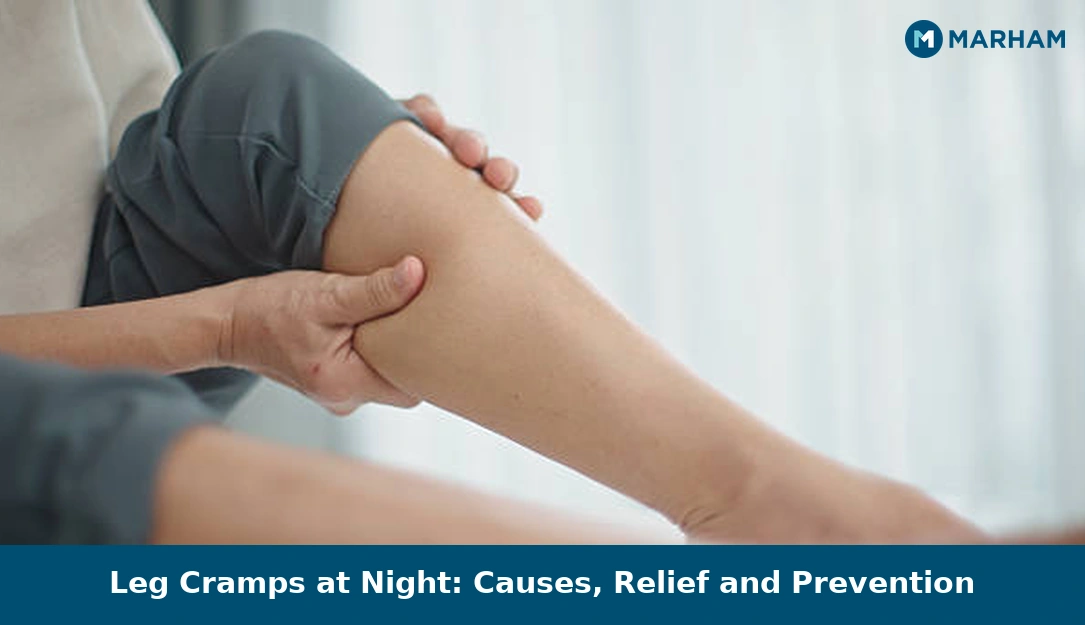
Waking up to a sudden, tight knot in your calf is one of the more unpleasant things that can happen during sleep. Leg cramps at night, also called nocturnal leg cramps or charley horses, are involuntary muscle contractions that strike without warning and can last anywhere from a few seconds to several minutes. Most people in Pakistan have experienced this at least once.
They’re more common than most people realise. According to a review published in American Family Physician, up to 60% of adults report having had nocturnal leg cramps at some point. The problem gets more frequent with age, and Pakistani women, particularly during pregnancy or after 50, tend to be affected more than men. In Karachi and other cities with intense summer heat, dehydration during the day (and especially during Ramadan fasting hours) is a practical trigger that global guides rarely mention.
رات کو ٹانگوں میں درد: اہم نکات
رات کو ٹانگوں میں اچانک کھنچاؤ یا درد ایک عام مسئلہ ہے جو پاکستان میں بہت سے لوگوں کو متاثر کرتا ہے۔ یہ عام طور پر پنڈلی کے پٹھوں میں ہوتا ہے اور چند سیکنڈ سے لے کر کئی منٹ تک رہ سکتا ہے۔ پانی کی کمی، الیکٹرولائٹس کی کمی، اور لمبے عرصے تک بیٹھے رہنا اس کی عام وجوہات ہیں۔ رمضان میں روزے کے دوران دن بھر پانی نہ پینے سے رات کو یہ تکلیف بڑھ سکتی ہے۔ اگر یہ تکلیف بار بار ہو تو کسی ڈاکٹر سے مشورہ کرنا ضروری ہے۔
What Causes Leg Cramps at Night?
The honest answer is that in most cases, no single clear cause is identified. Research published in American Family Physician suggests the cramps are most likely driven by muscle fatigue and nerve dysfunction rather than electrolyte deficiencies alone. That said, several factors are known to raise the risk.
Common contributing factors:
- Dehydration: muscles need adequate fluid to contract and relax normally
- Prolonged sitting or standing, common in desk jobs and long shifts
- Muscle overexertion from a heavy day of walking or exercise
- Sleeping with feet pointed downward (plantar flexion), which shortens the calf muscle
- Tight bedding that pushes the feet into a downward position
- Electrolyte imbalances involving potassium, calcium, or magnesium
- Certain medications, including diuretics, statins, and some blood pressure drugs
- Underlying conditions such as diabetes, kidney disease, or peripheral vascular disease
- Pregnancy, particularly in the second and third trimester
One nuance worth knowing: the popular belief that low magnesium is the primary driver of nocturnal leg cramps is not well supported by current evidence. A Cochrane systematic review found that magnesium supplementation did not show significant benefits for leg cramps in the general population, though it may offer a modest benefit in pregnant women. Electrolyte levels matter, but they’re rarely the whole story.
How to Stop a Leg Cramp Immediately
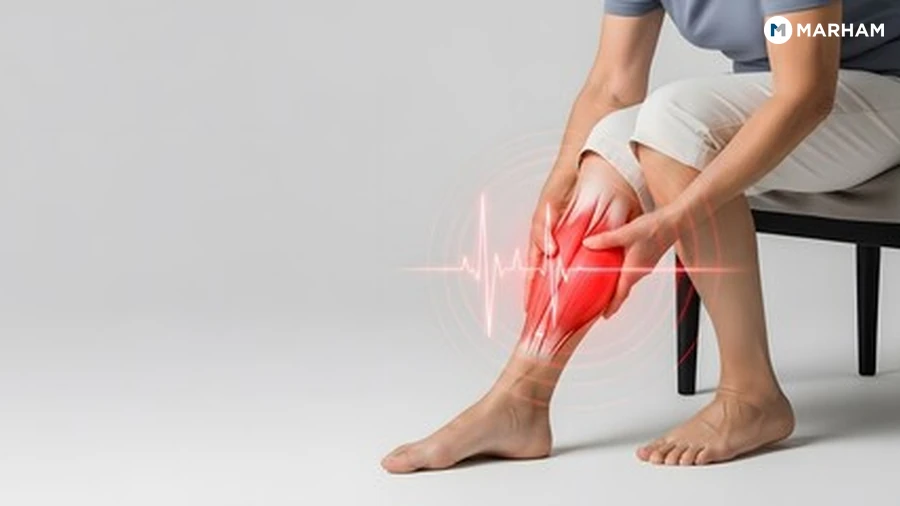
When a cramp hits, the goal is to lengthen the contracted muscle as quickly as possible.
- Flex your foot upward. Pull your toes toward your shin. This stretches the calf muscle and is the fastest way to break the spasm. You can do this lying down or sitting on the edge of the bed.
- Stand up and put weight on the leg. Walking a few steps helps the muscle relax and restores normal circulation.
- Massage the cramped area. Use firm, circular pressure along the calf. In Pakistani households, a small amount of warm sarson ka tel (mustard oil) rubbed into the muscle can feel soothing, though the relief is from the massage itself rather than the oil.
- Apply a warm compress. A hot water bottle or a towel soaked in warm water placed on the calf helps ease residual tightness after the cramp passes.
- Take slow, deep breaths. Calming the nervous system can help the muscle release faster.
Most cramps resolve within 10 minutes. Your leg may feel tender or sore for up to a day afterward.
Leg Cramps vs. Restless Legs Syndrome: Key Difference
These two conditions are often confused because both happen at night. The distinction matters.
| Feature | Nocturnal Leg Cramps | Restless Legs Syndrome (RLS) |
|---|---|---|
| Main sensation | Sudden, intense pain | Uncomfortable urge to move, not pain |
| Muscle tightening | Visible knot or spasm | No visible spasm |
| Relief | Stretching the muscle | Moving or walking around |
| Duration | Seconds to minutes | Can persist for hours |
| Association | Muscle fatigue, dehydration | Neurological, often linked to iron deficiency |
If you feel a crawling or restless sensation in your legs at night without a painful knot, that’s more consistent with RLS and warrants a different evaluation.
How to Prevent Leg Cramps at Night
Prevention is more reliable than treatment. A few consistent habits make a real difference.

- Stay hydrated through the day. In Pakistan’s summer months, especially in Karachi and Multan where temperatures cross 40°C, fluid loss is significant. Aim for 8 to 10 glasses of water daily. During Ramadan, prioritise water at sehri and iftar rather than relying on chai alone.
- Eat potassium and calcium-rich foods. Bananas, dahi (yoghurt), palak (spinach), and daal are good local sources of these minerals. A bowl of dahi at dinner is a practical habit.
- Stretch your calves before bed. Stand facing a wall, place both hands on it, step one foot back, and press the heel flat to the floor. Hold for 30 seconds per side. Studies suggest regular pre-sleep calf stretching can reduce the frequency of nocturnal cramps.
- Loosen your bedding. Tight sheets that press the feet downward shorten the calf muscle during sleep. Untuck the foot end of your razai or blanket.
- Take a short walk after dinner. Even 10 minutes of light movement improves circulation and reduces muscle stiffness before sleep.
- Review your medications with your doctor if cramps started after beginning a new prescription, particularly diuretics or cholesterol-lowering drugs.
When to See a Doctor for Leg Cramps at Night
Occasional leg cramps are rarely a cause for concern. But some patterns deserve professional attention. See a doctor if cramps happen several nights a week, if they wake you consistently and affect your sleep quality, or if the muscle remains swollen, red, or weak after the cramp passes. Cramps accompanied by numbness, tingling, or skin changes in the leg may point to nerve compression or poor circulation and need proper evaluation.
Conditions like diabetes and kidney disease can cause nocturnal cramps as a symptom, so persistent or worsening cramps in someone with an existing health condition should not be ignored. A general physician can order a basic blood panel to check electrolyte levels, kidney function, and blood sugar.
Consult a Specialist on Marham
Finding the right doctor for a recurring problem like nocturnal leg cramps can be frustrating, especially outside Lahore or Islamabad where specialist access is limited. Marham connects you with verified general physicians and neurologists in Pakistan who are available for online consultations, so you can get a proper assessment without travelling.
A short online consultation, usually 15 to 20 minutes, can help identify whether your cramps are linked to a nutritional gap, a medication side effect, or an underlying condition that needs further testing. If diet or weight is a factor, a nutritionist in Pakistan can help you build a practical meal plan using everyday Pakistani foods.
Frequently Asked Questions
What deficiency causes leg cramps at night?
Low levels of potassium, calcium, or magnesium may contribute to nocturnal leg cramps, though research shows electrolyte deficiency is not the only or even the main cause in most people. A blood test can confirm whether a deficiency is present.
How do I stop leg cramps immediately?
Flex your foot upward by pulling your toes toward your shin to stretch the calf muscle. Standing up and walking a few steps also helps the muscle relax quickly.
Can dehydration cause leg cramps at night?
Yes, dehydration is one of the recognised contributing factors. Muscles need adequate fluid to contract and relax normally, so staying well hydrated during the day, particularly in Pakistan’s hot summers, can help reduce cramp frequency.
Are leg cramps at night a sign of something serious?
Most nocturnal leg cramps are harmless and have no serious underlying cause. However, cramps that are frequent, severe, or accompanied by swelling, numbness, or skin changes may indicate a condition like diabetes, kidney disease, or poor circulation and should be evaluated by a doctor.
Is it normal to get leg cramps every night?
Occasional cramps are common, but nightly cramps are not typical and deserve attention. If cramps are disrupting your sleep regularly, consult a doctor to rule out an underlying condition or medication side effect.
Are leg cramps during pregnancy normal?
Yes, leg cramps are common in the second and third trimester of pregnancy. According to Cleveland Clinic data, roughly 40% of pregnant women experience them. Staying hydrated, stretching before bed, and discussing any supplements with your gynaecologist can help.
Can I take a painkiller for leg cramp pain?
A cramp itself passes too quickly for a painkiller to help during the episode. If the muscle remains sore afterward, paracetamol (Panadol) taken at the standard adult dose can ease residual tenderness, but consult your doctor before using any medication regularly.
Conclusion
Leg cramps at night are common, usually harmless, and manageable with a few consistent habits: staying hydrated, stretching the calves before bed, and loosening your bedding. Most people see a clear improvement within a week or two of making these changes. When cramps are frequent, worsening, or linked to other symptoms, a brief medical evaluation can quickly identify whether something more needs attention.