


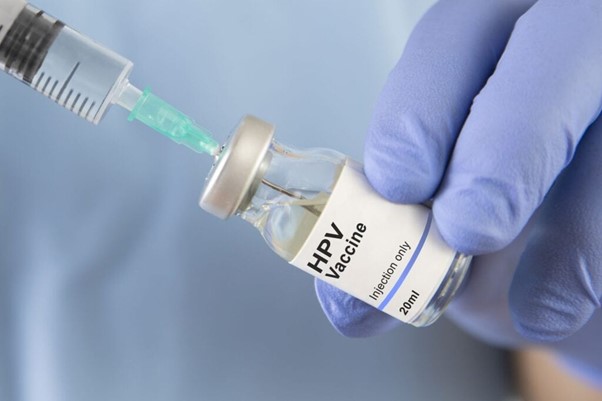
Pakistan has recently started an HPV vaccination program to protect 13 million girls aged 9 to 14 years. With the help of WHO, about 49,000 health workers have been trained for this campaign.
The HPV vaccine in Pakistan is safe, effective, and free of charge. It can prevent up to 90% of cervical cancer cases by protecting against HPV types 16 and 18. The side effects are usually very mild, like a little pain in the arm or a slight fever.
This is a major step because cervical cancer is a serious health problem in Pakistan. It is the third most common cancer in women and the second leading cancer in women aged 15 to 44 years.
Despite these alarming numbers, many women in Pakistan still do not know much about its causes, symptoms, or prevention. This blog will explain why the HPV vaccine is important, what cervical cancer is, and how vaccination can protect women in Pakistan.
What is HPV / What is Human Papillomavirus?

HPV (Human Papillomavirus) is a family of over 200 viruses. Some spread through sexual contact. Most HPV infections are harmless and disappear on their own. However, a few dangerous types can cause changes in body cells that may turn into cancers, especially cervical cancer in women.
Other low-risk types don’t cause cancer but can lead to genital warts. HPV is very common. Almost everyone who is sexually active will get it at some point. Most people don’t even know it because it usually has no symptoms.
Cervical Cancer in Pakistan
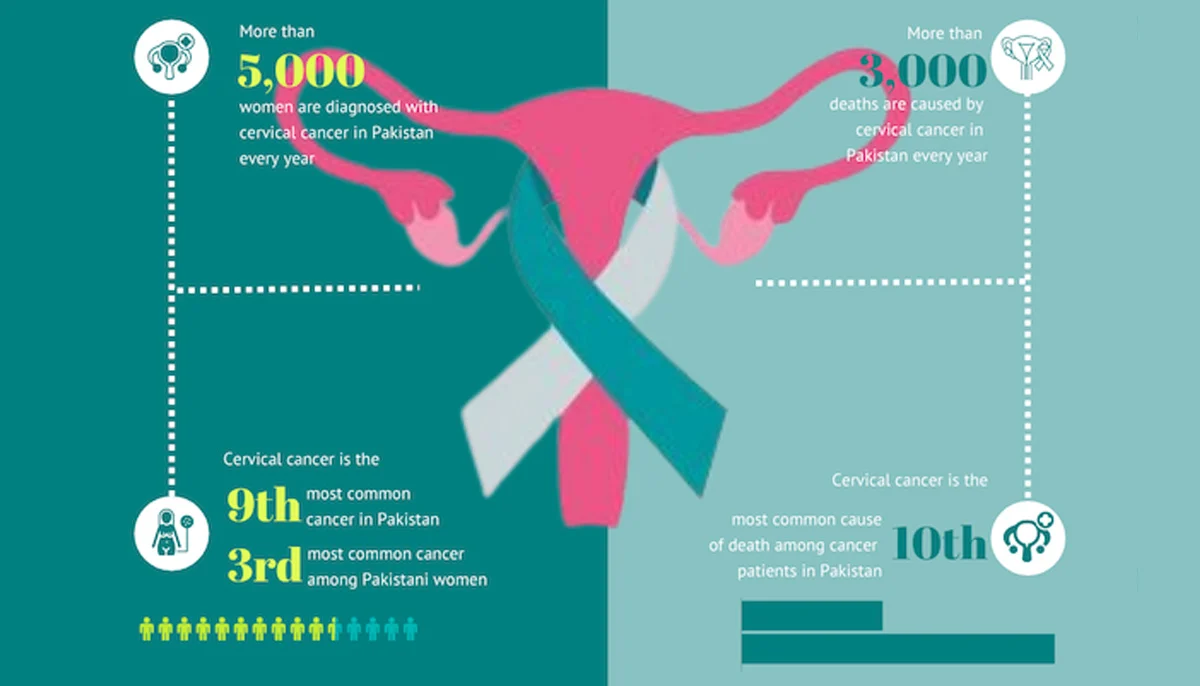
In Pakistan, about 5 to 7 women out of every 100,000 get cervical cancer each year. This number is higher than the WHO target of 4 cases per 100,000.
Every year, around 5,000 new cases are reported, and almost 3,200 women die from the disease. This puts Pakistan among the top 10 countries with the highest death rates from cervical cancer.
The problem is made worse because many women don’t go for screening. Awareness is low, and the country doesn’t have a proper system to record cases.
HPV Vaccine in Pakistan: WHO Support & Rollout
A WHO study (2021–2023) found that many cases of cervical cancer go unreported because women don’t have easy access to healthcare. The study also warned that if vaccination is not started, the number of cervical cancer cases in Pakistan could become three times higher in the next 70 years.
According to Pakistan’s Elimination Planning Tool, if the country rapidly scales up HPV vaccination, screening, and treatment, cervical cancer could be eliminated as a public health problem by 2048.
Taking a big step toward this goal, Pakistan has launched its first nationwide HPV vaccine campaign in September 2025. This aims to vaccinate over 13 million girls aged 9-14 in Punjab, Sindh, Islamabad, AJK etc.
This campaign is supported by the World Health Organization (WHO), Gavi (the Vaccine Alliance), and UNICEF. With this step, Pakistan joins more than 150 countries that already include the WHO-approved HPV vaccine in their routine immunization programs.
What is HPV in Urdu? (ایچ پی وی ویکسین کیا ہے؟)
ایچ پی وی ویکسین ایک ایسی دوا ہے جو ٹیکے کی صورت میں لگائی جاتی ہے۔ یہ ویکسین ہیومن پیپیلوما وائرس سے بچاتی ہے جو زیادہ تر کیسز میں سروائیکل کینسر کی وجہ بنتا ہے۔
یہ ویکسین خاص طور پر 9 سے 14 سال کی بچیوں کے لیے تجویز کی جاتی ہے، لیکن 26 سال کی عمر تک خواتین بھی اس سے فائدہ اٹھا سکتی ہیں۔ ویکسین لگوانے کے بعد جسم میں وائرس کے خلاف قدرتی مدافعت پیدا ہو جاتی ہے، جس سے کینسر ہونے کا خطرہ بہت حد تک کم ہو جاتا ہے۔
یہ ویکسین دنیا بھر میں لاکھوں لڑکیوں اور خواتین کو لگائی جا چکی ہے اور عالمی ادارہ صحت نے بھی اس کی حفاظت اور مؤثریت کو تسلیم کیا ہے۔
HPV Vaccine Uses
The HPV vaccine for girls is a powerful tool to prevent infections caused by the human papillomavirus, especially those linked to cancers and genital warts. Here are the key uses:
-
Prevents Cervical Cancer:
The HPV cervical cancer vaccine protects against HPV types 16 and 18. These are responsible for about 70-88% of cervical cancer cases worldwide, including Pakistan.
-
Reduces Risk of Other Cancers:
It protects against HPV-related cancers of the vagina, vulva, penis, anus, mouth, throat, head, and neck.
-
Prevents Genital Warts:
This cancer vaccine for girls in Pakistan also protects against HPV types 6 and 11, which cause about 90% of genital warts.
-
Benefits all Genders:
This is also recommended for boys and girls starting as early as age 9 and up to age 45 to reduce HPV transmission and disease risk.
Benefits of the HPV Vaccine:
The HPV cancer vaccine promotes the immune system’s ability to recognize and fight HPV infections. Besides this, it is:
- Highly effective
- Provides long-lasting protection
- Helps reduce cancer burden
- Encouraged before sexual activity
HPV Symptoms
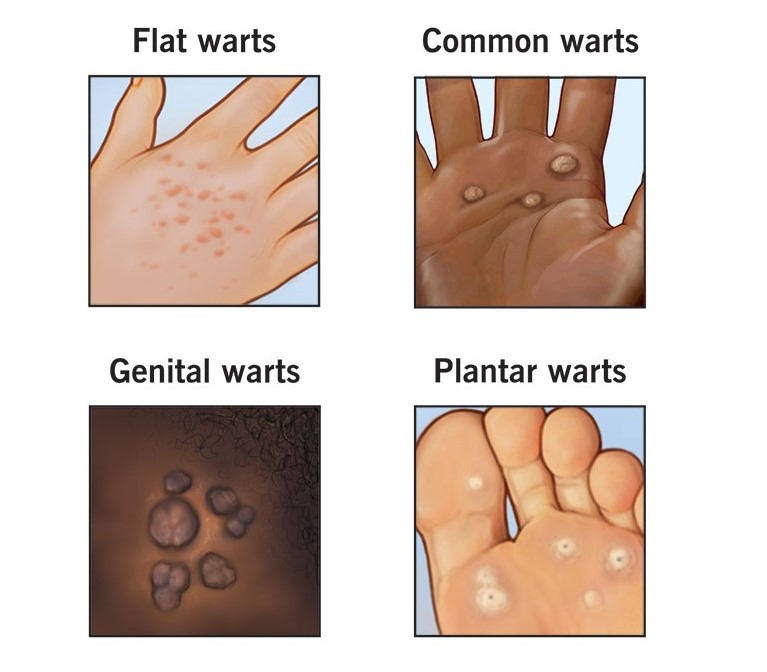
Image Source: Cleveland Clinic
Most people with HPV infection do not have any symptoms and may clear the infection naturally without problems. However, some HPV types cause symptoms, including:
- Genital warts: These are rough, cauliflower-like lumps appearing on vulva, penis, scrotum, anus, or surrounding areas. These warts may be itchy, tender, or painless.
- Common warts: Rough, raised bumps on hands or fingers.
- Plantar warts: These warts are more like hard, grainy growths on the feet.
- Flat warts: Flat warts are slightly raised lesions, mostly on face or legs.
HPV Causes
HPV (human papillomavirus) infection is caused by:
- Skin-to-skin sexual contact (vaginal, anal, or oral sex)
- Genital skin contact without intercourse
- Having multiple sexual partners
- Weakened immune system
- Early sexual activity
High-risk HPV types 16 and 18 are strongly linked to cervical cancer and other cancers of anus, penis, vagina, vulva, and oropharynx.
HPV Test
- An HPV test is a medical test that checks if a person is infected with the human papillomavirus (HPV).
- The test looks for the DNA of high-risk HPV types that can cause cervical cancer.
- It is usually done on women as part of cervical cancer screening.
- A small sample of cells is taken from the cervix (similar to a Pap smear) and tested in a lab.
- If the test shows high-risk HPV, doctors may recommend further tests like a Pap smear or colposcopy to check for abnormal cell changes.
Is the HPV Vaccine in Pakistan Safe or Not?
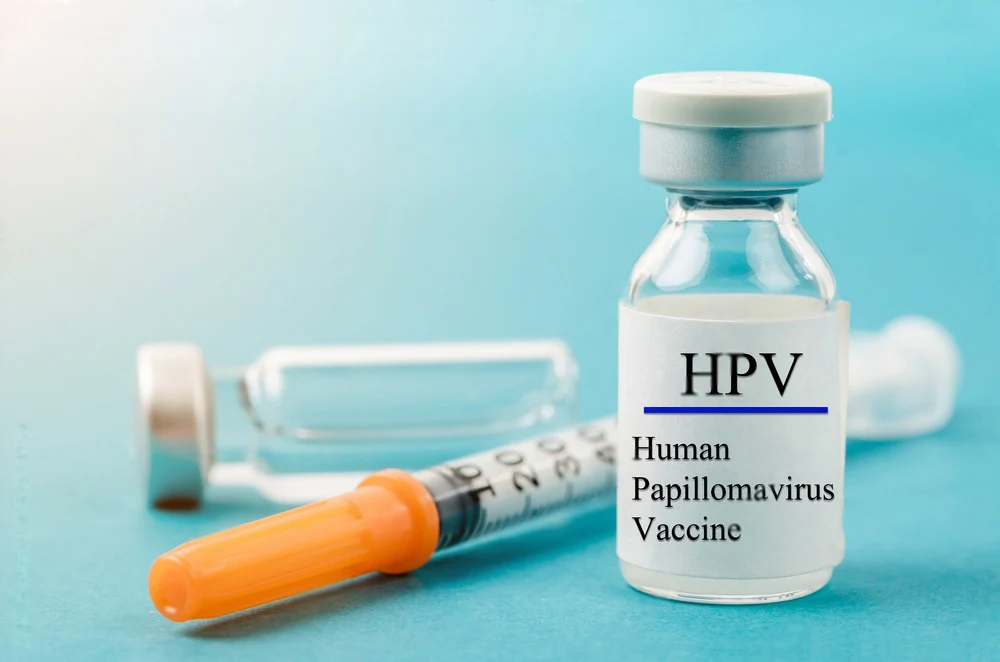
The HPV vaccine is safe and used all over the world, including Pakistan. It has been carefully tested by groups like WHO, UNICEF, and Gavi, and no serious side effects have been found.
HPV Vaccine Side Effects:
- Pain or redness at the injection site
- Mild fever
- Headache
- Fatigue
Less Common Side Effects:
- Nausea
- Dizziness
- Fainting (very rare and usually temporary)
Who should get the HPV vaccine?
In Pakistan, Cervarix and Gardasil (HPV vaccines) are available at major pharmacies and hospitals for HPV protection. For those seeking HPV vaccination outside government programs, Cervarix is available at selected labs and pharmacies.
- Recommended age: 9–14 years, though vaccination is also beneficial up to age 26.
- Combined with regular Pap smear tests, it significantly reduces cervical cancer risk.
Clearing Myths About HPV Vaccine in Pakistan
| Concerns | What Evidence Says |
| Does the HPV vaccine cause infertility? | No. Extensive research and WHO affirm no link between HPV vaccine and infertility. |
| Is the HPV vaccine safe for young girls? | Yes, clinical trials and WHO confirm it is safe and recommended before sexual debut. |
| Can vaccinated women skip screening? | No. Screening remains essential as vaccines do not cover all HPV types. |
| Is the HPV vaccine available in Pakistan? | Yes, through WHO-led programs and government initiatives. |
How Does the HPV Vaccine Protect from Cervical Cancer?
The HPV vaccine protects against cervical cancer by stopping infection from dangerous HPV types, especially HPV 16 and 18, which cause most cases worldwide.
Here’s how it works in simple words:
- The vaccine contains virus-like particles (VLPs) that look like the HPV virus but are not harmful because they don’t have the virus’s DNA.
- These particles train your body to make antibodies (your body’s defense soldiers) against HPV.
- Later, if the real HPV virus enters your body, these antibodies attack it right away and stop it from harming your cells.
- This way, the vaccine blocks HPV before it can cause cell changes that may lead to cervical cancer.
When to Consult a Doctor
If you are unsure about the HPV vaccine, or have concerns about its side effects, the best step is to talk to a gynecologist or oncologist. A doctor can guide you about the right age, dosage, and if the vaccine is suitable for you or your daughter.
The best part? With Marham, you don’t need to travel or wait in long hospital lines. You can:
- Find top gynecologists in Pakistan by location and specialty
- View doctor profiles, ratings, and patient reviews
- Book appointments online in just a few clicks
- Even consult doctors through a video call from your home.
Want to learn more? Watch this video on HPV vaccine to understand how it works and why it’s important for women’s health in Pakistan. Getting the right guidance early can help you and your family stay protected.
Conclusion
The HPV vaccine in Pakistan is a game-changer. It can prevent up to 90% of cervical cancer cases and save thousands of lives every year. The vaccine is safe, effective, and recommended by WHO for girls aged 9–14 years, with benefits even up to age 26.
Don’t wait for symptoms to appear. Prevention is always better than cure. Take the step today! Consult a gynecologist through Marham, book your vaccination, and encourage other women around you to do the same. A few minutes of action now can protect generations of Pakistani women from cervical cancer.
