


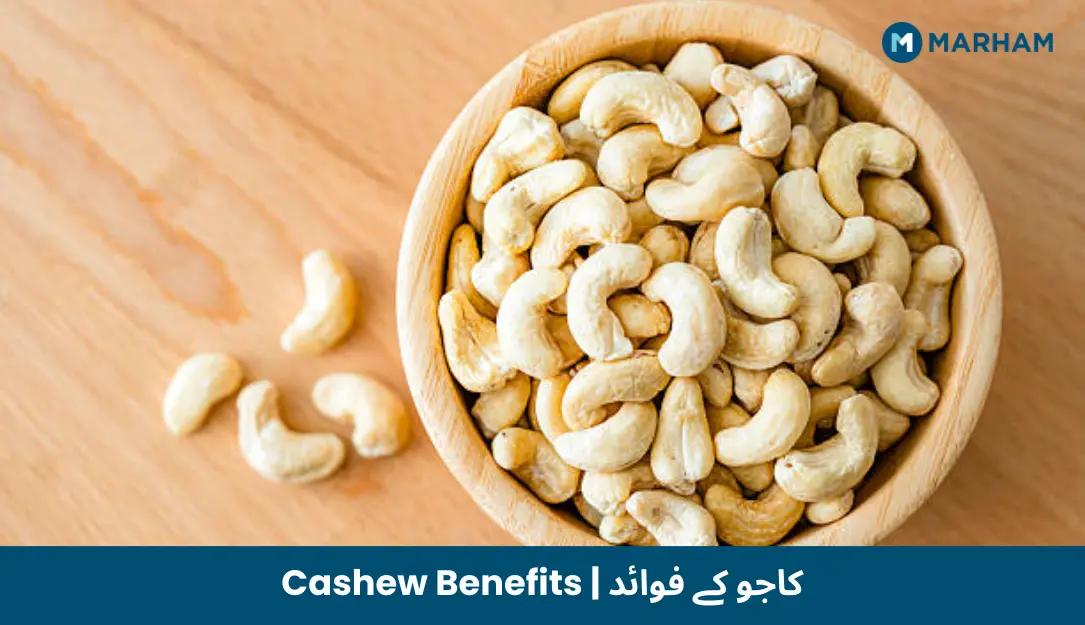
Cashews are everywhere these days. From traditional Pakistani desserts to modern healthy snacking, these creamy nuts have become a kitchen staple. But are they really as healthy as people claim?
Cashew benefits go far beyond their rich, buttery taste. In Urdu, cashews are called کاجو (Kaju), and they have been used in South Asian cooking for centuries. These kidney-shaped nuts are packed with protein, healthy fats, and essential minerals that your body needs daily.
What makes cashews stand out? Just one handful provides significant amounts of copper, magnesium, and zinc. Moreover, they are incredibly versatile, whether you add them to biryani, enjoy them roasted, or blend them into creamy curries.
In this guide, you will learn everything about cashew benefits, what they are, their proven health advantages, and the right ways to include them in your diet. Without further ado, let’s get started!
What Are Cashews Called in Urdu?
Cashews in Urdu are called کاجو (Kaju). This name is commonly used across Pakistan, India, and other South Asian countries.
Here’s something important.
Unlike many dry fruits, cashews are not actually nuts. They grow attached to cashew apples on tropical trees originally from Brazil. The kidney-shaped seed we eat hangs from the bottom of this fruit.
What are cashews called in different regions of Pakistan?
- Punjab: کاجو (Kaju)
- Sindh: کاجو (Kaju)
- Local markets: “Kaju” or “Cashew nuts”
When buying from local bazaars or online stores, simply ask for “کاجو” to get exactly what you need.
Cashew Nutrition Facts
Here’s what you get in just 28 grams (1 ounce or about 18 cashews):
| Nutrient | Amount | Daily Value |
| Calories | 157 | |
| Protein | 5g | 10% |
| Fat | 12g | 18% |
| Carbohydrates | 9g | 3% |
| Fiber | 1g | 4% |
| Magnesium | 85mg | 20% |
| Copper | 0.6mg | 67% |
| Zinc | 1.6mg | 15% |
| Iron | 1.9mg | 11% |
| Phosphorus | 170mg | 13% |
That’s impressive nutrition from just a small handful.
Cashew Benefits
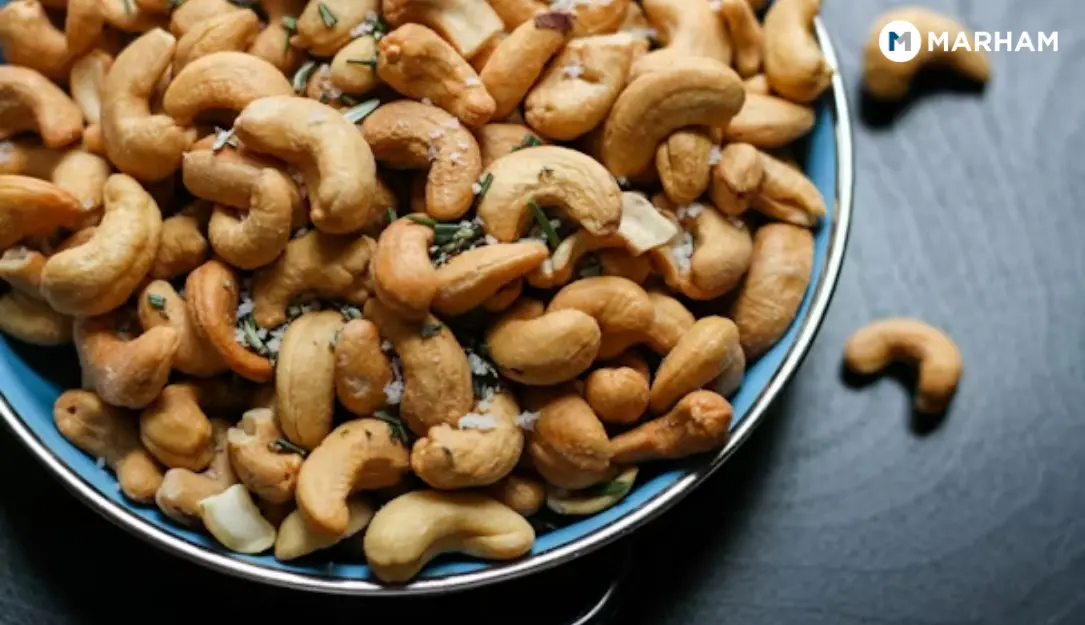
Let’s explore why the benefits of cashew nuts have made them so popular worldwide.
1. Support Heart Health
One of the most researched cashew nuts health benefits is cardiovascular protection. Cashews contain monounsaturated and polyunsaturated fats, the same heart-friendly fats found in olive oil.
These healthy fats help lower bad cholesterol (LDL) while maintaining good cholesterol (HDL). Studies show that regular cashew consumption can reduce blood pressure and decrease inflammation in blood vessels.
For Pakistanis dealing with rising heart disease rates, adding cashews to your diet is a simple protective measure.
2. Help With Weight Management
Despite being calorie-dense, the benefits of eating cashew nuts include supporting healthy weight. Here’s why.
Cashews are rich in protein and fiber, both of which keep you feeling full longer. When you snack on cashews instead of chips or biscuits, you naturally eat less at your next meal.
Research shows that people who regularly eat nuts tend to maintain healthier body weights than those who avoid them completely. The key is portion control, stick to one handful daily.
3. Strengthen Your Bones
Cashews are excellent for bone health. They provide significant amounts of magnesium, phosphorus, and copper, all essential minerals for building and maintaining strong bones.
Magnesium works alongside calcium to form bone structure. Without enough magnesium, your body cannot properly use the calcium you consume. One ounce of cashews provides 20% of your daily magnesium needs.
This makes cashews particularly valuable for older adults concerned about bone density.
4. Boost Brain Function
The cashew nuts health benefits extend to your brain as well. These nuts contain healthy fats that support brain cell membranes and improve cognitive function.
Copper in cashews helps produce neurotransmitters, the chemical messengers in your brain. Magnesium supports learning and memory by regulating brain receptors.
Many people report better focus and mental clarity when they include nuts like cashews in their regular diet.
5. Control Blood Sugar Levels
Despite containing carbohydrates, cashews have a low glycemic index. This means they release energy slowly without causing blood sugar spikes.
The fiber and protein in cashews slow down digestion, which helps maintain steady blood glucose levels. This is particularly important for people with diabetes or those at risk of developing it.
One study found that replacing carbohydrate-rich snacks with cashews improved blood sugar control in people with Type 2 diabetes.
6. Rich in Antioxidants
Cashews contain powerful antioxidants including polyphenols and carotenoids. These compounds fight oxidative stress and protect your cells from damage.
The antioxidant content in cashews may help reduce inflammation throughout your body. Chronic inflammation is linked to many diseases, including heart disease, diabetes, and certain cancers.
Roasted cashews actually contain higher antioxidant levels than raw ones, making them even more beneficial.
7. Improve Digestive Health
The fiber in cashews feeds beneficial gut bacteria, promoting a healthy digestive system. A healthy gut means better nutrient absorption and stronger immunity.
While cashews contain less fiber than some other nuts, they still contribute to your daily fiber intake. Combined with their healthy fats, they support smooth digestion without causing discomfort.
8. Support Skin and Hair Health
Copper in cashews plays a vital role in producing melanin, the pigment responsible for hair and skin color. This mineral also supports collagen production, keeping your skin firm and youthful.
The antioxidants in cashews protect skin cells from sun damage and premature aging. Many people notice improved skin texture after regularly consuming nuts.
Cashew Nuts Benefits for Male
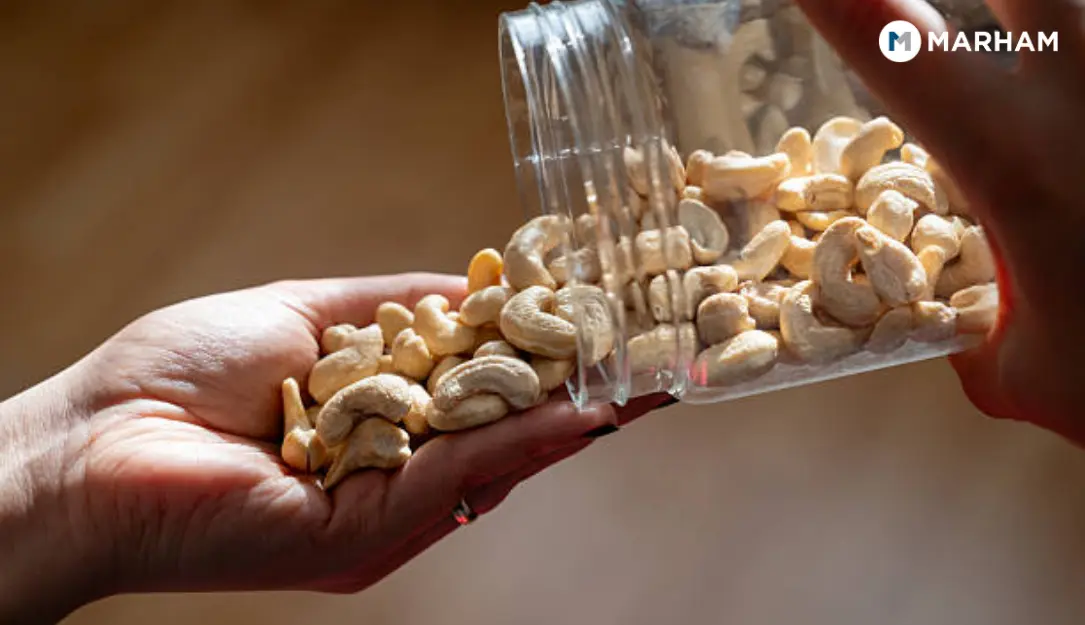
The cashew nuts benefits for male health deserve special attention. Men can gain specific advantages from regular cashew consumption.
Supports Testosterone Levels: Cashews are rich in zinc and selenium, two minerals crucial for healthy testosterone production. Studies suggest that zinc deficiency can significantly lower testosterone levels in men.
Improves Fertility: Research shows that cashew consumption can improve sperm count, motility, and viability. The zinc content is essential for maintaining healthy sperm quality. One study found that 10% dietary intake of cashews increased sperm count by 12% and motility by 39%.
Builds Muscle Mass: With 5 grams of protein per ounce, cashews support muscle repair and growth. The magnesium content aids muscle contraction and recovery after exercise.
Enhances Energy Levels: The combination of healthy fats, protein, and iron in cashews helps combat fatigue. Men with active lifestyles can benefit from sustained energy throughout the day.
Supports Prostate Health: The antioxidants in cashews may help protect against prostate-related issues. Selenium, in particular, has been linked to prostate health in several studies.
For optimal cashew nuts benefits for male health, consuming 15-20 cashews (about 30 grams) daily is recommended.
How to Use Cashews?
Here are practical ways to enjoy the benefits of cashew nuts in your daily routine.
Basic Snacking: Eat them raw or roasted as a quick, healthy snack.
Popular Uses in Pakistani Households:
- In Biryani and Pulao: Add whole cashews for richness and crunch
- In Curries: Blend soaked cashews for creamy gravies like Korma
- In Desserts: Sprinkle on kheer, halwa, and barfi
- Morning Smoothies: Blend for extra protein and creaminess
- Cashew Butter: Spread on roti or toast for breakfast
- Salad Topping: Add roasted cashews for extra crunch
Cashews vs Almonds: What’s the Difference?
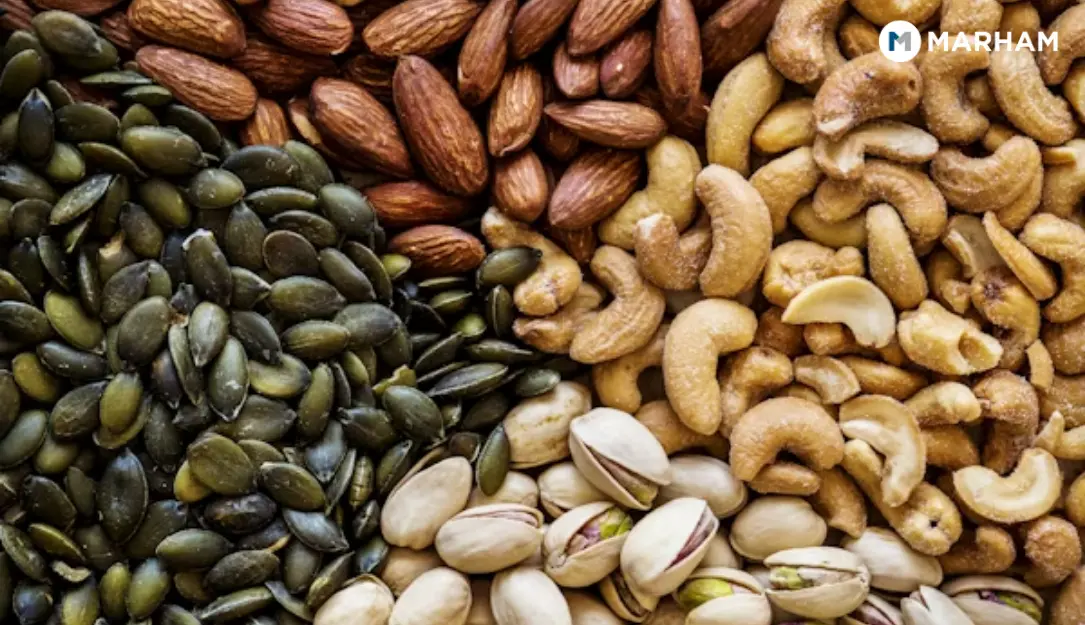
Many people ask about the difference between these popular nuts.
Cashews (کاجو):
- Higher in copper and iron
- Creamier texture
- Lower in fiber
- Better for making creamy sauces
- Slightly sweeter taste
Almonds (بادام):
- Higher in vitamin E and calcium
- More fiber content
- Better for weight loss
- Crunchier texture
- Slightly more protein
Both nuts are healthy choices. Cashews offer more copper and a creamier taste, while almonds provide more fiber and vitamin E. Including both in your diet gives you the best of both worlds.
Who Should Be Careful When Eating Cashews?
- People with nut allergies (cashew allergy can be severe)
- Those watching calorie intake (stick to recommended portions)
- People with kidney stones (cashews contain oxalates)
- Anyone on blood pressure medication (consult your doctor first)
Pregnancy Note: Cashews are generally safe during pregnancy and provide essential nutrients like folate and iron. However, pregnant women should consult their doctor before making dietary changes.
If you are still confused about how to include cashews in your diet safely, talk to the best nutritionists on Marham. They will create a personalized diet plan based on your health, weight, and lifestyle. You can book an appointment anytime through video call or by visiting the clinic.
Conclusion
The cashew benefits we have discussed show why these nuts deserve a place in your daily diet. From supporting heart health and managing weight to boosting male fertility and strengthening bones, cashews offer impressive health advantages backed by science.
Whether you want to improve your energy levels, support your heart, or simply enjoy a nutritious snack, these creamy nuts can help. Start with small amounts, be consistent, and give your body time to show results.
Cashews are widely available in Pakistan and fit easily into traditional Pakistani foods and desserts. No complicated recipes or expensive equipment needed.
Ready to enjoy the benefits of cashew nuts? Start with just one handful daily and notice the difference in a few weeks.
Frequently Asked Questions
What are the main cashew benefits?
Cashew benefits include heart health support, weight management, stronger bones, better brain function, and blood sugar control. They are also rich in antioxidants that protect your cells.
How many cashews should I eat per day?
The recommended amount is 15-20 cashews (about 28-30 grams) daily. This provides optimal nutrition without excess calories.
What are cashew nuts benefits for male health?
Cashew nuts benefits for male include supporting testosterone levels, improving fertility and sperm quality, building muscle mass, and enhancing energy levels.
Are cashews good for weight loss?
Yes, despite being calorie-dense, cashews can support weight management. Their protein and fiber content keeps you full longer, reducing overall calorie intake.
Can I eat cashews daily?
Yes, daily consumption is safe and beneficial for most people. Just stick to the recommended 15-20 cashews per day and ensure you have no nut allergies.
What are benefits of eating cashew nuts for diabetics?
Cashews have a low glycemic index and help maintain steady blood sugar levels. The fiber and protein slow down digestion, preventing blood sugar spikes.
