



In Asia, Pakistan has the highest rate of breast cancer. According to the World Health Organization (WHO), every year about 30,000 women are diagnosed with breast cancer in Pakistan. Sadly, most cases are found at late stages (Stage 3 or 4) when the disease becomes harder to treat.
In this blog, you’ll learn about the symptoms, causes, stages, and treatment options for breast cancer in Pakistan. You’ll also find out how you can consult the best breast cancer specialists through Marham.pk without leaving your home.
What Is Breast Cancer?
Breast cancer happens when some cells in the breast start growing out of control. These cells can form a lump or mass. If not treated early, they can spread to other parts of the body.
Breast Cancer In Urdu:
چھاتی کا کینسر ایک ایسی بیماری ہے جس میں چھاتی کے خلیے غیر معمولی طور پر بڑھنے لگتے ہیں اور ایک گلٹی بناتے ہیں جو جسم کے دوسرے حصوں میں پھیل سکتی ہے۔
Facts About Breast Cancer in Pakistan
- Around 1 in every 9 Pakistani women will develop breast cancer in her lifetime.
- About 69% of women are diagnosed at Stage 3 or 4, when treatment is more difficult.
- Only 42% of women know the basic signs and symptoms of breast cancer.
- Less than 30% of women perform regular self-examinations.
These numbers show that awareness and early checkups can make a huge difference in survival rates.
October – Breast Cancer Awareness Month
Every October, Pakistan joins the world in observing “Breast Cancer Awareness Month.” Organizations like Pink Ribbon Pakistan and Marham organize awareness drives, free screening camps, and educational sessions.
The goal is to:
- Help women recognize symptoms early
- Encourage regular checkups
- Remove fear and stigma
- Promote easy access to doctors
Remember, awareness shouldn’t just happen in October, breast health matters all year long.
Symptoms of Breast Cancer in Women
The early symptoms of breast cancer are mostly painless, which is why regular checks are so important. Look out for:
- A lump or thickening in the breast or underarm
- Change in size or shape of the breast
- Skin dimpling or redness
- Nipple turning inward
- Unusual discharge from the nipple
- Pain or discomfort that doesn’t go away
Remember: Not every lump means cancer, but it’s always best to get it checked by a breast specialist to be on the safe side.
Main Causes of Breast Cancer in Pakistan
Doctors say there isn’t one single cause. Instead, several reasons of breast cancer in Pakistan can increase your risk of developing this disease. Here are the most common ones:
1. Family or Genetic History
If your mother, sister, or daughter had breast or ovarian cancer, your risk is higher. Some women may carry genes like BRCA1 or BRCA2 that make them more likely to develop breast cancer.
2. Hormonal Factors
Hormones like estrogen and progesterone influence breast tissue growth. Long-term exposure to these hormones can raise the risk of breast cancer. Common hormonal factors include:
- Starting periods before age 12
- Reaching menopause after 55
- Not having children or having them late
- Not breastfeeding
- Using birth control pills or hormone therapy for many years
3. Lifestyle Habits
Our everyday choices like what we eat, how active we are, and even small habits can impact our breast health. Risk factors linked to lifestyle include:
- Lack of physical activity
- Unhealthy diet and junk food
- Obesity
- Smoking and alcohol consumption
4. Environmental Causes
The environment we live in also affects our health more than we think. Constant exposure to pollution, smoke, or chemicals around us can slowly harm our bodies. In many areas of Pakistan, women are exposed to pesticides, factory waste, and poor air quality. All of these may increase the risk of breast cancer over time.
Even some everyday items, like plastics, hair dyes, and certain cosmetics, contain chemicals that can disrupt hormones and affect breast cells. You don’t have to panic but it’s wise to make small changes. Try using:
- Glass bottles instead of plastic
- Choose natural skincare products
- Eat more fresh, home-cooked meals.
These small lifestyle choices can go a long way in reducing your exposure to harmful substances and keeping your body healthier.
5. Late Diagnosis
In Pakistan, many women ignore the early warning signs and delay seeing a doctor. Sometimes it’s because of social stigma, lack of awareness, or even the fear of medical expenses. Unfortunately, this delay means the cancer is diagnosed at a later, more serious stage, when treatment becomes harder and recovery takes longer.
Breast Cancer Stages
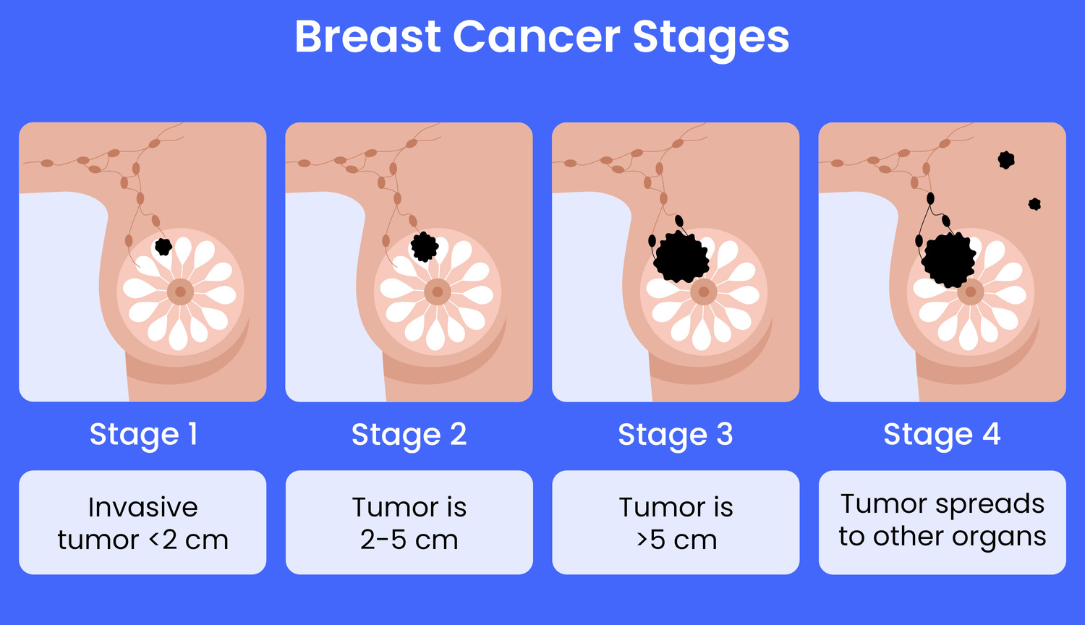
| Stage | What It Means | Typical Treatment |
| Stage 1 | Cancer is small and limited to the breast. | Surgery + Radiation |
| Stage 2 | Cancer has spread to nearby lymph nodes. | Surgery + Chemo + Radiation |
| Stage 3 | Cancer has spread to several nodes & chest walls. | Chemotherapy + Surgery + Radiation |
| Stage 4 | Cancer has spread to other organs. | Chemotherapy + Targeted Therapy |
Most women in Pakistan are diagnosed with Stage 3 breast cancer, which is still treatable but needs strong, combined treatment. That’s why early detection is the key.
Breast Cancer Diagnosis
Diagnosing breast cancer in Pakistan early makes a big difference in treatment success. If you notice any unusual changes in your breasts, visit a gynecologist immediately. Here’s how breast cancer is usually diagnosed:
Physical Examination
Your doctor will check for lumps or changes in the size, shape, or texture of your breast and underarm area.
Mammogram
A mammogram is an X-ray of the breast that helps detect small lumps or abnormalities that can’t be felt by hand.
Ultrasound
If a lump is found, an ultrasound helps determine if it’s a solid tumor or a fluid-filled cyst.
Biopsy
A small tissue sample from the lump is taken and examined under a microscope to confirm if cancer cells are present.
MRI Scan
Sometimes, an MRI is used to get a more detailed image of the breast, especially in complex cases.
Tumor Marker Tests
These blood tests help identify specific markers that show if the cancer is active or spreading.
Breast Cancer Treatment in Pakistan
Depending on the stage and type, your doctor may recommend one or more of the following:
Surgery:
Surgery is usually the first step in treatment. The doctor may remove only the lump (lumpectomy) or the entire breast (mastectomy). The main goal is to remove all cancer cells and keep as much healthy tissue as possible.
Chemotherapy:
This treatment uses strong medicines to kill cancer cells that may have spread. It can be given through injections or pills. Some patients receive it before surgery to shrink the tumor, or after surgery to reduce the risk of cancer returning.
Radiation Therapy:
Radiation uses high-energy rays to destroy remaining cancer cells after surgery. It lowers the chance of the cancer coming back in the same area. The radiation is usually targeted at the breast, chest wall, or nearby lymph nodes.
Hormone Therapy:
Some breast cancers grow due to hormones like estrogen or progesterone. Hormone therapy blocks these hormones or reduces their levels. This stops or slows down the growth of cancer cells.
Targeted Therapy:
This treatment works on specific types of breast cancer, such as HER2-positive. It attacks cancer cells directly without affecting most healthy cells.
Immunotherapy:
Immunotherapy boosts your body’s immune system to fight cancer cells. It is used when the cancer has spread or doesn’t respond to other treatments.
The breast cancer treatment cost in Pakistan can range between PKR 300,000 to 1.5 million, based on the hospital and treatment plan. Hospitals like Shaukat Khanum, Aga Khan, and others offer affordable or subsidized treatment options.
How to Prevent Breast Cancer
You can’t completely avoid breast cancer, but you can lessen the risk by:
- Staying active and maintaining a healthy weight
- Eating fresh fruits and vegetables
- Avoiding smoking and alcohol
- Breastfeeding your baby if possible
- Limiting use of hormones and birth control pills
- Doing a monthly self-exam and get a mammogram when needed
When to See a Doctor
Don’t wait if you notice:
- A new lump in your breast or armpit
- Changes in breast shape or color
- Pain or unusual discharge
Now you don’t have to stress about finding the right doctor or standing in long hospital lines. With Marham, you can easily consult the best breast cancer specialists in Pakistan right from your home.
Marham helps you connect with certified doctors, get second opinions, and book follow-up visits within minutes.
Frequently Asked Questions About Breast Cancer
What are the early signs of breast cancer?
The early signs of breast cancer include a painless lump, breast swelling, or nipple discharge.
Is breast cancer in Pakistan curable?
Yes, if diagnosed early, breast cancer is highly treatable.
What is breast cancer meaning in Urdu?
بریسٹ کینسر ایک سنگین بیماری ہے جس میں سینے کے ٹشوز میں غیر معمولی خلیے تیزی سے بڑھنے لگتے ہیں۔ یہ خلیے ایک رسولی (گلٹی) بناتے ہیں جو اگر علاج نہ ہو تو جسم کے دوسرے حصوں تک پھیل سکتی ہے۔
How many stages are there in breast cancer?
There are four stages of breast cancer, from Stage 1 (early) to Stage 4 (advanced).
What are the main reasons for breast cancer in Pakistan?
The main reasons for breast cancer in Pakistan are genetic factors, hormonal imbalance, unhealthy diet, and lack of early screening.
How to check for breast cancer at home?
- Look in the mirror and see if there are any changes in size, shape, or color.
- Raise your arms and check for swelling or discharge.
- Lie down and use your fingers to gently feel your entire breast in circular motions.
- While taking a shower, move your hand around your breast and armpit to feel for any lump or thick area.
- If you notice anything unusual, book an appointment with a breast specialist through
- right away.
Is stage 3 breast cancer curable?
Yes, Stage 3 breast cancer is curable with timely and proper treatment. Around 86% of women live at least five years after diagnosis. Many recover well and live long, healthy lives, though treatment can be intensive.
Take Action Before It’s Too Late!
Breast cancer can be scary but not unbeatable especially if you catch it early. Every woman should make breast health a priority. Be aware of symptoms, do regular checkups, and never ignore changes.
If you notice any warning signs, don’t wait. Consult top cancer specialists or gynecologists in Pakistan today via Marham and take charge of your health.
