


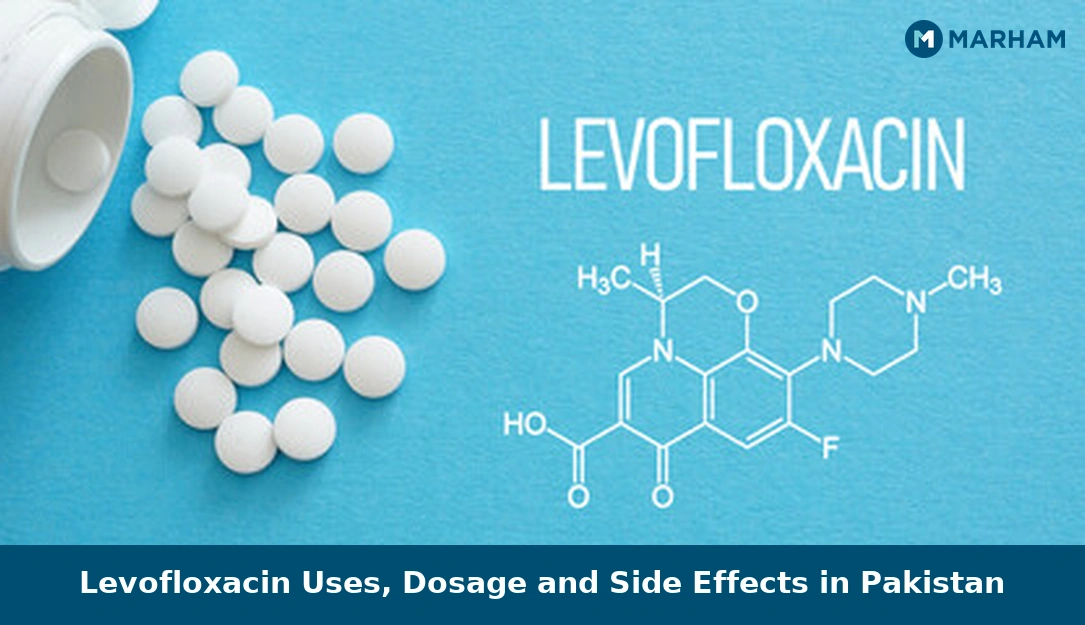
Levofloxacin is one of the most frequently prescribed antibiotics across Pakistan, dispensed in clinics from Karachi to Peshawar for infections ranging from chest problems to urinary tract issues. Most patients receive a strip of tablets with little more than a verbal instruction to “complete the course,” which leaves a lot of important questions unanswered.
Understanding what this antibiotic actually does, how to take it correctly, and which warning signs to watch for can make the difference between a smooth recovery and an avoidable complication. This guide covers everything a Pakistani patient typically needs to know before starting a course.
لیووفلوکساسن: اہم معلومات
لیووفلوکساسن ایک طاقتور اینٹی بایوٹک ہے جو بیکٹیریل انفیکشن کے علاج کے لیے استعمال ہوتی ہے، جیسے کہ پھیپھڑوں کا انفیکشن، پیشاب کی نالی کا انفیکشن، جلد کے انفیکشن اور سائنوسائٹس۔ یہ دوا فلوروکوینولون گروپ سے تعلق رکھتی ہے اور صرف ڈاکٹر کے نسخے پر دستیاب ہے۔ پاکستان میں یہ لیفلوکس اور لیووکسن جیسے ناموں سے ملتی ہے۔ اسے ڈاکٹر کی ہدایت کے مطابق پوری مدت تک استعمال کریں، چاہے علامات جلد ختم ہو جائیں۔ دودھ، دہی یا اینٹاسڈ کے ساتھ نہ لیں کیونکہ یہ دوا کے جذب کو متاثر کرتے ہیں۔
What Is Levofloxacin and How Does It Work?
Levofloxacin is a broad-spectrum fluoroquinolone antibiotic, meaning it works against a wide range of bacterial infections. According to the NIH’s StatPearls database, it works by inhibiting bacterial DNA gyrase and topoisomerase IV, two enzymes that bacteria need to replicate their DNA. Without these enzymes, bacteria cannot reproduce and die off. It does not work against viral infections like the common cold or flu.
The WHO includes levofloxacin on its Essential Medicines List, recognising it as a safe and effective option when used appropriately. In Pakistan, it is sold under several brand names including Leflox (manufactured by Getz Pharma), Levoxin (Searle Pakistan), Bexus (Shaigan Pharmaceuticals), and Atcoflox (Atco Laboratories), all available as 250 mg, 500 mg, and 750 mg tablets.
Key Takeaways
- Levofloxacin treats bacterial infections only, not viral ones.
- It’s a prescription-only antibiotic in Pakistan, not an over-the-counter medicine.
- The standard adult dose is 500 mg once daily; your doctor may adjust this.
- Avoid dairy, antacids, and iron supplements within 2 hours of each dose.
- Serious but rare risks include tendon damage and heart rhythm changes.
- Complete the full course even if you feel better after a day or two.
What Is Levofloxacin Used For?
Doctors in Pakistan prescribe levofloxacin for several bacterial infection types. The FDA-approved indications, as reviewed by the NIH, include:
- Pneumonia (both community-acquired and hospital-acquired)
- Acute bacterial sinusitis
- Urinary tract infections (UTIs), including complicated kidney infections (pyelonephritis)
- Chronic bacterial prostatitis
- Skin and soft tissue infections
- Acute bacterial flare-ups of chronic bronchitis
General physicians in Lahore and Karachi also commonly use it for typhoid fever as part of a broader treatment plan, and it appears in some multi-drug regimens for drug-resistant tuberculosis (MDR-TB) under specialist supervision.
One thing worth knowing: levofloxacin is typically reserved for infections that haven’t responded to first-line antibiotics, or when first-line options can’t be used. The FDA and IDSA guidelines recommend against using fluoroquinolones as the automatic first choice for simple conditions like uncomplicated UTIs, to help slow antibiotic resistance. If your doctor prescribes it, there’s usually a good reason.
Levofloxacin Dosage: How Much and How Long?
Dosage depends on the type and severity of the infection, as well as your kidney function. According to clinical guidelines, typical adult doses are:
| Infection Type | Dose | Duration |
|---|---|---|
| Community-acquired pneumonia | 500 mg once daily | 7 to 14 days |
| Urinary tract infection (mild) | 250 mg once daily | 3 days |
| Complicated UTI or kidney infection | 250 mg once daily | 10 days |
| Sinusitis | 500 mg once daily | 10 to 14 days |
| Skin infection | 500 mg once daily | 7 to 14 days |
| Chronic bacterial prostatitis | 500 mg once daily | 28 days |
Patients with kidney disease may need a lower dose or longer gap between doses, as levofloxacin is cleared primarily through the kidneys. Your doctor will adjust accordingly.
How to take it correctly:
- Take the tablet at the same time each day, ideally in the morning.
- Swallow whole with a full glass of water. Do not crush or chew.
- You can take it with or without food. The liquid formulation should be taken 1 hour before or 2 hours after eating.
- Avoid dahi (yogurt), lassi, milk, or other dairy products within 2 hours of your dose. Dairy reduces how well the drug is absorbed into your bloodstream.
- Avoid antacids containing magnesium or aluminium (common brands in Pakistan like Gaviscon or Digene) within 2 hours. They bind to levofloxacin in the gut and block absorption.
- Drink extra water throughout the day, especially in summer. Staying hydrated helps protect your kidneys while on this antibiotic.
- Complete the full prescribed course. Stopping early because you feel better is one of the main drivers of antibiotic resistance in Pakistan.
If you miss a dose, take it as soon as you remember. If it’s almost time for the next dose, skip the missed one. Never double up to compensate.
Levofloxacin Side Effects: Common and Serious
Most people tolerate levofloxacin well. Common side effects are mild and tend to ease as the body adjusts:
- Nausea or stomach discomfort
- Diarrhoea
- Headache
- Dizziness or light-headedness
- Difficulty sleeping (insomnia)
- Increased skin sensitivity to sunlight
Serious side effects are less common but require immediate medical attention:
- Tendon pain or swelling: Levofloxacin carries an FDA black-box warning for tendinitis and tendon rupture, most often affecting the Achilles tendon. The risk is higher in patients over 60, those on corticosteroid medicines, and those with a history of kidney, heart, or lung transplants. Stop the medication and contact your doctor if you feel sudden tendon pain.
- QT prolongation: A change in heart rhythm that can be dangerous. The risk increases if you already take heart medicines or have low potassium or magnesium levels. Per the Getz Pharma Leflox prescribing leaflet, ECG monitoring may be needed in high-risk patients.
- Blood sugar changes: Levofloxacin can cause both hypoglycaemia (low blood sugar) and hyperglycaemia (high blood sugar), particularly in diabetic patients on insulin or oral medicines. Check your glucose levels more regularly during the course.
- Peripheral neuropathy: Tingling, numbness, or weakness in the hands or feet. Discontinue and see a doctor if this occurs.
- Severe allergic reaction: Rash, swelling of the face or throat, or difficulty breathing. Seek emergency care immediately.
Who Should Not Take Levofloxacin?
Some patients should avoid levofloxacin entirely or use it only under close supervision:
- Anyone allergic to levofloxacin or other fluoroquinolones (ciprofloxacin, ofloxacin, norfloxacin)
- Patients with myasthenia gravis, a neuromuscular condition that fluoroquinolones can worsen significantly
- Children and adolescents under 18, except in specific situations (anthrax, plague) where no alternatives exist
- Pregnant women: clinical guidelines recommend safer alternatives such as amoxicillin-clavulanic acid or cefuroxime for most infections during pregnancy
- Breastfeeding mothers: levofloxacin passes into breast milk; most guidelines advise avoiding it or pausing breastfeeding during treatment and for 2 days after the last dose
- Patients with known QT prolongation or a family history of sudden cardiac death
If you have kidney disease, liver disease, a seizure disorder, or a history of tendon problems, tell your doctor before starting. A dose adjustment or alternative antibiotic may be more appropriate.
Price and Availability in Pakistan
Levofloxacin 500 mg is widely available at pharmacies across Pakistan. A Karachi-based pharmacy survey published in the journal PMC found the mean price per tablet for branded levofloxacin 500 mg at roughly PKR 37, with generics available from as low as PKR 13 to PKR 83 per tablet. A standard 10-tablet blister strip of Leflox 500 mg typically costs between PKR 300 and PKR 500 at most retail pharmacies. Prices may vary by city and pharmacy type. It is a prescription-only medicine and should not be purchased without a valid prescription from a registered doctor.
Consult a Doctor on Marham
If you’ve been prescribed levofloxacin and have questions about your dose, a side effect you’re experiencing, or whether it’s the right antibiotic for your infection, speaking to a qualified doctor is the right step. Self-adjusting the dose or stopping early without medical advice can lead to treatment failure or contribute to antibiotic resistance, which is already a growing concern in Pakistani hospitals.
Marham connects you with verified general physicians in Pakistan who consult online from anywhere in the country. If your infection involves the lungs, urinary tract, or prostate, you may also benefit from a specialist opinion through a gastroenterologist in Pakistan or another relevant specialist. A short online consultation typically takes 15 to 20 minutes and can clarify whether your current prescription is appropriate, whether a side effect you’re noticing needs attention, and what to do if your symptoms aren’t improving after 48 to 72 hours.
Frequently Asked Questions
What is levofloxacin used for?
Levofloxacin treats bacterial infections including pneumonia, urinary tract infections, sinusitis, skin infections, and chronic prostatitis. It does not work against viral infections like the flu or common cold.
What are the side effects of levofloxacin?
Common side effects include nausea, diarrhoea, headache, and dizziness. Serious but less common effects include tendon pain, heart rhythm changes (QT prolongation), and blood sugar fluctuations, especially in diabetic patients.
Can I take levofloxacin with food?
Yes, tablets can be taken with or without food. Avoid dairy products like dahi, lassi, or milk within 2 hours of your dose, as they reduce the drug’s absorption into your body.
How long does levofloxacin take to work?
Most patients begin to notice improvement within 2 to 3 days of starting treatment. However, you must complete the full prescribed course even if you feel better sooner, to ensure the infection is fully cleared.
Who should not take levofloxacin?
Patients allergic to fluoroquinolone antibiotics, those with myasthenia gravis, children under 18 (in most cases), and pregnant women should generally avoid levofloxacin. Always inform your doctor of your full medical history before starting.
Can levofloxacin be taken with antacids?
No. Antacids containing magnesium or aluminium, as well as iron, zinc, and calcium supplements, should not be taken within 2 hours of a levofloxacin dose. They bind to the antibiotic in the gut and significantly reduce how much reaches your bloodstream.
Is levofloxacin safe during pregnancy?
Levofloxacin is generally avoided during pregnancy. Clinical guidelines recommend safer alternatives for most infections. If you are pregnant or planning to become pregnant, discuss this with your doctor before taking it.
Conclusion
Levofloxacin is a potent antibiotic with a well-established track record against a range of serious bacterial infections. Used correctly, with the right dose, at the right time, and for the full prescribed duration, it is effective and generally well-tolerated. The practical details matter: avoid dairy and antacids around each dose, drink plenty of water, and stop the course only when your doctor says so. If you notice tendon pain, heart palpitations, or tingling in your limbs, contact a doctor promptly rather than waiting it out.
