


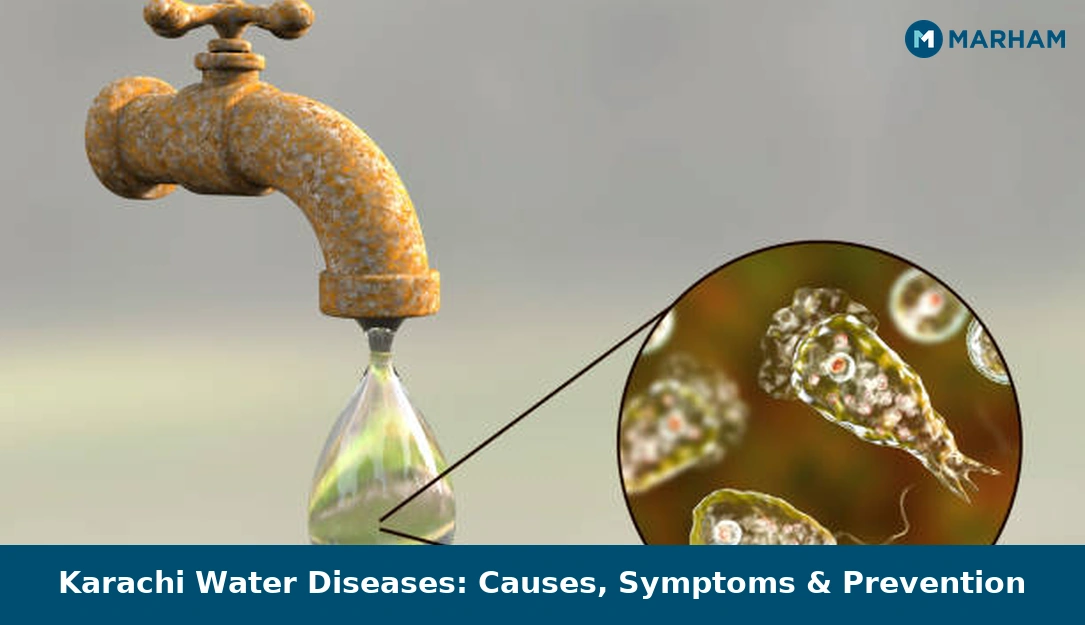
Tap water in Karachi has a reputation that most residents know well. The pipelines are old, the sewage system leaks into supply lines in dozens of neighbourhoods, and the Karachi Water and Sewerage Corporation’s filtration plants have been running under capacity for years. What comes out of the tap is not always what you’d call safe.
The consequences show up in hospitals every summer. Around 1,500 gastroenteritis patients are reported daily at Civil Hospital Karachi during peak contamination periods, with experts pointing to contaminated water as a key driver. According to the Pakistan National Conservation Strategy report, over 40 per cent of disease outbreaks in Karachi can be attributed to unsafe drinking water. These aren’t abstract statistics for Karachi families — they’re the reality behind a child’s fever in July or a bout of jaundice that stretches into weeks.
Knowing which diseases come from the water, what their early signs look like, and what you can do at home to reduce risk is genuinely useful. That’s what this guide covers.
کراچی کے پانی سے پھیلنے والی بیماریاں
کراچی میں پانی کی آلودگی ایک سنگین صحت عامہ کا مسئلہ ہے۔ ٹائیفائیڈ، ہیپاٹائٹس اے اور ای، ہیضہ، اسہال، امیبیاسس اور نیگلیریا جیسی بیماریاں آلودہ پانی پینے یا اس سے وضو کرنے سے پھیلتی ہیں۔ گرمیوں میں، خاص طور پر مئی سے ستمبر کے درمیان، ان بیماریوں کے کیسز میں نمایاں اضافہ ہوتا ہے۔ گھر میں پانی کو ابالنا یا آر او فلٹر استعمال کرنا سب سے مؤثر احتیاطی تدبیر ہے، اور کسی بھی علامت کے ظاہر ہونے پر فوری طور پر ڈاکٹر سے رجوع کریں۔
What Diseases Does Karachi Water Cause?
Karachi’s water supply draws from Keenjhar and Haleji lakes, but by the time it reaches a household tap in Lyari, Orangi, or Korangi, it has often passed through cracked pipes running alongside open sewage drains. High levels of Escherichia coli (E. coli) have been found in Karachi’s water sources, and the city’s water was labelled the most contaminated in all of Sindh by Pakistan Council of Research in Water Resources (PCRWR) research teams. The diseases this contamination causes fall into a few clear categories.
Typhoid Fever
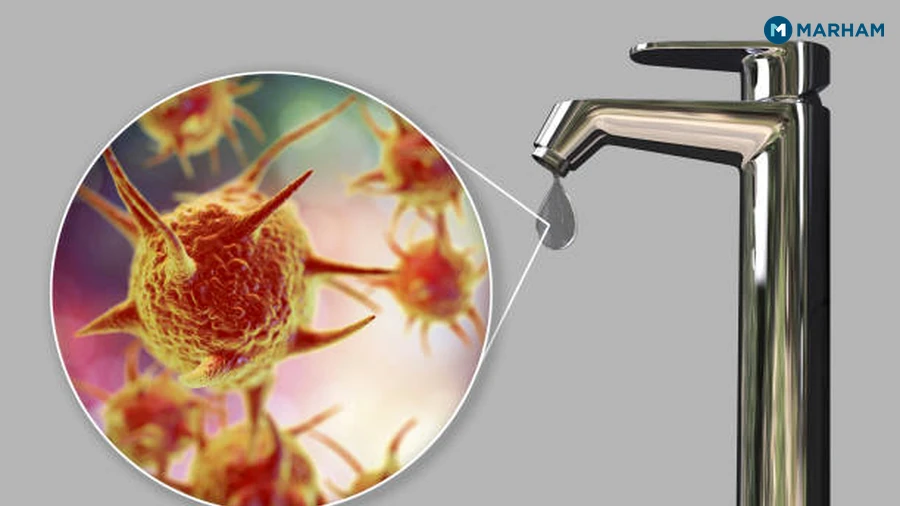
Typhoid is caused by Salmonella typhi, a bacterium that enters the body through contaminated water or food. It’s one of the most common diagnoses at Karachi’s public hospitals during the summer months. Symptoms typically appear 6 to 30 days after exposure and include a steadily rising fever, headache, stomach pain, and loss of appetite. Some patients develop a faint rose-coloured rash on the trunk. Left untreated, typhoid can lead to intestinal perforation, which is a medical emergency. A blood culture or Widal test (widely available in Karachi for roughly Rs 500 to Rs 800) can confirm the diagnosis.
Hepatitis A and E
Both hepatitis A and hepatitis E are transmitted through water or food contaminated with fecal matter. They inflame the liver and cause jaundice (yellowing of the skin and eyes), dark urine, fatigue, and nausea. Hepatitis A tends to resolve on its own with rest and hydration. Hepatitis E can be more serious, particularly in pregnant women, where it carries a higher risk of severe illness. In Pakistan, hepatitis E is notably prevalent in areas where untreated water is commonly used. A hepatitis A vaccine is available and recommended, especially for children and people with frequent exposure to contaminated water. For more detail on these two infections, see Hepatitis A and E in Pakistan: The Summer Water Risk.
Cholera and Acute Gastroenteritis
Cholera is an acute infection caused by the bacterium Vibrio cholerae upon contact with contaminated food or water. It is associated with episodes of profuse watery diarrhoea and carries high mortality if untreated. Karachi saw a confirmed cholera outbreak reported by WHO in Sindh in 2022. Acute gastroenteritis, which is a broader inflammation of the stomach and intestines caused by various pathogens including E. coli, is far more common and is the single most frequent reason Karachi residents visit emergency rooms in summer. Symptoms include sudden diarrhoea, vomiting, cramps, and low-grade fever.
Amoebiasis and Dysentery
Amoebiasis is caused by the parasite Entamoeba histolytica, which lives in contaminated water and soil. It causes loose stools, stomach cramping, and in some cases bloody diarrhoea (amoebic dysentery). Many people carry the parasite without symptoms for weeks before it becomes active, often triggered by stress or a change in diet. Karachi’s heat accelerates the lifecycle of these organisms in standing water, making summer the peak season.
Naegleria Fowleri (Brain-Eating Amoeba)
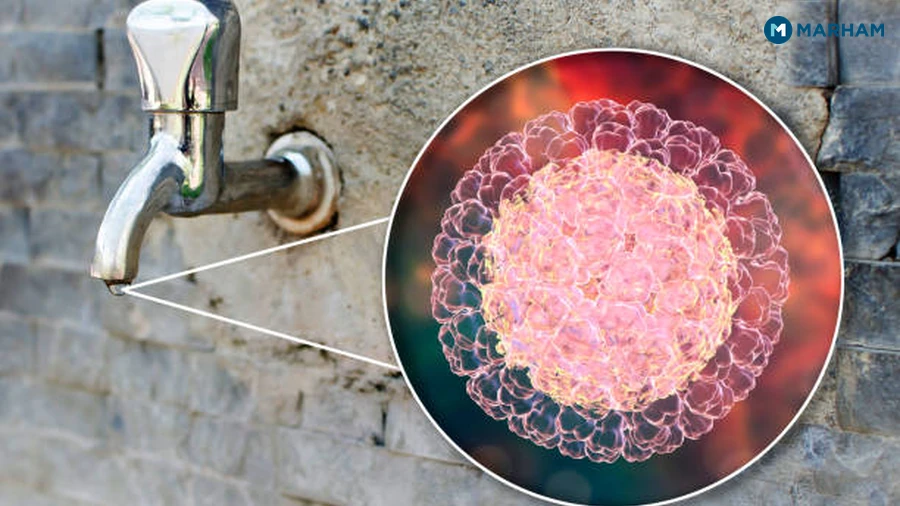
This is the disease Karachi residents hear about every summer and understandably fear. Primary amebic meningoencephalitis (PAM) is a fatal disease caused by the thermotolerant free-living amoeba Naegleria fowleri, found in freshwater environments. It proliferates during summer when temperatures rise. The organism enters through the nasal cavity when contaminated water is inhaled, then invades the central nervous system. What makes Karachi’s situation distinct is that cases have been linked not to recreational swimming but to domestic water exposure and nasal cleansing during ablution (wuzu). The Aga Khan University Hospital laboratory in Karachi confirmed 19 PAM cases in a single two-year period without any history of recreational freshwater activities. Early symptoms resemble bacterial meningitis: severe headache, high fever, nausea, and stiff neck. It progresses rapidly. Anyone experiencing these symptoms after using tap water for nasal washing needs emergency medical care immediately. Inadequate chlorination of Karachi’s water supply is a key factor in the persistence of Naegleria cases each year.
Skin and Eye Infections
Dermatologists in Karachi have noted a significant rise in fungal skin infections due to contaminated water, particularly tinea corporis, folliculitis, and eczema, conditions exacerbated by the high salt content in polluted water. Eye infections including conjunctivitis are also common when contaminated water contacts the face during washing.
Disease Comparison: Karachi’s Most Common Water-Related Illnesses
| Disease | Pathogen | Key Symptom | Onset After Exposure | Serious Risk |
|---|---|---|---|---|
| Typhoid | *Salmonella typhi* (bacteria) | Persistent high fever | 6 to 30 days | Intestinal perforation |
| Hepatitis A | Hepatitis A virus | Jaundice, fatigue | 2 to 4 weeks | Liver failure (rare) |
| Hepatitis E | Hepatitis E virus | Jaundice, dark urine | 2 to 9 weeks | Severe in pregnancy |
| Cholera | *Vibrio cholerae* (bacteria) | Profuse watery diarrhoea | Hours to 5 days | Rapid dehydration, death |
| Amoebiasis | *Entamoeba histolytica* | Bloody diarrhoea, cramps | 1 to 4 weeks | Liver abscess |
| Naegleria PAM | *Naegleria fowleri* (amoeba) | Severe headache, fever | 1 to 9 days | Fatal brain infection |
| Gastroenteritis | *E. coli*, various | Vomiting, loose stools | Hours to 3 days | Dehydration in children |
How to Protect Your Family: 6 Practical Steps for Karachi Households
- Boil drinking water for at least one full minute. A community-based survey in Karachi found that 89.4% of participants use boiling as their primary water treatment method. It works for bacteria and viruses. Keep boiled water in a covered, clean container, not the same vessel used to store raw tap water.
- Use a reverse osmosis (RO) filter for daily drinking. RO filters, available in Karachi markets from around Rs 12,000 to Rs 25,000 for a basic under-sink unit, remove bacteria, heavy metals, and most parasites. They don’t protect against Naegleria in nasal water use, so boiling remains important for wuzu water during summer.
- Never use tap water for nasal rinsing or wuzu without boiling it first in summer. This is the Karachi-specific step most prevention guides skip. Between May and October, when water temperatures in the supply system rise, Naegleria risk from nasal water exposure is real. Use boiled and cooled water, or sterile saline, for any nasal washing.
- Wash raw vegetables and fruit with filtered or boiled water. Karachi’s sabzi mandis supply produce that has often been irrigated or washed with contaminated water. A quick rinse under the same tap doesn’t remove pathogens. Use a basin of clean filtered water and a brush for root vegetables.
- Keep an ORS (oral rehydration solution) sachet at home. ORS sachets are available from any Karachi pharmacy for about Rs 20 to Rs 30 each (brands like Pedialyte or the WHO-formula ORS from government dispensaries). If a child develops diarrhoea or vomiting, start ORS immediately. Dehydration, not the infection itself, is often what sends children to hospital.
- Vaccinate against typhoid and hepatitis A. Typhoid conjugate vaccines and hepatitis A vaccines are available at most private clinics in Karachi. Ask your general physician about the schedule, especially for children under 15 and adults who travel frequently or live in areas with unreliable water supply.
When Should You See a Doctor?
Mild diarrhoea or an upset stomach that resolves within 24 to 48 hours with rest and ORS can usually be managed at home. Seek medical attention promptly if you or a family member has a fever above 38.5°C that doesn’t come down after two days, bloody stools, signs of jaundice (yellow eyes or skin), severe vomiting that prevents keeping fluids down, or any symptoms of confusion or a stiff neck after nasal water exposure.
For children under five and elderly family members, the threshold for seeing a doctor should be lower. Dehydration from diarrhoea can become dangerous faster in young children. kidney disease in Pakistan is also a longer-term risk associated with repeated or poorly treated urinary and gastrointestinal infections. If you’re unsure whether symptoms need attention, a gastroenterologist or general physician can assess quickly. You can also read our guide on Kidney Stones in Karachi: Symptoms and Treatment for related concerns linked to Karachi’s hard and contaminated water.
Speak to a Specialist on Marham
Finding a gastroenterologist or infectious disease physician in Karachi often means a long wait at a government hospital or a costly private clinic visit with uncertain availability. Many families end up self-medicating with antibiotics, which can mask symptoms, delay diagnosis, and contribute to antibiotic resistance.
Marham connects you with verified gastroenterologists in Pakistan who offer online consultations from anywhere in the city. A short video or text consultation typically takes 15 to 20 minutes and can help you decide whether a symptom needs a lab test, a prescription, or simply careful monitoring at home. This is especially useful during Karachi’s summer months when clinics are crowded and waterborne illness cases peak.
Frequently Asked Questions
Is Karachi tap water safe to drink directly?
No, Karachi tap water is not considered safe to drink without treatment. Boiling for at least one minute or using a certified RO filter is recommended before drinking or cooking.
What are the first signs of typhoid from contaminated water?
Typhoid typically starts with a gradually rising fever, headache, and stomach discomfort appearing 6 to 30 days after exposure. Unlike a flu, the fever tends to climb steadily rather than spike suddenly.
Can contaminated water cause skin problems in Karachi?
Yes. Fungal skin infections such as tinea corporis and folliculitis have been linked to bathing in contaminated or high-salt water in Karachi. Persistent skin rashes or itching after water exposure are worth showing to a dermatologist.
How is Naegleria different from other waterborne diseases in Karachi?
Naegleria fowleri infects through the nose, not by drinking water. It’s rare but almost always fatal. The risk in Karachi is specific to nasal water contact, including wuzu using unchlorinated tap water during hot months. Boiling water before nasal use prevents it.
When should I take my child to hospital for diarrhoea?
Take a child to hospital if diarrhoea lasts more than 24 hours, if there is blood in the stool, if the child shows signs of dehydration (dry mouth, no tears, sunken eyes, reduced urination), or if a fever develops alongside the diarrhoea.
Conclusion
Karachi’s water problem is a public health reality that families have been navigating for decades. Typhoid, hepatitis A and E, gastroenteritis, cholera, amoebiasis, and Naegleria are all linked to the city’s contaminated supply. Most of these illnesses are preventable with consistent household habits: boiling or filtering drinking water, using clean water for nasal washing in summer, vaccinating children, and keeping ORS at home. Knowing the early symptoms and acting on them quickly, rather than waiting them out, is what keeps a manageable illness from becoming a serious one.
