


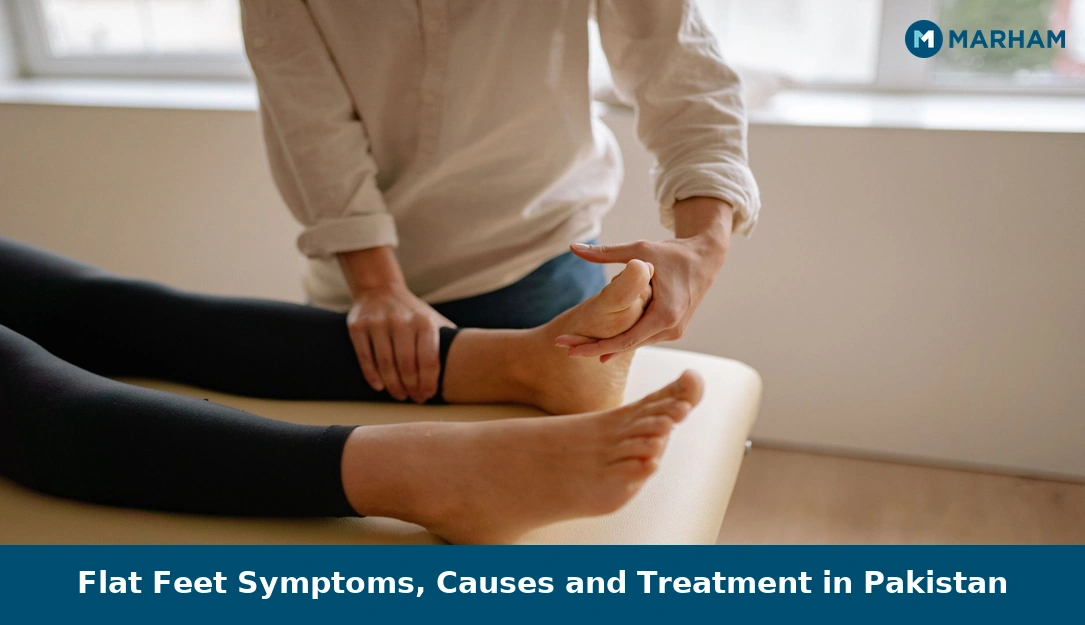
Flat feet are more common in Pakistan than most people realise. Whether you’ve noticed your child’s feet lie completely flat when standing, or you’ve been dealing with unexplained heel or knee pain for years, the arch of the foot is often the last place people think to look.
Many Pakistanis spend long hours standing on hard marble or tiled floors at home, in offices, and at mosques, especially during Taraweeh prayers in Ramadan. That kind of prolonged, unsupported standing puts steady pressure on the foot’s arch and can make flat feet noticeably more painful over time. A physiotherapist at a Lahore rehabilitation clinic will tell you the same thing: patients often arrive complaining of lower back pain or knee ache, and the root cause turns out to be collapsed arches.
This guide covers what flat feet actually are, why they cause pain beyond just the foot, and what you can do about them, including exercises you can start today.
چپٹے پاؤں: اہم معلومات
چپٹے پاؤں، جسے طبی زبان میں pes planus کہتے ہیں، ایک عام حالت ہے جس میں پاؤں کا قوس (arch) زمین سے لگ جاتا ہے۔ پاکستان میں بہت سے لوگ اس مسئلے سے لاعلم رہتے ہیں اور گھٹنوں یا کمر کے درد کو الگ بیماری سمجھتے ہیں۔ چپٹے پاؤں کی وجہ سے پاؤں، ٹخنے، گھٹنے اور کمر میں درد ہو سکتا ہے۔ ورزش، مناسب جوتے اور آرتھوٹک انسولز سے زیادہ تر مریضوں کو آرام ملتا ہے اور سرجری کی ضرورت شاذ و نادر ہی پڑتی ہے۔
What Are Flat Feet (Pes Planus)?
Flat feet, medically called pes planus or fallen arches, occur when the inner arch of the foot collapses so that the entire sole touches the ground when you stand. A normal foot has a visible gap under the inner sole when standing; a flat foot has little or none.
According to Healthline, flat feet affect roughly 1 in 4 people globally, though only about 1 in 10 of those experience any symptoms. The condition can be present from birth or develop in adulthood.
There are two main types:
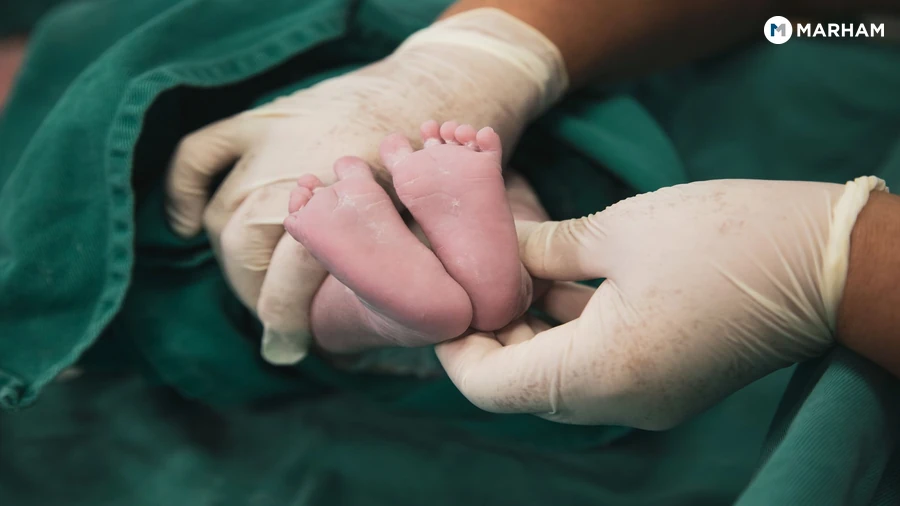
- Flexible flat feet: The arch disappears when you stand but reappears when you lift your foot. More common, especially in children.
- Rigid flat feet: The arch is absent whether standing or sitting. Less common and often more painful.
Most children under 6 naturally have flat feet because the arch hasn’t fully formed yet. By school age, arches typically develop on their own.
Symptoms of Flat Feet to Watch For
Many people with flat feet feel nothing at all. But when symptoms do appear, they tend to follow a recognisable pattern:
- Pain or aching along the inner side of the foot and heel
- Swelling around the ankle
- Feet that tire quickly after walking or standing
- Heel tilting outward when you look at your feet from behind
- Shoes wearing down unevenly, especially on the inner edge
- Pain in the knees, hips, or lower back with no obvious cause
The knee and back connection is one that Pakistani patients frequently miss. When the arch collapses, the foot rolls inward (overpronation), which rotates the shin bone inward and shifts stress up through the knee and hip. Physiotherapists at PIMS Islamabad commonly see patients referred for knee pain whose real issue starts at the foot.
Common Causes of Flat Feet in Adults
Flat feet in adults develop for several reasons, and in Pakistan a few causes are particularly relevant:
- Genetics: A family history of flat feet is the strongest single predictor.
- Excess weight: Extra body weight puts sustained pressure on the arch. Pakistan’s rising rates of obesity, noted in the National Nutrition Survey 2018, make this an increasingly common trigger.
- Posterior tibial tendon dysfunction (PTTD): The tendon that supports the arch weakens or tears, usually in middle-aged adults. This is the most common cause of adult-acquired flat feet.
- Prolonged standing on hard surfaces: Hours on marble or concrete floors, common in Pakistani homes, offices, and factories, gradually strains arch-supporting tendons.
- Pregnancy: Hormonal changes loosen ligaments throughout the body, including those in the foot.
- Diabetes and arthritis: Both can damage tendons and connective tissue that hold the arch in place.
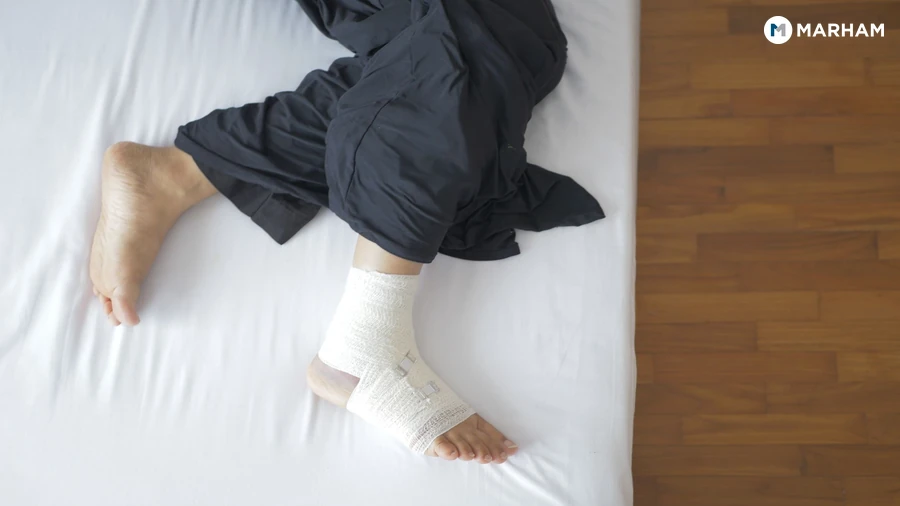
- Previous ankle or foot injury: Ligament damage from a bad sprain can allow the arch to collapse over time.
How Flat Feet Affect the Rest of Your Body
Flat feet don’t stay local. The foot is the foundation of the entire skeletal chain, and when it rolls inward it triggers a cascade of compensations.
| Area | What Happens | Common Complaint |
|---|---|---|
| Ankle | Rolls inward (overpronation) | Ankle instability, Achilles tendon pain |
| Knee | Rotates inward, extra stress on inner structures | Knee ache, especially after walking |
| Hip | Compensates for leg rotation | Hip tightness, outer hip pain |
| Lower back | Pelvic tilt shifts lumbar curve | Chronic lower back pain |
| Plantar fascia | Overstretched with each step | Heel pain (plantar fasciitis) |
Plantar fasciitis, the sharp heel pain that’s worst with the first steps in the morning, is one of the most frequent complications of untreated flat feet. Orthopaedic specialists in Karachi report it as one of the top five foot complaints they see in outpatient clinics.
Flat Feet Exercises You Can Do at Home
For most people, a consistent exercise routine is the most effective non-surgical way to manage flat feet. These exercises strengthen the muscles that support the arch. Aim for at least 3 sessions per week.
- Heel raises: Stand with feet flat on the floor, holding a wall or chair for support. Slowly rise onto your toes, hold for 5 seconds, then lower. Do 3 sets of 10 to 15 repetitions. This strengthens the calf muscles and posterior tibial tendon that hold up the arch.
- Arch lifts (short foot exercise): Sit or stand with feet flat. Without curling your toes, try to draw the ball of your foot toward your heel, creating a dome shape in your arch. Hold 8 seconds, rest, repeat 10 times. This activates the small intrinsic muscles of the foot that most people never consciously use.
- Towel scrunches: Lay a small cotton dupatta or hand towel flat on a tiled floor (very easy to find in any Pakistani household). Sit on a chair and use your toes to scrunch the towel toward you. Do 2 sets of 15 repetitions on each foot.
- Calf stretch against the wall: Stand facing a wall. Place one foot forward, the other extended behind. Keep the back heel firmly on the floor and bend the front knee until you feel a stretch in the back calf. Hold 30 seconds, repeat 4 times per side. Tight calves pull on the Achilles tendon and worsen arch collapse.
- Marble pickup: Place a handful of marbles on a smooth floor (a common game piece in Pakistani homes). Use your toes to pick them up one by one and drop them into a cup. Do 2 minutes per foot. This targets the intrinsic foot muscles directly.
- Single-leg balance: Stand on one foot for 20 to 30 seconds, focusing on keeping your arch lifted rather than letting it collapse. Progress to doing this on a folded prayer mat for a slightly unstable surface. Repeat 5 times per side.
For children under 12 with flat feet, these exercises combined with supportive insoles can make a meaningful difference in arch development. For adults, the realistic goal is pain reduction and better function rather than permanently reshaping the arch.
Footwear and Orthotics: What Works in Pakistan
Shoe choice matters more than most people appreciate. In Pakistan, a few practical points are worth knowing.
Avoid flat chappals and rubber slippers for all-day wear. Locally available brands in markets like Hafeez Centre (Lahore) or Tariq Road (Karachi) carry supportive sneakers with arch support from Rs. 3,000 to Rs. 8,000. Look for a shoe that has a firm midsole you can’t easily twist, a slight heel raise of 1 to 2 cm, and a contoured insole.
Over-the-counter orthotic insoles are available at most pharmacies in Lahore, Karachi, and Islamabad for roughly Rs. 800 to Rs. 2,500. They provide arch support and cushioning and can reduce daily pain significantly. Custom orthotics, prescribed and fitted by a physiotherapist or orthopaedic specialist, cost more (Rs. 5,000 to Rs. 15,000 depending on the clinic) but are worth considering if standard insoles don’t help after 6 to 8 weeks.
One detail that global guides skip: many Pakistani men wear formal leather shoes without any arch support for office work. Swapping to a shoe with a built-in arch contour, or adding an insole, is often the single fastest change that reduces daily foot fatigue.
When to See a Specialist for Flat Feet
Flat feet that cause no pain don’t need treatment. But there are clear signs that professional assessment is the right move.
See a specialist if you have pain in the foot, ankle, knee, or lower back that has lasted more than 2 to 4 weeks and doesn’t improve with rest and better footwear. Also seek evaluation if one foot has recently become flatter than the other (a sign of posterior tibial tendon dysfunction), if you have swelling along the inner ankle, or if the pain is affecting your ability to walk or work. Consulting a qualified orthopedic or physiotherapy specialist in Pakistan early means getting a proper gait assessment and a treatment plan tailored to your specific arch type, rather than guessing.
Children whose flat feet are still present and painful after age 8 to 10 should also be evaluated. Most will not need surgery, but an early assessment rules out the small number of cases involving rigid flat feet or underlying bone abnormalities.
Get Expert Help from Marham
Flat feet can feel like a minor nuisance until they start affecting your knees, back, or daily routine. If you’ve been managing foot or joint pain for weeks without improvement, getting a professional opinion is the sensible next step, especially if you’re unsure whether your symptoms are truly related to your foot arch or something else.
Marham connects you with verified physiotherapists and orthopaedic specialists across Pakistan through both in-clinic and online consultations. A short consultation, typically 15 to 20 minutes, can clarify whether you need custom orthotics, a structured exercise programme, or further imaging. You can also speak with a nutritionist in Pakistan if weight management is a contributing factor in your case.
Frequently Asked Questions
Can flat feet cause knee and back pain?
Yes, they can. When the arch collapses, the foot rolls inward (overpronation), which rotates the leg and places extra stress on the knee and lower back. Addressing the flat feet with orthotics or exercises often reduces these secondary pains.
How do I know if I have flat feet?
Wet your foot and step onto a dry tiled floor or a piece of paper. If you see a complete footprint with no inward curve on the inner side, you likely have flat feet. A doctor can confirm this with a physical examination.
Can flat feet be corrected in adults?
In most adults, the arch cannot be permanently rebuilt, but symptoms can be well managed. Targeted exercises, supportive footwear, and orthotics can reduce pain and improve function significantly.
What exercises help flat feet the most?
Heel raises, arch lifts (short foot exercise), and calf stretches are the most evidence-supported options. Aim for at least 3 sessions per week and expect gradual improvement over 4 to 8 weeks.
Is surgery needed for flat feet?
Surgery is rarely needed. Most cases respond well to non-surgical treatments like physiotherapy and orthotics. Surgery is considered only when symptoms are severe, progressive, and have not improved after several months of conservative care.
Are flat feet hereditary?
Yes, genetics is one of the strongest risk factors. If one or both parents have flat feet, their children are more likely to have them too. This doesn’t mean symptoms are inevitable, but it’s worth monitoring foot development in children.
When should I see a doctor for flat feet in Pakistan?
See a specialist if foot, ankle, knee, or back pain persists beyond 2 to 4 weeks, if one foot suddenly becomes flatter, or if swelling appears along the inner ankle. Early assessment prevents the condition from worsening.
Conclusion
Flat feet are a structural variation that many Pakistanis live with comfortably for years. The key is recognising when they start contributing to pain elsewhere in the body, particularly in the knees and lower back. Simple daily exercises, sensible footwear, and affordable insoles handle the vast majority of cases. If pain persists or worsens, a physiotherapist or orthopaedic specialist can build a plan that fits your specific situation.
