
Sweating is something every Pakistani knows well. In Karachi’s humid summers or Lahore’s scorching May afternoons, drenched clothes feel like a rite of passage. But some people sweat heavily even in an air-conditioned room, even at rest, even in the middle of winter. That is a different story.
The medical term for this is hyperhidrosis (pronounced hy-per-hy-DROE-sis), a condition where the body produces far more sweat than it needs for temperature control. According to a published estimate in WebMD, primary hyperhidrosis affects roughly 1% to 3% of the global population, and many cases go undiagnosed because people assume it is just “their body.” In Pakistan, where sweating is often dismissed as a climate problem, the condition is even more likely to be overlooked.
Knowing what separates normal perspiration from a medical condition can save you months of unnecessary embarrassment and, in some cases, point to an underlying health issue that genuinely needs attention.
ضرورت سے زیادہ پسینہ: اہم باتیں
ضرورت سے زیادہ پسینہ آنا، جسے طبی زبان میں ہائپرہائیڈروسس کہتے ہیں، ایک ایسی حالت ہے جس میں جسم کے پسینے کے غدود بغیر کسی واضح وجہ کے ضرورت سے زیادہ سرگرم ہو جاتے ہیں۔ یہ بغلوں، ہتھیلیوں، پاؤں کے تلوؤں یا پورے جسم کو متاثر کر سکتا ہے۔ پاکستان کے گرم موسم میں بہت سے لوگ اس مسئلے کو نظرانداز کر دیتے ہیں، حالانکہ یہ کسی بنیادی بیماری جیسے تھائرائیڈ یا ذیابیطس کی علامت بھی ہو سکتا ہے۔ اگر آپ کا پسینہ روزمرہ زندگی میں رکاوٹ بن رہا ہے تو کسی ماہرِ جلد سے مشورہ کرنا ضروری ہے۔
Normal Sweating vs Hyperhidrosis: What Is the Difference?
Normal sweating is the body’s cooling system. When your core temperature rises, your eccrine sweat glands (the ones spread across almost all of your skin) release moisture that evaporates and brings the temperature down. This is healthy and necessary.
Hyperhidrosis is different. The sweat glands fire even when there is no need to cool down: sitting still, sleeping, or shaking hands at a meeting. The key clinical distinction, per Cleveland Clinic, is that hyperhidrosis sweating is not triggered by heat or exercise and is often symmetrical, meaning both palms or both underarms are equally affected.
| Feature | Normal Sweating | Hyperhidrosis |
|---|---|---|
| Trigger | Heat, exercise, stress | No obvious trigger |
| Pattern | Whole body, situational | Often focal and symmetrical |
| Stops at rest | Yes | No |
| Soaks through clothing | Rarely | Frequently |
| Occurs during sleep | Only in fever or heat | Can occur without cause |
| Affects daily life | Minimally | Often significantly |
Excessive Sweating Causes: Primary vs Secondary
Doctors divide hyperhidrosis into two types, and the distinction matters because the causes and treatments are different.
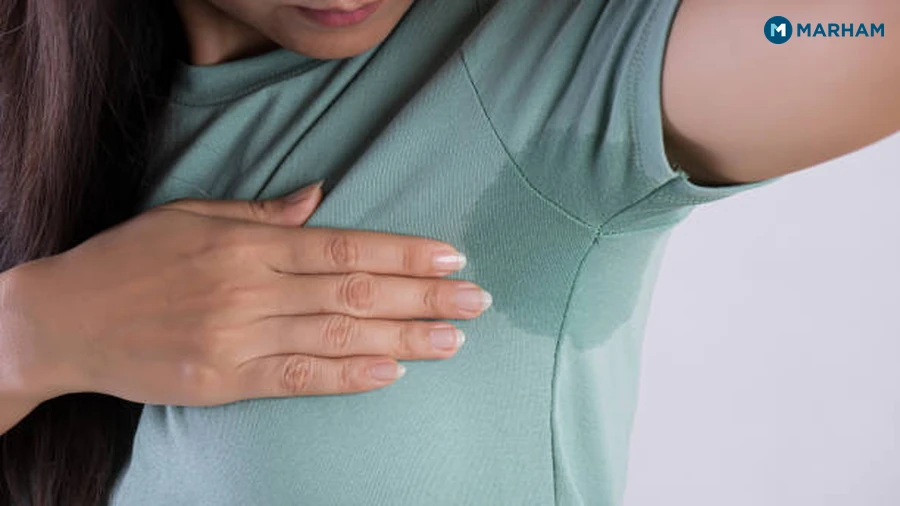
Primary (focal) hyperhidrosis has no identifiable underlying disease. The sweating is localised, usually affecting the palms, underarms, feet, or face. It tends to start in childhood or adolescence and often runs in families, suggesting a genetic component. The likely mechanism is overactivity in the sympathetic nervous system, the part that controls sweat glands. It does not indicate a serious illness.
Secondary (generalised) hyperhidrosis is caused by something else. It typically affects the whole body rather than one spot, and it often starts in adulthood. Common underlying causes include:
- Thyroid problems (hyperthyroidism, or overactive thyroid)
- Uncontrolled diabetes, where low blood sugar triggers adrenaline release and sweating
- Hormonal changes such as menopause or pregnancy
- Infections including tuberculosis, which is still prevalent in Pakistan
- Anxiety disorders and chronic stress
- Certain medications, including some antidepressants and blood pressure drugs
- Rarely, lymphoma or other cancers
A useful rule of thumb: if the sweating is new, affects your whole body, and started in adulthood without explanation, secondary hyperhidrosis is more likely and deserves a medical check-up.
Excessive Sweating Symptoms: What to Look For
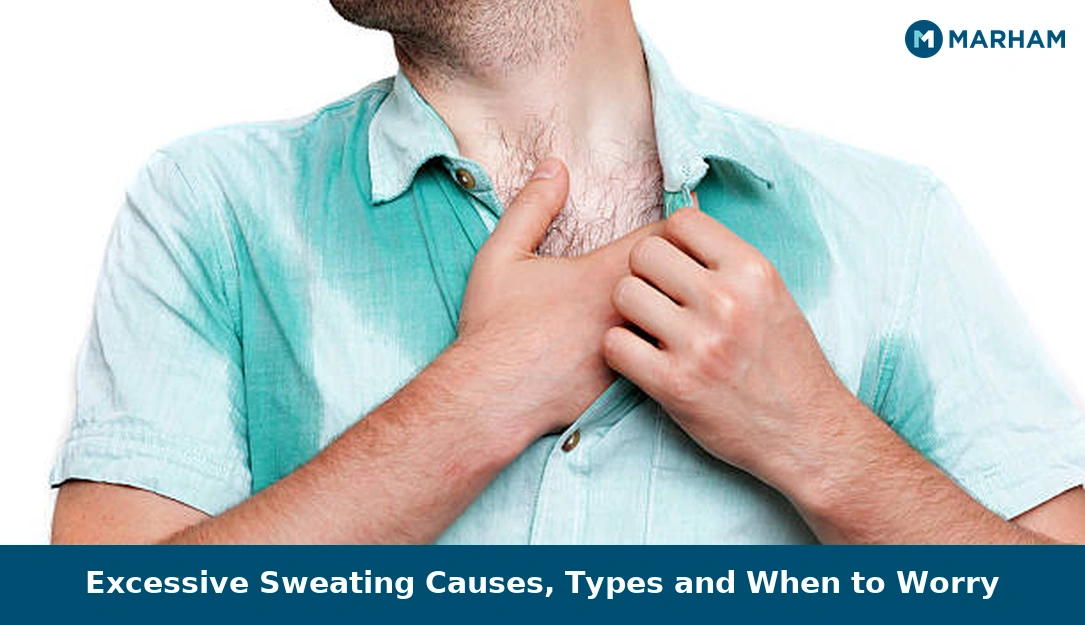
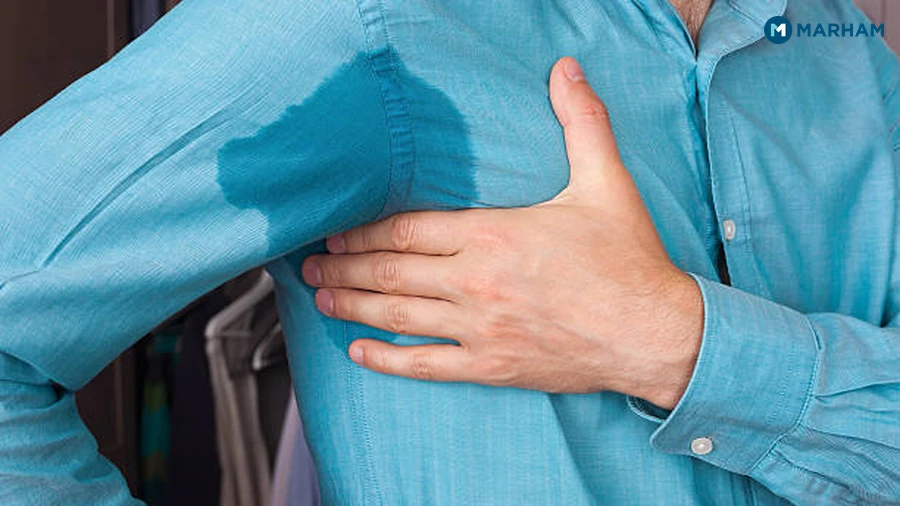
Hyperhidrosis does not always look dramatic. Some people simply notice damp handshakes or sweat rings on shirts before noon. Others drip visibly even in a cooled room. The most commonly affected areas are the underarms (axillary hyperhidrosis), palms (palmar hyperhidrosis), feet (plantar hyperhidrosis), and face or scalp.
Symptoms that suggest the sweating is medically significant rather than just heavy normal sweating:
- Sweating that soaks through clothes regularly, even without physical activity
- Visible dripping from the hands or feet at room temperature
- Sweating that wakes you from sleep (night sweats)
- Sweating that began suddenly in adulthood with no lifestyle change
- Skin infections or rashes in areas that stay constantly moist
- Social avoidance or anxiety because of sweating
Skin infections are a real risk that many Pakistani patients overlook. Skin that stays persistently wet is prone to fungal infections, particularly in the groin and between the toes. Dermatologists in Karachi and Lahore report this as a common secondary complaint in patients with untreated hyperhidrosis.
Is Excessive Sweating a Sign of a Serious Illness?
Usually, no. Primary hyperhidrosis, the most common form, is not dangerous. It is uncomfortable and socially distressing, but it does not indicate organ damage or a life-threatening condition.
Secondary hyperhidrosis is a different matter. When sweating is a symptom of an underlying condition, that condition needs attention. Uncontrolled thyroid disease and poorly managed diabetes are two of the most common secondary causes seen in Pakistan. Both are treatable, and managing them often reduces the sweating significantly.
There are also situations where sweating is a red flag requiring urgent evaluation. Seek medical attention promptly if excessive sweating is accompanied by:
- Chest pain or palpitations
- Unexplained weight loss
- Persistent fever or night sweats lasting more than a few weeks
- Dizziness or feeling faint
These combinations can point to cardiac, infectious, or metabolic conditions that need prompt assessment, not a wait-and-see approach.
How to Manage Excessive Sweating at Home
For mild to moderate primary hyperhidrosis, several practical steps can reduce the impact on daily life. At least two of these are particularly relevant to Pakistani routines.
- Switch to a clinical-strength antiperspirant. Regular deodorants mask odour but do not reduce sweat. Antiperspirants containing aluminium chloride (available at pharmacies in Karachi and Lahore, typically PKR 500 to 1,200) plug the sweat ducts temporarily. Apply at night to dry skin for best absorption.
- Wear loose, breathable fabric. In Pakistan’s climate, cotton shalwar kameez is genuinely better than synthetic fabrics for managing underarm sweating. Synthetic blends trap moisture and worsen odour.
- Manage spicy food intake. Biryani, nihari, and chaat all contain spices that trigger gustatory sweating (sweating triggered by eating). Reducing very spicy meals at lunch can noticeably lower sweating during afternoon work hours.
- Control stress actively. Anxiety and stress are major triggers for palmar and facial sweating. Structured breathing exercises or a short walk before a stressful meeting can reduce the nervous system activation that fires sweat glands.
- Keep affected skin dry and clean. Change socks at least once mid-day if you have plantar hyperhidrosis. Use medicated talcum powder (widely available at Pakistani medical stores for PKR 150 to 300) to absorb moisture and reduce fungal risk.
- Stay well hydrated. Counterintuitively, drinking enough water helps regulate core body temperature and may reduce the frequency of sweating episodes, especially in hot Pakistani summers.
When to See a Dermatologist for Excessive Sweating
Home management helps many people with mild primary hyperhidrosis, but it has clear limits. If sweating is affecting your work, your social life, or your sleep, that is reason enough to see a specialist. Waiting rarely helps, and effective treatments exist.
A dermatologist in Pakistan can confirm whether you have primary or secondary hyperhidrosis, run basic blood tests to rule out thyroid or blood sugar issues, and offer treatments that go beyond antiperspirants. These include iontophoresis (a device that passes a mild electrical current through water to temporarily reduce sweating in hands and feet), prescription anticholinergic medications, and Botox injections, which block the nerve signals to sweat glands and typically last four to six months per treatment. Surgery is reserved for severe cases that do not respond to other options.
For secondary hyperhidrosis, the first priority is treating the underlying cause. An endocrinologist in Pakistan is the right specialist if thyroid disease or diabetes is suspected, as managing those conditions often resolves the sweating without any direct hyperhidrosis treatment at all.
Get Expert Help from Marham
Many people in Pakistan live with excessive sweating for years without realising that straightforward, effective treatment is available. Outside Karachi, Lahore, and Islamabad, finding a skin specialist locally can be difficult, and waiting lists at public hospitals are long.
Marham connects you with verified dermatologists in Pakistan through online consultations, so you can speak to a specialist from anywhere in the country without the commute. You can also read more about the condition in detail on excessive sweating causes, types and treatment on Marham’s health hub. A short online consultation usually takes 15 to 20 minutes and can clarify whether your sweating needs a basic lifestyle change, a prescription antiperspirant, or further blood tests to rule out an underlying cause.
Frequently Asked Questions
Is excessive sweating normal in Pakistan’s heat?
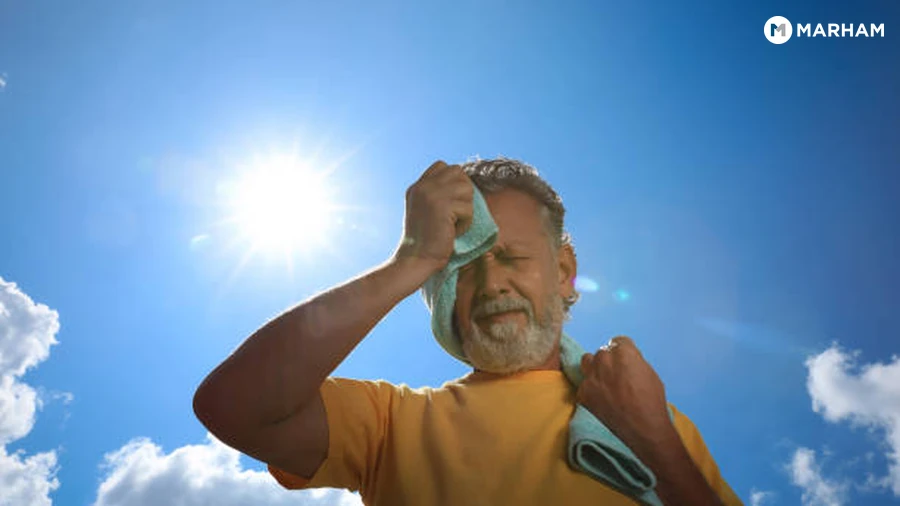
Sweating heavily in heat or during exercise is completely normal. It becomes a medical concern when it happens without a trigger, at rest, or during sleep, and when it interferes with daily activities. That pattern suggests hyperhidrosis rather than normal perspiration.
What is the most common cause of excessive sweating?
Primary focal hyperhidrosis is the most common cause, affecting roughly 1% to 3% of people globally according to WebMD. It has no identifiable underlying disease and is thought to involve overactive nerves that signal the sweat glands.
Can thyroid problems cause excessive sweating?
Yes. An overactive thyroid (hyperthyroidism) speeds up the body’s metabolism and raises core temperature, which triggers sweating. If your sweating is new, generalised, and comes with weight loss or a fast heartbeat, thyroid function tests are worth discussing with your doctor.
When should I see a doctor for excessive sweating?
See a doctor if sweating has lasted more than six months, does not improve with over-the-counter antiperspirants, wakes you from sleep, or comes with other symptoms like chest pain, unexplained weight loss, or fever. A dermatologist or general physician can assess the cause and recommend treatment.
Does diet affect how much you sweat?
Yes, to a degree. Spicy foods, caffeine, and alcohol can all trigger or worsen sweating. In Pakistan, heavy use of chilli, garam masala, and strong chai can increase sweating episodes, particularly in people who already have hyperhidrosis.
Can excessive sweating cause skin infections?
Yes. Skin that stays persistently moist is prone to fungal and bacterial infections, especially in the groin, between the toes, and under the arms. Keeping affected areas clean and dry, and using antifungal powder when needed, reduces this risk.
Is there a permanent treatment for hyperhidrosis?
There is no single guaranteed permanent solution, but several treatments provide long-term relief. Botox injections typically last four to six months. Surgical options like endoscopic thoracic sympathectomy can provide lasting results for severe cases, though they carry risks including compensatory sweating elsewhere on the body.
Conclusion
Excessive sweating is more than a climate complaint. For many Pakistani patients, it is a real medical condition with identifiable causes and effective treatments. Whether the culprit is an overactive nervous system, an unmanaged thyroid, or poorly controlled blood sugar, the right diagnosis changes everything. If sweating is disrupting your day, your sleep, or your confidence, that is your body asking for attention, not something to simply endure.