
According to the International Diabetes Federation (IDF) Atlas 2024, around 34.5 million Pakistani adults are living with diabetes, and the country now has the highest age-standardised diabetes prevalence in the world at 31.4 percent. Roughly one in three adults in Pakistan is affected, and an estimated 8.9 million people are undiagnosed, per The Lancet Diabetes & Endocrinology. That is a serious gap — because the early signs of diabetes are easy to dismiss and the damage builds quietly.
The sections below walk through the early symptoms in both Urdu and English, explain the main risk factors for Pakistani adults, and describe simple home checks and when to consult a specialist.
ذیابیطس کی علامات — اہم نکات
پاکستان میں ہر تین میں سے ایک بالغ شخص ذیابیطس کا شکار ہے۔ ابتدائی علامات میں بار بار پیشاب آنا، شدید پیاس، غیرمعمولی بھوک، تھکن، دھندلا نظر، اور زخم دیر سے بھرنا شامل ہیں۔ بہت سے لوگ ان علامات کو نظرانداز کر دیتے ہیں جس کی وجہ سے بیماری کی تشخیص دیر سے ہوتی ہے اور پیچیدگیاں بڑھ جاتی ہیں۔ بروقت خون کے ٹیسٹ (HbA1c) اور ماہر ڈاکٹر سے رجوع آپ کی صحت محفوظ رکھنے کا بہترین طریقہ ہے۔ صحت مند غذا، ورزش، اور باقاعدہ چیک اپ سے ذیابیطس قابو میں رکھی جا سکتی ہے۔
Diabetes Symptoms in Urdu: 9 Early Warning Signs
Early diabetes symptoms (ذیابیطس کی علامات) often appear slowly, and many Pakistanis mistake them for fatigue or seasonal weakness. Here are the nine warning signs every adult in Pakistan should recognise:
بار بار پیشاب آنا (Frequent urination) — Especially noticeable at night. High blood sugar pushes the kidneys to filter out extra glucose, which pulls water with it.
شدید پیاس (Excessive thirst) — Constant thirst that does not ease even after drinking lots of water.
غیر معمولی بھوک (Increased hunger) — Hunger soon after meals because cells cannot use glucose for energy.
تھکن اور کمزوری (Persistent fatigue) — Tiredness that does not improve with rest, because the body is not converting food into usable energy.
دھندلا نظر آنا (Blurred vision) — High blood sugar pulls fluid from the lens of the eye, changing focus.
زخم دیر سے بھرنا (Slow healing wounds) — Cuts, scrapes, or foot sores that take weeks rather than days to heal.
وزن کا اچانک کم ہونا (Unexplained weight loss) — Especially in type 1 diabetes. The body burns muscle and fat when it cannot access glucose.
ہاتھوں پاؤں میں سنسناہٹ (Tingling in hands and feet) — Nerve damage from high blood sugar shows up as numbness or pins-and-needles.
بار بار جلد یا پیشاب کی نالی کا انفیکشن (Recurring infections) — Frequent urinary tract infections, gum problems, or fungal skin infections like جلدی خمیر (yeast infections).
A national survey by the Diabetes Prevalence Survey of Pakistan (DPS-PAK) reported the weighted prevalence of diabetes at 26.3 percent, with another 14.4 percent of adults in the prediabetes range. Knowing all nine signs, not just thirst, is what catches the disease early.
Causes of Diabetes in Pakistani Adults
Diabetes is rarely triggered by one factor. Several drivers stack together, and a few are especially relevant for Pakistani lifestyles.
Genetic factors play a big role in South Asian populations. Having a parent or sibling with type 2 diabetes raises personal risk significantly, even in people with a normal weight.
High-carb local diets are another driver. Heavy reliance on white rice, parathas, naan, and sweetened chai creates repeated blood sugar spikes. Frequent intake of mithai, jalebi, and sugary cold drinks accelerates insulin resistance over time.

Physical inactivity is widespread in Pakistani urban life. Long sitting hours at desks, limited safe walking spaces, and minimal exercise routines push the rate higher every year.
Central obesity matters more than total weight in South Asians. A waist circumference above 90 cm in men or 80 cm in women is a strong warning sign, per WHO Asia-Pacific criteria.
Delayed diagnosis compounds every other risk. Per The Lancet, around 8.9 million Pakistanis with diabetes do not know they have it, and damage to the heart, kidneys, and eyes is already underway by the time they are diagnosed.
How to Check for Diabetes at Home
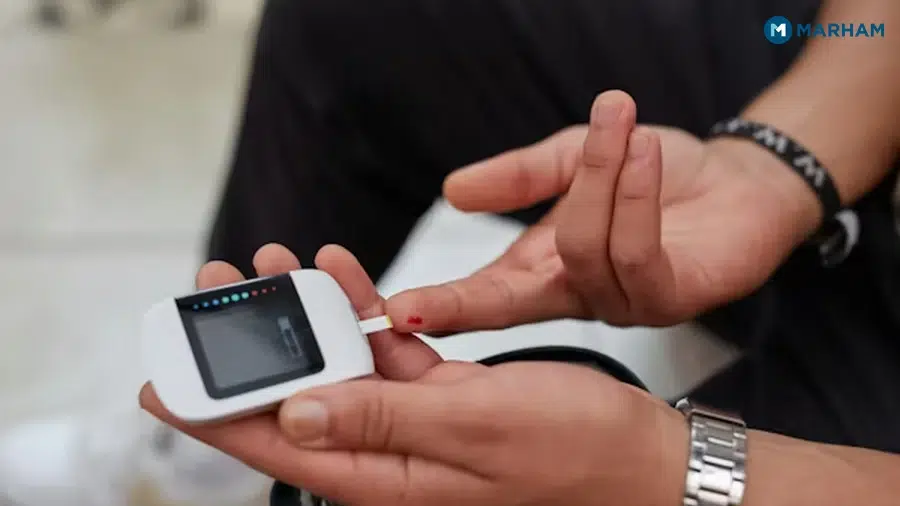
Home glucose monitors (glucometers) are widely available across Pakistan and cost between Rs. 2,000 and Rs. 6,000. The strips are an ongoing cost. A simple home check takes under five minutes.
Wash your hands and dry them thoroughly so soap or food residue does not skew the reading.
Insert a fresh strip into the glucometer and wait for it to power on.
Prick the side of your fingertip with the lancet. The side hurts less than the pad of the finger.
Touch the strip to the blood drop and wait for the reading. A fasting blood sugar above 126 mg/dL on two separate days is a red flag.
Track your readings in a notebook or app for a week before your doctor visit. A pattern is more useful than one number.
Home checks do not replace an HbA1c blood test, which gives a three-month average and is the standard for diagnosis. But repeat home highs are a strong sign to book a doctor.
Type 1 vs Type 2 Diabetes: Key Differences
Not all diabetes is the same. Knowing the difference matters because treatment is different.
| Feature | Type 1 Diabetes | Type 2 Diabetes |
|---|---|---|
| Cause | Autoimmune destruction of insulin-producing cells | Insulin resistance plus eventual insulin shortage |
| Age at onset | Usually under 30, often in childhood | Usually over 35, but rising in younger adults |
| Body type | Often lean | Often overweight or central obesity |
| Onset speed | Days to weeks, sudden | Months to years, gradual |
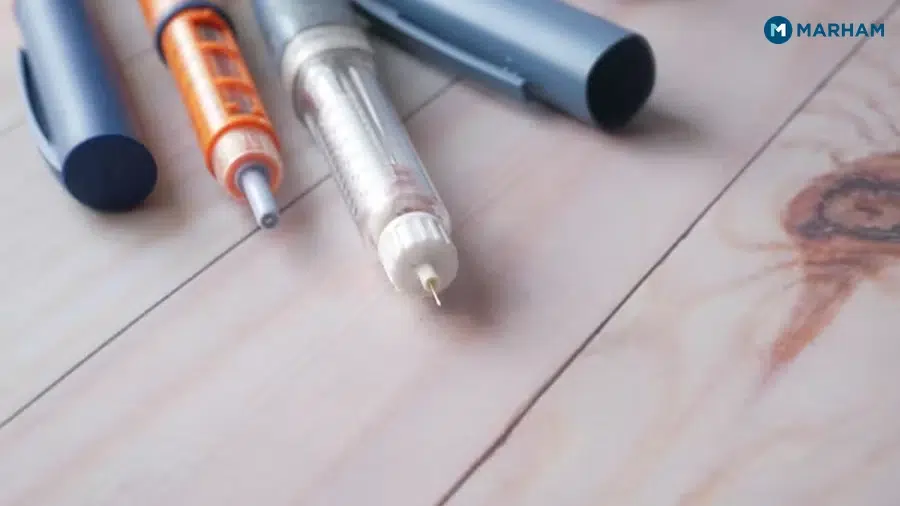
| Insulin needed | Always, from diagnosis | Sometimes, often later |
| Weight change | Sudden weight loss is common | Weight gain or unchanged |
| Reversibility | Not reversible | Often controllable with lifestyle |
This table is a guide, not a diagnosis. A doctor uses HbA1c, fasting glucose, and antibody tests to confirm the type.
When to See a Doctor for Diabetes Symptoms
Any of the nine warning signs above warrants a doctor visit if it lasts more than two weeks. Do not wait until you feel sick. Type 2 diabetes often shows no obvious symptoms until complications begin. Urgent triggers include very high thirst and urination, sudden weight loss, persistent fatigue, blurred vision, and slow-healing foot wounds.
Adults over 35 should get a fasting blood sugar test every two years even without symptoms. Adults with a family history of diabetes should start screening at 25. Consulting an endocrinologist or diabetologist in Pakistan is the right first step if any of the above signs appear.
Consult a Specialist on Marham
Managing diabetes well does not require an expensive hospital visit. Marham connects Pakistani patients with verified endocrinologists, diabetologists, and general physicians across Lahore, Karachi, Islamabad, and other cities — through in-person and online consultations.
If you have noticed any of the symptoms above, or have a family history of diabetes, getting screened is the right move. You can find a diabetes specialist in Pakistan on Marham and book an appointment at a time that suits you, without the long queues or referral hassle.
Frequently Asked Questions
What are the first signs of diabetes in Urdu?
ابتدائی علامات میں بار بار پیشاب آنا، شدید پیاس، غیر معمولی بھوک، تھکن، اور دھندلا نظر شامل ہیں۔ In English: the earliest signs are frequent urination (especially at night), constant thirst, persistent hunger, unexplained fatigue, and blurred vision. These signs build slowly, which is why many Pakistanis are diagnosed years after diabetes has already begun.
Can diabetes be reversed in Pakistan?
Type 2 diabetes can be put into remission in many cases, especially if caught early and addressed with sustained weight loss, dietary change, and exercise. Type 1 diabetes is not reversible and requires lifelong insulin. Working with an endocrinologist gives the best chance of remission or strong control.
What is the normal blood sugar range for Pakistanis?
Fasting blood sugar between 70 and 99 mg/dL is normal. Between 100 and 125 mg/dL is prediabetes. Above 126 mg/dL on two separate fasting tests confirms diabetes. HbA1c below 5.7 percent is normal, 5.7 to 6.4 is prediabetes, and 6.5 or higher is diabetes.
How much does a diabetes test cost in Pakistan?
An HbA1c test costs between Rs. 1,500 and Rs. 3,500 at most labs in Pakistan, depending on the lab and city. A fasting blood sugar test is cheaper, usually Rs. 200 to Rs. 600. Many labs offer diabetes profile packages that include both, plus kidney and lipid tests, for around Rs. 4,000 to Rs. 6,000.
Is diabetes hereditary in South Asians?
Yes, South Asians have a higher genetic risk for type 2 diabetes than most other populations. If a parent or sibling has it, your lifetime risk roughly doubles. Genetics is not destiny, however — diet, exercise, and weight management can lower the actual chance of developing the disease significantly.
Conclusion
Diabetes symptoms in Urdu and English are the same — frequent urination, excessive thirst, fatigue, blurred vision, and slow healing — and recognising them early is what separates a manageable condition from a life-changing complication. Pakistan now has the highest diabetes prevalence in the world, but the disease responds well to early diet, exercise, and medication when caught in time. A home glucose check, an HbA1c test once a year, and a timely visit to an endocrinologist are three habits that genuinely save lives.