

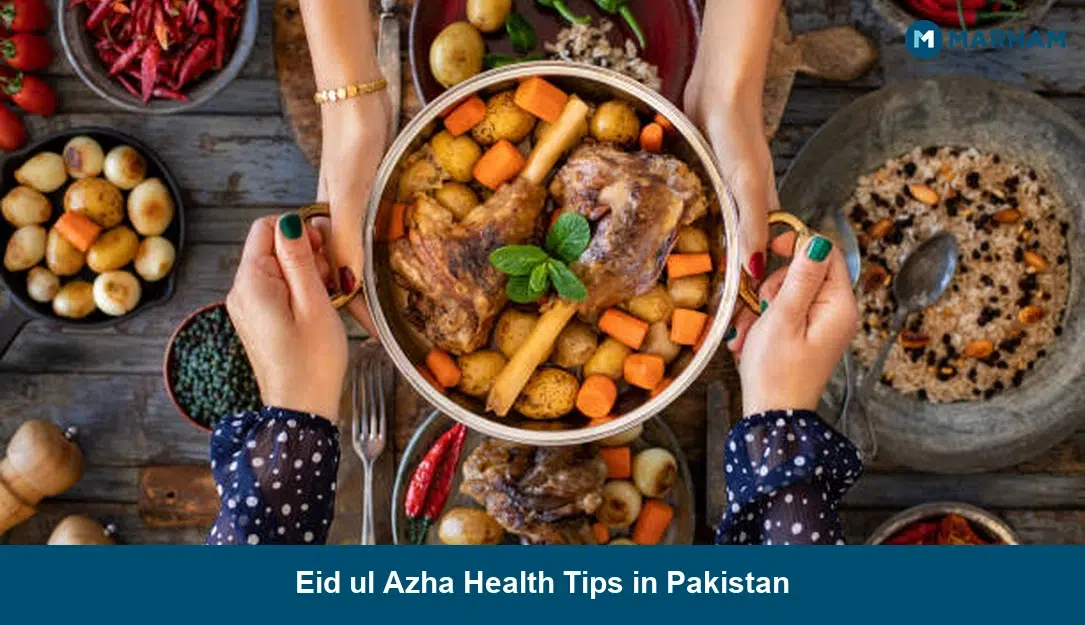
Eid ul Azha — Bari Eid as most Pakistani families call it — is one of the most joyful occasions of the year. The aroma of fresh qurbani gosht drifting from every kitchen, the sound of the takbeer in the morning, and the warmth of extended family gathered around a dastarkhwan piled high with karahi and nihari: it is a celebration that touches every sense.
The feasting, though, can take a toll. Pakistani hospitals in Karachi, Lahore, and Islamabad consistently report a spike in emergency visits in the days after Eid ul Azha — mostly stomach-related complaints, cholesterol flare-ups, and blood pressure crises tied to heavy, continuous meat eating. A gastroenterologist at Aga Khan University Hospital has noted that qurbani meat is best consumed in moderate, portion-controlled servings to reduce the risk of digestive and cardiovascular complications.
The good news is that a few sensible choices — how you cook, how much you eat, and how you store the meat — can make all the difference. The sections below cover the most practical health guidance for Pakistani families this Bari Eid.
عید الاضحیٰ: صحت کے اہم نکات
عید الاضحیٰ پر گوشت کا زیادہ استعمال ہاضمے کی خرابی، کولیسٹرول میں اضافے اور بلڈ پریشر کے مسائل کا باعث بن سکتا ہے۔ پاکستان میں ہر سال عید کے بعد اسپتالوں میں پیٹ کی بیماریوں اور دل کے مریضوں کی تعداد بڑھ جاتی ہے۔ گوشت کو ابال کر یا گرل کر کے کھانا، سبزیاں شامل کرنا اور روزانہ پیدل چلنا صحت کو محفوظ رکھنے میں مدد دیتا ہے۔ ذیابیطس، بلڈ پریشر یا دل کے مریض اپنے ڈاکٹر سے مشورہ کرنے کے بعد ہی گوشت کی مقدار طے کریں۔

Key Takeaways
- Red meat consumed in large quantities raises cholesterol, blood pressure, and uric acid levels.
- Boiling or grilling qurbani gosht is far healthier than deep-frying in ghee or oil.
- Pairing meat with raita, salad, or daal helps digestion and balances the meal.
- Patients with diabetes in Pakistan or hypertension should limit red meat portions and monitor their condition closely.
- Qurbani meat stored beyond three weeks in a standard home freezer carries a food-safety risk.
- A short post-meal walk of 15–20 minutes significantly aids digestion after heavy meat dishes.
Health Risks of Eating Too Much Meat on Eid ul Azha
Excessive red meat consumption during Eid ul Azha is the single biggest health concern for Pakistani families. Red meat is rich in saturated fats, which can raise LDL (bad) cholesterol levels and make it harder for the heart to pump blood normally. Eating large quantities of beef or mutton repeatedly over three to four days also elevates uric acid — a common trigger for gout — and puts extra strain on the kidneys.
Digestive problems are equally common. Large quantities of red meat are harder to digest and can cause bloating, acidity, and heartburn, particularly when combined with oily gravies, fried parathas, and cold drinks in the same sitting. Pakistani doctors in Rawalpindi and Karachi note that stomach ulcer cases register a sharp increase every year in the week after Eid ul Azha.
For people already managing chronic conditions, the risks are higher. Patients with heart disease, high blood pressure, or kidney problems should be especially careful about portion size and cooking method during the Eid days.
How to Cook Qurbani Meat the Healthy Way
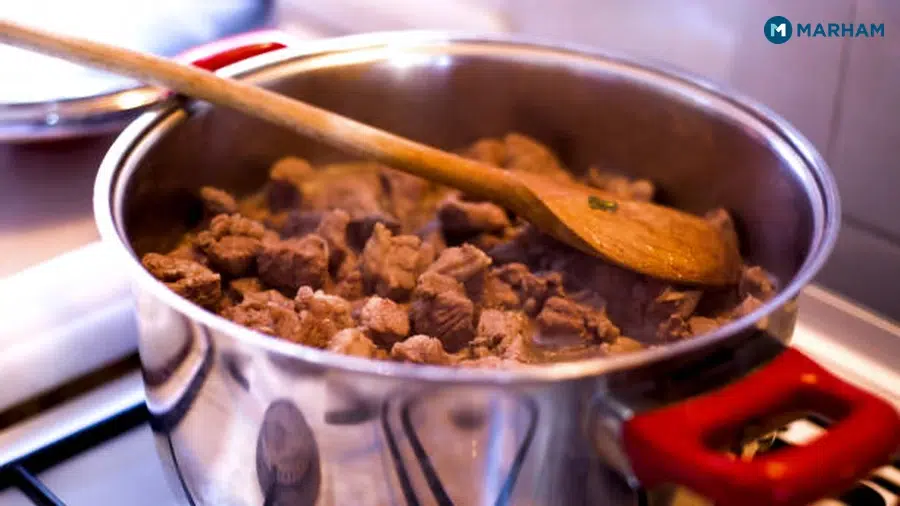
The cooking method matters as much as the quantity. Boiling or steaming qurbani gosht preserves the protein while significantly reducing the fat content compared to deep-frying. Grilling and charcoal-barbecuing are also good options — the fat drips away from the meat rather than being absorbed back in.
Here are practical steps to cook and eat qurbani meat more healthily:
- Trim visible fat from the meat before cooking. Mutton and beef both carry a layer of fat that adds saturated content unnecessarily.
- Boil or steam first when making karahi or qorma. Parboiling the meat and discarding the first water removes a significant amount of fat.
- Use minimal oil — qurbani meat has natural fat, so adding extra ghee or cooking oil doubles the caloric load.
- Add vegetables — onions, tomatoes, spinach, and green peppers alongside the meat improve fibre content and ease digestion.
- Marinate with vinegar or yoghurt before cooking. This tenderises the meat and reduces the need for heavy spices.
- Avoid pairing with cold drinks. Fizzy drinks with spicy, oily meat dishes slow digestion and increase acidity. Plain water, lassi, or mint-infused water are better choices.
- Serve with raita or salad. A yoghurt-based raita or a simple kachumber salad balances the heaviness of meat dishes and supports gut health.
Safe Storage of Qurbani Meat in Pakistan
Meat storage is a genuine health hazard in Pakistan, where loadshedding can interrupt refrigeration for hours at a time. Health experts advise distributing a large portion of qurbani meat to neighbours, family, and those in need — not only because it fulfils the religious obligation but also because it reduces the amount stored at home.
For the meat you do keep, clean and portion it into meal-sized bags before freezing. Meat stored in a standard home freezer beyond three weeks begins to lose quality and can harbour bacterial growth, particularly if it has thawed and been re-frozen during a power outage. Organ meats — liver, kidneys, and brain — should be consumed within the first two days and never stored for extended periods.
| Meat Type | Safe Fridge Storage | Safe Freezer Storage |
|---|---|---|
| Beef / Mutton (raw) | 1–2 days | Up to 3 weeks |
| Organ meats (liver, kidneys) | 1 day | 3–4 days |
| Cooked meat dishes | 2–3 days | Up to 1 week |
| Minced meat (qeema) | 1 day | 1–2 weeks |
Eid ul Azha Diet Tips for Patients with Diabetes or High Blood Pressure
Patients managing diabetes or hypertension in Pakistan face a particularly tricky few days during Eid ul Azha. The combination of rich, salty, fatty meat dishes, irregular meal timings, and skipped medications can destabilise blood sugar and blood pressure quickly.
Endocrinologists and general physicians in Pakistan typically advise these patients to limit red meat to one modest serving per day, avoid fried foods entirely, keep medication schedules unchanged, and drink at least eight glasses of water daily. Salty marinades and heavy spice mixes should be reduced, as excess sodium directly raises blood pressure.
A short post-meal walk of 15–20 minutes after each main meal helps regulate blood sugar and aids digestion — a habit that is easy to build into Eid’s natural rhythm of visiting relatives on foot.
Consult a Specialist on Marham
If you or a family member has a chronic condition — heart disease, diabetes, kidney disease, or high cholesterol — it is worth speaking to a specialist before Eid ul Azha rather than waiting for a problem to develop. A brief consultation can help you understand exactly how much meat is safe for your specific situation and whether any medication adjustments are needed over the holiday period.
Marham makes it straightforward to connect with a verified gastroenterologist in Pakistan or endocrinologist in Pakistan through an online or in-clinic appointment — without the wait that comes with walk-in hospital visits during Eid. If you experience persistent abdominal pain, chest discomfort, or a sudden spike in blood pressure during the Eid days, reaching out through Marham can help you get timely guidance from a qualified doctor.
Frequently Asked Questions
How much red meat is safe to eat on Eid ul Azha?
Most nutrition guidelines suggest no more than 350–500 grams of red meat per week for a healthy adult. On Eid ul Azha, the temptation is to exceed that in a single day. Keeping each serving to roughly the size of your palm — and balancing it with vegetables, salad, or daal — is a practical way to enjoy the celebration without overdoing it.
What are the health risks of eating too much meat during Eid?
Overeating red meat during Eid ul Azha can raise cholesterol and blood pressure, trigger digestive problems like bloating and acidity, elevate uric acid (which causes gout), and worsen existing conditions like diabetes or kidney disease. Pakistani hospitals in major cities report increased admissions for stomach-related and cardiac complaints in the days immediately after Eid.
How should I store qurbani meat safely in Pakistan?
Portion the meat into meal-sized bags and freeze promptly. Raw beef and mutton can be safely stored in a home freezer for up to three weeks, provided there are no prolonged power cuts. Organ meats should be eaten within the first two days. Avoid refreezing meat that has thawed during loadshedding, as this increases the risk of bacterial contamination.
Can heart or blood pressure patients eat meat on Eid ul Azha?
Yes, in moderation. Patients with heart disease or hypertension should choose leaner cuts, opt for boiled or grilled preparation rather than fried, and limit themselves to one small serving per day. They should continue their regular medications without interruption and avoid high-sodium marinades and heavy spice mixes. Consulting a cardiologist before Eid is advisable for anyone with a recent cardiac event.
When should I see a doctor after Eid ul Azha?
Seek medical attention if you experience severe or persistent abdominal pain, vomiting, signs of food poisoning (fever, diarrhoea), chest pain or tightness, or a significant rise in blood pressure readings. Patients with diabetes who notice unusual blood sugar swings that do not settle within a day should also consult a doctor promptly. A gastroenterologist in Pakistan can assess digestive complaints, while a cardiologist or endocrinologist can help manage cardiac or metabolic concerns.
Conclusion
Eid ul Azha is a time of gratitude, generosity, and togetherness for Pakistani families — and the food is a genuine part of that joy. Eating mindfully, cooking the meat in healthier ways, storing it properly, and staying active over the Eid days means you can fully enjoy the celebration without paying for it with your health in the days that follow.