


You’re squinting at your phone, your temples are pounding, and you’re not sure if you should pop a Panadol or call your doctor. Knowing the difference between a migraine vs headache can save you hours of suffering and prevent you from missing work, school, or family time. While almost everyone gets a headache now and then, migraines are a different beast — a neurological condition affecting roughly 1.16 billion people worldwide and 22.5% of adults in Pakistan. This guide breaks down the symptoms, causes, triggers, and red flags, so you can recognise what’s happening in your head and act on it.
What Is a Headache?
A headache is pain or pressure that develops anywhere in the head, scalp, or neck. Most headaches are primary, meaning they aren’t caused by another medical condition. They usually go away with rest, hydration, or basic over-the-counter medication.
Headaches feel different to different people. Some describe a dull squeeze around the forehead, others feel sharp pressure behind the eyes, and a few feel a band tightening across the back of the head.
Common Types of Headaches
There are over 150 types of headaches, but in everyday Pakistani households, three account for the majority of cases.
- Tension-type headache: A dull, steady pressure on both sides of the head, often described as a tight band. It is usually triggered by stress, screen time, neck strain, or poor posture.
- Sinus headache: Pressure and pain across the forehead, cheeks, and bridge of the nose, often during seasonal allergies or after a cold.
- Cluster headache: Severe, burning pain around one eye, occurring in clusters over weeks. Less common but extremely intense.
According to the Cleveland Clinic, tension-type headaches are the most common form of primary headache and affect a majority of adults at some point in their lives [Source: Cleveland Clinic].
What Is a Migraine?
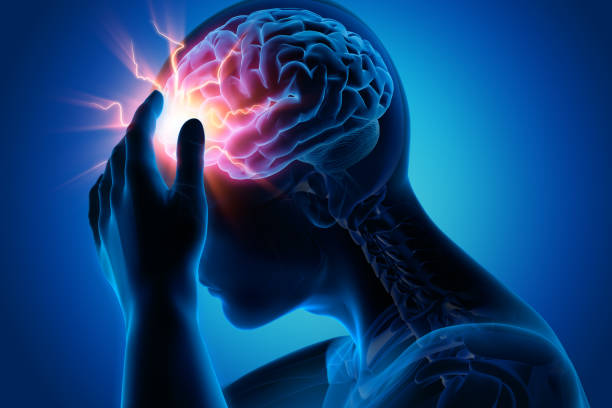
A migraine is not just a “bad headache.” It is a neurological disorder that involves changes in brain activity, blood vessels, and nerve signalling. The pain is usually moderate to severe and is often accompanied by nausea, vomiting, and sensitivity to light, sound, or smell.
The Global Burden of Disease Study 2021 found that migraine is one of the most disabling neurological conditions globally and a leading cause of disability among children, adolescents, and adults under 60 [Source: GBD 2021, Pain and Therapy, 2024].
In Pakistan, a national door-to-door survey by Herekar et al. found a one-year migraine prevalence of 22.5% in adults — significantly higher than the 15% global average. Female-to-male prevalence is roughly three to one.
The 4 Phases of a Migraine Attack
Unlike an ordinary headache, a migraine moves through up to four phases. Not everyone experiences all of them.
- Prodrome (early warning): Hours or even days before the pain hits, you may feel fatigued, irritable, or unusually thirsty. Around 77% of migraine patients report prodromal symptoms.
- Aura: About 25% of migraineurs see flashing lights, zigzag lines, or blind spots. Aura usually lasts under an hour.
- Headache: Throbbing, pulsing pain — often on one side — that lasts 4 to 72 hours.
- Postdrome (migraine hangover): A foggy, drained feeling that can linger for a full day.
Migraine vs Headache: Key Differences at a Glance
The fastest way to tell a migraine from a regular headache is to look at three things: the kind of pain, the symptoms beside the pain, and how long it lasts.
- Pain location: Tension headache is bilateral. Migraine is usually one-sided.
- Pain quality: Tension headache is dull and pressing. Migraine is throbbing and pulsing.
- Duration: Tension headache lasts 30 minutes to a few hours. Migraine lasts 4 to 72 hours.
- Other symptoms: Tension headache rarely brings nausea. Migraine often brings nausea, light sensitivity, or sound sensitivity.
- Daily impact: A tension headache lets you function. A migraine often forces you to lie down in a dark room.

Symptoms Side-by-Side: Migraine vs Tension Headache
Symptom checking is the cheapest diagnostic tool you have. Use this list to compare how your head feels right now.
Migraine symptoms include:
- Throbbing or pulsing pain, often on one side
- Nausea or vomiting
- Sensitivity to light (photophobia) and sound (phonophobia)
- Vision changes such as flashes or blind spots
- Dizziness or light headedness
- Pain that worsens with movement or routine activity
Tension headache symptoms include:
- Dull pressure or tightness on both sides of the head
- Tenderness in the neck, shoulders, or scalp
- No nausea or visual disturbance
- Pain that does not worsen with movement
- Mild to moderate intensity
If two or more migraine-style symptoms apply to you regularly, it’s time to consult a neurologist.
Common Migraine Triggers (Especially in Pakistan)
Migraine triggers are personal, but several patterns repeat across Pakistani patients. Tracking yours in a simple diary for two weeks is the single most useful thing you can do.
- Heat and dehydration: Summer temperatures above 40°C and inadequate water intake are major culprits, especially in cities like Karachi, Multan, and Jacobabad.
- Smog and air pollution: Lahore winters, with AQI often above 300, regularly trigger migraine episodes.
- Skipped meals: Long fasting hours, irregular eating, or low blood sugar can spark an attack. Many patients see flare-ups during Ramadan.
- Sleep changes: Both too little and too much sleep can trigger migraines.
- Hormonal shifts: Many women experience migraines around menstruation, pregnancy, or menopause.
- Stress and screen overload: Long hours on phones, laptops, and harsh fluorescent office lighting are common triggers.
- Food and drink: Aged cheese, processed meats, MSG-heavy fast food, dark chocolate, and excessive chai or coffee can trigger sensitive individuals.
- Strong smells: Petrol fumes, perfumes, and cigarette smoke can set off attacks.
How Migraines Are Diagnosed
There is no single blood test or scan for migraine. Diagnosis is clinical, meaning your doctor relies on your history and symptom pattern. A neurologist will typically ask about:
- The location, duration, and quality of your pain
- Triggers and family history (migraine often runs in families)
- Associated symptoms like nausea or visual changes
- How attacks affect your daily life
Imaging such as MRI or CT scans is reserved for atypical or red-flag cases. According to the Mayo Clinic, a neurological exam combined with a detailed headache diary is usually enough to confirm migraine [Source: Mayo Clinic].
Treatment Options for Migraines and Headaches
Treatment depends on the type, severity, and frequency of your attacks. Most plans combine acute relief with long-term prevention.
For tension headaches, simple steps usually work — paracetamol or ibuprofen, hydration, neck stretches, and reducing screen time.

For migraines, treatment is more layered.
- Acute (rescue) medications: Triptans, NSAIDs, and anti-nausea drugs taken at the first sign of an attack.
- Preventive medications: Beta-blockers, certain antidepressants, anticonvulsants, or newer CGRP inhibitors for chronic sufferers.
- Lifestyle changes: Regular sleep, hydration, stress management, and trigger avoidance.
- Non-drug therapies: Cold compresses, biofeedback, acupuncture, and Botox for chronic migraine.
Self-medicating with painkillers more than a few days a week is risky and can cause medication-overuse headaches. Always consult a doctor before starting daily painkillers.
Red-Flag Symptoms — When a Headache Is an Emergency
Most headaches are benign. But some signal a medical emergency that needs immediate care. Doctors call these the SNOOP red flags.
- Sudden, thunderclap headache — peaks within seconds. Could indicate brain bleed.
- Neurological symptoms — slurred speech, weakness, numbness, confusion, or vision loss.
- Onset after age 50 with no prior headache history.
- Other systemic illness — fever, rash, weight loss, or cancer history.
- Pattern change — your usual headaches suddenly feel different or worse.
If any of these apply, do not wait. Visit the nearest emergency room immediately.
Lifestyle Tips to Reduce Migraine Attacks
Consistency is the migraine sufferer’s best friend. Small habits, repeated daily, can cut attack frequency in half.
- Drink at least 2 to 3 litres of water a day, more in summer.
- Sleep and wake at the same time every day, even on weekends.
- Eat balanced meals at regular times — never skip breakfast.
- Limit caffeine to one cup a day.
- Take screen breaks every 20–30 minutes.
- Practise 10 minutes of breathing or meditation daily.
- Track your triggers in a headache diary or app.
- Avoid known dietary triggers once identified.
Frequently Asked Questions
Is migraine more dangerous than a headache?
Migraine is not life-threatening, but it is far more disabling than an ordinary headache. Chronic migraine can affect work, education, mental health, and relationships, and it raises the long-term risk of stroke in some women with aura.
How can I tell if I have a migraine or a regular headache?
A regular headache is usually mild to moderate, on both sides, and goes away with rest or paracetamol. A migraine is moderate to severe, often one-sided, throbbing, and comes with nausea, light, or sound sensitivity.
Can migraines be cured permanently?
There is no permanent cure, but most people can control migraines very well with the right combination of trigger management, lifestyle changes, and medication.
What food triggers migraines the most?
Aged cheese, processed meats containing nitrates, MSG, dark chocolate, alcohol (especially red wine), and excessive caffeine are the most reported food triggers.
When should I see a doctor for headaches?
See a doctor if your headaches occur more than twice a week, last over 24 hours, disrupt your sleep or work, do not respond to OTC medication, or change in pattern.
When to Consult a Neurologist
If your headaches are frequent, severe, or interfering with your daily life, don’t keep guessing. A neurologist can confirm whether you have migraine, identify your triggers, and build a treatment plan that actually works.
Book a consultation through Marham today and take the first real step toward fewer attacks and better days.
