

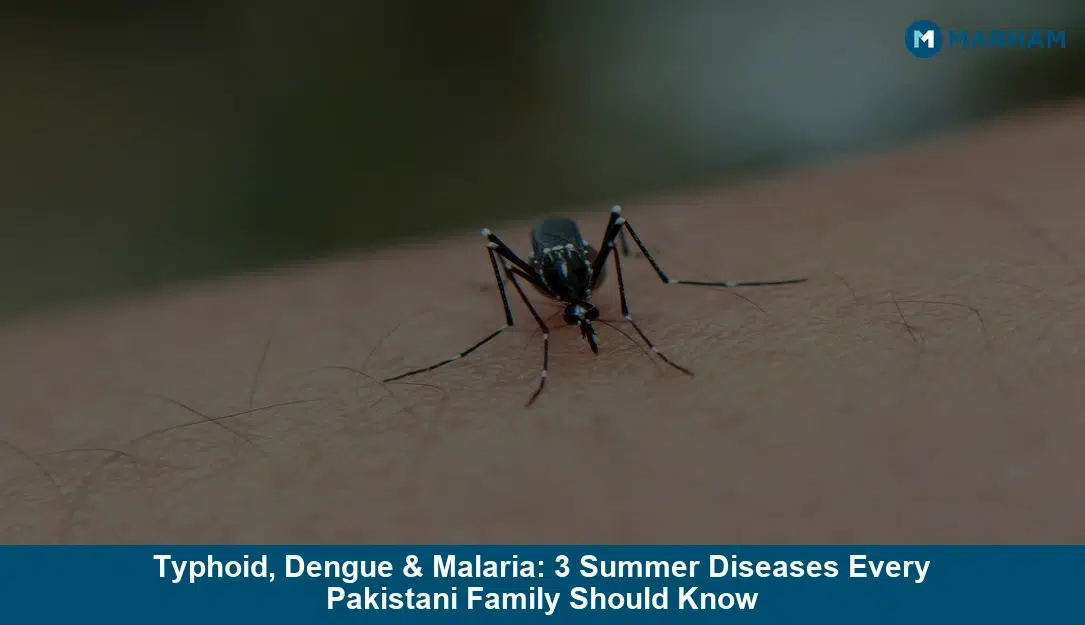
Every Pakistani summer brings a surge in three serious diseases: typhoid, dengue, and malaria. Recognising typhoid symptoms early — along with those of dengue and malaria — can mean the difference between a simple recovery and a life-threatening hospital stay. These three illnesses share one feature: a high fever that keeps returning. Yet each has different causes, different treatments, and different dangers. This guide explains what every Pakistani family should know between May and September, when cases peak.
According to the National Institute of Health Pakistan, typhoid cases rise 3x in summer, while dengue and malaria outbreaks are tied directly to post-monsoon stagnant water [Source: NIH Pakistan, 2024]. A single mosquito breeding site can infect dozens of neighbours.
1. Typhoid Fever: The Silent Summer Threat
Typhoid is a bacterial infection caused by Salmonella typhi, spread through contaminated food and water. Summer conditions — poor refrigeration, unclean water, and street food — create the perfect storm. Pakistan also has the world’s first extensively drug-resistant (XDR) typhoid strain, first identified in Hyderabad in 2016, which makes prompt diagnosis critical.
Typhoid Symptoms
- Stepwise rising fever, often reaching 39–40°C by the end of the first week
- Severe headache
- Weakness and extreme fatigue
- Loss of appetite and weight loss
- Abdominal pain and bloating
- Constipation or diarrhoea (children more often have diarrhoea)
- Dry cough
- Rose-coloured spots on the chest or abdomen (sometimes)
- Confusion in severe cases (‘typhoid state’)
Typhoid fever classically lasts 3–4 weeks without treatment. With the right antibiotics, most patients recover fully within 7–10 days.
Diagnosis and Treatment
Typhoid is confirmed with a blood culture (gold standard), sometimes supported by the Widal test, though the latter is less reliable. Treatment requires antibiotics — but because of XDR strains, the doctor may need specific drugs like azithromycin or carbapenems. Self-medicating with old antibiotics is dangerous and fuels resistance.
Prevention
- Drink only boiled, filtered, or bottled water
- Avoid ice, cut fruits, and salads from unknown sources
- Wash hands thoroughly before eating and after using the toilet
- Get the typhoid conjugate vaccine (TCV) — given free to Pakistani children in the EPI schedule and available for adults
- Avoid street food during high-risk months
2. Dengue Fever: The Post-Monsoon Danger
Dengue is a viral infection spread by the Aedes aegypti mosquito, which bites during the day and breeds in clean, stagnant water. In Pakistan, dengue outbreaks traditionally peak from August to November, but climate change has extended the season. Punjab’s 2011 epidemic infected over 21,000 people and killed more than 350.
Dengue Symptoms
- Sudden high fever (up to 40°C) lasting 2–7 days
- Severe headache, especially behind the eyes
- Intense muscle and joint pain (nicknamed ‘breakbone fever’)
- Nausea and vomiting
- Skin rash appearing 3–4 days after the fever starts
- Mild bleeding from the nose or gums
Warning Signs of Severe Dengue (Emergency)
- Severe abdominal pain
- Persistent vomiting
- Bleeding under the skin (purple spots) or from the nose/gums
- Rapid breathing, cold hands and feet
- Sudden drop in platelet count
- Restlessness or confusion
These symptoms appear usually as the fever starts to drop — a dangerous time when many patients mistakenly think they’re recovering. Dengue shock syndrome can be fatal within hours.
Treatment
There is no specific antiviral for dengue. Treatment focuses on hydration, rest, and paracetamol for fever. NEVER give aspirin or ibuprofen — they increase bleeding risk. Hospital admission is required if platelet counts fall or warning signs develop.
Prevention
- Remove standing water from flowerpots, coolers, tyres, and rooftops weekly
- Cover water storage tanks tightly
- Use mosquito repellent with DEET, picaridin, or lemon eucalyptus oil
- Install window screens and use bed nets
- Wear long sleeves and trousers, especially at dawn and dusk
- Report stagnant water in your neighbourhood to local authorities
3. Malaria: Still a Major Threat in Rural Pakistan
Malaria is caused by Plasmodium parasites spread by night-biting Anopheles mosquitoes. Despite major control efforts, Pakistan still reports over 3.4 million cases annually, concentrated in Balochistan, Sindh, and southern Khyber Pakhtunkhwa [Source: WHO Pakistan, 2023]. The 2022 floods worsened the outbreak significantly.
Malaria Symptoms
- Cyclic fever that spikes every 48–72 hours
- Severe chills and shivering (the ‘cold stage’)
- Heavy sweating followed by fatigue
- Headache and body aches
- Nausea, vomiting, and diarrhoea
- Jaundice (yellow eyes) in severe cases
- Anaemia and weakness
Severe Malaria Warning Signs
- Confusion or seizures
- Difficulty breathing
- Dark urine (blackwater fever)
- Very low blood pressure
- Falciparum malaria — the most dangerous type — can kill within 24 hours
Diagnosis and Treatment
A blood smear or rapid diagnostic test (RDT) confirms malaria and identifies the species. Treatment depends on the species: chloroquine for vivax malaria, artemisinin-combination therapy (ACT) for falciparum. Never stop medication early — incomplete treatment causes relapse and drug resistance.
Prevention
- Sleep under insecticide-treated bed nets
- Use long-lasting mosquito repellents after sunset
- Install window screens
- Clear stagnant water and overgrown vegetation near the home
- Take prophylactic medication if travelling to high-risk areas (consult a doctor)
How to Tell Them Apart
All three diseases cause high fever, but key differences help guide early diagnosis:
- Typhoid: stepwise rising fever, abdominal symptoms, no rash early on
- Dengue: sudden very high fever, severe body aches, rash after day 3, platelet drop
- Malaria: cyclic fever with chills and sweats, history of mosquito exposure, anaemia
Only proper blood tests can confirm the diagnosis. Any fever lasting more than 2–3 days deserves a doctor’s visit, not self-medication.
When to See a Doctor
- Any fever lasting more than 48 hours
- Fever with severe headache, vomiting, or rash
- Fever in children under 5, pregnant women, or the elderly
- Fever with bleeding, confusion, or difficulty breathing
- Fever after travel to a known dengue or malaria zone
Early testing dramatically improves outcomes. You can book an online consultation with a general physician or infectious disease specialist on Marham and arrange lab tests from home.
Frequently Asked Questions
Can I have typhoid and dengue at the same time?
Yes, co-infection is increasingly common in Pakistan. Symptoms overlap and make diagnosis tricky. Always get both tests if fever persists in a co-infection-prone area.
Is there a vaccine for dengue or malaria?
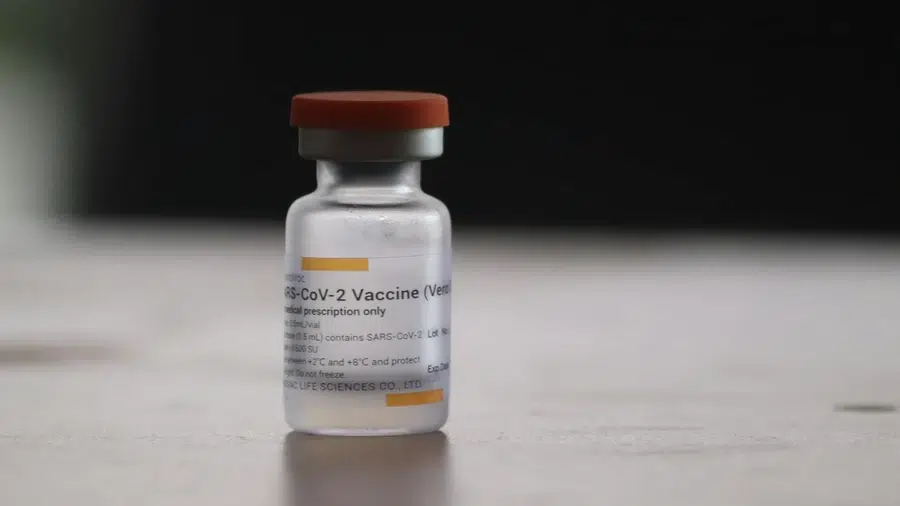
A dengue vaccine exists but is recommended only for people previously infected. A malaria vaccine (RTS,S) is currently being rolled out in parts of Africa, but not yet routinely available in Pakistan. Prevention remains the best defence.
How long does recovery take?
Typhoid: 1–2 weeks with proper antibiotics. Dengue: 1–2 weeks, though weakness can last a month. Malaria: recovery in days if treated early; weeks for severe cases.
Can I prevent all three with one mosquito repellent?
Repellents stop dengue and malaria but not typhoid (which is food/waterborne). You need mosquito precautions AND safe water and food practices for complete summer protection.
Protect Your Family This Summer
Typhoid, dengue, and malaria share one enemy: delay. The earlier you get tested, the better the outcome. Boil your drinking water, cover your storage tanks, use mosquito repellent, and never ignore a fever that won’t break. If anyone in your family develops a high or persistent fever, book an online consultation with a Marham doctor the same day — because in summer, hours matter.