
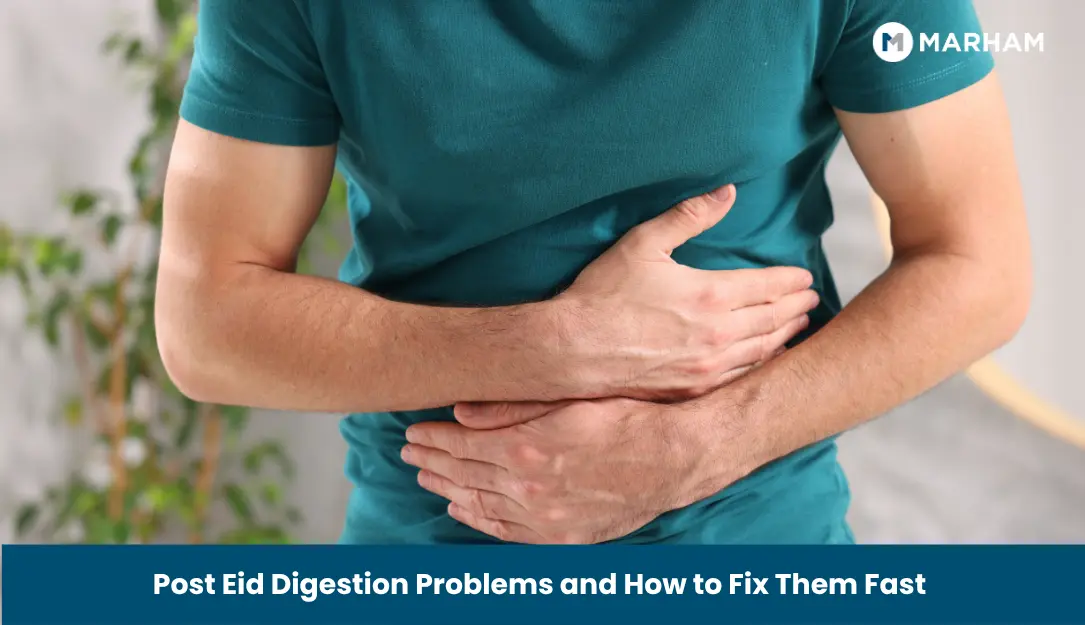
Eid just ended, and if your stomach feels like it has been through a war, you are not alone. After 30 days of disciplined fasting during Ramadan, most Pakistani families spend the next 3 days eating sewaiyan for breakfast, biryani for lunch, mithai at every relative’s house, and fried snacks in between. Your digestive system, which had adjusted beautifully to the Ramadan routine, suddenly gets hit with a tsunami of rich, heavy food.
The result? Bloating, acidity, stomach cramps, nausea, diarrhea, and that heavy, sluggish feeling that makes you want to lie on the sofa all day. Pakistani hospitals report a noticeable spike in digestive complaints every year in the days right after Eid ul Fitr.
The good news is that your stomach can recover quickly if you follow the right steps. Here is exactly how to fix post Eid digestion problems and get back to feeling normal within a few days.
Why Your Stomach Suffers After Eid

Understanding the problem helps you fix it faster. During Ramadan, your body adapts to eating smaller meals at specific times. Your metabolism slows down, your stomach shrinks slightly, and your digestive enzymes adjust to a predictable pattern. Then Eid arrives and everything changes overnight.
You go from controlled, timed meals to multiple heavy meals across the day. Your stomach, which was handling light iftars and suhoors, suddenly has to process biryani, korma, halwa puri, gulab jamun, and sheer khurma all within hours. Your digestive system simply cannot keep up.
On top of that, dehydration from Ramadan may not have fully resolved. Most people also skip water during Eid celebrations, replacing it with cold drinks and sugary sharbats that make things worse. The combination of overeating, dehydration, excessive sugar, and lack of physical activity creates the perfect storm for post Eid digestion problems.
Common Post Eid Stomach Issues
Most Pakistanis experience one or more of these symptoms after Eid. Bloating and gas are the most common complaints, caused by overeating and consuming too many fried foods in a short period. Acidity and heartburn happen when rich, spicy foods trigger excess stomach acid production. Constipation occurs because heavy food with low fiber slows down your digestive tract. Diarrhea can hit if you have eaten food that was stored improperly during the Eid rush or if your stomach is simply overwhelmed. Nausea and heaviness are your body’s way of telling you it needs a break from heavy meals. Fatigue and sluggishness happen because your body is using all its energy to digest, leaving you feeling drained.
If you are experiencing any of these right now, the following steps will help you recover.
How to Recover Your Digestion After Eid
Start With a Light, Simple Breakfast Tomorrow
The single most important thing you can do is stop the cycle of heavy eating immediately. Tomorrow morning, skip the leftover sewaiyan and start with something gentle. A bowl of plain dahi (yogurt) with a banana, or a small portion of daliya (porridge) with honey. Your stomach needs easy to digest foods to reset itself. Think of it like easing into a warm pool instead of jumping into cold water.
Drink Warm Water Throughout the Day
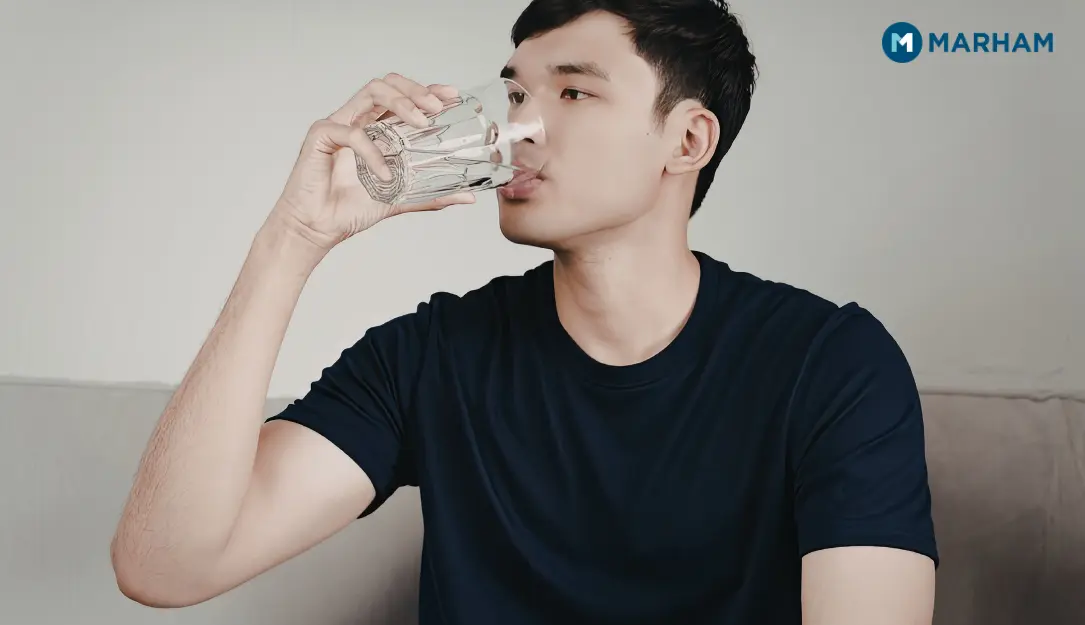
This is the simplest and most effective remedy for post Eid digestion problems. Warm water helps your digestive system break down food, reduces bloating, and keeps things moving through your intestines. Drink a glass of warm water first thing in the morning before eating anything. Then keep sipping warm or room temperature water throughout the day. Avoid ice cold water and fizzy drinks for at least 3 to 4 days.
Add Ajwain (Carom Seeds) Water for Quick Relief
If you are dealing with gas, bloating, or stomach cramps right now, ajwain water is your best friend. Boil one teaspoon of ajwain in a glass of water for 5 minutes, strain it, and drink it warm. This is one of the most trusted desi remedies for stomach problems and works within 15 to 20 minutes for most people. You can drink this 2 to 3 times a day after meals.
Eat Dahi and Probiotics
Your gut bacteria have been disrupted by the sudden dietary changes. Dahi (plain yogurt) and lassi contain natural probiotics that help restore healthy bacteria in your digestive system. Have a small bowl of plain dahi with lunch and dinner for the next few days. Avoid sweetened or flavored yogurt as the added sugar will make things worse.
Go for a 20 Minute Walk After Meals
Lying down after a meal is the worst thing you can do for digestion, yet it is exactly what most people do after Eid feasting. A simple 20 minute walk after lunch or dinner helps food move through your digestive tract, reduces bloating, and prevents that uncomfortable heaviness. Even walking around your house or neighborhood counts.
Avoid Reheated Fried Foods and Leftovers
This is a big one that many families overlook. Eid leftovers, especially fried foods and meat dishes that have been stored and reheated multiple times, are a major cause of stomach infections and diarrhea after Eid. If food has been sitting out for more than 2 hours or has been reheated more than once, it is safer to discard it. Improperly stored food, especially in Pakistan’s warm March weather, can breed harmful bacteria quickly.
Follow a 3 Day Recovery Meal Plan
Give your stomach a proper recovery window. For the next 3 days, keep your meals light and simple. Focus on khichdi, daal chawal, grilled or boiled chicken, fresh salads, seasonal fruits, and plenty of water. Avoid heavy curries, fried foods, mithai, and cold drinks during this period. By day 3 or 4, your digestion should feel noticeably better and you can gradually return to your normal eating pattern.
عید کے بعد پیٹ کی تکلیف کا علاج
عید کے بعد پیٹ میں گیس، تیزابیت، قبض، اور بھاری پن بہت عام شکایات ہیں۔ رمضان میں جسم ہلکی خوراک کا عادی ہو جاتا ہے اور عید پر اچانک بھاری کھانے سے نظام ہاضمہ متاثر ہوتا ہے۔ اس کے علاج کے لیے کل سے ہلکا ناشتہ کریں جیسے دہی اور پھل۔ گرم پانی دن بھر پیتے رہیں۔ اجوائن کا پانی گیس اور پھولے ہوئے پیٹ کے لیے فوری آرام دیتا ہے۔ کھانے کے بعد 20 منٹ ضرور چہل قدمی کریں۔ باسی اور بار بار گرم کیا ہوا کھانا نہ کھائیں۔ اگلے 3 دن کھچڑی، دال چاول، اور سادہ خوراک پر رہیں۔ اگر تکلیف 3 دن سے زیادہ رہے تو فوری طور پر ڈاکٹر سے رجوع کریں۔
When to See a Doctor
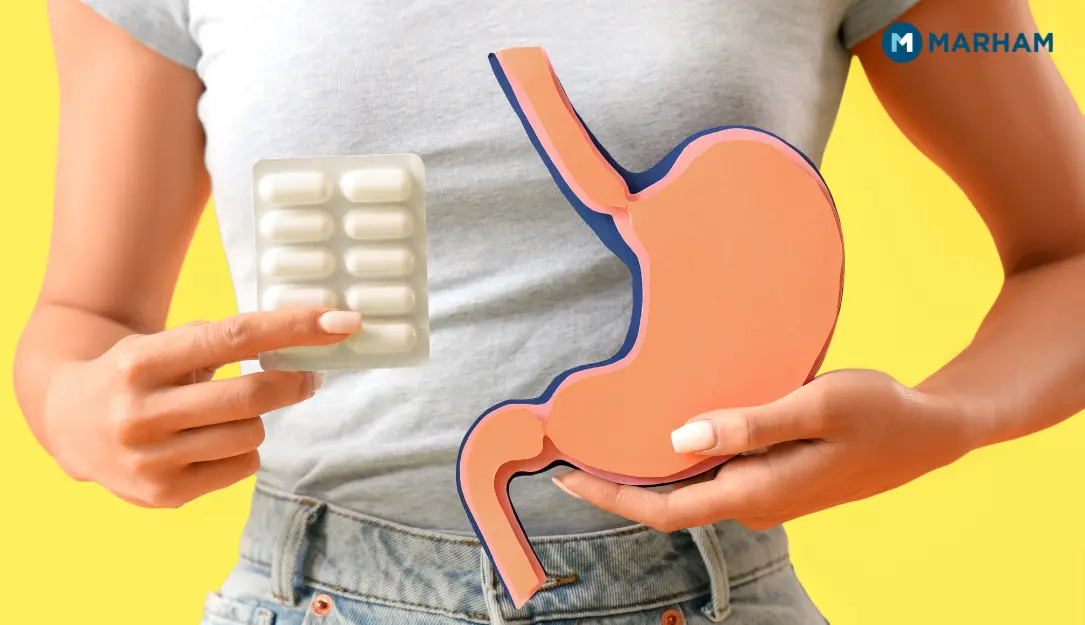
Most post Eid digestion problems resolve on their own within 2 to 3 days with the steps above. However, you should consult a doctor immediately if you experience severe abdominal pain that does not go away, blood in your stool or vomit, high fever along with stomach symptoms, diarrhea lasting more than 3 days, or signs of dehydration like dizziness, dry mouth, and dark urine. These could indicate a stomach infection or food poisoning that needs medical treatment rather than just home remedies.
Consult a Gastroenterologist
If your post Eid digestion problems are not improving or if you have a pre existing condition like diabetes, IBS, or acid reflux that has flared up after the Eid feasting, a gastroenterologist can provide proper diagnosis and treatment.
Book an appointment with a gastroenterologist through Marham to get expert guidance and recover faster.
Call: 0311-1222398 | Visit: marham.pk
Conclusion
Post Eid digestion problems are extremely common in Pakistan and almost every household deals with them. The key is to stop the heavy eating cycle immediately, switch to light and simple foods, stay hydrated with warm water, and give your digestive system 3 to 4 days to recover. Simple remedies like ajwain water, plain dahi, and gentle walks can make a massive difference. Your stomach took care of you during Ramadan. Now it is time to take care of it after Eid.