


Have you ever noticed how every health-conscious person in Pakistan eventually switches from regular doodh patti to green tea? There is a reason سبز چائے (Sabz Chai) has earned its spot in kitchens from Lahore to Karachi. Green tea benefits go far beyond just weight loss, and once you understand what this simple drink can do for your body, you will want to make it a daily habit too.
Whether you are sipping it during sehri to stay energized through your Ramadan fast or drinking it after a heavy biryani dinner, green tea is one of the easiest health upgrades you can make. In this guide, we will cover the top 10 green tea benefits, its side effects, how to use it with lemon, its advantages for your skin, and everything you need to know before making it part of your routine.
Green Tea Nutrition Facts
| Nutrient | Amount (per 240ml cup) | Daily Value |
| Calories | 2.5 kcal | <1% |
| Caffeine | 25-50 mg | — |
| EGCG (Catechin) | 50-100 mg | — |
| L-Theanine | 20-30 mg | — |
| Vitamin C | 5 mg | 6% |
| Potassium | 20 mg | <1% |
| Fluoride | 0.3-0.5 mg | — |
| Manganese | 0.5 mg | 22% |
Notable: Green tea contains up to 30% polyphenols by weight, including high concentrations of EGCG, one of the most powerful natural antioxidants ever studied.
10 Proven Green Tea Benefits You Should Know

1. Packed With Powerful Antioxidants
One of the biggest green tea benefits is its incredibly high antioxidant content. The catechins in sabz chai, especially EGCG, fight free radicals that damage your cells and speed up aging. Research shows that these antioxidants are more potent than both vitamin C and vitamin E in protecting your body. Think of it as a protective shield you drink every morning. For anyone living in polluted cities like Lahore or Karachi, this antioxidant boost is especially valuable for your lungs and skin.
2. Helps With Weight Management
If you are trying to lose weight after wedding season or before Eid, green tea can give your metabolism a real push. Studies show that the combination of caffeine and catechins in green tea increases fat burning by 10-17% during exercise. It is particularly effective at reducing stubborn belly fat that desi food tends to build up around the midsection. Drinking a cup 30 minutes before your morning walk can make your workout noticeably more effective. Of course, green tea alone will not cancel out a plate of nihari and naan, but paired with a balanced diet, it truly helps.
3. Supports Heart Health
Heart disease is the leading cause of death in Pakistan, and green tea benefits your cardiovascular system in multiple ways. Regular consumption has been linked to lower LDL cholesterol and triglyceride levels, both major risk factors for heart attacks. A large Japanese study of over 40,000 people found that those who drank five or more cups daily had a 26% lower risk of death from heart attack or stroke. The antioxidants in sabz chai also prevent the oxidation of LDL cholesterol, which is what makes it dangerous in the first place. Adding green tea to your routine alongside reducing fried food intake can make a meaningful difference for your heart.
4. Green Tea Benefits for Skin Glow and Anti-Aging
Here is something that will catch your attention: green tea benefits for skin are backed by serious science. The polyphenols in green tea protect your skin from UV damage, reduce inflammation, and slow down the signs of aging. Studies indicate that EGCG can actually reactivate dying skin cells, helping your skin look fresher and more youthful. Many Pakistani women already use green tea bags as under-eye compresses, and for good reason. Whether you drink it or apply it topically, sabz chai gives your skin a natural glow that no expensive cream can match.
5. Boosts Brain Function and Focus
Forget the afternoon chai slump. Green tea gives you alertness without the jittery crash you get from coffee or strong karak chai. This is because it contains both caffeine and L-theanine, an amino acid that promotes calm focus. Research shows that L-theanine increases alpha brain wave activity, helping you concentrate better during work or study sessions. Students preparing for exams and professionals working late hours can benefit greatly from swapping their third cup of doodh patti for a cup of green tea.
6. May Lower Risk of Type 2 Diabetes
With diabetes rates skyrocketing in Pakistan, this is one of the most important advantages of green tea for our population. Studies suggest that green tea can improve insulin sensitivity and reduce blood sugar levels. A review of 18 studies found that green tea drinkers had an 18% lower risk of developing type 2 diabetes. The catechins in green tea help regulate glucose metabolism, which is especially relevant after carb-heavy Pakistani meals like rice, roti, and meetha. If diabetes runs in your family, making sabz chai a daily habit is a simple preventive step.
7. Strengthens Your Immune System
Is green tea healthy for your immune system? Absolutely. The EGCG and L-theanine in green tea work together to strengthen your body’s immune response. Green tea has natural antibacterial and antiviral properties that help you fight common infections, from seasonal flu to throat infections that spread like wildfire during winter in Pakistan. Research indicates that regular green tea drinkers get sick less frequently. During monsoon season or the cold winter months, a warm cup of sabz chai does double duty as both comfort and medicine.
8. Improves Oral Health
Here is a lesser-known benefit: green tea is excellent for your teeth and gums. The catechins in green tea kill bacteria in your mouth that cause bad breath, cavities, and gum disease. Studies show that green tea can inhibit the growth of Streptococcus mutans, the primary harmful bacteria responsible for tooth decay. Unlike regular chai with sugar, unsweetened green tea actually protects your teeth rather than damaging them. If you struggle with bad breath or gum sensitivity, adding a cup of green tea after meals can make a noticeable difference.
9. Supports Liver Health
Your liver works overtime processing the oily, spicy foods that are staples of Pakistani cuisine, and green tea benefits your liver significantly. Research shows that green tea catechins can reduce liver inflammation and protect against fatty liver disease. A study found that drinking 5-10 cups of green tea per week was associated with improved liver enzyme markers. This is particularly relevant for people who enjoy heavy weekend dawats and need their liver functioning at its best. Think of green tea as a gentle daily detox for the organ that detoxifies everything else.
10. Promotes Better Digestion
If bloating after a big meal is something you deal with regularly, sabz chai might become your best friend. Green tea stimulates digestive enzyme production and can reduce inflammation in the gut. It helps food move through your digestive system more efficiently, reducing that uncomfortable heavy feeling after eating. Many people in Pakistan have started drinking green tea after iftar during Ramadan specifically because it eases the digestive burden of breaking a long fast. A cup of warm green tea 30 minutes after your meal is one of the simplest digestive aids available.
Green Tea Benefits in Urdu | سبز چائے کے فائدے
سبز چائے صحت کے لیے انتہائی مفید مشروب ہے۔ اس میں موجود اینٹی آکسیڈنٹس جسم کو فری ریڈیکلز سے بچاتے ہیں اور بڑھاپے کی رفتار کم کرتے ہیں۔ یہ میٹابولزم تیز کر کے وزن کم کرنے میں مدد دیتی ہے اور دل کی صحت کے لیے کولیسٹرول گھٹاتی ہے۔ سبز چائے جلد کو تروتازہ رکھتی ہے، قوت مدافعت مضبوط بناتی ہے، اور ذیابیطس کا خطرہ کم کرتی ہے۔ دانتوں، ہاضمے، اور جگر کی صحت کے لیے بھی بے حد فائدہ مند ہے۔ روزانہ دو سے تین کپ سبز چائے پینا ایک بہترین عادت ہے۔
Benefits of Green Tea With Lemon
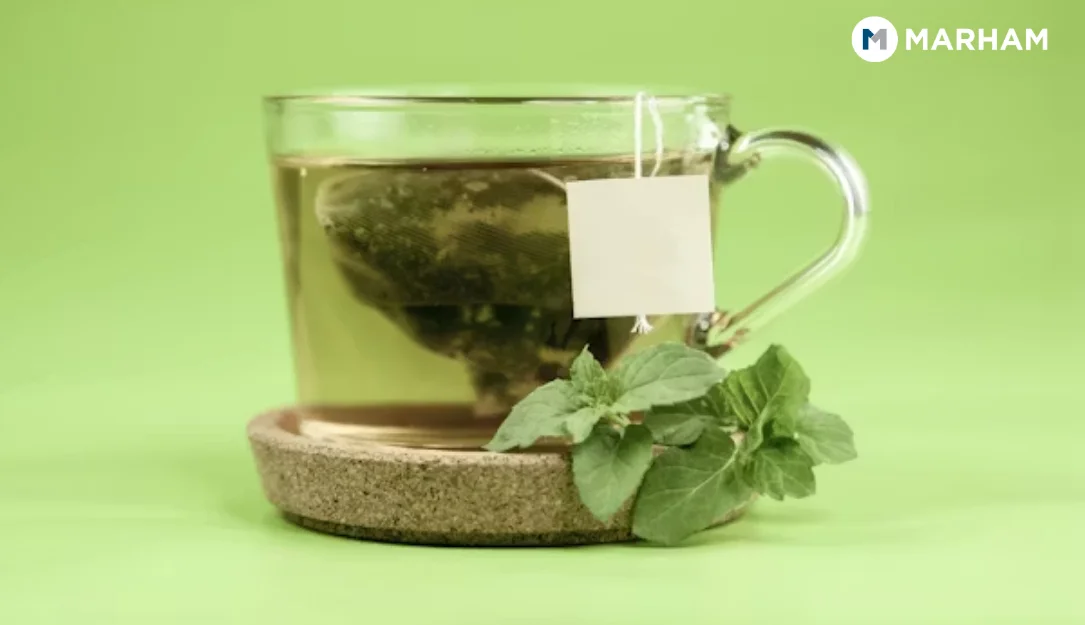
Adding fresh lemon to your green tea is not just a flavor upgrade, it is a health upgrade. Research shows that vitamin C from lemon significantly increases your body’s ability to absorb the catechins in green tea, boosting their effectiveness by up to six times. This simple combination turns an already healthy drink into a true powerhouse.
The benefits of green tea with lemon extend to better digestion, enhanced detoxification, and stronger immunity. The citric acid in lemon stimulates your digestive enzymes, while the catechins in green tea reduce gut inflammation, making this combination particularly effective after a heavy meal. During Ramadan, a cup of lemon green tea after iftar can help your stomach settle much faster than waiting it out.
To prepare it, simply brew your green tea as usual, let it cool for two minutes, and then squeeze half a fresh lemon into it. Adding lemon to boiling hot tea destroys the vitamin C, so patience matters here. Avoid adding sugar, as it counteracts many of the green tea benefits. If you need sweetness, a small spoon of honey is a much better option.
For best results, drink lemon green tea once in the morning on an empty stomach and once after your largest meal of the day. Within two to three weeks of consistent use, most people notice improved energy, clearer skin, and less bloating.
How to Use Green Tea in Your Daily Routine
Green tea is extremely versatile and fits easily into Pakistani daily life. For drinking, the key is to steep your green tea in water that is around 80 degrees Celsius, not boiling, for two to three minutes. This answers the common question of how long to steep green tea for health benefits. Over-steeping makes it bitter and can reduce some of its beneficial compounds.
Does adding milk to green tea reduce benefits? Yes, it does. Research shows that the proteins in milk, called caseins, bind to the catechins in green tea and significantly reduce their antioxidant activity. If you are drinking green tea for its health advantages, keep the milk out. This might be a difficult adjustment for doodh patti lovers, but it makes a real difference.
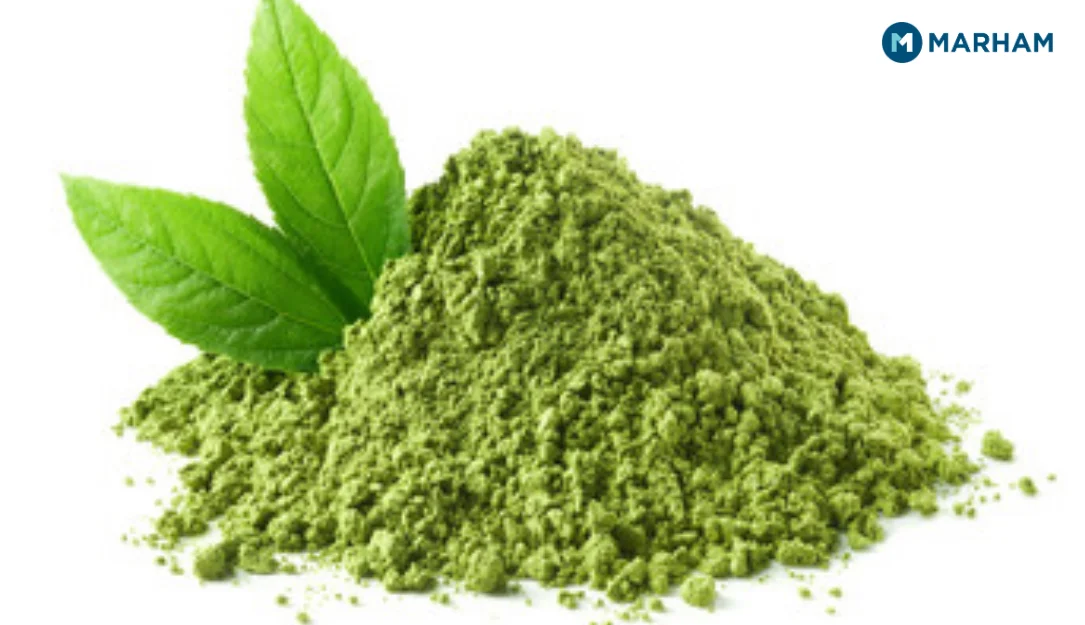
In cooking, you can use matcha powder (a concentrated form of green tea) in smoothies, lassi, or even homemade kulfi for a unique twist. Green tea powder can be mixed into face masks with honey and besan for a glowing skin treatment at home. For hair, rinsing with cooled green tea after shampooing can reduce dandruff and add shine.
Daily Intake Recommendation
For most adults, two to three cups of green tea per day is the ideal amount. This gives you roughly 200-300 mg of catechins, which is the range most studies associate with health benefits. If you are new to green tea, start with one cup daily and gradually increase over a week to avoid any stomach sensitivity.
Avoid drinking green tea on a completely empty stomach if you have a sensitive digestive system, as the tannins can cause nausea. The best times to drink it are mid-morning, after lunch, and in the early evening. Avoid drinking it too close to bedtime since the caffeine content, while lower than coffee, can still affect your sleep.
For green tea supplements or extracts, consult your doctor first, as concentrated doses can affect your liver. Whole brewed green tea from quality loose leaves or tea bags is always the safest and most effective option.
Green Tea vs Matcha: Which Is Better?
Does matcha have the same benefits as green tea? Not exactly. Matcha is actually a more concentrated form, but both have unique advantages.
| Factor | Green Tea | Matcha |
| Preparation | Steeped in water | Powder whisked in water |
| Caffeine | 25-50 mg per cup | 60-70 mg per cup |
| EGCG Content | Moderate | 3x higher than green tea |
| Taste | Light, mildly bitter | Rich, earthy, creamy |
| Price in Pakistan | Rs 300-800 per box | Rs 1,500-4,000 per tin |
| Convenience | Very easy | Requires more preparation |
Both are excellent choices, and both deliver proven green tea benefits. If you want a budget-friendly, easy daily habit, regular green tea is your best bet. If you want maximum antioxidant power and do not mind the higher price, matcha is worth trying. Many health-conscious Pakistanis alternate between both throughout the week, which is a perfectly smart approach.
Green Tea Benefits and Side Effects
No guide on green tea benefits would be complete without honestly covering the side effects. While green tea is safe for most people, overconsumption can cause problems.
Drinking more than five cups daily can lead to caffeine-related issues including anxiety, insomnia, and rapid heartbeat. The tannins in green tea can interfere with iron absorption, so people with anemia should drink it between meals rather than with food. Pregnant and breastfeeding women should limit intake to one to two cups daily, as excessive caffeine can affect fetal development.
Green tea can interact with certain medications, including blood thinners like warfarin, some heart medications, and stimulant drugs. If you are on any prescription medication, ask your doctor before making green tea a regular habit. Concentrated green tea supplements carry a higher risk of liver damage than brewed tea, so stick to the natural form.
For children under 12, green tea is generally not recommended due to its caffeine content. Teenagers can have one cup daily.
Talk to a Nutritionist on Marham
If you want personalized advice on how green tea fits into your specific health goals, whether it is weight loss, managing diabetes, or improving your skin, a qualified nutritionist can create a plan tailored to your needs. Book a consultation with a certified nutritionist through Marham and get expert guidance from the comfort of your home. Call 0311-1222398 to book your appointment today.
Conclusion
Green tea benefits are backed by decades of scientific research, and incorporating sabz chai into your daily routine is one of the simplest health decisions you can make. From protecting your heart and boosting your brain function to giving your skin a natural glow and supporting weight loss, this humble drink delivers remarkable results. Start with one cup a day, skip the milk, and give your body two to three weeks to show you the difference. As with any dietary change, moderation is key, so enjoy your green tea benefits without overdoing it, and consult a healthcare professional if you have any underlying conditions.