
Have you ever felt an unknown wave of fear in your chest without a reason? It is not a disease but a condition that appears due to several reasons, such as stress, trauma, and a major change in your life. A panic attack feels like tightness in your chest, which makes it hard to talk and causes you to lose control of yourself. This condition is known as a panic attack.
According to the World Health Organization (WHO), more than 264 million people worldwide suffer from anxiety disorders, and a large percentage of them experience panic attacks. In Pakistan, around 34% of adults report symptoms related to anxiety and panic at some point in their lives.
These numbers show that panic attacks are more common than we think. Many people don’t understand or treat the symptoms properly, which can cause complications. This blog will explain everything about panic attacks, their causes, symptoms, prevention, and treatment.
What is a Panic Attack?
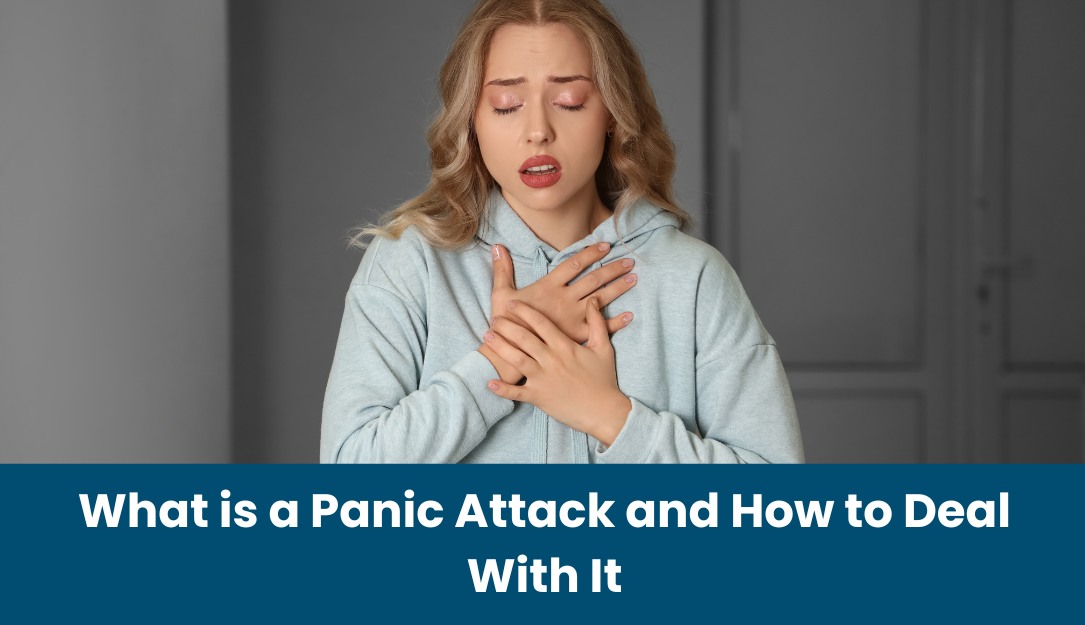
A panic attack is a sudden episode of intense fear that triggers severe physical reactions when there is no real threat. It can happen anytime, while driving, shopping, working, or even relaxing at home.
The American Psychological Association (APA) defines panic attacks as “sudden surges of overwhelming fear and discomfort that peak within minutes and are often accompanied by physical and emotional symptoms.”
Panic Attack Meaning in Urdu
گھبراہٹ انتہائی خوف یا اضطراب کا ایک اچانک واقعہ ہے جو بغیر وارننگ کے ظاہر ہوتا ہے، یہاں تک کہ جب کوئی حقیقی خطرہ نہ ہو۔ یہ جذباتی اور جسمانی دونوں علامات کا سبب بن سکتا ہے جیسے دھڑکن دل کی دھڑکن، سانس کی قلت، سینے میں جکڑن، چکر آنا، پسینہ آنا، کانپنا، اور کنٹرول کھونے کا احساس۔ یہ اقساط عام طور پر 10 سے 20 منٹ کے اندر عروج پر پہنچ جاتی ہیں لیکن اس کے بعد کسی شخص کو سوکھی یا بے چین محسوس کر سکتی ہیں۔ گھبراہٹ کہیں بھی اور کسی بھی وقت ہوسکتے ہیں، جو اکثر ان کا سامنا کرنے والے شخص کے لیے زیادہ پریشان کن بنا دیتا ہے۔
Panic Attack vs. Anxiety Attack
People commonly confuse panic attacks with anxiety attacks, but they are different. Panic attacks are sudden, unexpected peaks lasting 10 minutes, with intense physical symptoms such as a fast heartbeat, shortness of breath, and dizziness. In contrast, anxiety attacks build up gradually due to stress, with worry, restlessness, and muscle tension.
A panic attack feels like
Panic attacks last for 10–20 minutes, but aftereffects can last longer.
Common panic attack symptoms:
- Rapid heartbeat
- Chest pain
- Shortness of breath
- Sweating
- Trembling
- Dizziness
- Choking sensation
- Hot flashes or chills
- Feeling detached from reality
- Fear of losing control or dying
Panic Attacks Causes & Triggers
There is no single cause of panic attacks. They are usually the result of a combination of factors:
-
Genetics:
Genetics is one of the major causes of panic attacks. Genetic code passes the tendency of panic attacks to the next generation.
-
Brain Chemistry:
The imbalance of brain chemicals, such as serotonin and norepinephrine, can cause panic attacks.
-
Stressful Events:
Stressful life events become one of the common reasons for panic attacks, such as a sudden loss of loved ones, any kind of abuse, long-term stress, and trauma.
-
Medical Conditions:
Medical conditions such as thyroid issues, heart disease, or respiratory problems can cause panic attacks.
-
Substance Use:
Overuse of caffeine, drug substances, or certain medicines can cause panic attacks.
How Common Are Panic Attacks?
According to the National Institute of Mental Health (NIMH), around 4.7% of adults in the U.S. experience panic disorder. Women are twice as likely as men to suffer from panic attacks.
In Pakistan, surveys show that 1 in 3 adults face mental health issues linked to anxiety and panic, but many remain undiagnosed due to stigma.
Risk Factors
You are more likely to experience panic attacks if you:
- Are between 18 and 35 years old.
- Have a family history of anxiety or depression.
- Face long-term stress at work or home.
- Have gone through trauma or abuse.
- Use drugs, alcohol, or excessive caffeine.
How to Cope During a Panic Attack?
When a panic attack strikes, it feels like you are losing control. But there are grounding techniques that can help:
Breathe Deeply:
Breathing helps in overcoming a panic attack. Focus on slow, deep breaths, inhale for 4 seconds, hold for 2 seconds, and exhale for 6 seconds.
The 5-4-3-2-1 Method
Look around and notice 5 things you can see, 4 things you can touch, 3 things you can hear, 2 things you can smell, and 1 thing you can taste. This grounds you in the present.
Relax Your Muscles:
Don’t try to control your body, just loosen your shoulders, jaws, and hands.
Repeat a Mantra:
Calm yourself by repeating calming words such as “this will pass” and “you can do it”.

Panic attack treatment
Treatment for panic attacks includes a combination of therapy, lifestyle changes, and sometimes medication.
-
Cognitive Behavioral Therapy (CBT):
This therapy will help to change negative thought patterns and teach healthier ways to cope with fear.
-
Exposure Therapy:
It helps you manage the trigger and save yourself from the attacks.
-
Medications:
Medicines help in the management of brain chemicals, such as antidepressants or anti-anxiety medicines.
-
Lifestyle Changes:
A healthy lifestyle helps in the management of panic attacks and fast recovery, such as exercise, meditation, and healthy sleep.
Prevention Tips
The following are the prevention measures to reduce the chances of panic attacks:
- Maintain a regular sleep schedule.
- Reduce caffeine and alcohol intake.
- Exercise for at least 30 minutes daily.
- Practice deep breathing or yoga.
- Seek help early if you notice warning signs.
When to See a Doctor
A panic attack cannot be managed on your own; it’s important to seek professional help. The best psychologist in Pakistan provides therapies and medication that help the patient to overcome the trigger cause of panic attacks. Early diagnosis and treatment make it easier to manage symptoms and prevent future episodes.
The Bottom Line
Panic attacks are sudden episodes of intense fear that can strike without warning. They not only cause chest tightness, shortness of breath, and dizziness but can also leave you feeling drained and fearful of when the next attack might happen.
If left untreated, panic attacks may interfere with work, relationships, and daily life. They can be managed with the right therapy, medication, and lifestyle change. Marham, a leading healthcare platform in Pakistan, provides access to the best psychologists in Pakistan who can help you manage panic attacks and improve your quality of life.