


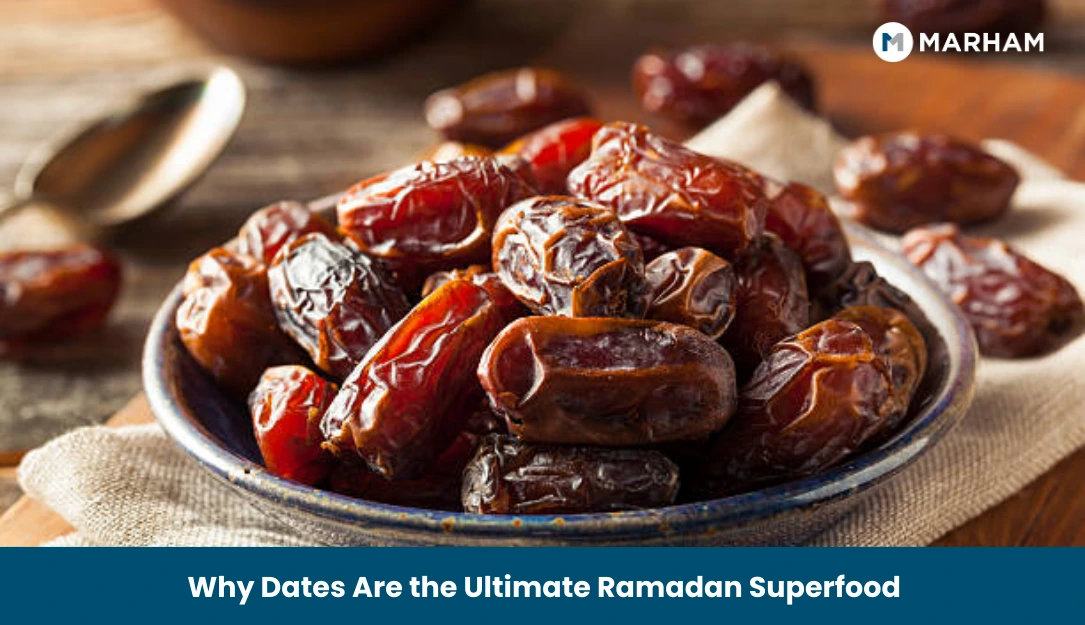
There’s a reason the Prophet (PBUH) recommended breaking your fast with dates — and modern science now backs what our faith has taught for centuries. Khajoor (کھجور) are not just a Ramadan tradition; they are a powerhouse of nutrition that your body desperately needs after a long day of fasting.
Whether you enjoy Ajwa from Madinah, the golden Aseel variety from Sindh, or the soft Medjool dates your local dry fruit shop stocks before Ramadan, the dates benefits remain remarkable. From instant energy at iftar to improved digestion during sehri, dates deliver exactly what your fasting body craves. Let’s explore why this humble fruit deserves a permanent spot on your dastarkhwan this Ramadan.
Dates Nutrition Facts (Per 100g)
| Nutrient | Amount (per 100g) | Daily Value % |
| Calories | 277 kcal | 14% |
| Total Carbohydrates | 75 g | 25% |
| Dietary Fiber | 7 g | 28% |
| Natural Sugars | 63 g | – |
| Potassium | 696 mg | 20% |
| Magnesium | 54 mg | 14% |
| Iron | 0.9 mg | 5% |
| Vitamin B6 | 0.25 mg | 12% |
| Copper | 0.36 mg | 18% |
| Antioxidants (Flavonoids) | High | – |
Notable: Dates contain over 15 types of minerals and are one of the richest natural sources of potassium among all dried fruits.
7 Powerful Dates Benefits in Ramadan
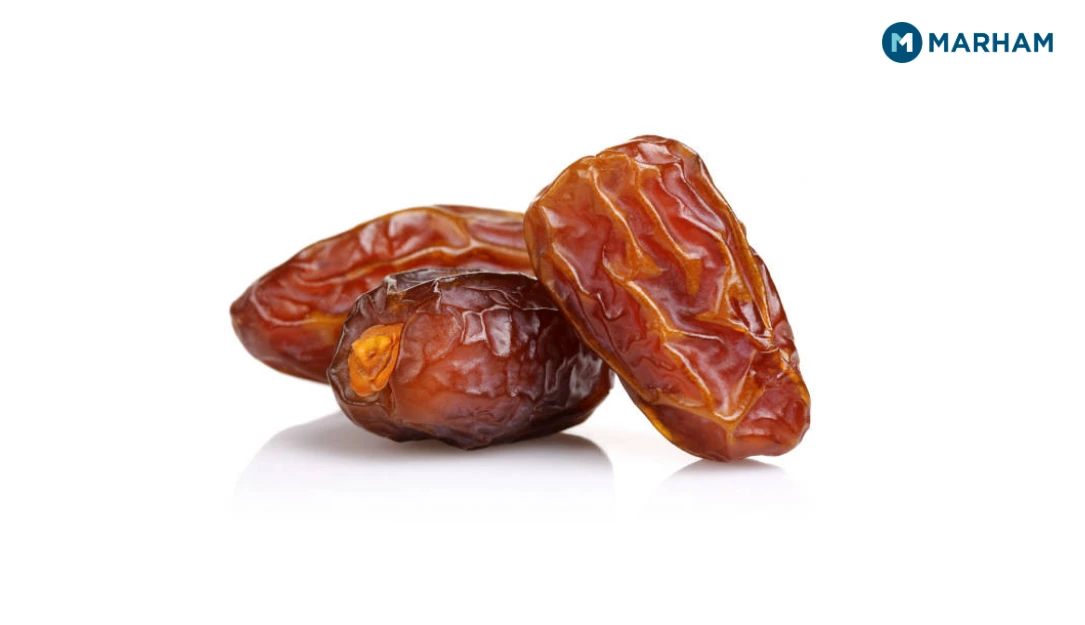
1. Instant Energy After a Long Fast
After fasting from sehri to iftar, your blood sugar drops significantly and your body craves quick, clean fuel. Dates are roughly 75% natural sugars glucose, fructose, and sucrose which enter your bloodstream rapidly without the crash that comes from processed sweets. This is exactly why eating 1–3 dates at iftar feels like flipping a switch back on. Research published in the International Journal of Food Sciences confirms that dates provide one of the fastest natural energy boosts among whole foods, making them the ideal Ramadan companion.
2. Improved Digestion During Fasting
Constipation and bloating are the most common complaints during Ramadan, and it makes sense your eating schedule has completely changed. The 7 grams of dietary fiber in every 100g of dates acts as a gentle, natural regulator for your digestive system. Eating 2–3 dates at both sehri and iftar keeps things moving smoothly without the discomfort of heavy laxatives. If you’ve ever tried soaking dry dates overnight and eating them at sehri, you already know how well this traditional trick works for digestion.
3. Stronger Bones and Muscles
Dates are packed with magnesium, copper, manganese, and selenium — a combination that supports bone density and muscle function. This matters especially during Ramadan when reduced physical activity and altered nutrition can leave you feeling weak. Studies show that regular consumption of mineral-rich dried fruits like dates helps maintain bone strength over time. For men specifically, the magnesium content supports muscle recovery and physical stamina, which is one of the key benefits of dates for men that often goes unmentioned.
4. Better Heart Health
The potassium in dates — 696 mg per 100g — plays a direct role in regulating blood pressure and supporting overall cardiovascular health. Dates are also rich in antioxidants like flavonoids and carotenoids, which research has linked to reduced inflammation and lower risk of heart disease. During Ramadan, when people often compensate with oily pakoras and heavy iftari spreads, adding dates to your routine provides heart-protective nutrients without the guilt. A 2015 study in the Journal of Agricultural and Food Chemistry found that eating dates daily for four weeks reduced triglyceride levels by 8%.
5. Natural Anemia Prevention
Iron deficiency is surprisingly common in Pakistan, especially among women and children. While dates aren’t the highest source of iron, their combination of iron, copper, and vitamin B6 creates an efficient trio for red blood cell production. Pairing dates with a glass of warm milk is a beloved Pakistani tradition that actually has scientific merit — the benefits of dates with milk include enhanced iron absorption and sustained energy through the night. If you often feel dizzy or fatigued during Ramadan, this simple combination at sehri could make a meaningful difference.
6. Improved Brain Function and Focus
Fasting can make concentrating at work or school feel nearly impossible by mid-afternoon. Dates contain vitamin B6 and natural sugars that support neurotransmitter production, helping your brain stay sharper for longer. Research from the Neural Regeneration Research journal suggests that regular date consumption may reduce inflammatory markers associated with cognitive decline. During Ramadan, when your brain is running on limited fuel, even 2–3 dates at sehri can extend your mental clarity well into the afternoon.
7. Healthier Skin from the Inside Out
Dehydration during fasting hours often shows up first on your skin dryness, dullness, and sometimes breakouts. Dates contain vitamins C and D along with antioxidants that support collagen production and protect skin cells from oxidative damage. This is how dates benefits for skin work from within: they nourish at the cellular level rather than just on the surface. Adding dates to your Ramadan diet is a simple, delicious way to keep your skin glowing even through the toughest fasting days.
Dates Benefits in Urdu | کھجور کے فائدے
کھجور رمضان میں افطار کے وقت فوری طور پر بلڈ شوگر کو بحال کرتی ہیں اور جسم کو فوری انرجی فراہم کرتی ہیں۔ ان میں موجود فائبر قبض اور پیٹ کے مسائل کو دور کرنے میں مدد کرتا ہے۔ کھجور میں پوٹاشیم، میگنیشیم اور آئرن جیسے اہم معدنیات ہوتے ہیں جو ہڈیوں اور پٹھوں کو مضبوط رکھتے ہیں۔ دل کی صحت کے لیے کھجور بہت فائدے مند ہیں کیونکہ یہ بلڈ پریشر کو کنٹرول کرنے اور کولیسٹرول کم کرنے میں مدد کرتی ہیں۔ خون کی کمی کے مریضوں کے لیے کھجور ایک قدرتی علاج ہے کیونکہ اس میں آئرن اور وٹامن بی 6 کا بہترین مجموعہ ہے۔ دماغی صحت کے لیے بھی کھجور بہت اہم ہیں کیونکہ یہ وٹامن بی 6 فراہم کرتی ہیں جو یادداشت اور توجہ بھتر بناتا ہے۔ جلد کی خوبصورتی کے لیے کھجور ایک قدرتی طریقہ ہے کیونکہ اس میں وٹامن سی اور اینٹی آکسیڈنٹس ہوتے ہیں۔ رمضان میں روزانہ دو سے تین کھجوریں کھانا آپ کی صحت کے لیے بہت فائدے مند ہے۔ اگر آپ کو کوئی بھی صحت کا مسئلہ ہو تو مرہم پر ماہر غذائیت سے ضرور مشورہ کریں۔
Benefits of Dates with Milk | Khajoor Aur Doodh
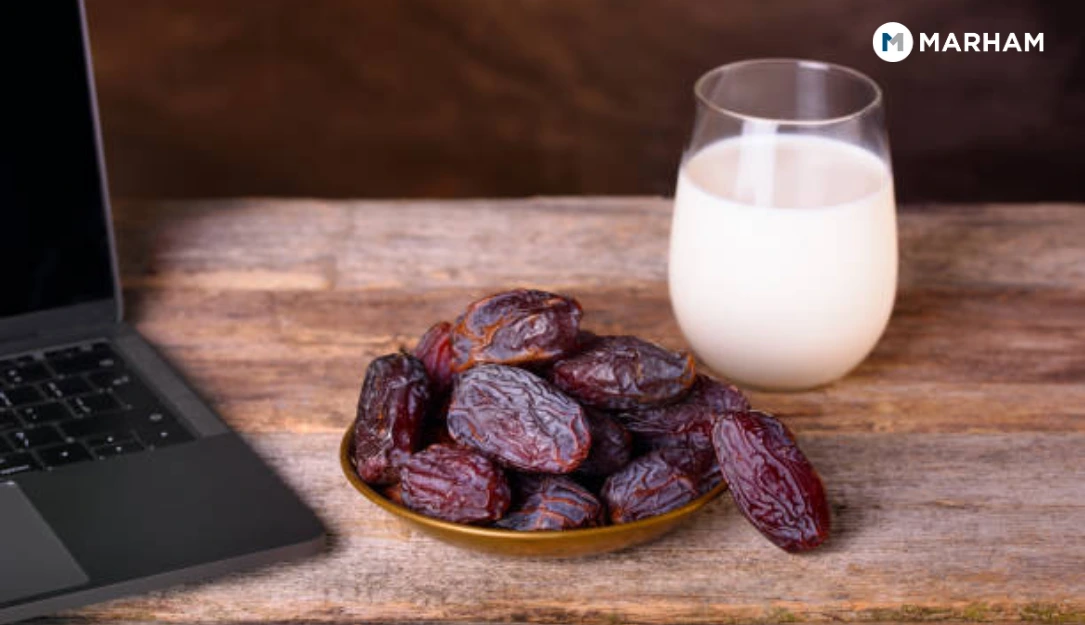
If there’s one desi health combination that has stood the test of time, it’s khajoor aur doodh. The benefits of dates with milk go far beyond just taste. Soaking 2–3 dates in a glass of warm milk overnight creates a nutrient-dense drink that’s perfect for sehri. The milk provides calcium and protein while the dates add natural sweetness, potassium, and fiber — eliminating the need for added sugar entirely.
This combination is especially popular among Pakistani families looking for a natural energy booster during Ramadan. For men, it supports physical stamina and muscle recovery after taraweeh prayers. For children, it’s a delicious way to ensure they’re getting essential minerals. Many hakims have recommended this mixture for centuries as a remedy for weakness and low energy — and modern nutrition science confirms that the amino acid and mineral profile of this pairing is genuinely effective.
Dry Dates Benefits | Sukhi Khajoor Ke Faide
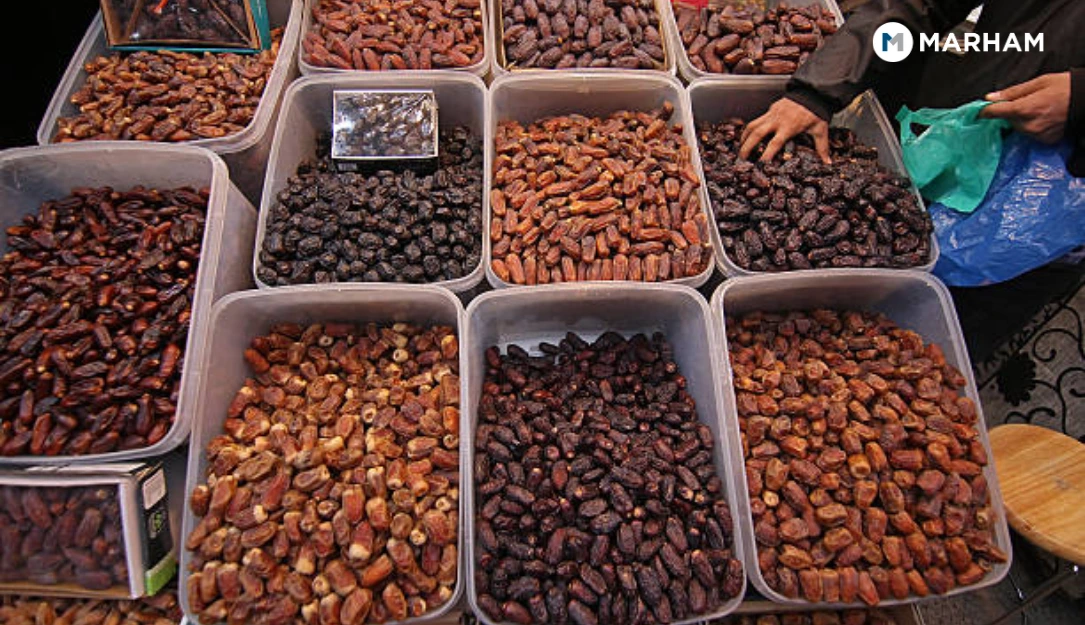
Dry dates (chuara / چھرہ) are what most Pakistani households stock year-round, not just during Ramadan. The key difference is that dry dates benefits include a more concentrated nutrient profile — since the moisture is removed, you get more fiber, iron, and calories per piece. They’re perfect for people who need sustained energy, like students during exams or professionals working long hours during Ramadan.
Dry dates also have a longer shelf life, making them practical for everyday use. You can grate them into kheer, add them to your morning porridge, or simply chew on a couple as an afternoon snack. The higher fiber content in dry dates makes them particularly effective for digestive health during the altered eating schedule of Ramadan.
How to Use Dates in Your Daily Routine
In Pakistani Cooking
Dates add natural sweetness and depth to many traditional Pakistani dishes. Chop them finely and add to kheer for a sugar-free dessert that your whole family will love. Mix date paste into your sheer khurma for a richer, more authentic Ramadan flavor. You can also blend dates into smoothies with banana and milk for a quick sehri drink that keeps you full for hours.
In Beverages
The simplest way to enjoy dates benefits daily is in your drinks. Add a chopped date to your morning chai instead of sugar — it dissolves beautifully and adds a caramel-like sweetness. Blend dates into a lassi with yogurt and a pinch of cardamom for a refreshing iftar drink. For a power-packed sehri beverage, blend 3 dates with warm milk, a tablespoon of honey, and a few almonds.
How Many Dates Should You Eat Daily?
For most adults, 2–3 dates per day is the ideal amount to enjoy the full dates benefits without excess sugar intake. During Ramadan specifically, eating 1–3 dates at iftar and 1–2 at sehri follows the Sunnah and provides excellent nutritional balance. If you’re using dry dates, 1–2 per day is sufficient since they are more concentrated.
Start with fewer if you’re not used to high-fiber foods, and gradually increase. Diabetic patients should consult their doctor about appropriate portions, as dates are high in natural sugars despite their low glycemic index. For children over 2 years, half a date to one date daily is a safe and beneficial amount.
Dates vs Figs: Which Is Better for Ramadan?
| Factor | Dates (Khajoor) | Figs (Anjeer) |
| Calories (per 100g) | 277 kcal | 249 kcal |
| Natural Sugars | 63 g | 59 g |
| Fiber | 7 g | 3.7 g |
| Potassium | 696 mg | 749 mg |
| Iron | 0.9 mg | 1.9 mg |
| Best For | Quick energy, Ramadan iftar | Iron boost, bone health |
Both dates and figs are excellent dried fruits with unique strengths. Dates win for quick energy and Ramadan iftar use thanks to their higher sugar content and faster absorption. Figs (anjeer) have the edge for iron content and calcium, making them better for long-term bone health. The best approach? Include both in your Ramadan diet. Break your fast with dates for immediate energy, and enjoy figs as part of your sehri for sustained nutrition through the fasting day.
Dates Side Effects and Cautions
Overconsumption: Eating more than 5–7 dates daily can lead to weight gain, bloating, and blood sugar spikes. Their high sugar content means moderation is essential, especially during Ramadan when people tend to overeat at iftar.
Diabetes: While dates have a low-to-medium glycemic index (42–55), diabetic patients should monitor their blood sugar and limit intake to 1–2 dates daily. Always consult your physician before making dates a regular part of your diet if you have diabetes.
Allergies: Dried fruit allergies are rare but possible. Sulfite-sensitive individuals should check packaging, as some commercial dried dates contain sulfite preservatives.
Children: For children under 2, dates can be a choking hazard. Always mash or blend dates before giving them to toddlers, and limit to small quantities.
Drug interactions: Dates are high in potassium, so individuals on potassium-sparing medications or blood pressure drugs should consult their doctor about safe intake levels.
Need Personalized Nutrition Advice This Ramadan?
Every body is different, and your ideal dates intake depends on your health conditions, weight, and fasting routine. If you have diabetes, digestive issues, or any chronic condition, speaking with a qualified nutritionist can help you make the most of Ramadan without compromising your health.
Book a consultation with a certified nutritionist through Marham today. Call 0311-1222398 or visit Marham.pk to find the right specialist for your needs.
Final Thoughts on Dates Benefits in Ramadan
From the moment you break your fast with that first sweet khajoor to the quiet sehri preparation before dawn, dates benefits touch every part of your Ramadan experience. They provide instant energy, support digestion, strengthen your heart, and nourish your skin — all wrapped in a fruit that has been a part of our faith and culture for centuries.
Start with 2–3 dates daily, experiment with dates and milk combinations, and keep dry dates handy for snacking between taraweeh. As always, if you have any underlying health conditions, consult a healthcare provider through Marham to ensure dates fit safely into your routine. Ramadan Mubarak — may your fasts be healthy and blessed!
