

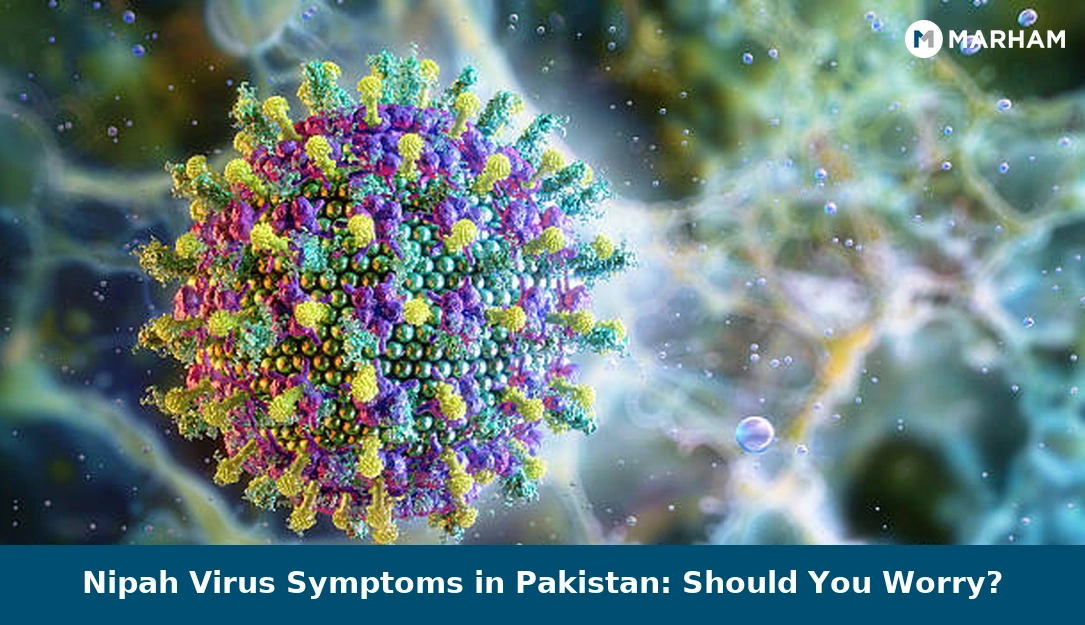
News of Nipah virus cases in neighbouring India reached Pakistani social media in early 2026, and the questions came quickly: Is this the next COVID? Should we stop eating fruit? Do Pakistani bats carry this virus? The panic was understandable, but most of it wasn’t grounded in the actual science.
Two healthcare workers in West Bengal, India were confirmed with Nipah in January 2026, according to the WHO. Pakistan’s government responded by ordering enhanced health surveillance at all border entry points, and the NIH issued a formal alert. But infectious disease specialists were clear: the current threat to Pakistan is minimal, not because the virus is harmless, but because its transmission dynamics are very different from COVID-19.
What follows is a straightforward breakdown of what Nipah virus actually is, how it spreads, what the symptoms look like, and what Pakistani residents genuinely need to know — without the panic and without dismissing the risk entirely.
Nipah Virus in Urdu | نپاہ وائرس
نپاہ وائرس ایک خطرناک زونوٹک وائرس ہے جو جانوروں سے انسانوں میں منتقل ہوتا ہے، خاص طور پر پھل کھانے والے چمگادڑوں کے ذریعے۔ اس کی علامات میں بخار، شدید سر درد، الجھن اور دماغ کی سوجن شامل ہیں۔ پاکستان میں ابھی تک کوئی تصدیق شدہ کیس سامنے نہیں آیا، تاہم قومی ادارہ صحت (NIH) اور آغا خان یونیورسٹی ہسپتال کے ماہرین نے عوام کو چوکس رہنے کی ہدایت کی ہے۔ احتیاطی تدابیر میں پھلوں کو دھو کر کھانا، چمگادڑوں سے دور رہنا اور علامات ظاہر ہونے پر فوری طبی مدد لینا شامل ہے۔
Quick Answer
Nipah virus is a rare but serious zoonotic infection, meaning it spreads from animals to humans, primarily through fruit bats. As of mid-2026, no confirmed human case has been reported in Pakistan. Infectious disease experts at Aga Khan University Hospital (AKUH) and Pakistan’s National Institute of Health (NIH) classify the current risk to Pakistanis as low, though not zero. Knowing the symptoms and transmission routes is still worthwhile — especially if you travel to affected regions in South Asia.
What Is Nipah Virus and Why Is It Considered Serious?
Nipah virus (NiV) is a zoonotic pathogen belonging to the Henipavirus genus. It was first identified in 1998 among pig farmers in Malaysia and is named after the village of Sungai Nipah where early cases were detected. The WHO has designated Nipah a priority pathogen because it combines a high fatality rate with the absence of any approved vaccine or specific antiviral treatment.
What makes it particularly concerning to public health experts is the case fatality rate. According to the WHO and CDC, between 40% and 75% of people who develop symptoms die, depending on how quickly care is received and the local capacity for clinical management. That range is wide because early supportive hospital care genuinely improves survival. It is not a death sentence for everyone who contracts it, but it is far more lethal than influenza or COVID-19.
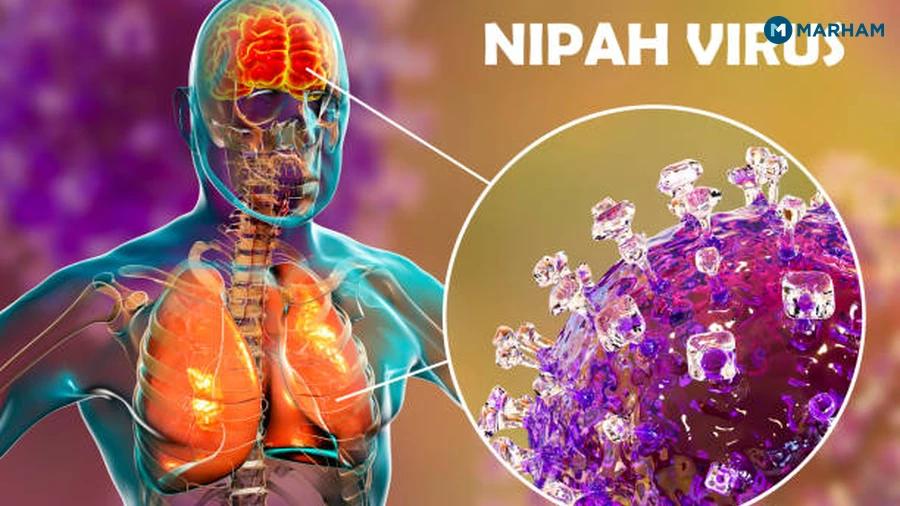
The virus does not spread as easily as respiratory viruses. That single fact is what keeps outbreak sizes small. As Dr Faisal Mahmood of AKUH noted at a January 2026 briefing in Karachi, Nipah’s limited human-to-human transmission is why global case counts remain low despite decades of outbreaks in South Asia.
Nipah Virus Symptoms: What to Watch For
Symptoms typically begin within 4 to 14 days of exposure, though the incubation period can occasionally extend to 21 days, according to the UK Health Security Agency. Early symptoms are non-specific and easy to mistake for a bad flu.
- Fever — usually the first sign, often sudden in onset.
- Severe headache — frequently reported alongside the fever.
- Muscle pain and fatigue — generalised body aches.
- Nausea and vomiting — common in the early phase.
- Sore throat and cough — present in some patients, not all.
- Dizziness and drowsiness — a warning sign that the brain may be affected.
- Confusion or disorientation — signals progression toward encephalitis.
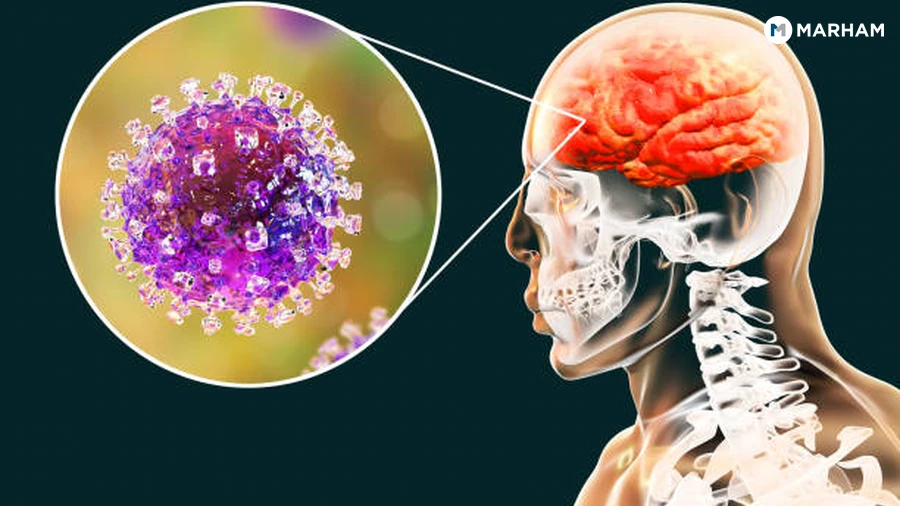
The most dangerous progression is encephalitis, which is inflammation of the brain. According to the WHO, severe disease is particularly associated with neurological symptoms: the patient becomes increasingly confused, may have seizures, and can fall into a coma within five to seven days of symptom onset. Some patients also develop significant respiratory distress. Importantly, the WHO notes that roughly 1 in 5 survivors experience long-term neurological effects even after recovery.
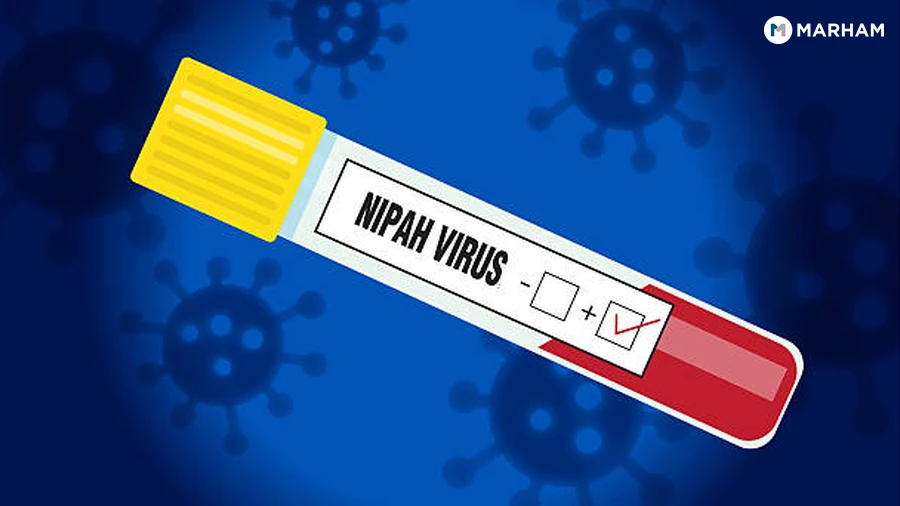
A key clinical point that most general-audience articles miss: the early symptom picture of Nipah looks almost identical to dengue fever or severe influenza. In Pakistan, where dengue is common in cities like Lahore and Karachi during monsoon season, a doctor cannot distinguish Nipah from dengue on symptoms alone. Laboratory testing is required. This is why any severe unexplained fever with neurological signs in someone who has recently travelled to an active outbreak zone deserves immediate medical evaluation, not a wait-and-see approach.
How Does Nipah Virus Spread?
Nipah spreads through three main routes: animal-to-human contact, contaminated food, and close human-to-human contact. Understanding which route is most relevant to your daily life in Pakistan is more useful than a generic warning to “avoid bats.”
Animal-to-Human Transmission
Fruit bats of the Pteropus genus (large flying foxes) are the natural reservoir. The virus does not spread through casual proximity to bats, such as seeing them fly overhead at dusk. Transmission requires direct contact with an infected bat or its bodily fluids, including saliva, urine, or droppings. According to the CDC, fruit bats carrying NiV are found across South and Southeast Asia, including Pakistan’s northern and forested regions, though no active NiV circulation in Pakistani bats has been confirmed by scientific surveillance as of 2026.
Contaminated Food: The Date Palm Sap Risk
This is the route responsible for most Bangladesh outbreaks, and it carries a specific relevance for Pakistan. Fruit bats are attracted to the sweet sap of date palm trees. When harvesters collect raw sap overnight in open pots, bats may drink from or contaminate those pots. Drinking raw, unboiled date palm sap (called tari or khajur ka ras in parts of South Asia) has been a major documented transmission route in Bangladesh, according to CDC and WHO records. Pakistan has date palm cultivation, particularly in Sindh and Balochistan. Drinking raw, unprocessed date palm sap from open collection pots is a genuine, if uncommon, risk. Commercially sold packaged juices do not carry this risk. Partially eaten fruit that may have been bitten by bats is also a theoretical concern, though washing fruit thoroughly before eating largely addresses this.
Human-to-Human Transmission
Person-to-person spread is possible but requires close, direct contact with an infected person’s bodily fluids, including saliva, respiratory secretions, urine, or blood. It is not airborne in the way COVID-19 or measles is. According to CDC and WHO data, most documented human-to-human cases have occurred among family caregivers and healthcare workers without adequate personal protective equipment. Casual contact, such as being in the same room or sharing a meal, has not been documented as a transmission route.
| Transmission Route | Risk Level | Pakistani Context |
|---|---|---|
| Direct bat contact | Low (requires physical contact) | Relevant in rural/forested areas of KP, Gilgit-Baltistan |
| Raw date palm sap | Moderate (if open-pot collected) | Relevant in Sindh, Balochistan date-growing regions |
| Partially bat-bitten fruit | Low (washing mitigates) | Wash all fruit before eating — standard hygiene |
| Close contact with infected person | Low (requires bodily fluid exposure) | Healthcare workers are the main at-risk group |
| Casual contact / airborne | Not documented | Not a concern in everyday settings |
Is Pakistan Actually at Risk? What Local Experts Say
Pakistan has not reported a single confirmed human Nipah case. At a roundtable held at Aga Khan University Hospital, Karachi, in February 2026, infectious disease specialists confirmed that the risk of an outbreak in Pakistan is currently low. Dr Nosheen Nasir, Section Head of Infectious Diseases at AKUH, noted that the two West Bengal cases involved nurses at the same hospital and that all 190 identified contacts tested negative.
The NIH Pakistan issued an alert in January 2026 acknowledging the regional situation and ordering enhanced screening at airports and land crossings, including thermal checks and travel history assessments. Pakistan’s Ministry of National Health Services confirmed that designated isolation facilities and diagnostic capacity are in place at PIMS Islamabad and the Federal Government Polyclinic.
There are two genuine risk factors worth acknowledging honestly. First, fruit bats are present in Pakistan, particularly in northern and forested areas, though no scientific evidence of active NiV circulation in Pakistani bats exists. Second, Pakistan shares cross-border movement with India and has significant travel links to Bangladesh. A published letter in PMC (2024) by Pakistani researchers noted that geographical proximity and cross-border movement with India heightens the theoretical transmission risk. That is a real consideration for preparedness — it does not mean an outbreak is imminent.
The Bangladesh strain of Nipah, which tends to spread through contaminated food (date palm sap), and the India strain, which has shown more hospital-acquired transmission, are epidemiologically distinct. Pakistan’s risk profile is closer to the Bangladesh pattern given ecological similarities, but the absence of large-scale date palm sap consumption as a cultural practice in most of Pakistan’s urban centres limits that route significantly.
If you’ve recently travelled to an active Nipah outbreak area and are experiencing fever with neurological symptoms such as confusion or severe headache, don’t wait. Speak to a qualified infectious disease or general physician immediately.
Prevention: What Pakistanis Can Actually Do
Since there is no approved vaccine for Nipah and no specific antiviral treatment, prevention is the only real tool available. The good news: the practical steps are straightforward and fit naturally into everyday Pakistani habits.
- Wash all fruit before eating. This is standard practice in most Pakistani households already. Rinse fruit under running water and scrub the skin before cutting. This reduces the theoretical risk from bat-contaminated fruit surfaces.
- Avoid raw, open-collected date palm sap. If you live in or visit date-growing areas of Sindh or Balochistan, avoid drinking raw sap collected in open pots overnight. Commercially packaged date products are safe.
- Don’t handle bats or their droppings. In rural areas, particularly in Khyber Pakhtunkhwa and Gilgit-Baltistan where fruit bats roost in trees, avoid direct contact with bats or areas heavily contaminated with bat droppings.
- Healthcare workers: use appropriate PPE. Nurses and doctors are the highest-risk group in documented outbreaks. Standard contact and droplet precautions (gloves, mask, gown) when managing patients with unexplained encephalitis are essential, per CDC guidelines.
- Wash hands with soap and water after handling animals. This applies broadly to anyone working with livestock or in agricultural settings in rural Pakistan.
- Seek immediate care for severe unexplained fever with confusion. Don’t self-medicate at home with Panadol or antibiotics if someone develops high fever alongside neurological symptoms after travel to an affected area. Go to a hospital with isolation capacity.
Treatment: Is There a Cure for Nipah?
There is currently no approved antiviral drug or licensed vaccine for Nipah virus, according to the WHO and CDC. Treatment is entirely supportive: managing fever, maintaining breathing support, controlling seizures, and monitoring brain and organ function in a hospital setting. Early hospitalisation matters because high-quality supportive care can prevent deaths from complications like pneumonia or organ failure.
Several vaccine candidates are in development, including an mRNA-based candidate (mRNA-1215) currently in clinical trials at the NIH in the United States. The WHO has included Nipah in its Research and Development Blueprint for priority pathogens, meaning accelerated development of countermeasures is actively funded. No timeline for public availability exists yet.
When Should a Pakistani Patient See a Doctor?
Most Pakistanis have no practical reason to worry about Nipah in their daily lives. But specific situations warrant prompt medical attention. See a doctor if you or a family member develops a sudden high fever with severe headache, confusion, or any sign of altered consciousness, and you have recently travelled to West Bengal, Bangladesh, or another active outbreak region. The same applies to anyone who has had direct contact with bats or their environments in the past three weeks.
Don’t attempt to diagnose this at home. Nipah, dengue, and severe bacterial meningitis can look similar in the early hours. A qualified general physician or infectious disease specialist can assess your travel history, order the right tests, and arrange isolation if needed. Pakistan’s NIH has confirmed that diagnostic capacity for NiV testing is available at designated national laboratories.
Concerned about a fever or neurological symptoms after travel to South Asia? A Marham-verified physician can assess your risk, review your travel history, and guide you on whether further testing is needed — without a long wait at a hospital.
Frequently Asked Questions
Can Nipah virus spread from person to person?
Yes, but only through close direct contact with an infected person’s bodily fluids, such as saliva, blood, or respiratory secretions. It is not airborne. Casual contact in a shared space has not been documented as a transmission route, according to the CDC and WHO.
What are the early symptoms of Nipah virus?
Early symptoms include sudden fever, severe headache, muscle pain, nausea, and vomiting, typically appearing 4 to 14 days after exposure. These can be easily mistaken for influenza or dengue fever, which is why travel history and exposure context matter when a doctor is assessing you.
Is there a vaccine or treatment for Nipah virus?
No. As of 2026, there is no approved vaccine or specific antiviral drug for Nipah. Treatment is supportive care in a hospital setting. Several vaccine candidates are in clinical trials, but none are licensed for public use yet.
Can you get Nipah virus from eating fruit?
The risk comes specifically from fruit or sap that has been contaminated by an infected bat’s saliva or urine. Washing fruit thoroughly before eating significantly reduces this risk. Commercially sold and packaged fruit products are safe.
Are bats in Pakistan carrying Nipah virus?
Fruit bats of the Pteropus species are present in Pakistan, particularly in northern and forested regions. However, as of 2026, no active Nipah virus circulation in Pakistani bats has been confirmed through scientific surveillance, according to Pakistan’s NIH and AKUH experts.
How is Nipah virus different from COVID-19?
Nipah does not spread through the air the way COVID-19 does. It requires direct contact with infected bodily fluids or contaminated food. This is why Nipah outbreaks stay small — typically dozens of cases — while COVID-19 spread globally. Nipah is far more lethal per case but far less transmissible.
What should I do if I think I have Nipah virus symptoms?
If you have a high fever with confusion or neurological symptoms and have recently travelled to an active outbreak area, go to a hospital immediately and tell the triage staff about your travel history. Do not wait at home. Early supportive care in a hospital setting can be life-saving.
Conclusion
Nipah virus is a genuinely serious pathogen, and Pakistan’s health authorities are right to maintain surveillance and preparedness. But for the vast majority of Pakistanis going about their daily lives in Karachi, Lahore, or Islamabad, the current risk is low. The practical takeaway is simple: wash your fruit, avoid raw date palm sap from open sources, don’t handle bats, and if you develop a severe unexplained fever with neurological signs after travelling to an affected region, seek medical attention promptly rather than treating it at home. Awareness without panic is the right response.
This article is for informational purposes only and does not constitute medical advice. Consult a qualified healthcare professional for diagnosis or treatment of any medical condition.