

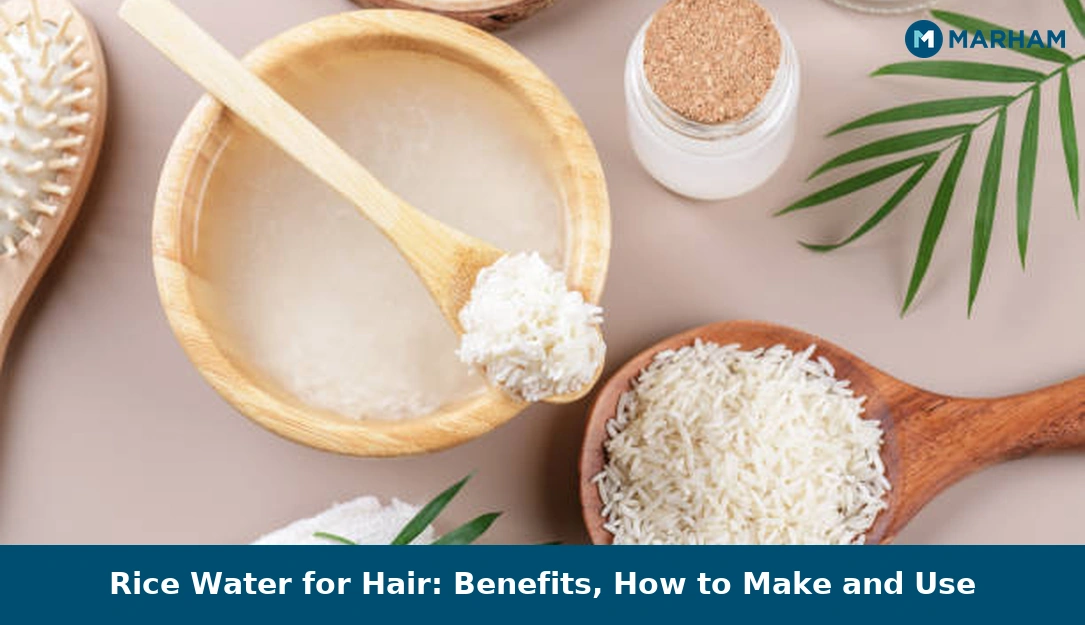
Rice water for hair is one of those remedies that has been sitting in Pakistani kitchens all along. Every time someone washes basmati or sela rice before cooking, they pour that milky, starch-rich water straight down the drain without realising it can double as a hair treatment.
The practice is centuries old in parts of East and Southeast Asia. Women in the Yao village of Huangluo, China, are noted by researchers for hair that averages around six feet in length, and they attribute this partly to fermented rice water rinses. Pakistani women have their own long tradition of natural hair care, and rice water fits neatly into it.
This guide covers what rice water actually contains, what it can and cannot do for your hair, how to make it at home using the rice already in your pantry, and the side effects worth knowing before you start.
چاول کا پانی بالوں کے لیے: اہم باتیں
چاول کا پانی بالوں کی دیکھ بھال کا ایک قدیم اور سستا طریقہ ہے جو پاکستانی گھروں میں آسانی سے تیار کیا جا سکتا ہے۔ اس میں امینو ایسڈز، وٹامن بی اور ای، اور انوسیٹول جیسے غذائی اجزاء پائے جاتے ہیں جو بالوں کو مضبوط اور چمکدار بنانے میں مدد کر سکتے ہیں۔ سائنسی تحقیق ابھی محدود ہے، لیکن بہت سی پاکستانی خواتین اسے ہفتے میں ایک یا دو بار استعمال کر کے بالوں کی ٹوٹ پھوٹ میں کمی محسوس کرتی ہیں۔ خشک یا کیمیکل سے علاج شدہ بالوں والی خواتین کو پروٹین اوورلوڈ سے بچنے کے لیے اسے زیادہ بار استعمال کرنے سے گریز کرنا چاہیے۔
What Is Rice Water and What Does It Contain?
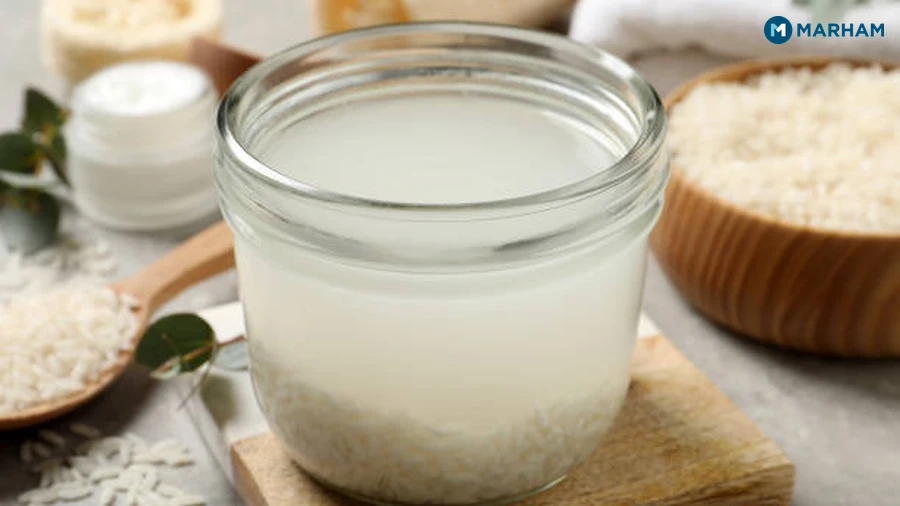
Rice water is the starchy liquid left behind after soaking or cooking rice. When rice sits in water, it releases vitamins, minerals, and carbohydrates into the liquid. Rice water is rich in vitamins B and E, antioxidants, and amino acids, specifically cysteine and proline, which are essential for hair health, especially for the development of keratin, the protein that gives hair its structure.
It also contains inositol, a naturally occurring sugar-like compound. When rice is soaked or cooked, inositol from the grain transfers into the water. Inositol is a form of sugar that our bodies naturally produce to provide structure to our cells, and it is also found in grains and legumes like rice. Some researchers believe inositol may help reduce surface friction along the hair shaft, which could make hair smoother and easier to manage.
For Pakistani households, the most common rice is basmati. It produces slightly less starch than shorter-grain varieties, but it still releases a useful concentration of these nutrients into the soaking water.
Rice Water Benefits for Hair: What the Evidence Actually Says
Rice water can support healthier hair in several ways, though it’s worth being clear about what the research does and doesn’t confirm.
- Reduces breakage and improves elasticity. Research suggests that rice water can reduce surface friction and increase hair elasticity. When there is less surface friction, the hair cuticle is closed, which makes hair shinier, less prone to frizz, and easier to detangle. This is the most consistently supported benefit.
- Strengthens strands via amino acids. Rice water contains amino acids, which are the building blocks for protein. These can help fortify the hair, increasing strength.
- May support the scalp environment. Antioxidants in rice water can theoretically help calm down inflammation on the scalp, according to board-certified dermatologists.
- Adds shine and smoothness. The starch in rice water lightly coats the hair shaft, which can temporarily improve how smooth and shiny hair looks.
- Fermented version may boost antioxidants. According to a 2021 review, fermenting substances increases their antioxidant levels. Antioxidants may combat hair and skin cell damage, making them popular ingredients in beauty products.
What rice water probably cannot do: dramatically accelerate hair growth on its own. Most people’s hair growth is genetically coded. There are some modifiable factors such as nutrition, age, and overall health, but haircare practices themselves are usually a very minor component. Treat rice water as a conditioning treatment, not a growth serum.
How to Make Rice Water for Hair at Home (3 Methods)
All three methods work with the basmati or sela rice most Pakistani homes already stock. The soaking method is the easiest starting point.
Method 1: Quick Soak (best for beginners)
- Measure half a cup of uncooked rice and rinse it once to remove surface dust.
- Place the rinsed rice in a bowl with two cups of plain water.
- Stir for about one minute to release the starch. The water should turn cloudy.
- Let the rice soak for 30 minutes to two hours at room temperature.
- Strain the liquid into a clean bottle or bowl. Your rice water is ready to use.
- Use the leftover rice for cooking as normal.
Method 2: Boiling Method
Cook rice in double the usual amount of water. Once the rice is soft, strain and collect the excess water. Let it cool completely before applying to hair. Note that boiling may reduce some heat-sensitive vitamins.
Method 3: Fermented Rice Water
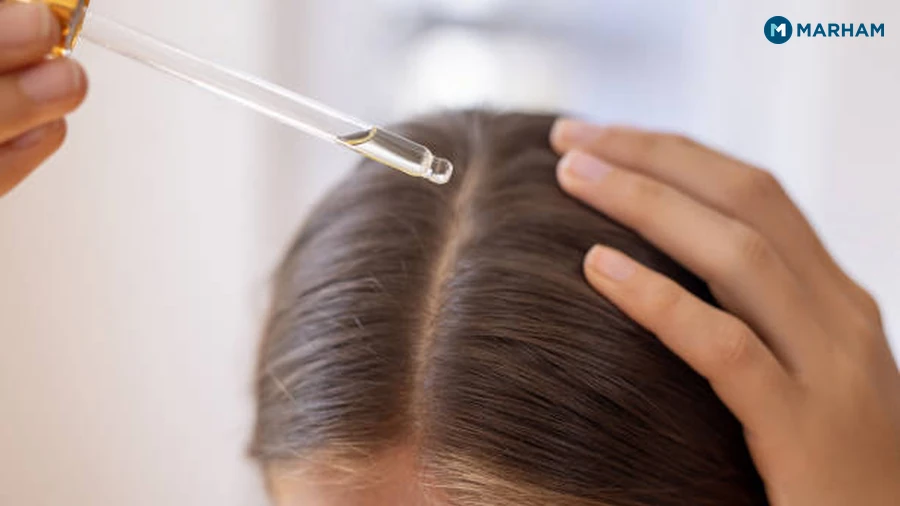
Follow the quick soak method, then leave the strained rice water in a covered container at room temperature for 24 to 48 hours before use. Fermentation makes the water slightly acidic, which may help balance the hair’s natural pH. Fermented rice water is acidic, so when you rinse your hair with it, it restores and balances the pH of your hair.
Pakistani summer storage note: In Karachi and Lahore, summer temperatures regularly cross 40°C. Rice water left on the kitchen counter will begin fermenting within hours in that heat, not the 24 to 48 hours quoted in most global guides. In summer, either use your rice water immediately after straining or store it in the refrigerator and use within two days. An unpleasant sour smell is a sign it has over-fermented.
A popular desi addition: add a teaspoon of fenugreek seeds (methi) to the soaking water. Methi is available at any kirana store for around Rs. 50 to 80 per 100g and is traditionally used in Pakistan for scalp health. Strain it out along with the rice before use.
How to Use Rice Water as a Hair Rinse
- Wash your hair with your regular shampoo and rinse thoroughly.
- Gently squeeze out excess water so your hair is damp, not dripping.
- Pour or spray the rice water over your scalp and hair, working from roots to tips.
- Massage it gently into the scalp for one to two minutes.
- Leave it on for 15 to 20 minutes. Do not exceed 30 minutes, as leaving it too long can dry out the scalp.
- Rinse thoroughly with cool water. Incomplete rinsing leaves starch residue, which can make hair stiff.
- Follow with a light conditioner if your hair feels dry after rinsing.
Start with once a week and see how your hair responds. If it feels strong and smooth, that frequency works. If it feels dry or stiff, reduce to once every two weeks.
Rice Water for Hair: Fermented vs Plain
| Feature | Plain Rice Water | Fermented Rice Water |
|---|---|---|
| Preparation time | 30 min to 2 hours | 24 to 48 hours |
| Antioxidant level | Moderate | Higher (per 2021 review) |
| pH | Neutral | Slightly acidic (closer to hair’s natural pH) |
| Smell | Mild, neutral | Distinctly sour |
| Best for | All hair types, beginners | Oily scalp, stronger treatment |
| Risk of protein overload | Lower | Slightly higher |
For most Pakistani women trying rice water for the first time, plain soaked rice water is the better starting point. Fermented rice water is worth trying once you know how your hair responds to the basic version.
Side Effects and Who Should Be Careful
Rice water is generally safe for most people, but a few situations call for caution.
Using rice water too often can cause a protein overload, especially in those with very dry or low-porosity hair, which can lead to further dullness and dryness. If your hair falls into those categories, it might not be the best choice for you. Pakistani women who regularly use chemical relaxers, bleach, or heavy oiling routines tend to have more porous or drier hair and should start with the once-every-two-weeks frequency.

The high protein content in rice water, combined with a slightly acidic pH, can have very positive effects for many people, but if you have dry hair, the nutrient-rich water can cause an overload of proteins that dries the hair more and causes the cuticle to lift and break or frizz.
Other things to watch for:
- Scalp flaking after use: usually a sign you didn’t rinse thoroughly enough, not a reaction.
- Stiff or hard texture: common with fermented rice water left on too long. Reduce contact time.
- Skin sensitivity: if you have eczema or a sensitive scalp, do a patch test on your inner arm 24 hours before your first use.
If you notice persistent scalp irritation, redness, or unusual hair loss that doesn’t improve, those symptoms deserve a proper evaluation. You can consult a dermatologist in Pakistan to rule out an underlying scalp condition before continuing any home treatment.
Speak to a Hair Specialist on Marham
Rice water and other home remedies can support hair health as part of a routine, but they are not substitutes for professional advice when something is genuinely wrong. Unusual hair shedding in Pakistani women is often linked to iron deficiency, thyroid issues, or nutritional gaps, all of which require a clinical assessment rather than a topical treatment.
If your hair loss is persistent, patchy, or accompanied by other symptoms like fatigue or changes in weight, a consultation with a specialist is the sensible next step. Marham connects you with verified dermatologists in Pakistan and nutritionists in Pakistan who consult online, so you don’t need to travel across Lahore or Karachi to get a professional opinion. You can also read more about managing frizzy hair in Pakistan and protein treatments for hair in our related guides.
Frequently Asked Questions
Does rice water actually grow hair faster?
Rice water is unlikely to dramatically speed up hair growth on its own. It may reduce breakage, which helps hair retain length over time, but hair growth rate is largely determined by genetics and overall nutrition, not topical treatments.
How long should you leave rice water in your hair?
Leave rice water on for 15 to 20 minutes, then rinse thoroughly with cool water. Leaving it on longer than 30 minutes can dry out the scalp and leave a stiff, starchy residue on the hair shaft.
Can you use rice water on hair every day?
No, daily use is not recommended. The protein content in rice water can cause overload with frequent use, making hair brittle and dry. Once or twice a week is a reasonable starting frequency for most hair types.
Is fermented rice water better than plain rice water?
Fermented rice water has a slightly lower pH and higher antioxidant content, which some people find more effective. However, it has a strong sour smell and a higher risk of protein overload. Plain soaked rice water is a better starting point for most people.
What are the side effects of rice water on hair?
The main side effect is protein overload, which can make hair feel dry, stiff, or brittle, especially in people with dry or low-porosity hair. Incomplete rinsing can also cause scalp flaking. Serious reactions are rare, but stop use if you notice persistent irritation.
When should I see a doctor about hair loss instead of trying home remedies?
See a specialist if your hair loss is patchy, sudden, or accompanied by symptoms like fatigue, weight changes, or scalp pain. These can signal thyroid problems, iron deficiency, or alopecia, all of which need clinical evaluation rather than a topical treatment.
Conclusion
Rice water for hair is a low-cost, low-risk treatment that most Pakistani households can make in under an hour using rice they already own. It may improve hair strength, reduce breakage, and add shine, though the scientific evidence is still limited and it won’t dramatically change hair growth on its own. Used once or twice a week as a rinse, with a proper cool-water rinse afterward, it’s a sensible addition to a hair care routine, particularly during Karachi and Lahore’s dry winter months when hair tends to become brittle.