

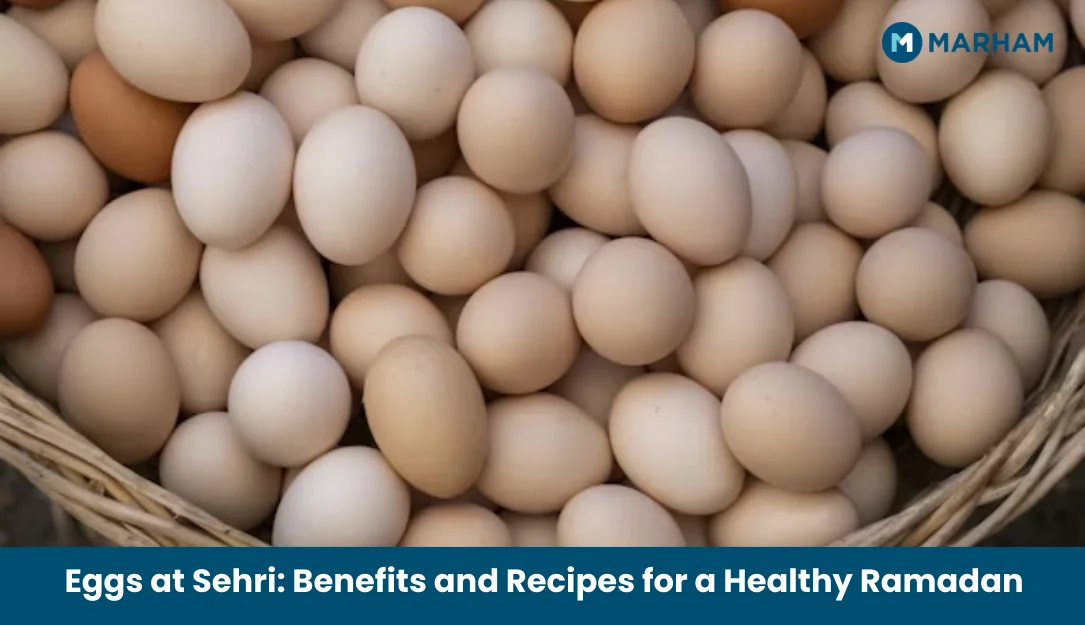
Let’s be honest. Most of us have had those Ramadan afternoons where our stomach starts growling by 2 PM and we regret not eating properly at sehri. You grabbed a paratha with chai, thought it would be enough, and now you’re counting down hours to iftar. Sound familiar? The truth is, what you eat at sehri makes or breaks your entire fasting day, and this is exactly where the humble anda (egg) steps in as your best friend.
The benefits of eating eggs at sehri go way beyond just filling your plate. Eggs are one of the most complete, affordable, and easy to prepare foods you can have before dawn. Your dadi probably already knew this. In Pakistani households, the boiled egg on the sehri dastarkhwan has been a quiet tradition for decades. Whether you like them boiled, scrambled with green chillies, or as a quick omelette, eating eggs at sehri gives your body the slow burning fuel it needs for a long fast.
Egg Nutrition Facts: What One Large Egg Gives You
| Nutrient | Amount (1 Large Egg) | % Daily Value |
| Calories | 72 kcal | 3.6% |
| Protein | 6.3 g | 13% |
| Total Fat | 4.8 g | 6% |
| Vitamin B12 | 0.45 mcg | 19% |
| Selenium | 15.4 mcg | 28% |
| Choline | 147 mg | 27% |
| Vitamin D | 1.1 mcg | 6% |
Notable: Eggs are one of the few natural food sources of Vitamin D, a nutrient many Pakistanis are deficient in. The choline content also supports brain function during long fasting hours.
5 Benefits of Eating Eggs at Sehri During Ramadan
-
Eggs Keep You Full for Hours During the Fast
This is the number one reason why eggs are considered the best sehri food by nutritionists. Eggs are loaded with high quality protein that takes longer to digest compared to simple carbs like white bread or sugary cereals. Research published in the Journal of the American College of Nutrition found that people who ate eggs for breakfast reported significantly less hunger throughout the day. During Ramadan, this slow release effect is exactly what keeps you from feeling lightheaded during Zuhr or Asr prayers.
-
They Provide Complete Protein Your Body Needs While Fasting
When you’re fasting for 14 to 16 hours in Pakistani summers, your body needs every bit of nutrition it can hold onto from sehri. Eggs contain all nine essential amino acids, making them a complete protein source. Many people lose muscle during Ramadan because their sehri lacks enough protein. Adding just two eggs to your sehri plate helps protect your muscle mass and keeps your body in repair mode even during the fast.
-
Eggs Give You Steady Energy Without the Crash
We’ve all experienced that mid fast energy crash around 1 to 2 PM when the initial sehri energy wears off. This usually happens when sehri is loaded with refined carbs that spike your blood sugar fast and drop it just as quickly. The combination of protein and healthy fats in eggs keeps your blood sugar stable, providing steady energy without the dramatic ups and downs. This means fewer headaches, less irritability, and better concentration throughout your fasting hours.
-
Eggs Support Brain Function During Long Fasting Hours
Staying mentally sharp during a fast is a real challenge, especially for students and working professionals. Eggs are rich in choline, a nutrient that plays a direct role in brain health and memory function. One large egg provides about 27% of your daily choline needs. Studies show that choline supports the production of acetylcholine, a neurotransmitter essential for memory and concentration. If you have exams during Ramadan or need to stay productive at work, making eggs a part of your sehri is one of the smartest things you can do.
-
They Are Budget Friendly and Perfect for Pakistani Families
In Pakistan, a tray of 30 eggs costs roughly 700 to 900 rupees depending on the city. That means each egg costs around 25 to 30 rupees, making it one of the most affordable sources of high quality protein available. For a family of five, preparing eggs at sehri is far more economical than cooking elaborate meat dishes every morning. Whether you boil them the night before or make a quick anda bhurji in 10 minutes, eggs fit perfectly into the tight sehri schedule and budget of an average Pakistani household.
Benefits of Eating Eggs at Sehri in Urdu | سحری میں انڈا کھانے کے فائدے
سحری میں انڈا کھانا رمضان کے روزے کے دوران آپ کی صحت کے لیے بیحد فائدے مند ہے۔ انڈے میں موجود پروٹین آپ کو لمبے وقت تک پیٹ بھرا محسوس کراتا ہے اور روزے کے دوران بھوک اور کمزوری سے بچاتا ہے۔ ایک انڈے میں قریباً 6 گرام پروٹین ہوتی ہے جو پٹھوں کی مضبوطی اور جسم کی مرمت کے لیے ضروری ہے۔ انڈے میں وٹامن ڈی، وٹامن بی 12، سیلینیم اور کولین جیسے اہم اجزاء ہوتے ہیں جو دماغی صحت، قوت مدافعت اور ہڈیوں کی مضبوطی کے لیے ضروری ہیں۔
سحری میں انڈے کھانے سے خون میں شوگر کی سطح مستحکم رہتی ہے جس سے روزے کے دوران تھکاوٹ اور سر درد کم ہوتا ہے۔ پاکستانی گھرانوں کے لیے انڈا سستا اور غذائیت سے بھرپور آپشن ہے۔ انڈے ابلے ہوئے، بھرجی، آملیٹ یا پراٹھے کے ساتھ کسی بھی شکل میں کھائیں، یہ آپ کے رمضان کو صحت مند بنا سکتے ہیں۔ اگر آپ کو کوئی خاص غذائی مشورہ چاہیے تو مرہم پر ماہر غذائیت سے رابطہ کریں۔
Best Egg Recipes for Sehri That Take Under 10 Minutes

Boiled Eggs with Chaat Masala
This is the simplest and most effective sehri option. Boil two eggs the night before and keep them in the fridge. At sehri time, just peel them, sprinkle some chaat masala, a pinch of black salt, and squeeze half a lemon over them. You get pure protein without any oil or fuss. Pair them with a whole wheat roti and you have a sehri that will genuinely keep you going until Maghrib.
Anda Bhurji (Pakistani Style Scrambled Eggs)
Heat a little oil in a pan, add chopped onions, green chillies, and a diced tomato. Once the onions turn golden, crack two eggs directly into the pan and stir everything together. Add salt, red chilli powder, and a pinch of turmeric. Cook for about three minutes on medium heat. Anda bhurji tastes incredible with a warm paratha or even just plain roti. It takes barely seven minutes from start to plate, which makes it perfect for those rushed sehri mornings.
Egg Paratha Roll
If you have leftover parathas from dinner, this is the quickest sehri hack. Make a thin omelette, place it on a warm paratha, add some ketchup or green chutney, and roll it up. It is filling, tastes great, and you can eat it even if you’re half asleep. Many Pakistani families have been doing this for generations, and it remains one of the most satisfying sehri options you can make.
Egg and Vegetable Omelette
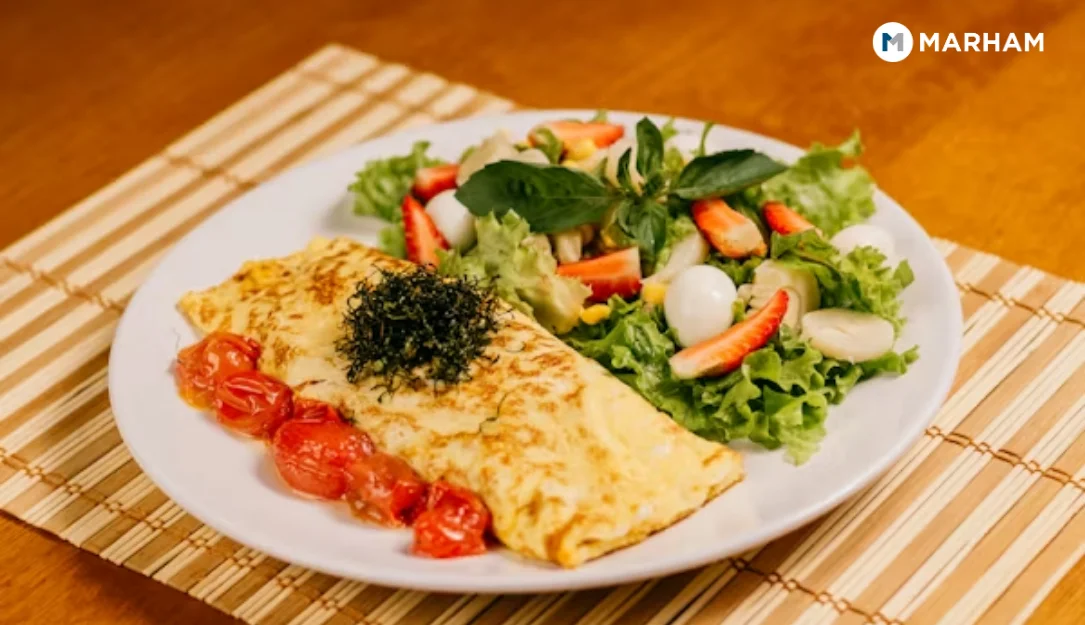
For those who want a slightly more nutritious option, add finely chopped capsicum, mushrooms, or spinach to your omelette. Beat two eggs with salt and pepper, pour into a heated pan, and add the vegetables. Fold it over and cook for two minutes on each side. This gives you the benefits of eating eggs at sehri along with the added fiber and vitamins from vegetables, which further slows digestion and keeps you satisfied longer.
Side Effects and Precautions
Some people are allergic to eggs, and symptoms can include skin rashes or digestive discomfort. People with high cholesterol should talk to their doctor about how many eggs are safe for them. Pregnant women can safely eat fully cooked eggs but should avoid runny or raw eggs. Make sure eggs are cooked thoroughly and stored properly in the refrigerator, especially during summer months.
Need Personalized Sehri Diet Advice?
Every person’s body is different. If you want a customized sehri meal plan based on your health needs, consult a qualified nutritionist through Marham. Call or WhatsApp 0311‑1222398 to book your appointment today.
Final Thoughts on Eating Eggs at Sehri
The benefits of eating eggs at sehri are hard to beat. From providing complete protein and steady energy to supporting brain function and fitting any family’s budget, eggs genuinely deserve their place as the best sehri food for Ramadan. Start with two eggs tomorrow at sehri and notice the difference. Less hunger, more energy, and a much more comfortable fasting experience overall. If you have specific health concerns, speak with a nutritionist through Marham. Ramadan Mubarak and may your sehris be both delicious and nourishing.